




How to Choose Housewarming Gifts for Big Households Without Adding Clutter
For large families, the most meaningful housewarming gifts solve daily friction points—meals, storage, safety, or scheduling—instead of becoming one more object on a crowded counter.
When five, six, or seven people are sharing one kitchen and one entryway, even generous gifts can feel like extra noise. Move-in season is usually a blur of boxes, missing chargers, and rushed dinners, so usefulness matters more than novelty. You’ll find a clear, practical way to choose gifts that feel warm, personal, and immediately helpful.
Gift Selection Rules: Match Space, Routines, and Family Size
Oversized or high-upkeep gifts often create stress during move-in, so start with a simple filter: “Will this save time weekly, and where will it live?”

Use this quick rule set before buying:
Match space: choose wall-mounted, stackable, or fold-flat items for homes with tight storage.
Match routines: gift for the bottleneck (breakfast rush, after-school drop zone, laundry overflow).
Match family size: prioritize larger-capacity tools (serving pieces, food containers, laundry sorters) over decorative singles.
Match maintenance: skip gifts that need constant refilling, polishing, or assembly.
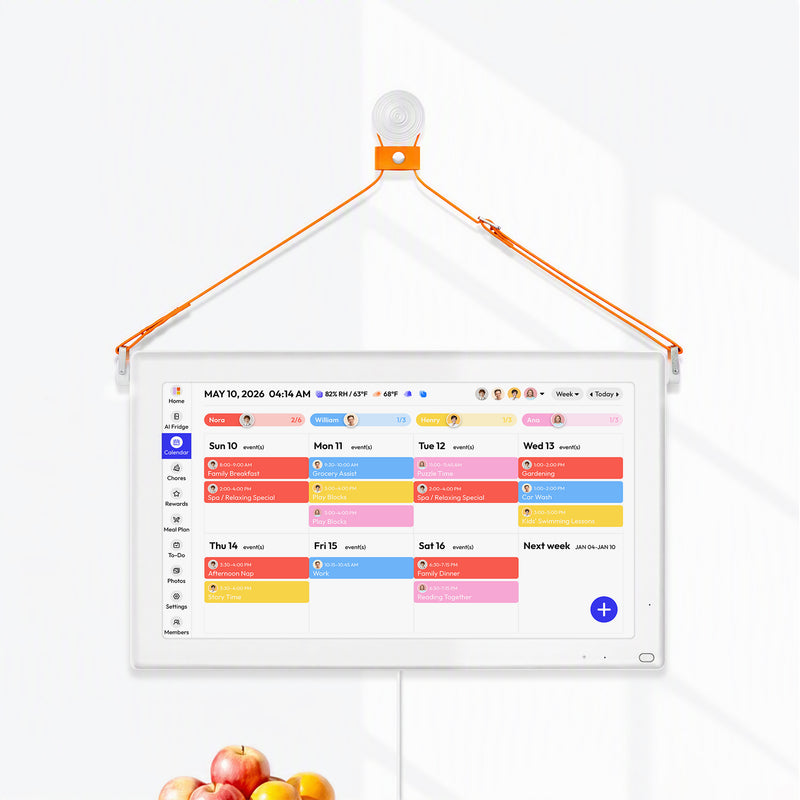
For families juggling multiple calendars, a shared scheduling tool like the a company can centralize Google, Apple, and Outlook events, chores, and tasks on one wall display.
Meal and Freshness Support Gifts for Busy Family Kitchens
Safe storage temperatures are the most practical foundation for a kitchen gift: refrigerated foods stay below 40°F, and frozen foods at 0°F.
Clean, intact packaging and containers make a real difference for big households, so useful gift bundles can include a fridge thermometer, leak-proof leftover containers, pantry labels, and date tape; dry cereal and pasta can stay fresh up to about 2 years when stored properly.

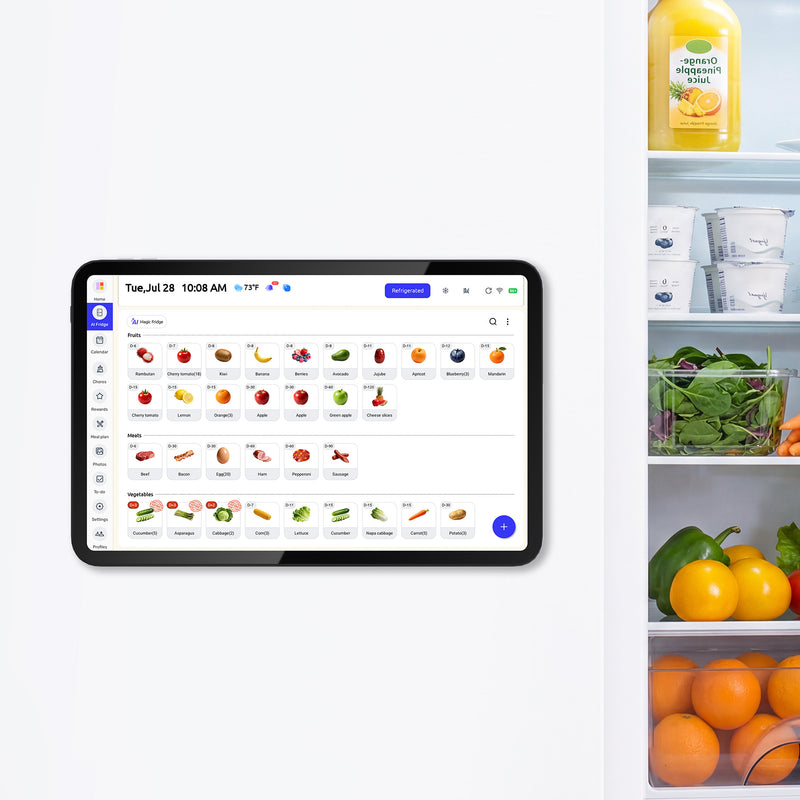
A fridge-door workflow tool like the a company fits meal-planning homes well because it keeps shopping reminders, freshness checks, and daily kitchen coordination in one quick-access spot.
Safety-First Choices: Food Storage, Labels, and Power-Outage Basics
Power-outage safety windows are short: refrigerated perishables should be discarded after 4 hours, and freezer food lasts roughly 48 hours if full, or about 24 hours if partially full.

Damaged cans, broken seals, leaks, and bulging packaging are discard signals, which is why label-forward gifts are so practical for large families that rotate food quickly.
A smart safety gift kit for a family kitchen:
Waterproof labels + permanent marker
Two appliance thermometers (fridge and freezer)
Shallow leftover containers for faster cooling
Small cooler with reusable ice packs
Rechargeable flashlight for outage checks
Personalized Keepsakes vs. Practical Essentials: How to Balance Both
For big households, a strong formula is one practical anchor + one personal touch. This keeps the gift emotional without adding clutter.

A personalized 10" x 14" family house portrait platter is a good example of a keepsake that still works hard: it is microwave and dishwasher safe, and oven-safe up to 250°F for up to 1 hour.
A useful balance looks like this:
Practical anchor: food storage set, tool kit, or entry organizer
Personal touch: custom platter, monogrammed tray, or framed house sketch
Shared-use focus: choose items everyone in the household can use, not one-person novelty items
Practical Next Steps
Ask two quick questions before buying: “What area feels chaotic right now?” and “Where can this item live?”
Set a clear budget by intent: $40–$75 for practical essentials, $75–$150 for durable upgrades, $150+ for shared-family systems.
Choose one category only (kitchen, entryway, or schedule) to avoid “gift pile” clutter.
Add a short handwritten note with one practical use case (example: “Use these labels for 3–4 day leftovers in the fridge”).
If you are unsure, pick a gift that reduces repeated decisions each day; for large families, that usually beats decorative gifts every time.


