
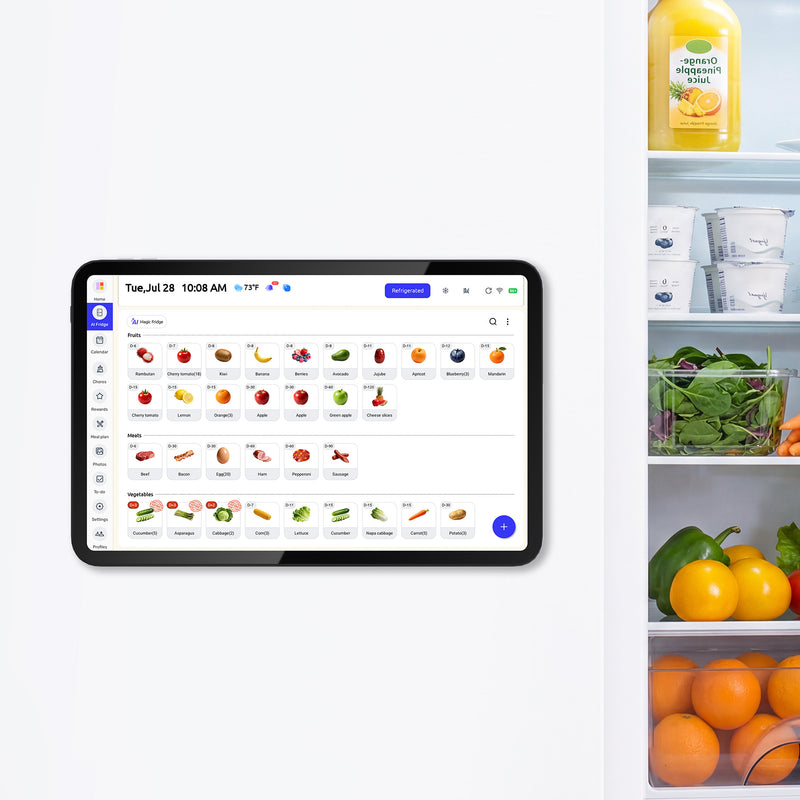
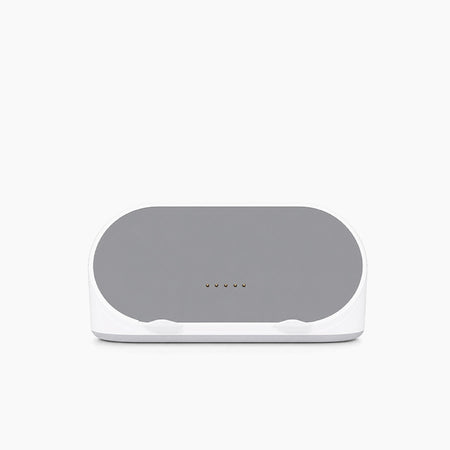
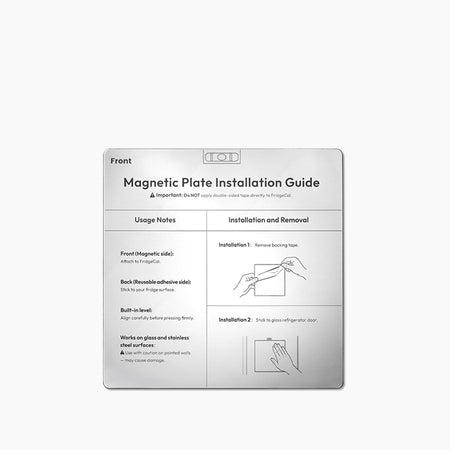
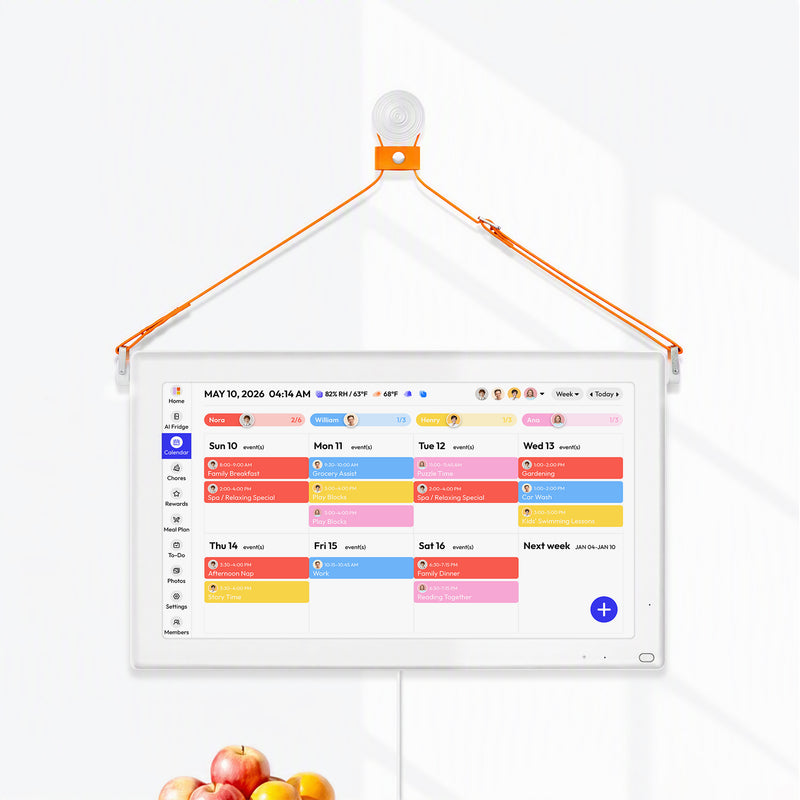



For most Apple-heavy families, the best setup is a shared wall screen running Mango Display Pro with Apple Calendar sync, plus a simple meal-and-chore workflow in the same spot.
If your week lives across iPhones, sticky notes, and group texts, daily logistics can feel like constant catch-up. In a realistic family schedule with 20-30 recurring weekly commitments, one shared wall view is usually the fastest way to reduce missed handoffs and duplicate reminders. You’ll get a clear decision framework here: what to buy, where to place it, and how to make it stick.
Quick Verdict for Apple-Heavy Homes
Best Overall Choice
The right choice starts with household workflow, not a single “best” device for everyone. If your household already runs on iPhones and iCloud calendars, prioritize reliable shared visibility, color-coding by person, and easy daily updates over brand-specific hardware features.

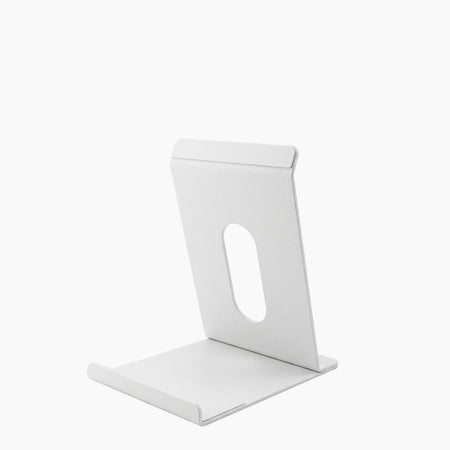
A digital wall calendar with Apple sync on an existing iPad, TV, or monitor is the strongest value for most families. You get live calendar updates, multiple views (monthly/weekly/agenda), and lower hardware risk because you can repurpose a screen you already own.
When Dedicated Displays Win
Families managing 20-30 recurring commitments often benefit from an always-on dedicated wall display, especially when accountability and quick “who-goes-where” checks matter more than portability. The tradeoff is higher upfront cost and fixed placement, so this is best when you want a permanent command center and accept lower flexibility.
Side-by-Side Comparison
iCal-Focused Options
A wall calendar can run on existing screens with a display app, which makes it practical to test before buying specialized hardware.
Option |
iCal Integration |
Upfront Cost |
Ongoing Cost |
Visibility at Home |
Portability |
Meal/Chore Workflow Fit |
Best For |
Dedicated wall display |
Varies by brand; verify Apple support before purchase |
High |
Varies |
Excellent (always-on) |
Low |
Strong if mounted in kitchen/entry hub |
Families wanting one permanent command center |
iPad/TV + Mango Display Pro |
Direct Apple Calendar live sync on Pro |
Low to Medium (often reused screen) |
$5.99/month |
Very good |
Medium |
Strong with shared widgets + nearby meal board |
Most Apple-heavy families seeking best value |
Specialized mobile app only |
Usually strong Apple phone integration |
Low |
Varies |
Moderate (depends on phone checks) |
High |
Good for individuals, weaker wall visibility |
Families not ready for a wall station |
Smart home hub |
Integration depth varies |
Medium |
Varies |
Good if centrally placed |
Medium |
Moderate; depends on ecosystem apps |
Homes already invested in one smart-home platform |
Decision Lens That Matters
The most reliable buying filter is total cost, privacy, voice entry, and display visibility, not just “does it sync.” In practice, families stick with systems that are easy to see from a few feet away and simple to update during busy transitions.
A command center usually works on a 3-4 foot wall near the kitchen or main entry, so placement should be part of the purchase decision. If the screen cannot be read quickly in that location, the tool will underperform no matter how good the app is.

iCal Integration That Holds Up in Real Life
Build One Source of Truth
Most missed events come from no single source of truth, not from weak calendar apps. Apple-heavy families should route school, activities, work blocks, and appointments into one shared family calendar set, then color-code by person.
A wall setup with live Apple calendar updates works best when each family member has a dedicated color and at least one shared “family logistics” calendar. Monthly view supports planning, weekly view handles execution, and agenda view is useful during morning launch.

Add the Features People Skip
Better outcomes come from calendar sharing and reminders, not from adding more apps. Use default alerts for travel-time buffers, school deadlines, and pickup handoffs to reduce last-minute texts.
Minimum reliable iCal setup:
- One family-wide calendar plus one calendar per person.
- Color rules everyone understands.
- Default reminders for high-risk events.
- A daily check window (for example, 7:30 PM) for next-day changes.
Building One Family Hub for Schedule, Meals, and Chores
Keep Calendar and Meals in One Workflow
A weekly planner with shared grocery and meal planning reduces decision fatigue because meals, shopping, and schedule constraints are visible together. This is especially useful on nights with late practices, shift changes, or split pickups.
A command center works best when the layout follows “capture, plan, launch” zones: reference items up top, calendar/meal/tasks in the center, action items lower or to the side. Put meal choices into three buckets each week: cook now, freeze for later, or replace.
Add Chores Without Overcomplicating
Families get better follow-through when chore management and grocery sync are attached to the same shared system as the calendar. Start with recurring chores, clear due dates, and simple ownership before adding rewards or automations.
A 7-Day Rollout That Sticks
Week-One Implementation
The best placement is the spot with the most daily “touches” over 3-5 days, not the spot that looks nicest. Test two candidate locations, count key drops/calendar checks/mail sorting/grocery-note updates, then mount where behavior is already happening.

A realistic launch follows seven setup steps: choose one tool, brain-dump commitments, add recurring events, assign owners, build one routine, run a 15-minute weekly meeting, and then maintain consistency. This keeps complexity low and adoption high.
Methodology and Limits
A 10-minute technical setup path is feasible for account pairing and basic widgets, but behavior change still takes weeks. My evaluation prioritized real-world friction points: visibility from entry routes, reminder reliability, and whether meals/tasks stayed in the same workflow. Limitation: long-term hardware durability and app roadmap changes were out of scope, so re-check pricing and integration details before purchase.
FAQ
Q: Do I need a dedicated wall device for iCal integration?
A: No. A browser-capable screen with the right display app can provide live Apple Calendar sync and is usually the best value starting point.
Q: What is the most common reason family calendar systems fail?
A: The biggest issue is reactive planning and no single source of truth, so events live in one person’s head or scattered apps instead of one shared view.
Q: Should meal planning be in the same system as the calendar?
A: Yes, because shared meal planning and grocery lists reduce last-minute decisions and make schedule conflicts visible before the week starts.
Final Takeaway
For Apple-heavy families, start with one visible wall station, one shared iCal-based calendar system, and one meal-planning workflow in the same place. If you want the strongest balance of cost, flexibility, and iCal reliability, begin with a reused iPad or TV plus Mango Display Pro, then upgrade hardware only after 2-3 weeks of real use. The winning system is the one your household checks every day without reminders.
Purchasing Disclaimer
Our reviews and comparisons are based on technical specifications and market research available at the time of writing. Product features, stock availability, and pricing are subject to change by the manufacturer or retailer without notice. This content is intended to assist your decision-making process, but final purchase choices and the resulting product performance remain the responsibility of the consumer. We recommend verifying current data with the vendor before purchase.
References


