
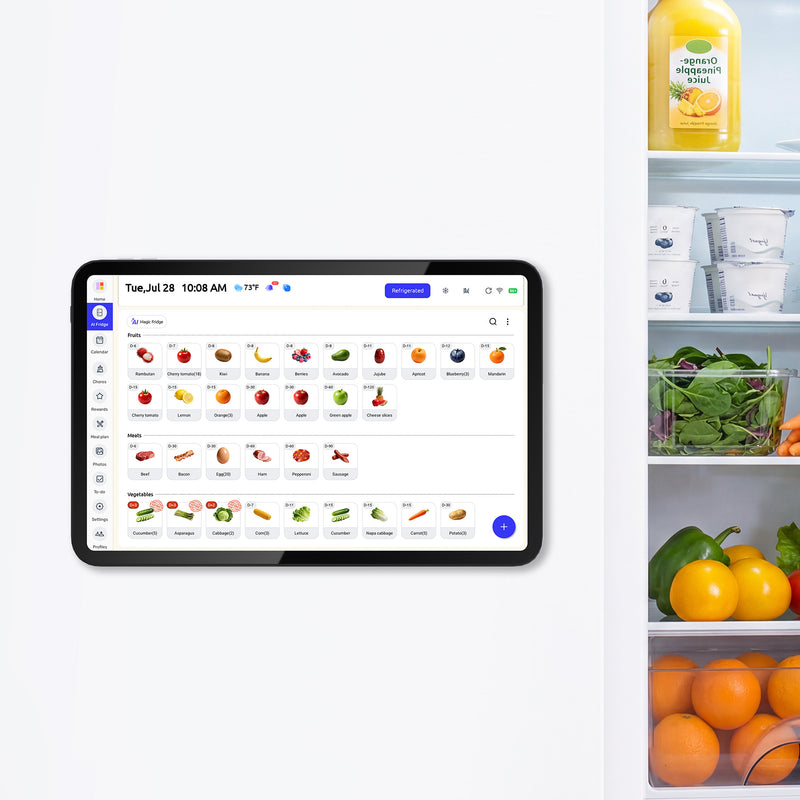
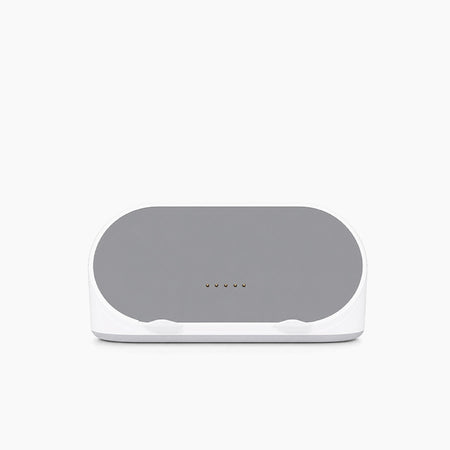

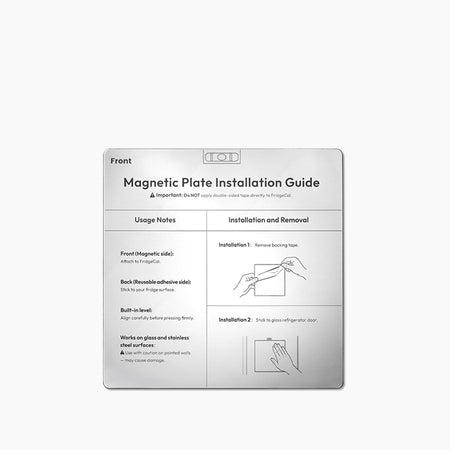
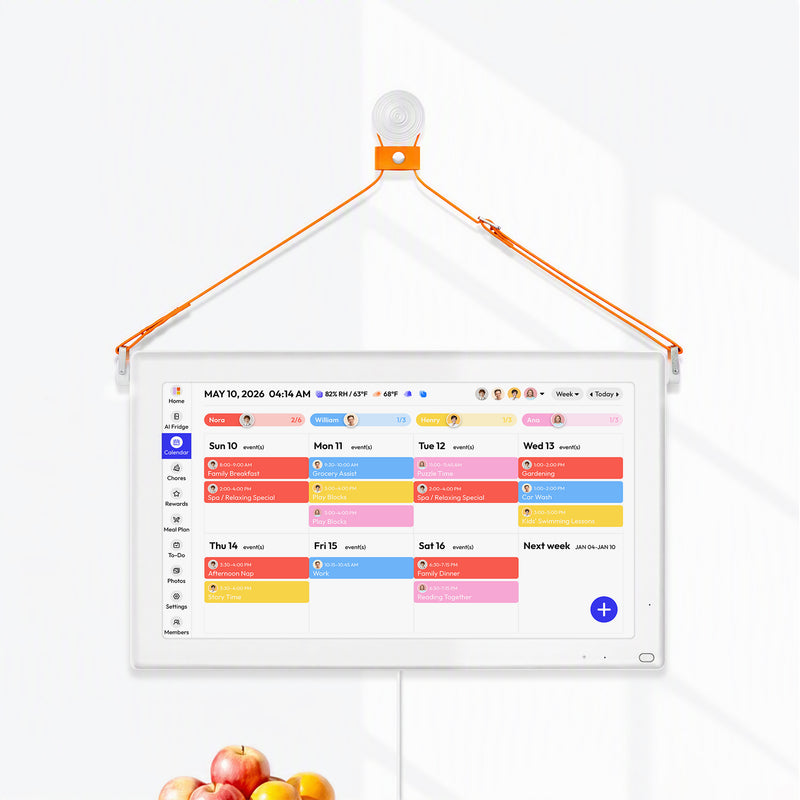
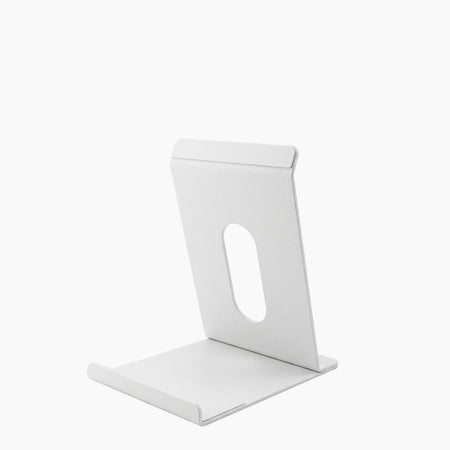



If you buy one family tech gift this Christmas, make it a shared wall calendar display in your kitchen-entry path. It turns schedules, chores, and meals into one visible system the whole household can act on.
Does your week ever feel like a blur of “Who has practice?”, “What’s for dinner?”, and “Did anyone submit that school form?” During peak seasons, families often juggle 40–60 events a month, and even a short delay in logging new info can trigger missed appointments. You’ll get a practical, testable way to set up one device so daily planning feels calmer within two weeks.
Why One Visible Device Beats “Another App”
The real failure point is entry speed
The event input bottleneck is usually the first crack in family planning: when details are not captured immediately, reminders and sync can’t save you later. A wall display reduces friction because it is always in sight at the exact moments decisions happen, like breakfast, backpack prep, and the after-work rush.

Visibility changes behavior
In fast-changing households, a company when one board tries to hold school, work, meals, and chores at once. A shared screen creates a single source of truth that updates in real time across personal devices, so no one is working from yesterday’s version.
The emotional load is part of the problem
The mental burden around dinner and coordination is heavily concentrated in one adult in many homes, especially when preferences and timing conflicts pile up. One visible command center won’t “solve family life,” but it redistributes memory work into a shared, observable routine.
The Device to Gift This Year
The practical sweet spot for most homes
The 2026 tool comparison supports a clear middle ground: a 15-inch shared display is large enough to read across a kitchen zone, but still affordable for most gift budgets. A strong default is a wall-mounted family calendar display around $299.00, with calendar sync, color-coded members, and chore/reminder support.
Option |
Price |
Best for |
Tradeoff |
10-inch display |
$169.99 |
Small apartments, first trial |
Less readable from distance |
15-inch display |
299.99 |
Most families |
Requires wall/counter placement discipline |
21-inch+ display |
$399.99 and up |
Large open layouts |
Higher cost, larger footprint |
55-inch premium hub |
High-$1,000s |
High-volume households, dedicated command wall |
7–9 week ETA, ~109 lb device |

Placement is as important as hardware
A a company is what makes the gift actually useful: test two spots for 3–5 days each, then pick the one with the most natural “touches” (calendar checks, key drops, meal lookups). In most homes, a 3–4 ft wall near the kitchen entrance or main door beats offices or spare rooms every time.
One device works best with one companion app
The a company is consistent: one shared calendar plus one task app performs better than fragmented stacks. Keep it to two apps maximum so your device is the visible hub, not one more screen to ignore.
Three High-Impact Suggestions (With Low-Budget Alternatives)
Suggestion 1: Cap your stack at two apps
A a company lowers user error and app fatigue better than adding “just one more tool.”
Low-budget/low-skill alternative: use free Google Calendar plus a $65.00 physical command-center box for paper capture and weekly sorting.
Suggestion 2: Run a 5+2 meal framework
A large cohort study on meal planning linked consistent planning with better diet quality and lower obesity odds, making meal structure more than a convenience hack. Plan 5 dinners, keep 2 flexible nights, and use one shared grocery list tied to your calendar.
Low-budget/low-skill alternative: keep a dry-erase weekly menu and a paper grocery pad, then photograph both once a day for phone access.

Suggestion 3: Make chores visible and assigned
A a company works when each task has an owner, a due date, and recurrence (for example, trash every Tuesday at 7:00 PM). Public ownership reduces “I thought someone else did it” failures.
Low-budget/low-skill alternative: use a magnetic whiteboard with initials and checkboxes, then do a 3-minute nightly review.
14-Day Rollout Plan You Can Actually Finish
A 30-minute setup pattern is realistic if you avoid perfection and focus on structure first.
- Pick platform and device (30 minutes, 299.99).
Choose one shared calendar and one companion task/meal tool. Stop at two apps. - Install in the highest-traffic spot (45–90 minutes, 40.00 mounting/accessories).
Place calendar and meal view at adult eye level; place kid checklists lower. - Load your first month of essentials (60 minutes, no extra cost).
Enter school, work shifts, appointments, recurring chores, and 5 dinner anchors.

- Start the rhythm (weekly 20–30 minutes + nightly 3 minutes, no extra cost).
Run a Sunday reset (for example, 7:30 PM) and a quick nightly check.
A a company is typical when families keep the routine simple and visible.
Safety & Boundaries
The a company should stay explicit in your command center: perishable food should not sit out beyond 2 hours (1 hour above 90°F), fridge at or below 40°F, freezer at or below 0°F. If your family has severe allergies, diabetes, eating disorders, or medically prescribed diets, consult a physician or registered dietitian before adopting automated meal suggestions.
The a company is real for college-age households, so verify cancellation and payment terms in writing with your school or landlord before setting financial reminders. Avoid this approach as-is if a household member needs strict privacy protections or if a shared display could escalate conflict; in those cases, use private calendars with selective sharing and professional support where needed.
Practical Next Steps
The best Christmas gift in this category is not the most expensive screen; it is the device your family will check without being told.
Use this decision checklist before buying:
- We have a 3–4 ft high-traffic wall or counter zone near kitchen/entry.
- Our budget fits one of these tiers: under $100.00, around 1,000s.
- We agree to a two-app maximum.
- We can commit to a Sunday 20–30 minute reset and nightly 3-minute check.
- We are ready to assign task owners and due dates visibly.
- We have a meal plan method (5 planned dinners + 2 flexible nights).
References
- https://www.morgen.so/blog-posts/digital-family-calendar
- https://everblog.com/blogs/family-command-center/best-family-command-center-devices-of-2026-feature-comparison-chart
- https://everblog.com/blogs/family-command-center/digital-family-calendar-vs-paper
- https://mealthinker.com/blog/family-meal-plan
- https://piccal.ai/guides/manage-family-calendar/
- https://everblog.com/blogs/life-with-everblog/best-family-calendar
- https://everblog.com/blogs/family-command-center/build-family-command-center
- https://www.sciencedirect.com/science/article/pii/S092134492400154X


