



Pure vanilla extract usually does not expire in a strict safety sense when stored well, but its flavor can fade. Imitation vanilla has a shorter quality window, so the smarter pantry rule is to inspect, label, and use each bottle where it performs best.
Ever pull a half-used bottle of vanilla from the back of the cabinet while the kids are waiting for cookies and wonder if it is still okay? A simple smell, appearance, and storage check can keep you from wasting good extract or ruining a batch with weak flavor. You will know when to keep it, when to replace it, and when imitation vanilla is the practical choice.
The Short Answer: Pure Vanilla Lasts a Very Long Time
Pure vanilla extract is unusually shelf-stable because it is made with alcohol and water extracting flavor from real vanilla beans. In the United States, pure vanilla extract must meet standards that include at least 35% alcohol and at least 13.35 oz of vanilla beans per gallon, which is why a properly stored bottle can remain usable long after a printed best-by date.

That date is best treated as a quality marker, not a family emergency. If the bottle was tightly closed, kept in a cool, dark cabinet, and still smells warm and clearly vanilla-like, it is usually reasonable to use. In a busy household, the better question is not “Is the date old?” but “Does this still smell and taste like something I want in Saturday pancakes?”
Real Vanilla vs. Imitation Vanilla
Pure vanilla extract comes from real vanilla beans steeped in alcohol and water. Culinary sources describe vanilla as a flavor enhancer that adds warmth, balance, and floral depth, which is why pastry chefs use vanilla even when it is not the headline flavor.
Imitation vanilla is different. It is usually built around synthetic vanillin, the main compound people recognize as vanilla, but it lacks many of the supporting compounds found in real beans. That does not make it useless. It makes it simpler, cheaper, and sometimes surprisingly effective in high-heat baking.
Pantry Question |
Pure Vanilla Extract |
Imitation Vanilla |
Main source of flavor |
Real vanilla beans |
Usually synthetic vanillin |
Flavor profile |
Richer, warmer, more complex |
Stronger, simpler, flatter |
Best use |
Frosting, custard, pudding, ice cream, no-bake desserts |
Cookies, cakes, brownies, pancakes, strong-flavored batters |
Typical quality window |
Very long when stored well |
Commonly shorter, often about 2–4 years |
Cost |
Higher |
Lower |
Does Pure Vanilla Extract Go Bad?
Pure vanilla extract can lose strength even when it has not spoiled. If you open the bottle and the aroma is faint, harsh, sour, or mostly alcohol without much vanilla, the flavor may no longer be worth using in a recipe where vanilla matters. A bottle that once made buttercream smell like a bakery but now barely registers is not dangerous by default, but it may be disappointing.
The clearest warning signs are visible mold, unusual cloudiness, floating debris, a sour or unpleasant odor, or evidence that food or water got into the bottle. Older vanilla is best evaluated by condition rather than date alone, which fits a home kitchen where ingredients sometimes get pushed behind sprinkles, candles, and school-lunch containers.

For a simple family test, pour a tiny amount into a spoon and smell it before adding it to your mixing bowl. If it smells warmly vanilla and looks clear to dark amber without strange particles, it is likely fine for everyday baking. If it smells off, looks contaminated, or makes you hesitate, replace it; a $4 cake mix or an hour of baking time is not worth risking on a questionable teaspoon.
How Long Does Imitation Vanilla Last?
Imitation vanilla usually has a shorter useful life than pure extract because it does not rely on the same real-bean alcohol extraction profile. It may still be usable after the printed date, but the flavor can become dull, sharp, or artificial-tasting over time.
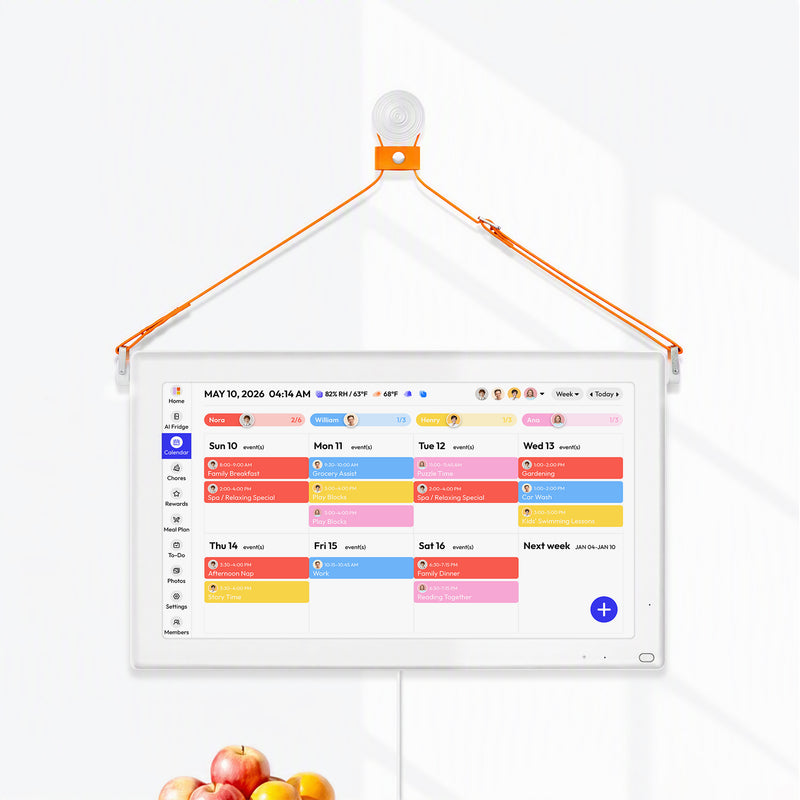
This is where a smart household routine helps. Add “check vanilla” to your holiday baking prep on the family calendar, especially before Thanksgiving cookies, December bake sales, or birthday cakes. If the imitation bottle has been open for several years and smells thin or chemical, it belongs on the replacement list before the week gets crowded.
When Imitation Vanilla Is the Better Choice
There is a real kitchen debate here, and it matters because families buy ingredients with budgets in mind. In high-heat cookie testing, tasters often preferred or could not clearly distinguish imitation vanilla from pure extract, partly because delicate compounds in real vanilla can fade during baking.
That does not mean imitation is better across the board. It means heat, recipe type, and expectations change the decision. If you are making chocolate chip cookies for a lunchbox, imitation vanilla may give a familiar vanilla note at a lower cost. If you are making vanilla pudding, whipped cream, buttercream, or homemade ice cream, pure vanilla’s complexity has more room to show.

A practical distinction works well: real vanilla extract is best when vanilla is prominent or lightly heated, while imitation can work in everyday baked goods and recipes with stronger competing flavors. That is a budget-aware pantry strategy, not a compromise in family care.
How to Store Vanilla So It Lasts
Vanilla extract belongs in a cool, dark pantry or cabinet, not in the refrigerator. Homemade vanilla storage guidance also points toward keeping vanilla extract sealed and away from conditions that weaken flavor over time.
Keep the cap tight, store the bottle upright, and avoid parking it near the stove, dishwasher, sunny window, or coffee maker. Heat and light can dull aroma, and a loose lid lets volatile aroma compounds escape. If the bottle neck gets sticky, wipe it before closing so the cap seals cleanly.
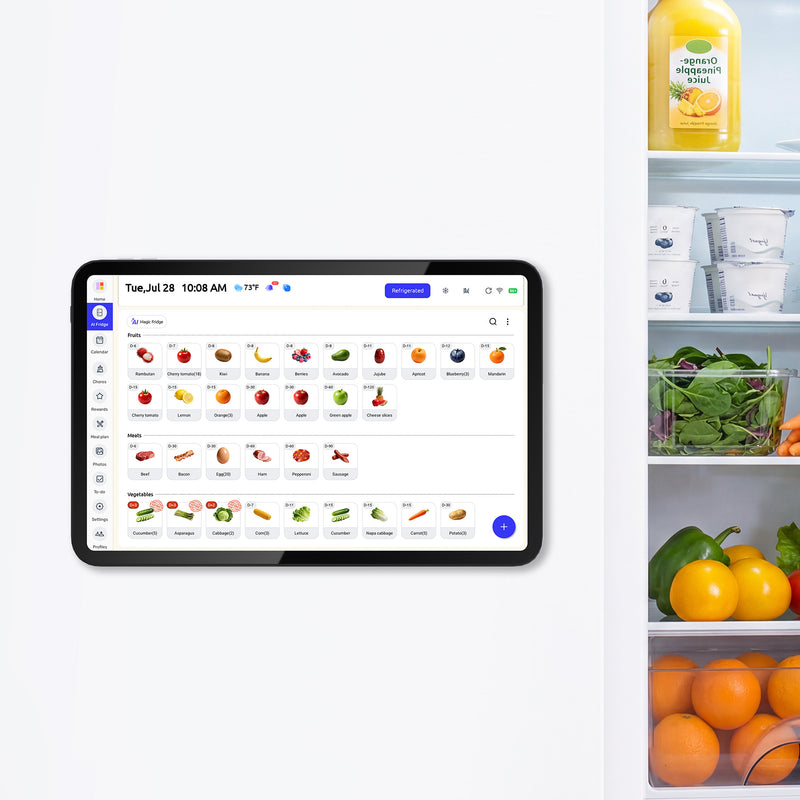
For households that use a smart fridge calendar or shared family organizer, create a small pantry note with three fields: purchase date, opened date, and best use. Pure vanilla can be marked for frostings and no-bake desserts, while imitation can be marked for cookies and pancakes. That one habit prevents duplicate buying and last-minute uncertainty.
Buying Advice: What to Choose
If you bake often, keeping both types is sensible. Pure vanilla extract earns its spot for recipes where vanilla is the main flavor, while imitation vanilla can handle routine, high-heat baking without draining the grocery budget.
Price differences are part of the decision. Real vanilla costs more because vanilla orchids are labor-intensive to grow, pollinate, harvest, cure, and process; pastry education sources note that vanilla is costly because of that slow and demanding production. For a family that bakes every week, using pure vanilla in every brownie may not be the best use of money.
Be cautious with unusually cheap bottles that claim to be real vanilla, especially souvenir-style or bulk “Mexican vanilla” with unclear labeling. Some low-cost products may contain imitation flavorings or problematic additives, so cheap Mexican vanilla deserves extra scrutiny. When in doubt, buy from a recognizable seller, read the ingredient list, and avoid mystery bargains.
Quick FAQ
Can I use pure vanilla extract after the best-by date?
Yes, if it was stored properly and still smells, looks, and tastes normal. The date is usually about best flavor, not an automatic safety cutoff.
Should vanilla extract be refrigerated?
No. Store it in a cool, dark cabinet with the cap tightly closed. Refrigeration can encourage cloudiness or quality changes.
Can I substitute imitation vanilla for pure vanilla?
Usually, yes, in a 1:1 swap for baked goods like cookies, cakes, and brownies. For custards, frostings, ice cream, and no-bake desserts, pure vanilla is the better choice.
What should I do with weak old vanilla?
If it has no mold, cloudiness, or off smell but simply seems weak, use it in strongly flavored baked goods where vanilla is a background note. If it smells unpleasant or looks contaminated, discard it.
A Calm Pantry Rule
Keep pure vanilla for recipes where your family will truly taste it, use imitation vanilla where heat and stronger flavors take over, and check every bottle by smell, appearance, and storage history before you bake. A labeled pantry shelf and a quick calendar reminder can turn a tiny ingredient into one less decision on a busy family day.


