






Medical disclaimer: This article provides educational food-safety communication guidance and is not a substitute for professional medical diagnosis or treatment. Seek medical care promptly for severe, worsening, or persistent symptoms after suspected food exposure.
Families are moving from one noisy thread to a simple communication system: quick chat for conversation, plus clear channels for decisions, safety, and follow-through.
Ever feel like your family chat is active all day, but nobody can find the one message that actually matters when dinner, pickups, or medication decisions collide? Many families are carrying invisible stress from this exact pattern. With foodborne illness still affecting millions each year and high-risk relatives often in the same household, you need a calmer, clearer way to share important information without turning home into a command center.

Why Group Chat Alone Breaks Down
Conversation Is Not the Same as Coordination
The FDA estimate of 48 million foodborne illnesses a year is a reminder that some family messages are health-critical, not casual updates. A single thread works for jokes and logistics, but it fails when one missed text can lead to unsafe leftovers or delayed care.
Symptoms can start fast or show up much later, and illness onset can range from 20 minutes to 6 weeks, which makes memory-based communication unreliable. Families do better when they stop relying on “someone probably saw it” and start labeling time-sensitive updates clearly.
Emotional Load Matters Too
The higher-risk groups include pregnant women, young children, older adults, and immunocompromised people, so many households are already carrying extra vigilance. When instructions are vague, people often feel blamed after the fact; when instructions are clear, people feel supported while the decision is happening.
Higher-risk households should act earlier because food illness can cause serious health problems. For these groups, treat suspected exposure as time-sensitive and contact a clinician sooner if symptoms are severe, worsening, or not improving, including dehydration signs, bloody diarrhea, high fever, or persistent vomiting/diarrhea; urgent exposure questions can also go to Poison Control.
The 2026 Family Communication Upgrade
Use Two Lanes: Chat and Commitments
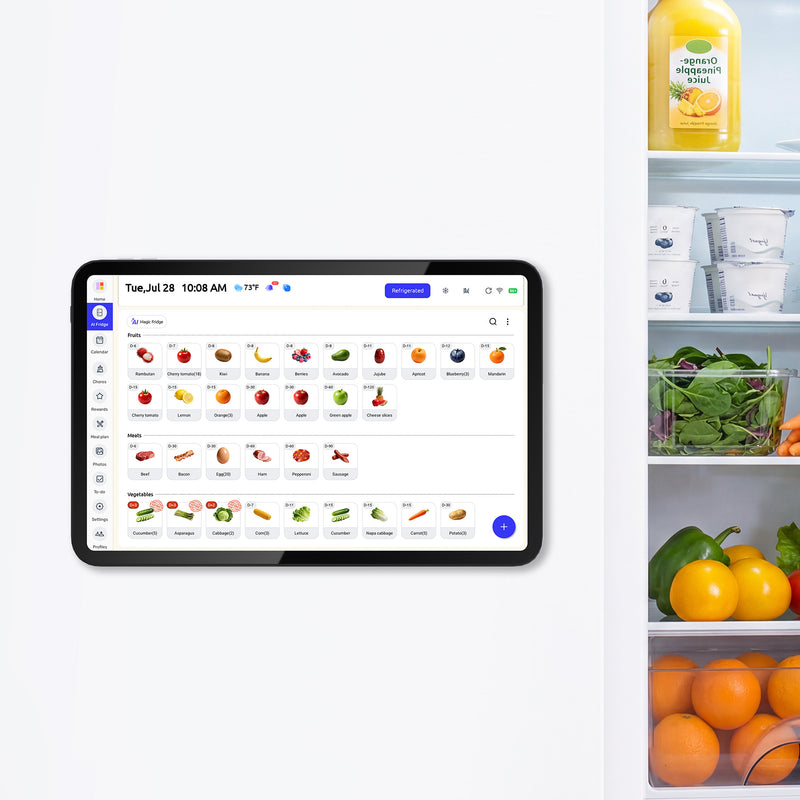
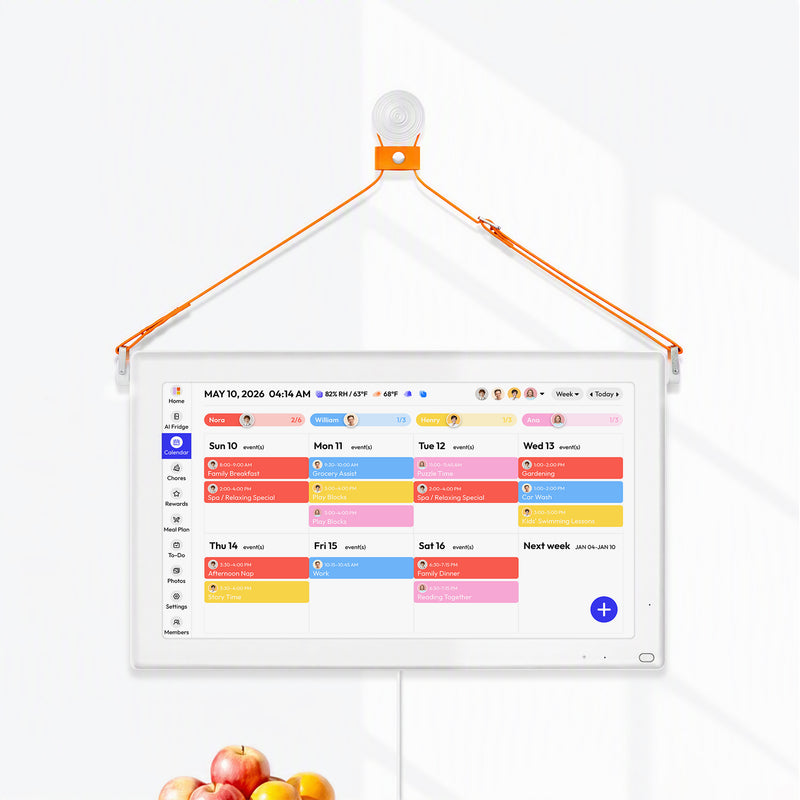
A practical upgrade is simple: keep your group chat for social flow, then add one “commitment lane” for decisions with owner and deadline. You can do this with a pinned note, shared document, or family board in the kitchen; the tool matters less than the rule.

The USDA FSIS take-out safety page highlights recalls, alerts, and reporting paths, which is useful as a model for family communication. In practice, that means every high-stakes message should answer three things in one line: what happened, who owns it, and by what time.
Verify Before You Amplify
The FSIS reminder that .gov sites are official and https is encrypted is a good family rule for any health or safety alert. If a scary message comes in from social media, pause and verify on an official source before forwarding to grandparents or teens.
Set Non-Negotiable Food Safety Thresholds
Make the Numbers Shared Language
The Danger Zone is 40°F to 140°F, and bacteria multiply quickly in that range 40°F to 140°F danger zone. When every adult and older child knows that one number range, arguments become fewer and decisions become faster.
The 2-hour rule and 1-hour rule above 90°F gives families a clear cutoff for leftovers, takeout, and car rides home from events 2-hour rule and 1-hour rule above 90°F. This removes guesswork on busy nights: if it crossed the limit, it gets discarded.
Standardize Cooking and Reheating
The minimum internal temperatures are worth posting once where everyone cooks: 165°F for poultry and leftovers, 160°F for ground meats, and 145°F plus a 3-minute rest for whole cuts safe minimum internal temperatures. A food thermometer often prevents both overcooking and unsafe undercooking.
The leftover reheating target is 165°F for leftovers and casseroles, and cooling in shallow containers helps food pass through unsafe temperatures faster. A quick family script helps: “Portion, cool, label, refrigerate now.”
Create an Emergency Communication Playbook
Power Outages and Weather Events
The fridge-for-4-hours and freezer-for-48-hours guidance gives a concrete starting point during outages if doors stay closed 4-hour and 48-hour limits. Put this in a pinned family note so no one has to search while stressed.
The USDA emergency food safety advice adds practical details: use thermometers, consider dry ice for longer outages, and avoid storing food in snow. Families can assign roles ahead of time: one person checks temperatures, one documents what was discarded, and one handles replacement shopping.

Know What Can Stay and What Should Go
The FoodSafety.gov storage chart helps settle common disputes quickly, like whether opened deli meat at day 6 is still okay or whether leftovers at day 5 are worth the risk. A shared “safe-until” label habit reduces both waste and anxiety.
The shelf-stable food guidance is also useful for backup planning: unopened shelf-stable foods can support short disruptions, but opened portions still need refrigeration. “Shelf-stable” is a helpful category, not a blanket pass forever.
Keep the Emotional Climate Safe
Replace Blame With Repair
The Cooking for Groups recommendations reinforce simple controls like handwashing, sanitizing, and chilling promptly, but the emotional part matters just as much at home. If someone forgets a step, a repair-focused response works better than criticism: “Let’s reset the process” beats “You always do this.”
The FDA note that harmful bacteria may not change smell or appearance helps families avoid personal debates based on opinion. When standards are external and shared, people feel less judged and more protected.
Use Options, Not Orders
Most families respond better when suggestions are framed as choices. Try: “Option A, freeze half now; Option B, keep it for tomorrow lunch and discard the rest tonight.” Clear options lower defensiveness and keep everyone engaged in the same safety goal.
Practical Next Steps
Communication upgrades work best when they are small, visible, and repeatable. Pick one week to test a new system, then keep what reduced stress and drop what added friction.
If your household includes higher-risk members, escalate sooner because food illness can cause serious health problems, and seek medical advice early for severe, worsening, or persistent symptoms after suspected exposure.
- Set two channels today: social chat and decision lane.
- Pin five numbers: 40°F, 140°F, 0°F, 2 hours, 1 hour above 90°F.
- Put one thermometer in the fridge and one in the freezer; check weekly.
- Use a leftover label format: item, date, discard date.
- Create one outage note with role assignments and go/no-go discard rules.
- Run a 10-minute Sunday check-in: “What worked, what was confusing, and what do we adjust?”
Important Note
The insights and strategies shared here are intended for support and educational purposes only. They do not constitute professional medical advice, clinical diagnosis, or treatment, and they do not replace individualized guidance from a licensed clinician. Because food illness can cause serious health problems, seek prompt medical care for severe, worsening, or persistent symptoms after suspected exposure; higher-risk households should escalate earlier.
References
Threshold Sources
- FSIS page: "Danger Zone" (40°F - 140°F) | Food Safety and Inspection Service (accessed March 16, 2026)
- FDA chart: Safe Minimum Internal Temperatures as measured with a food thermometer (accessed March 16, 2026)
- FDA chart: Apply the Heat Chart (accessed March 16, 2026)
- FDA factsheet: Food Safety at Home (accessed March 16, 2026)
- FDA guide: Food and Water Safety During Power Outages and Floods (accessed March 16, 2026)
- FDA Safe Food Handling
- USDA FSIS Safe Handling of Take-Out Foods
- USDA FSIS Danger Zone 40°F–140°F
- FDA Are You Storing Food Safely
- USDA FSIS Keeping Food Safe During an Emergency
- FoodSafety.gov Storage Times Chart
- USDA FSIS How Temperatures Affect Food
- USDA FSIS Leftovers and Food Safety
- USDA FSIS Cooking for Groups


