
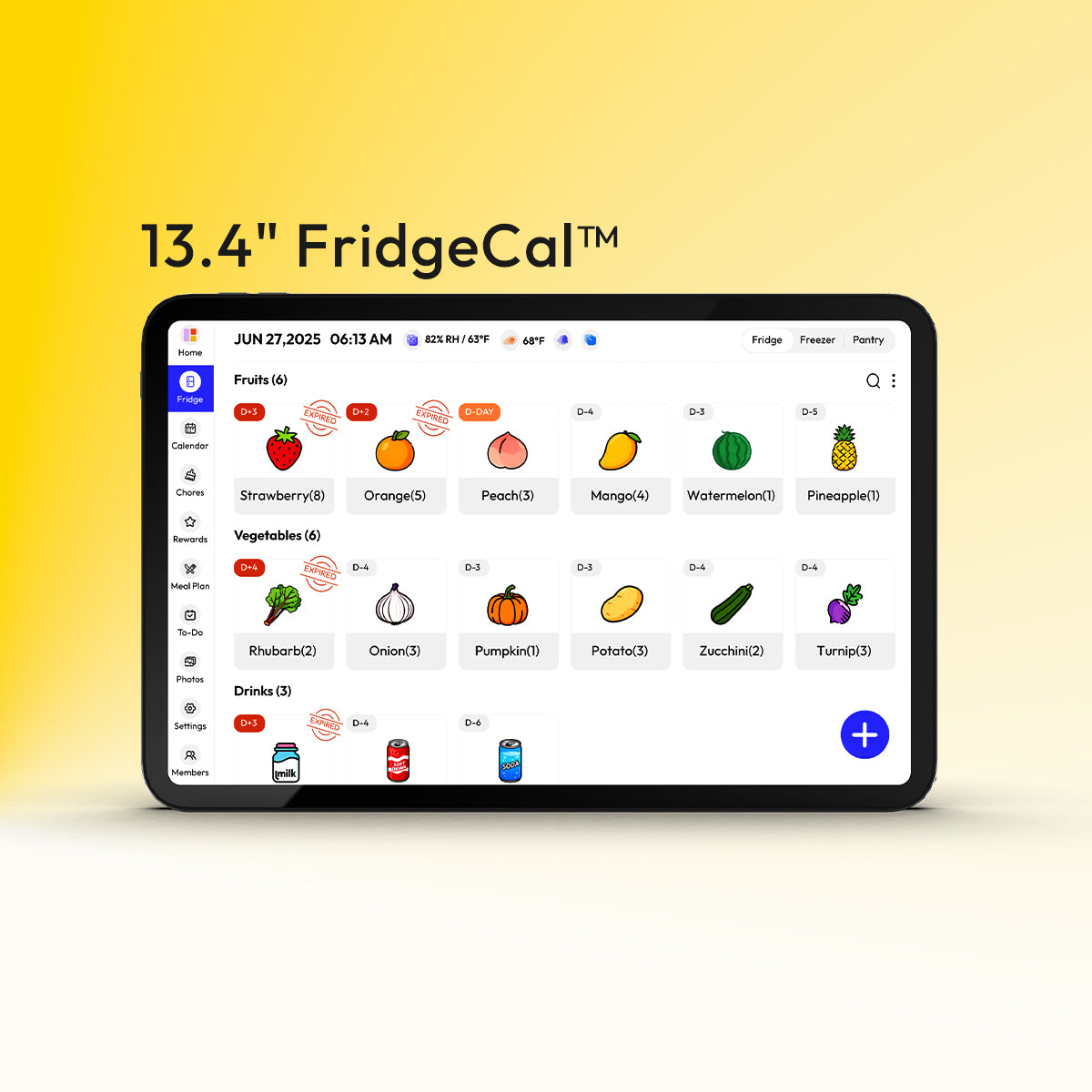
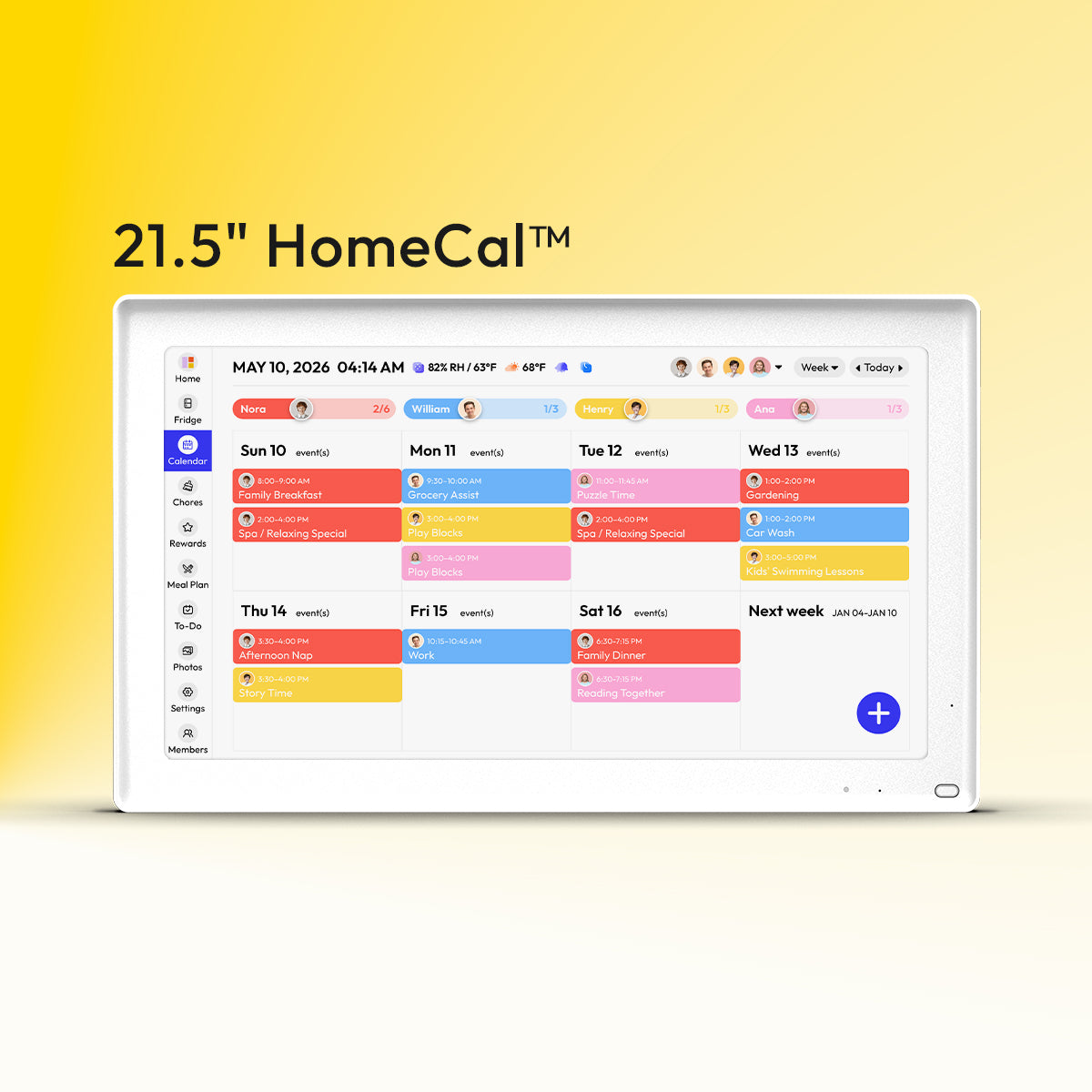


The easiest way to keep kids informed during schedule changes is to put every change in one shared place, then teach everyone when to check it. A good family planning hub combines a live digital calendar with a visible home command center kids can understand at a glance.
A pickup changes, dinner moves later, soccer practice is canceled, and one child still walks out the door with the wrong backpack. The fix does not have to be a full household makeover; even a 30-second morning check and a short evening reset can catch most of the confusion before it spreads. Here is how to build a simple shared planning hub that helps kids know what changed, what still matters, and who is doing what next.
Why Schedule Changes Feel Bigger to Kids Than Adults Expect
The problem is usually scattered information
Most families do not have one schedule problem. They have five schedule surfaces competing with each other: parent texts, school emails, paper forms, a phone calendar, and verbal reminders shouted from the kitchen. A shared family planning hub helps because it puts calendars, meal plans, chores, school papers, grocery lists, and reminders in one visible place instead of leaving each person to remember a different version of the day family planning hub.

Kids are often the weakest link in that chain, not because they are careless, but because they are still learning how to track time, sequence steps, and adjust when plans shift. If the only update is “Remember, Grandma is picking you up today,” that reminder disappears fast once math homework, lunch, and recess happen.
Last-minute changes need a repeatable landing spot
A change should not live only in one parent’s head or one group text. It needs a landing spot that everyone knows to check. For example, “Dad pickup” should appear on the shared digital calendar and on the wall board where the child sees it before leaving for school.
This matters most during handoffs. A changed pickup, moved appointment, new dinner plan, or different chore deadline can affect several people at once. A central hub reduces repeated questions because kids can look before asking, and adults can update one system instead of sending the same reminder three times.
What a Shared Family Planning Hub Should Include
Start with five pieces, not every possible tool
A useful hub does not need to be fancy. It needs to answer the daily questions your family actually asks: Where am I going? Who is taking me? What do I need to bring? What is for dinner? What job is mine? Digital command centers often combine a shared calendar, chores, meal planning, grocery lists, and household notes in one readable setup shared calendar.
For most homes, the core hub should include:
- A shared family calendar for school, work, appointments, practices, clubs, and pickup changes
- A weekly wall view with the next seven days in plain language
- A short chore list with names, due times, and check marks
- A meal plan that answers “What are we eating?” before the 5:30 PM scramble
- A paper inbox for forms, permission slips, invitations, and bills that need action
- A “bring today” spot for backpacks, sports gear, library books, instruments, or returns
Make the hub visible where life already passes through
The best location is not the prettiest wall. It is the place your family naturally crosses during transitions. Good spots include the kitchen edge, mudroom, garage entry, hallway, laundry area, or refrigerator front high-traffic areas.
Height matters if kids are expected to use it. A main family calendar is easiest to read when the center sits about 57 to 60 inches from the floor. Kid-facing chore strips, hooks, and backpack labels work better around 42 to 48 inches, especially for younger school-age children. If a child has to ask an adult to read the board, the board is not doing its job.

How Digital Calendars and Wall Boards Work Together
Use digital tools for live changes
Digital calendars are best for moving information: appointment changes, activity updates, grocery items, dinner changes, reminders, and anything that may shift during the day. A shared phone calendar lets one parent change “pickup: Mom” to “pickup: Neighbor at 4:15 PM” without waiting until everyone is home.
Color coding can help if it stays simple. Use one color per person or one color for major categories like school, sports, medical, and family. Avoid turning the calendar into a puzzle. If a 10-year-old cannot tell what changed in five seconds, simplify it.
Use the wall board for what kids need to see
Paper and wall surfaces are better for visible, repeatable information: the weekly rhythm, school forms, chore cards, lunch reminders, and items that need to physically leave the house. Hybrid setups work well because digital tools handle real-time changes while a wall board, hooks, and one paper inbox keep the home base clear hybrid setup.
If you prefer the wall board to be digital, Everblog 21.5" Digital Calendar is one example of a large touch display designed for wall mounting, with family plans, tasks, chores, and events visible in one shared place.
A simple rule works: if it changes during the day, update the digital calendar first. If a child must act on it before leaving home, put it on the visible board too. That means a changed pickup goes digital, while “bring cleats” gets written on the board and placed near the gear hook.
Keep younger and older kids in the same system
Younger kids need pictures, short labels, and predictable check times. Older kids can use phone alerts, shared calendars, and their own responsibility list. The family hub should serve both without creating two separate systems.
For a younger child, “Tuesday: art club, Mom pickup, pasta dinner” may be enough. For a teen, the same calendar event can include “practice ends 5:45 PM, bring black jersey, dinner late.” Everyone sees the same plan, but the detail level can fit the child.
The Schedule Change Routine That Actually Holds Up
Use three check-in points
The hub works only if it becomes part of the day. A 30- to 60-second morning check, a short after-dinner reset, and one weekly reset are realistic routines for busy homes morning check.

In the morning, check only today. Ask: “Who is going where, who is picking up, and what needs to leave the house?” After dinner, reset tomorrow. On Sunday afternoon or evening, look at the full week, including school events, work conflicts, meal gaps, and transportation problems.
Name the update owner
Every schedule change needs one person responsible for putting it into the hub. That person does not have to do every job. They just make sure the change is visible.
A practical family rule might sound like this: “The adult who receives the update enters it.” If the coach emails Dad about a canceled practice, Dad updates the shared calendar. If Mom signs a permission slip, Mom puts the form in the school inbox and adds the due date to the weekly board. If a teen gets a shift change at work, the teen adds it to the family calendar before asking for a ride.
Make changes stand out without making the board messy
Use a small “changed today” section, a sticky note color, or a magnet that marks updated plans. Do not rewrite the whole board every time something moves. Kids need to spot the change quickly.
For example:
- “New pickup: Aunt Maya, 3:20 PM”
- “No piano today”
- “Bring library books”
- “Dinner: leftovers, 6:30 PM”
- “Homework before tablet”
The goal is not a perfect command center. The goal is fewer hidden updates.
Helping Kids Use the Hub Without Constant Reminders
Teach the checking habit like a household skill
Kids do not become independent by being told once. They need a short sequence: watch the adult do it, help with it, do it with supervision, then do it alone. A platform describes this same pattern for chores, where a parent demonstrates, the child helps, the child practices with supervision, and then the child works independently learn chores.
Use that pattern for schedule checking. For one week, stand with your child at the hub each morning and ask three questions: “What is different today? What do you need to bring? Who is pickup?” The next week, let the child answer first while you only correct missing details. By the third week, many kids can start the check on their own.
Keep expectations small and specific
A common mistake is asking a child to “be more organized.” That is too broad to act on. A better request is, “Before breakfast, check the board and put anything from the bring list by your backpack.”
Children with attention, memory, or transition challenges may need extra visibility and fewer steps. Organization struggles can involve planning, sequencing, shifting attention, and memory, so a low-friction calendar helps keep children from becoming the family’s reminder system organization struggles. This is not about diagnosing a child. It is about making the environment do more of the remembering.
Use visual routines during bigger disruptions
When the whole household schedule changes, such as during school breaks, illness, snow days, or a parent’s heavy work week, a company recommends using a visible daily calendar and setting consistent times for study, breaks, meals, play, chores, exercise, and bedtime visual daily calendar.
A working parent can also post a simple work block: “9:00 AM to 11:00 AM: meeting time, interrupt for urgent needs only.” That makes the invisible part of the adult schedule visible. It also gives kids a clearer answer than “I’m busy.”
Add Chores, Meals, and Handoffs Without Overloading the System
Chores should be clear enough to finish
A family hub is not only for appointments. It should also show the small jobs that make schedule changes less stressful. Chores help children learn responsibility, time management, problem-solving, and independence, but they work best when expectations are planned in advance and matched to the child’s ability chores.

Start with one to three jobs per child each week. A preschooler might put napkins on the table. A school-age child might empty lunch containers and pack tomorrow’s folder. A teen might start laundry, make a simple dinner, or pick up groceries after practice. The hub should say exactly what “done” means.
Meals are part of the schedule
Dinner plans affect pickups, homework, sports gear, and moods. A meal plan does not have to be detailed. It can be as simple as “Monday: tacos, Tuesday: leftovers, Wednesday: sandwiches before practice.”
Meal planning features in family command centers can map weekly meals and connect to shared grocery lists that family members update in real time meal planning. If a practice runs late, the meal plan can shift from “baked chicken” to “eggs and toast” without everyone asking what happened.
Handoffs need names, times, and objects
The most useful schedule entries include three things: who, when, and what to bring. “Soccer” is not enough. “Soccer, 5:00 PM, Dad drives, bring cleats and water bottle” is much better.
For younger kids, pair the board with a physical landing zone. Put sports gear under the hook. Clip the form to the paper inbox. Place library books in the backpack area. The less a child has to search, the more likely the plan survives a rushed morning.
A Simple Setup Checklist for the Next Seven Days
Use this checklist to build the first version of your family planning hub. Keep it plain for one week before adding more features.
- Choose one visible location near a daily transition point, such as the kitchen, mudroom, or garage entry.
- Pick one shared digital calendar and invite every adult, teen, or caregiver who needs schedule access.
- Add the next seven days only: school events, work conflicts, appointments, practices, pickups, and deadlines.
- Create a small wall view with today, tomorrow, meals, chores, and a “changed today” spot.
- Set one paper inbox for forms, mail, permission slips, and items that need a signature.
- Assign update ownership: whoever receives a change enters it in the shared hub.
- Practice a 30-second morning check for one week before changing the system.
After seven days, ask what broke. Did people forget to update the calendar? Was the board too crowded? Did kids ignore the meal plan but use the pickup note? Keep the parts that worked and remove the rest.
FAQ
Q: What if my kids are too young to read a family calendar?
A: Use pictures, colors, and simple words. A preschooler may not read “dentist,” but they can understand a tooth drawing, a car magnet, and “Mom pickup.” Keep the child-facing part of the hub low enough to see and touch.
Q: Should we use a digital calendar, a wall calendar, or both?
A: Most families do best with both. Use the digital calendar for live changes and reminders. Use the wall calendar for the visible weekly plan, school papers, chores, meal notes, and things kids need to check before leaving the house.
Q: How do we stop the hub from becoming one more thing parents manage?
A: Give each person a small job. One adult owns school dates, another owns meals, teens add work or activity changes, and younger kids check off chores. Start with one weekly reset and one daily check. A system that needs constant polishing will not last.
Practical Next Steps
A shared family planning hub works because it turns hidden updates into visible routines. It does not make family life perfectly predictable, but it gives schedule changes one place to land and one habit for everyone to practice.
For the next week, focus on only three wins: update one shared digital calendar, post one visible weekly board, and teach kids to check “what changed today” before they ask an adult. Once that rhythm feels normal, add chores, meals, and paper handoffs one piece at a time.


