






Kids usually miss schedule changes because the change was said out loud but never became part of the shared plan. A visible family calendar, command center, or routine board turns “I told you” into something everyone can check, use, and act on.
Did your child hear that soccer pickup moved to 5:30 PM, then still pack for the old plan? That does not always mean they ignored you; it often means the update stayed in a parent’s phone, a text thread, or a quick hallway reminder. A simple visible system can help the next seven days feel less scattered by showing what changed, who is doing what, and what needs to leave the house.
Why Verbal Schedule Updates Break Down
A spoken reminder is easy to lose because family life moves fast. A parent may mention the change while making breakfast, a child may nod while looking for shoes, and another adult may never hear it at all. By 3:00 PM, the family is running on three different versions of the day.
A family command center helps because it gives schedules, routines, chores, bills, meals, and reminders one shared place to live. That matters most during changes. The more moving parts a family has, the less reliable fridge notes, one-off texts, and “remember what I said this morning” become.

The Plan Is Often Split Across Too Many Places
Most missed handoffs start with a split plan. The dentist appointment is in one parent’s calendar. The early dismissal email is in an inbox. The dinner plan is in someone’s head. The cleats are still in the garage.
For a child, that is not one plan. It is a guessing game.
A visible plan works better when it answers a few basic questions at a glance:
- What is happening today?
- What changed from the usual routine?
- Who is driving, packing, paying, or picking up?
- What time do we leave, not just what time the event starts?
- What needs to be ready before tomorrow morning?
When those answers are visible, kids do not have to rebuild the plan from memory.
Kids Need the Change, Not Just the Event
“Dance is at 6:00 PM” is not enough if the real change is that Grandma is picking up, dinner is packed, and homework has to happen before the car ride. Children often need the next action, not just the appointment name.
A better calendar entry might read:
“Dance, 6:00 PM. Leave at 5:20 PM. Grandma drives. Bring black shoes and water bottle. Eat snack before leaving.”
That one entry gives the child a practical script for the evening. It also helps the adult who is stepping in.
What a Visible Family Plan Should Show
A visible plan does not need to be fancy. It needs to be findable, current, and specific enough to guide the next action. For many homes, that means a digital family calendar paired with a wall display, whiteboard, or small command-center area near the kitchen, mudroom, hallway, or entryway.
A visible family plan is strongest when it shows the task, next step, owner, and timing. That is the difference between “field trip Friday” and “field trip Friday: pack lunch Thursday night, wear sneakers, Dad signs form, bus leaves at 8:15 AM.”

Use Four Simple Zones
A command center is easier to keep up when it has zones. You do not need a magazine-worthy wall. You need a few places where the right information lands every time.
A practical setup can include:
- Calendar zone: the next 7 to 14 days, with color-coding by person if that helps
- Action zone: forms to sign, checks to send, permission slips, library books, returns
- Meal zone: dinners, packed lunch needs, grocery reminders, nights when food has to be fast
- Launch zone: backpacks, sports bags, instruments, jackets, shoes, or anything that must leave the house
The an organization recommends placing a family command center in a central, visible, easy-to-access area and including practical pieces like a calendar, meal space, mail sorting, grocery list, backpack hooks, and shoe baskets. That advice lines up with what many families discover quickly: the best system is the one people pass several times a day.
Make It Kid-Readable
Adult calendars are often written for adults. Kids need the version that tells them what to do.
Instead of:
“Conference day”
Try:
“No school after 12:30 PM. Lunch at home. Mom pickup. Reading packet before tablet.”
Instead of:
“Baseball”
Try:
“Baseball. Leave 4:40 PM. Wear blue jersey. Glove by door.”
For younger kids, use fewer words and repeat the same layout every week. For some neurodivergent children, visual routines may be especially useful because they reduce the need to hold spoken instructions in memory. This is not about diagnosing a child. It is about making expectations concrete, repeated, and easier to check.
How Digital Calendars Help, and Where They Still Fall Short
A shared digital calendar is useful because it can sync across adults, phones, tablets, and home screens. It is especially helpful when one parent updates a pickup time from work or adds a new appointment while away from home.
A digital family command center brings calendars, tasks, meals, notes, and reminders into one easy-to-read place. The goal is not more technology. The goal is one household source of truth, so the same update is not scattered across texts, paper piles, and memory.
Use Digital for Syncing
Digital calendars are best for:
- Recurring practices, lessons, school events, and work travel
- Updates that need to reach more than one adult
- Shared custody schedules or rotating pickup duties
- Reminders for bills, forms, and appointments
- Color-coded views by person or activity
A platform’s family calendar is one common example. When a family group is created, a platform can create a calendar named “Family,” and family members can access it from signed-in devices. That makes it easier for adults and older kids to see the same schedule.
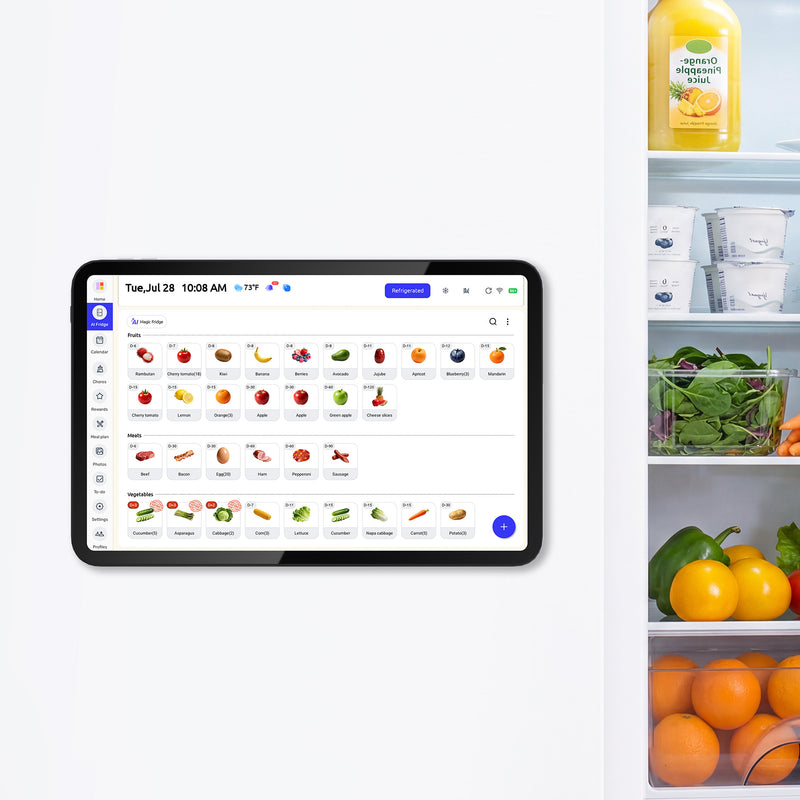
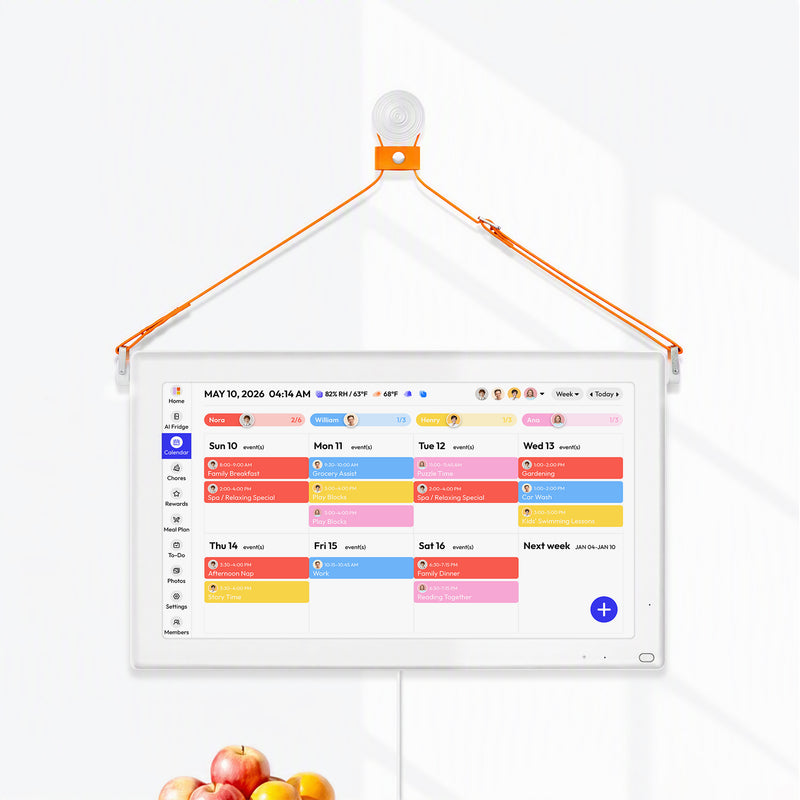
For families who want the synced plan to stay visible off phones, a wall-mounted display such as the Everblog 21.5" Digital Calendar can keep events, tasks, and chores on one large touch screen in a shared space.

Do Not Rely on Notifications Alone
The trap is assuming that because an event was added, everyone noticed it. A platform’s family calendar help notes that event notifications match a user’s primary calendar by default, but users are not automatically notified when family members create, edit, or delete events. In plain English, an edit may be visible without being noticed.
That is why a visible check-in still matters. A shared calendar is the source. The family routine is how people actually see it.
A good rule: important changes need two moves.
- Update the shared calendar.
- Point to the visible plan during the next routine check.
For example: “I changed Thursday pickup on the calendar. Let’s mark the backpack note now.”
Where to Put the Plan So Kids Actually Use It
Location matters more than most families expect. If the calendar is in a home office, but the backpack panic happens by the garage door, the system is in the wrong place.
A high-traffic decision point works better. That may be the kitchen wall, fridge side, mudroom, hallway, garage entry, or main-door area. A family command center should be where people make daily decisions about meals, bags, shoes, rides, and leaving the house.
Match the Height to the User
If only adults can read or reach the system, children will treat it like adult wallpaper. Put the main calendar around adult eye level, often with the center of the board around 57 to 60 inches from the floor. Then add a lower kid zone for checklists, lunch notes, chore cards, or “tomorrow’s stuff.”
This can be very simple:
- Adult area: 7- to 14-day calendar, meal plan, action papers
- Kid area: today/tomorrow checklist, chore cards, backpack reminder
- Launch area: hooks, baskets, shoes, sports gear, library books
The child does not need access to every detail. They need access to their next few responsibilities.
Keep the Surface Honest
A visible plan only works if it stays current. Old flyers, expired coupons, and last month’s spelling list teach everyone to ignore the wall.
Do a quick reset once a week. Remove anything that is no longer active. Move papers from “maybe” to “needs action” or recycle them. If a permission slip has no next step, it will sit there until someone panics.
A clean command center should not hold every paper in the house. It should hold the papers that change what people do.
A Weekly Rhythm That Keeps Changes From Getting Lost
The best family planning system is usually boring and repeatable. It does not require a long meeting every night. It needs a few short touchpoints that catch changes before they become problems.
Regular family meetings are one way to keep a command center useful as schedules change, and the setup process should reflect each family’s needs, lifestyle, and routines. For most busy households, that means short rhythms instead of a perfect planning session.
Try These Four Touchpoints
A realistic week can run on four checks:
- Morning check, 1 to 2 minutes: “What changed today? What needs to leave with us?”
- After-school drop, 3 to 5 minutes: “What came home? What needs signing? What moved?”
- Evening check, 3 minutes: “What is tomorrow’s leave time? What needs packing tonight?”
- Weekly reset, 10 to 15 minutes: “What is different next week? Who owns each handoff?”
These checks work because they happen near the moment of use. The after-school check catches forms while they are still in the backpack. The evening check catches uniforms before the morning rush. The weekly reset catches the odd early dismissal before the day arrives.
Give Roles, Not Vague Help
“Everyone help more” is too blurry. Kids do better with a named job.
Try assigning roles like:
- Calendar caller: reads tomorrow’s schedule after dinner
- Bag checker: confirms sports gear, library books, or instruments are by the door
- Lunch helper: checks whether tomorrow needs a packed lunch
- Paper runner: empties the backpack folder into the action zone
- Chore marker: moves completed chore cards or checks off the board

These jobs can rotate, but the work should stay visible. If the child cannot tell whether the job is done, the system is too vague.
Common Breakpoints and Simple Fixes
Most family planning systems fail in predictable ways. That is good news because the fixes are usually small.
The goal is not to build a perfect command center. The goal is to make the next change easier to see.
Breakpoint: The Calendar Has Events but No Handoffs
A calendar full of appointment names still leaves the hard work hidden.
Fix it by adding handoff details:
- Leave time
- Driver or pickup person
- Location
- Special items
- Meal impact
- Paperwork needed
- What changes from the normal routine
“Piano 4:00 PM” becomes “Piano 4:00 PM. Leave 3:35 PM. Mom drives. Bring folder. Snack in car.”
Breakpoint: Adults Update Each Other, but Kids Stay Out of the Loop
Parents may text all day and assume the household plan is handled. But kids often live downstream from those decisions. They need the updated version in a place they can see.
Fix it by making one adult responsible for transferring changes from texts and school emails into the shared calendar or command center. If both adults assume the other person did it, the plan will split again.
Breakpoint: The Board Is Too Crowded
If the command center looks like a bulletin board from three school years at once, people stop reading it.
Fix it by limiting each zone. The calendar gets the next 7 to 14 days. The action area gets only active papers. The meal area gets this week’s dinners. The launch area gets items that must leave soon.
A visible system earns trust by being current.
Action Checklist for the Next Seven Days
Use this checklist to improve one week before changing the whole household.
- Pick one visible place near a daily traffic point, such as the kitchen, entryway, mudroom, or garage door.
- Create a 7- to 14-day calendar view with school, work, activities, appointments, and known changes.
- Add handoff details to each changed event: leave time, driver, location, special items, and meal impact.
- Set up one action-paper spot for forms, bills, permission slips, and anything that needs a decision.
- Add a simple meal zone for dinners, packed lunch needs, and nights when food has to be quick.
- Give each child one visible role, such as checking tomorrow’s bag or reading the next day’s plan.
- Do a 10-minute weekly reset and remove anything expired, unclear, or no longer useful.
FAQ
Q: Why does my child forget schedule changes even after I tell them?
A: Spoken updates are easy to miss, especially during busy moments like breakfast, pickup, or bedtime. Put the change where your child can see it, and include the next action. “Swim moved to Thursday” is less useful than “Swim Thursday. Pack towel Wednesday night. Leave 4:15 PM.”
Q: Should we use a digital calendar, a wall calendar, or both?
A: Both often work best. Use the digital calendar for syncing between adults and older kids. Use the wall display or command center for daily visibility, bags, meals, papers, and kid-friendly reminders. The digital calendar stores the plan; the visible surface helps the household act on it.
Q: How much detail should kids see?
A: Show enough detail for the child to know what changes for them. Younger children may need “no bus today, Mom pickup, snack at home.” Older children can handle leave times, gear lists, and chores. Avoid crowding the board with adult-only details that do not affect their next action.
Practical Next Steps
Start with one recurring problem, not the whole family schedule. If Tuesday practices keep causing missed gear, make Tuesday visible: leave time, driver, uniform, snack, and where the bag goes.
Then add one daily check. Point to the plan at the same time each evening and ask, “What is different tomorrow?” That single question teaches kids to look for changes before the rush starts.
A visible family plan does not remove every surprise. It does make fewer surprises depend on memory, texts, and last-minute reminders. That is where schedule changes start to feel manageable for kids and less exhausting for adults.


