



For most families, fixed chores reduce sibling conflict better than frequent rotation. The lowest-conflict approach is usually stable weekly assignments with occasional, visible rebalancing.
Does dinner cleanup turn into a courtroom every night, with one child arguing that a sibling “always gets the easy job”? Families usually see the least conflict when chores are simple, visible, and predictable enough that no one has to renegotiate them every day. A good system should make expectations clear, reduce daily friction, and still feel fair over time.
Why chores trigger sibling conflict so easily
Chore battles are rarely just about the dishwasher or the trash. The deeper problem is fairness. Sibling conflict often centers on equality issues such as chores, shared resources, and whether one child feels treated more favorably than another. In real homes, that shows up as familiar flashpoints: “Why do I always do the gross job?” or “How come she got the quick one?”

A second layer is autonomy. Children usually fight less when they know what is expected and when they have some voice in how the work is divided. That is why many chore systems fail even when the chart looks organized. A chart may look neat, but if it changes too often, feels unbalanced, or depends on constant parent refereeing, the friction returns quickly.
In day-to-day family life, the lowest-stress systems are usually the ones that remove negotiation from the moment. If a child already knows that this week they unload the dishwasher and their sibling handles pets, there is much less room for nightly debate.
What fixed chores and rotating chores actually mean
A fixed chore system means each child has a stable assignment for a set period. That can be a week, a month, a semester, or even longer in larger families. The main feature is predictability: the child knows the job, the timing, and the standard.
A rotating chore system means assignments change on a schedule. Rotation can happen daily, weekly, or seasonally. In theory, that spreads unpleasant jobs more evenly and gives everyone practice in multiple household skills.
The important distinction is that rotation is not the problem by itself. Fast rotation is usually the problem. A simple, repeatable schedule tends to work better than one with too many moving parts, and weekly charts often create less confusion than daily changes tend to be easier to sustain. That pattern shows up again and again in chore systems that last.

Which system usually reduces fighting more
For reducing sibling conflict, fixed chores usually work better at first. Transparent household rules and chores lower the chance that children will turn every task into a fairness dispute, and predictable weekly assignments reduce forgetting, reminders, and arguments over whose turn it is.
That does not mean one child should wash dishes forever while another always feeds the dog. Long-term imbalance creates its own resentment. The calmer approach is stable assignments for a meaningful stretch, followed by a planned rotation. In many homes, one week is enough for younger kids to remember the job and practice it well. In larger families, a month or a season may work better because the system stays easier to manage.
System |
Best for |
Main strength |
Main risk |
Fixed chores |
Families with frequent arguing, younger kids, busy school nights |
Predictability and fewer fairness debates in the moment |
One child may feel stuck with the worst job if assignments never rebalance |
Rotating chores |
Families focused on equal exposure and skill-building |
Spreads undesirable jobs and teaches more household skills |
Too-frequent changes create confusion and invite daily negotiation |
Fixed-for-a-while, then rotate |
Most families |
Combines calm routines with long-term fairness |
Needs a visible reset point so rotation actually happens |
In practice, the hybrid model tends to hold up best. Children need enough repetition to stop asking, “What am I supposed to do again?” but they also need confidence that chores will not stay lopsided forever.
Why weekly stability beats daily switching
Families often assume more rotation means more fairness. It sounds logical, but daily switching can backfire because it forces children to revisit fairness every single day. When assignments change too often, children need more reminders, compare jobs more often, and watch siblings more closely. That constant comparison is where the fighting starts.
This matches what many parents see firsthand. A child who has “dishwasher week” usually settles in by day two. A child who has a different job every day is more likely to forget the routine and restart the fairness debate.
Weekly stability also makes it easier to pair chores with routine. If unloading the dishwasher always happens before school and pet care always happens after dinner, the work feels less like a surprise and more like part of family life. Fixed routines for mornings, after school, and bedtime support that kind of predictability.
When rotation is the better choice
Rotation becomes especially helpful when one job is clearly more annoying, dirtier, or more time-consuming than the others. If the same child always handles the litter box, bathroom trash, or post-dinner wipe-down, resentment builds even if that child is capable. In those cases, rotation protects trust because everyone can see the load will eventually rebalance.

Rotation also matters for skill-building. A family that never rotates may raise one child who can sort laundry but not clean a bathroom, and another who can vacuum but not manage the dishwasher. Periodic rotation can reduce boredom and keep children engaged, and it helps spread practical household competence over time.
The key is pacing. A chore wheel can rotate daily or weekly, but slower rotation usually creates less conflict. If you want the fairness benefits of rotation without the nightly arguing, slow the cycle down.
How to choose the right system for your family
The best question is not “Which system is best?” but “What kind of conflict are we trying to stop?” If your home runs on repeated arguments, forgotten jobs, and constant reminders, start with fixed assignments. If your main problem is one child feeling stuck with the worst work, use rotation on a slower schedule.
A simple test helps. If your children are under about 10, if weeknights are packed, or if your current chart requires daily explanation, choose fixed jobs for one full week. Younger kids usually do better with repetition and visual certainty.
If you have older children, uneven chore difficulty, or strong fairness complaints, use a weekly rotating system and make the balance visible. It helps to compare total effort instead of identical tasks. Balanced chores do not have to be identical to feel fair. One child may wipe counters and sweep, while another unloads the dishwasher and takes out the trash, as long as the workload feels roughly even across the week.

Buy-in matters too. Child input improves ownership and reduces objections, and participatory assignment makes the system feel fairer. Even a short Sunday check-in can prevent a lot of midweek resentment.
A low-conflict setup that works in real life
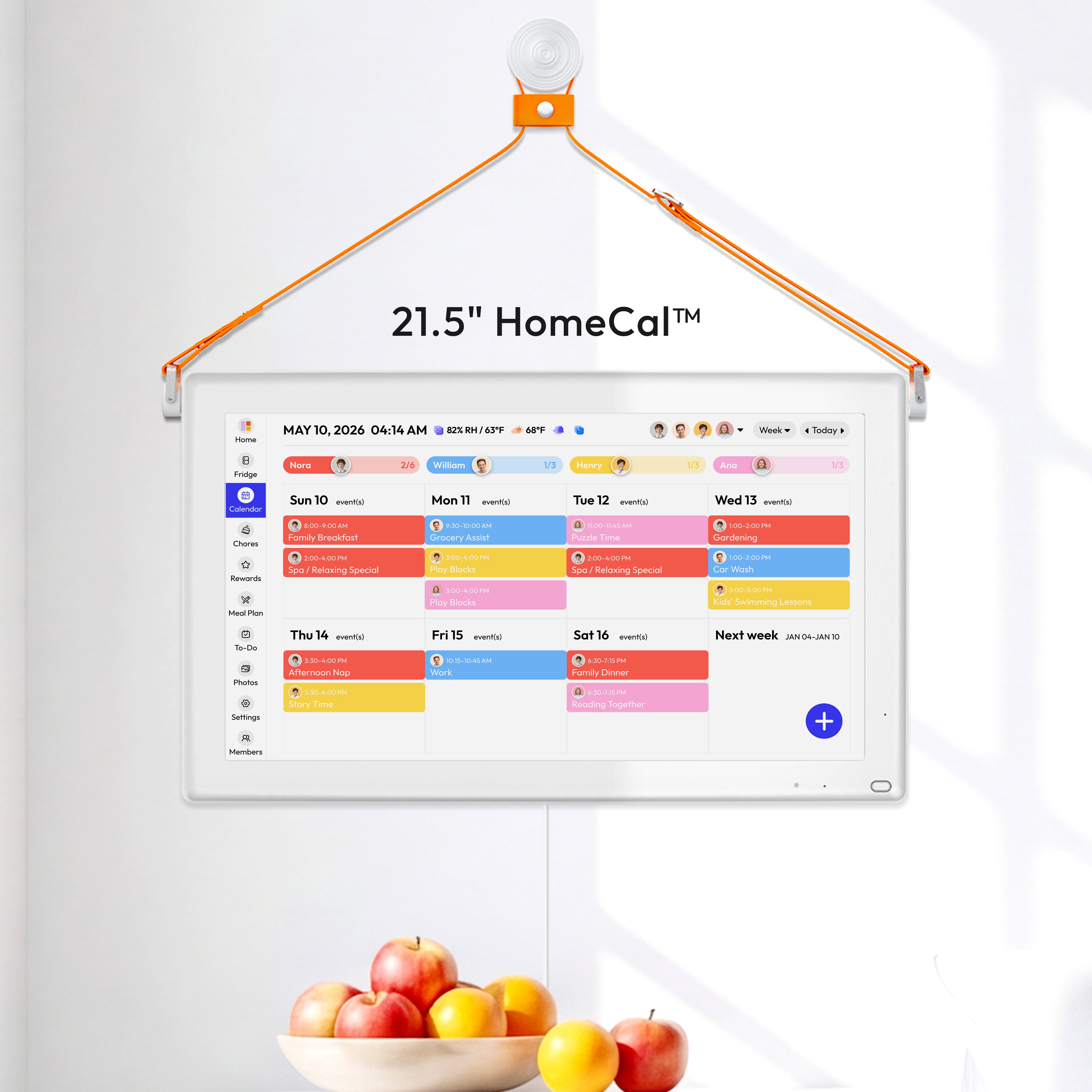
The calmest version is usually a family command-center approach. Put the chart where everyone can see it, keep core chores unpaid, and reserve money for optional extra jobs if you want to teach earning. Shared responsibility works better when chores are visible and central, while separating household responsibilities from paid extras keeps the basic message clear: everyone helps because everyone lives here.
A good starting model is this: give each child one or two core jobs for the week, attach those jobs to consistent times, and rotate only on Sunday evening. If a child has soccer practice or a heavy homework night, do not reopen the whole system. Just swap help for that one night and return to the normal assignment the next day. That keeps flexibility from turning into chaos.
It also helps to define “done” in plain language. “Clean the kitchen” starts arguments. “Put leftovers away, wipe the table, and sweep under the chairs” leaves far less room for sibling disputes or parental rework.
The bottom line
If your main goal is less sibling fighting, start with fixed chores for a full week and rotate later, not constantly. Children fight less when the system feels clear today and fair over time, which is exactly what a steady, visible, family-centered routine is meant to provide.


