


Chore gamification works best when it turns household tasks into visible progress, shared wins, and small rewards without making family life feel like a scoreboard.
Does the kitchen counter keep collecting lunch boxes, mail, and “I’ll do it later” chores while everyone insists they did not know what needed doing? A simple quest-style system can make responsibilities easier to see, easier to start, and easier to celebrate within one week. Here is how to choose the right apps, fridge calendars, and low-tech game mechanics so chores feel less like nagging and more like teamwork.
What It Means to Gamify Chores
Gamifying chores means borrowing useful pieces from games, such as quests, points, levels, streaks, avatars, timers, and rewards, then attaching them to real household tasks. The goal is not to trick kids or adults into endless productivity. The goal is to make invisible work visible, reduce repeated reminders, and help everyone feel progress.

A good family system answers three questions calmly: What needs to be done, who owns it, and what happens when it is finished? A roleplaying-style task app can turn habits, chores, goals, and to-dos into an experience where completed real-life actions create in-game progress. That structure is useful at home because a child can understand “feed the pet, earn gold, level up” faster than “please contribute consistently to household maintenance.”
Why RPG-Style Chores Can Help Families
Many chore conflicts are not really about laziness. They are about unclear expectations, boring repetition, and one parent carrying the mental list. A shared system removes some of that emotional weight because the task becomes external: it is on the screen, chart, or app, not trapped in someone’s head.
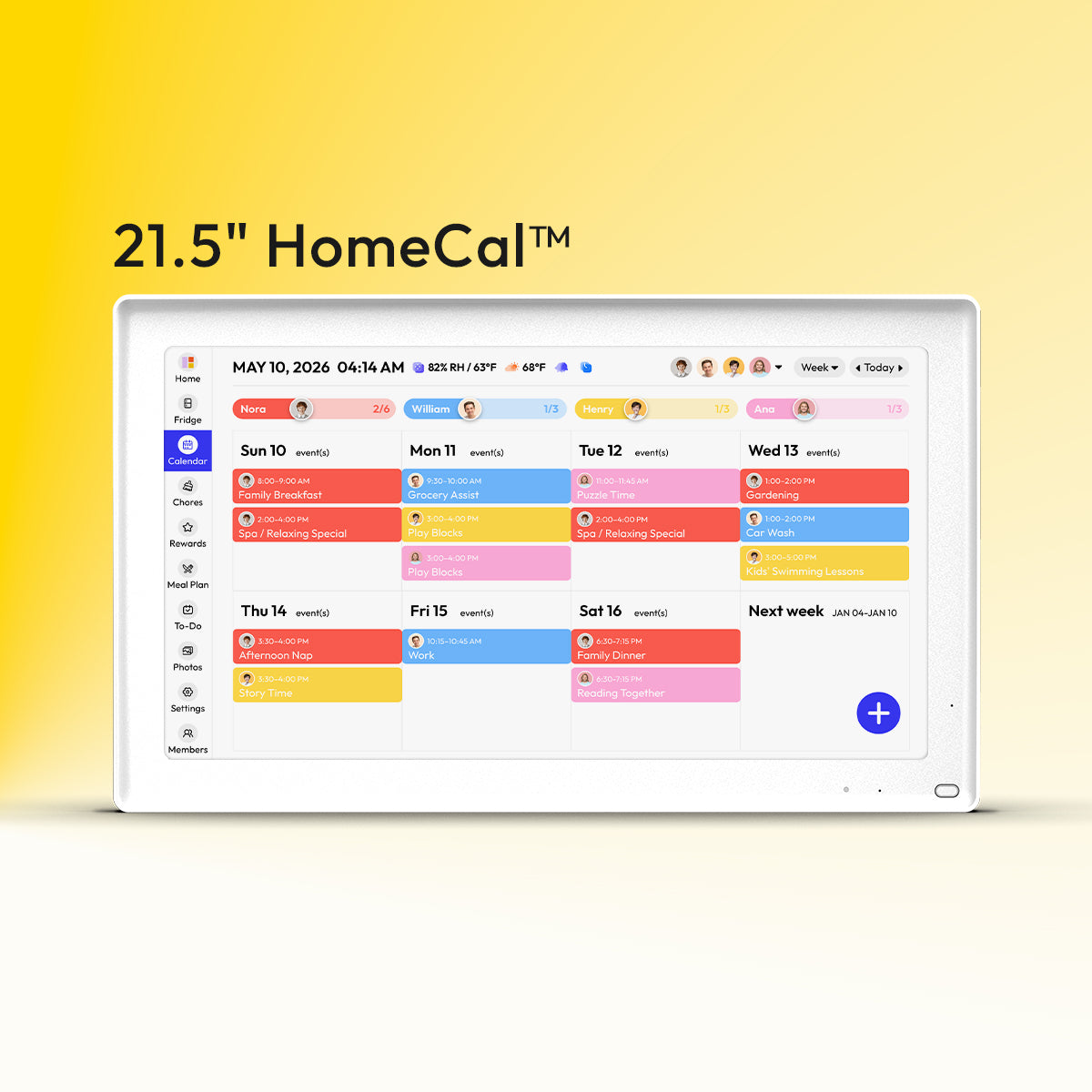
Digital family calendars are built for this visibility problem, because digital wall calendars place household schedules in a shared physical spot instead of hiding them inside individual phones. In practice, the best location is usually the kitchen, breakfast area, or mudroom. If the “quest board” is in a home office nobody visits before school, it will not change the morning routine.
Gamification also gives families a gentler way to talk about effort. Instead of “you never help,” the conversation can become “your daily quest is still open.” That small language shift does not solve every conflict, but it lowers the temperature.
The Best Tools for Turning Chores Into Quests
RPG Apps for Quest-Minded Families
An RPG-style chore app is the strongest fit when your family likes avatars, pets, gear, experience points, and fantasy-style progression. The app listing describes retro RPG game mechanics, where users create an avatar, add habits or chores, and earn rewards such as gold, experience, items, pets, and gear when they complete real tasks.

For a household, you might create daily quests for feeding pets, packing backpacks, clearing dishes, and reading for 20 minutes. Weekly quests could include taking trash bins out, changing sheets, or helping plan one dinner. A one-time “boss fight” might be cleaning the garage for 45 minutes as a family.
The advantage is motivation and accountability, especially for kids or adults who enjoy visible progress. The downside is setup. If nobody maintains the task list, the game loses meaning. Keep the first version small: five daily chores, three weekly chores, and one family reward.
Smart Fridge Calendars for the Family Command Center
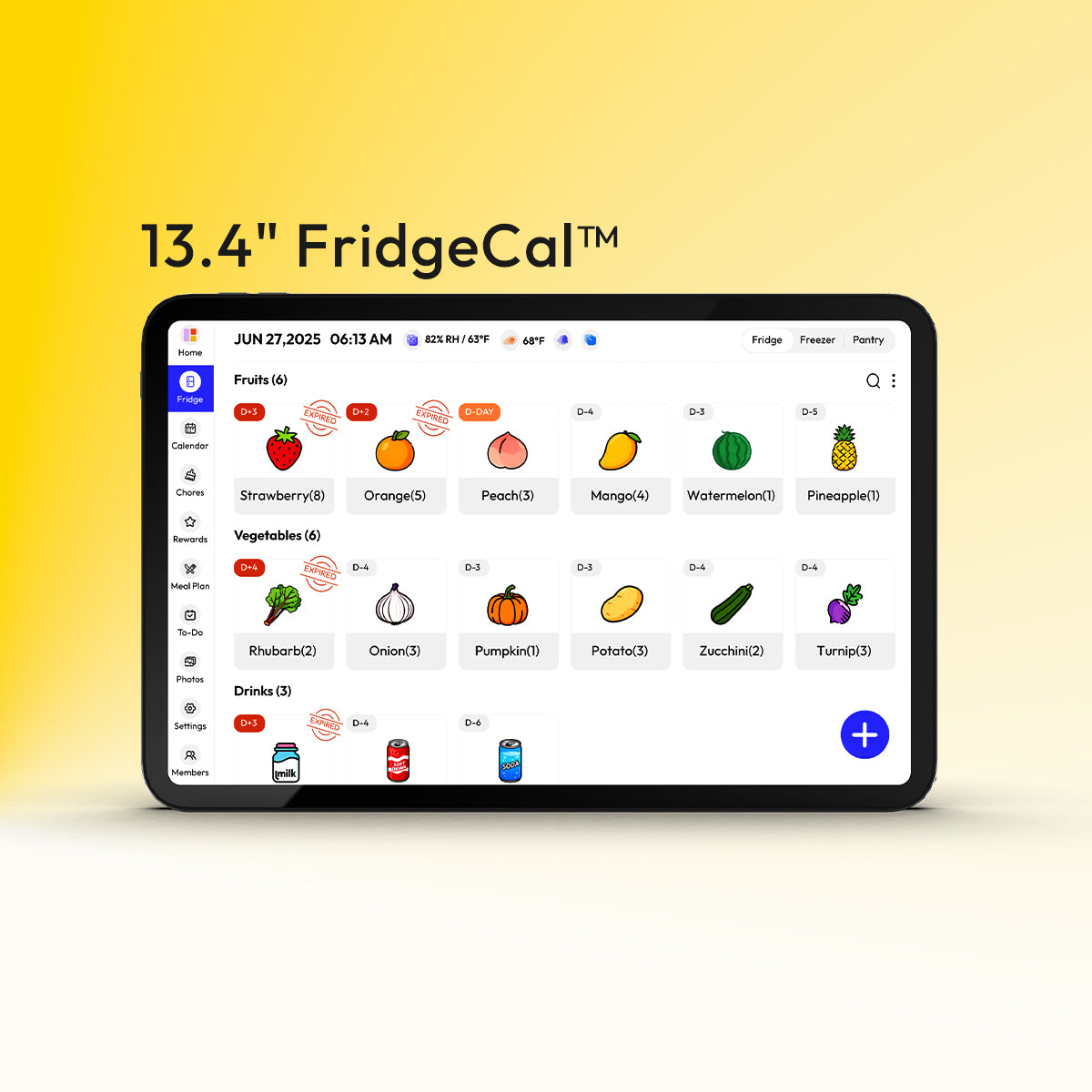
A smart fridge calendar is less about fantasy and more about shared visibility. A 13.4-inch magnetic digital fridge calendar, for example, can combine calendar syncing, color-coded family members, chore charts, rewards, grocery lists, and meal planning in one place. That matters because chores rarely live alone; they are connected to soccer practice, dinner plans, school projects, laundry, and bedtime.

The strongest use case is a household where people already pass the fridge several times a day. A child can check a color-coded chore, a parent can add a grocery item, and the family can see tonight’s dinner without five separate conversations. Digital family calendars commonly include calendar syncing, chore charts, mobile apps, color coding, meal planning, grocery lists, and rewards, but they vary widely in price and size.
A practical setup would make each child’s chores appear in their own color, with an evening check-in after dinner. Rewards should be visible but modest: choosing Friday’s movie, earning extra bedtime reading, picking Saturday breakfast, or saving points toward a larger family outing.
Low-Tech Chore Games for Younger Kids
Apps are not required. Many families do better with a timer, index cards, and a visible chart. Chore games can use points, challenges, timers, random draws, and friendly competition to make cleaning more approachable for kids and teens.
For example, a “10-minute reset” after dinner can turn into a mini quest. One person clears the table, one loads dishes, one wipes counters, and one resets backpacks by the door. When the timer ends, the family checks the board together. Nobody needs a perfect score; the win is a calmer kitchen and a smoother morning.
Low-tech systems work especially well for children who become distracted by screens or who need movement. The downside is that paper systems require someone to update them. If the chart becomes stale, the game quietly disappears.
How to Build a Chore RPG That Actually Works
Start with behaviors, not vague hopes. “Help more” is too fuzzy. “Put shoes in the entry bin before dinner” is concrete. “Clean your room” may be too large for a younger child, while “put dirty clothes in the hamper and books on the shelf” is easier to complete.
Effective gamification should support real progress, because good systems make progress visible and give quick feedback instead of just adding points to a broken routine. At home, that means the points should reward actions you truly want repeated. A five-minute task might earn 5 XP, a chore that prevents tomorrow’s stress might earn 20 XP, and a high-resistance family project might earn 50 XP.

Keep rewards close enough to matter. If a child needs 500 points before anything good happens, the system will feel impossible. If every tiny task earns a major prize, the rewards become expensive and distracting. A balanced home system might let 25 points choose a dessert, 50 points choose a family game, and 150 points help plan a weekend activity.
Pros and Cons of Gamifying Family Life
Approach |
Best For |
Watch Out For |
RPG chore app |
Kids, teens, and adults who enjoy avatars, levels, and quests |
Too many tasks can make the app feel like homework |
Smart fridge calendar |
Busy families needing one shared command center |
Cost and subscriptions can outweigh benefits if the family will not check it daily |
Timer-based chore games |
Younger kids and quick room resets |
Competition can backfire if one child always “wins” |
Points and rewards chart |
Families wanting flexibility without new tech |
Rewards need regular tuning so they stay fair and affordable |
The biggest benefit is reduced friction. Chores become clearer, progress becomes visible, and success gets noticed. The biggest risk is overdesign. If the system requires a parent to act like a full-time game master, it will create more work than it removes.
When Gamification Is the Wrong Tool
Some resistance is not solved by points. A forum discussion on task gamification raises a useful caution: when a person sees a task as pointless or irrelevant, arbitrary rewards may not be enough. In family terms, a child may need to understand why the chore matters. “Put your laundry away so you can find your soccer uniform tomorrow” is more meaningful than “do it for 10 points.”
Gamification should also stay away from sensitive areas if it could create pressure or shame. Chores, routines, reading, music practice, homework starts, backpack resets, and pet care are usually safer targets. Food restriction, weight, or punishment-heavy systems can become emotionally loaded very quickly.
A Simple Family Chore RPG to Try This Week
Choose one shared “quest board,” whether that is an RPG app, a digital fridge calendar, a dry-erase chart, or a spreadsheet. Add only the chores that cause repeated stress: dishes, laundry handoff, backpacks, pet care, trash, homework materials, and bedtime reset. Give each task a clear owner and a short completion standard, such as “counter is clear” or “lunch box is emptied.”
Then create a daily rhythm. Check the board once after school and once after dinner. Use small rewards during the first week so the system teaches momentum quickly. After seven days, remove chores nobody understands, adjust point values for tasks that were harder than expected, and keep the parts that reduced reminders.
FAQ
Is an RPG Habit App Good for Family Chores?
An RPG habit app can work well if your family enjoys game mechanics and visible progress. It is especially useful for recurring chores, personal habits, and shared accountability, but it needs a simple setup and regular maintenance.
Are Digital Fridge Calendars Worth It?
They are most worthwhile when the family already uses digital calendars and needs a shared display in a high-traffic space. If your family will not look at the screen daily, a cheaper wall chart may work better.
Should Chores Have Rewards?
Rewards can help start a routine, especially for children, but they should not replace family responsibility. The healthiest systems pair rewards with belonging: everyone helps because the home works better when the work is shared.
Gamifying chores is not about making home life louder or more complicated. Done well, it gives the family a shared map, a few small wins, and a calmer way to move through the daily work of living together.


