



A 4-year-old is far more likely to clean up when the job feels like a short game with a clear finish line, a familiar song, and one simple instruction at a time.
Does the playroom look calm at 3:00 PM and then somehow turn into a block-and-stuffed-animal obstacle course by dinner? At this age, a cleanup routine can become smoother within days when the cue, game, and storage spots stay consistent. Here is a practical way to turn toy pickup into a family rhythm instead of a daily standoff.
Why Cleanup Feels So Hard at Age 4
Four-year-olds are not usually refusing cleanup because they are lazy or “bad listeners.” They are still learning how to shift attention, sort objects, follow multi-step directions, and stop a fun activity before they feel done. That is why “clean this room” often lands as too big, while “put the blocks in the blue bin” feels possible.

Parenting guidance emphasizes that cleanup requests should be specific, calm, and directed at the child rather than framed as a question. In everyday terms, “Do you want to clean up?” invites a very honest “no.” “Blocks go in the basket” gives the brain a path.
The goal is not a picture-perfect playroom. The goal is a child who can practice responsibility, feel capable, and rejoin the family flow without everyone ending the day tense.
Define the Game Before You Start
For a 4-year-old, toy cleanup works best when it has three parts: a cue, a tiny task, and a visible home for the toy. The cue might be a song, a timer, or a line you say every day. The tiny task might be “cars into the garage bin.” The visible home might be a low basket with a picture label.
A cleanup game is simply a playful structure that makes the next action obvious. One parenting resource shares several ways to make cleanup playful, including dice, music, timers, and pretend play, and the strongest idea is that children can participate in routines when the task fits their age and ability.
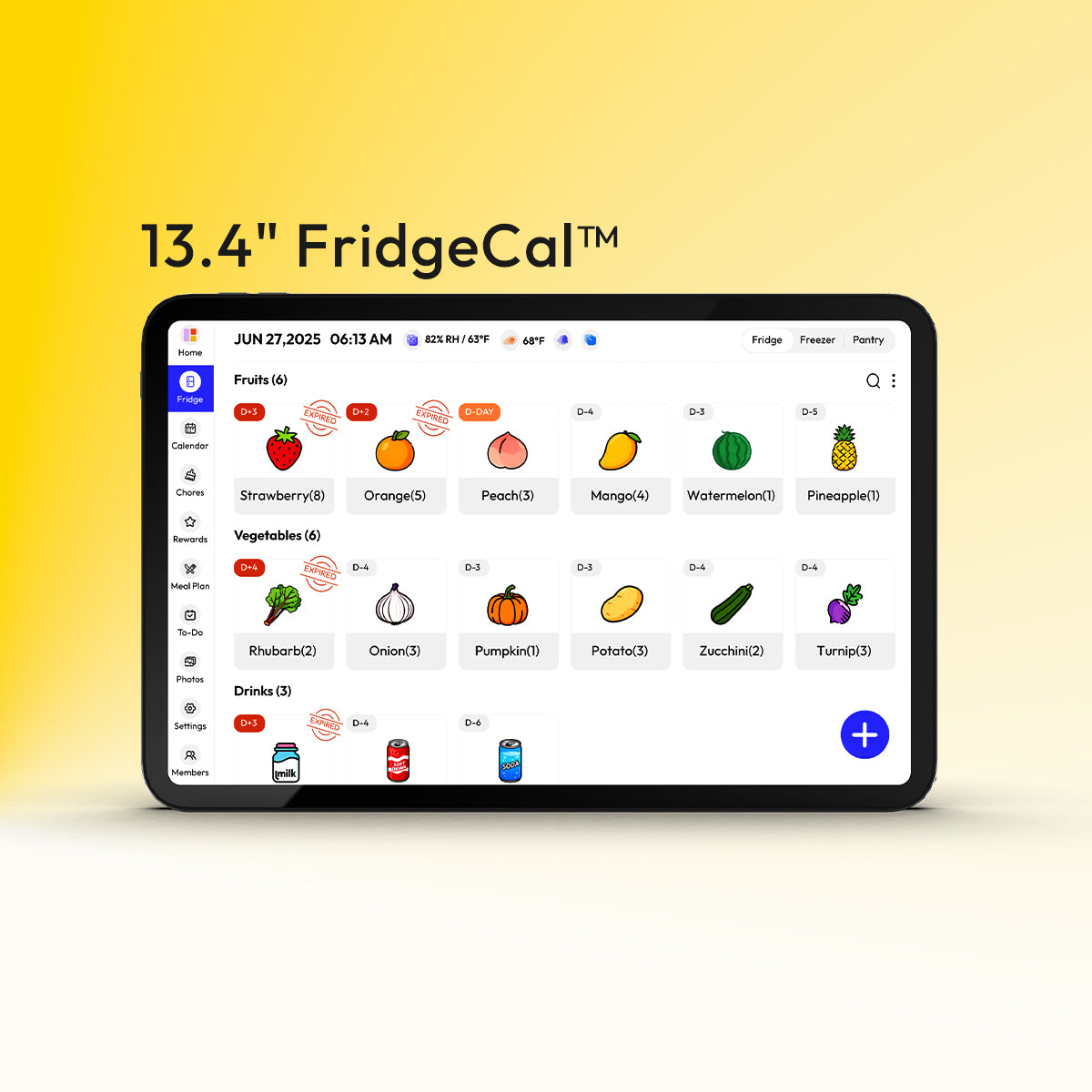
A smart digital fridge calendar can help because it turns cleanup from a surprise command into a predictable transition. When the family calendar shows “Toy Reset” before dinner or bath, the child begins to recognize that cleanup is not random punishment. It is just what happens next.

The Music Method: Use Songs as a Gentle Transition
Music works because it gives cleanup a beginning and an end. Instead of negotiating every step, you press play and the song becomes the signal. For many families, this reduces the emotional weight of the request.
A cleanup song can be a familiar children’s song, a favorite upbeat pop song, or a short playlist labeled “Toy Time Reset.” The key is consistency. One toy-focused resource notes that a cleanup song can work as a predictable audio cue, helping children connect tidying with a positive routine.
In practice, keep the first song short, ideally around two to four minutes. If the room is very messy, do not expect one song to solve everything. Use the first song for one category, such as blocks. Then choose whether the child has enough energy for a second round.
A Real-World Music Script
Try this before dinner: “When the song starts, all the animals go to their basket. When the song ends, animals are sleeping.” Start the music, clean beside your child for the first 20 seconds, then let them continue while you stay nearby.
If your child freezes, reduce the task. Say, “Find one bear.” After that, say, “Now one more.” Momentum matters more than speed.
The Best Games for 4-Year-Old Cleanup
The best cleanup games for this age are short, physical, and easy to understand. They should not require complicated scoring or adult tracking. The point is to make the next toy obvious.
Game |
How It Works |
Best For |
Watch-Out |
Color Hunt |
“Find all the red toys before the music stops.” |
Mixed toy piles |
Skip if colors frustrate your child |
Toy Bedtime |
“Cars sleep in the garage, dolls sleep in the basket.” |
Evening routines |
Keep it calm before bed |
Beat the Timer |
“Can blocks get home before the beep?” |
High-energy kids |
Use short timers to avoid pressure |
Dice Pickup |
Roll a die and pick up that many toys. |
Overwhelming messes |
Use a large foam die if possible |
Freeze Cleanup |
Clean while music plays, freeze when it stops. |
Kids who love movement |
Avoid if stopping triggers silliness |

Another parenting resource recommends making cleanup manageable by starting with only a few categories, because the task feels manageable when children know exactly what is expected. For a 4-year-old, “four toys first” is a simple rule. It matches the child’s age and creates a small win.
Pros and Cons of Music and Games
Music and games are not tricks. They are supports. The upside is that they lower resistance, create repetition, and help children practice sorting, listening, and finishing. They can also turn cleanup into connection, especially when a parent joins for the first minute.
The downside is that games can become too exciting if cleanup happens right before bed. A race can also backfire if a child feels rushed or loses. Some children do better with calm music and pretend play than with timers. Others love a timer because it feels neutral and clear.
The practical rule is simple: use high-energy games earlier in the day and calmer routines at night. Before bedtime, “toy bedtime” usually works better than “race the clock.”
Make the Room Easy Enough for a 4-Year-Old to Reset
No song can fix a storage system a child cannot use. If bins are too high, categories are too specific, lids are stiff, or every basket is overflowing, cleanup will depend on adult labor.
Accessible storage is a recurring recommendation across family organization sources. One cleaning resource notes that labeled bins or baskets help children sort toys by category and make cleanup easier. For a preschooler, picture labels are even stronger than words alone.
Keep categories broad. Blocks, cars, animals, pretend food, dolls, and art supplies are enough for most homes. Avoid making a separate bin for every tiny theme. A 4-year-old can maintain “animals,” but “jungle animals,” “farm animals,” and “sea animals” may be too much after a long day.
Use the Smart Fridge Calendar as the Family Anchor
A smart digital fridge calendar is especially helpful because it turns cleanup into a shared household signal. Set a daily “5-Minute Toy Reset” before dinner, bath, or screen time. Use the same icon, the same song, and the same short phrase.

For example, the calendar might show “5:20 PM Toy Reset” with a music note icon. When it appears, your child chooses between “Color Hunt” and “Toy Bedtime.” That small choice gives agency without making cleanup optional.
This matters because many 4-year-olds resist transitions more than tasks. A visible schedule says, “This is the rhythm of our home,” not “An adult suddenly interrupted your play.”
What to Say When Your Child Says No
Stay calm and shrink the task. A useful response is, “You do not have to clean everything. Put the dinosaurs in their bin.” Then pause. Parenting guidance recommends giving young children a few seconds to process after a request, because they may need more time than adults before they act.
If there is still no movement, repeat the direction once with a logical consequence. “Dinosaurs go in the bin, or dinosaurs rest on the shelf until tomorrow.” The consequence should connect directly to the toy, not become a sweeping punishment that makes the evening worse.
Praise should be specific. “You put three dinosaurs in the bin” teaches more than “good job.” It tells your child exactly what worked.
When Rewards Help and When They Don’t
Rewards can help when they are small, visual, and tied to effort. A sticker after cleanup or choosing the bedtime story can reinforce the habit without turning every task into a transaction. Some early-childhood resources suggest simple visual rewards and toddler-friendly privileges, with the reward framed as thanks for effort rather than a bribe.
The risk is overusing rewards until the child expects payment for every household contribution. Keep the emotional center on belonging: “Everyone helps our home feel ready for dinner.” The reward is a bridge while the routine is still new, not the whole reason to participate.
A Calm 10-Minute Cleanup Routine That Fits Family Life
Start with a warning: “In five minutes, toys go home.” When the calendar cue appears, let your child choose the game. Start one short song and name one category. Clean beside them briefly, then step back while staying warm and available.
After the first song, stop and notice progress. If the floor is safer and the main toys are home, that may be enough. If more cleanup is needed, choose one final category. End with a simple closing phrase like, “The room is ready for tomorrow.”
A 4-year-old does not need a perfect system. They need a repeatable one. When music, games, clear bins, and a visible family schedule work together, cleanup becomes less about control and more about practicing care for the home you share.


