


A calm, reliable system for IEP meetings and therapy tracking starts with one shared calendar, one organized record hub, and a simple weekly review. When school services, private therapy, evaluations, and home observations follow the same routine, you can walk into meetings with less stress and better evidence.
Did you find the speech therapy note in your car, the OT bill in your email, and the IEP meeting notice on the fridge five minutes before bedtime? A practical tracking system can help you find the current IEP, recent progress notes, therapy dates, and parent concerns in minutes instead of rebuilding the story from memory. This guide gives you a parent-friendly way to organize meetings, services, and follow-up without turning your kitchen counter into a paperwork command center.
Why IEP and Therapy Tracking Matters
An Individualized Education Program is a written plan for a child who qualifies for special education, and it must describe learning goals, services, supports, and how progress will be measured. The IEP has two main purposes: setting reasonable learning goals and stating the services the school district will provide.
For parents, the challenge is rarely one single meeting. It is the steady stream of dates, reports, service minutes, doctor notes, therapy updates, school emails, and small observations that matter later. A child may have speech therapy on Tuesdays, occupational therapy every other Friday, a behavior support check-in once a month, and an annual IEP review in March. If those pieces live in separate places, it becomes harder to answer the question that matters most: “Is this plan helping my child make meaningful progress?”

The goal is not perfect paperwork. The goal is a trusted family system that lets you see what happened, what was promised, what changed, and what needs attention next.
Start With Clear Definitions
An IEP meeting is a team meeting where parents and school staff review a child’s needs, goals, services, placement, accommodations, and progress. Parents are part of that team, not guests in the room.
A therapy appointment may be school-based, such as speech-language services written into the IEP, or outside therapy, such as private OT, counseling, feeding therapy, ABA, physical therapy, or tutoring. Both can matter. School teams need educationally relevant information, while outside providers can offer practical observations about what helps your child communicate, regulate, learn, or participate.
An IEP binder is a physical or digital place where you keep the child’s IEP documents, evaluations, communication, progress reports, therapy notes, and meeting records. An IEP binder helps parents prepare for meetings, monitor progress, and collaborate more effectively with the school.
Build One Calendar Your Family Actually Uses
A family calendar works best when it has one official place where new events are entered. This can be a shared phone calendar, a dedicated family organizer app, or a smart display in the kitchen. The tool matters less than the rule: one source of truth.
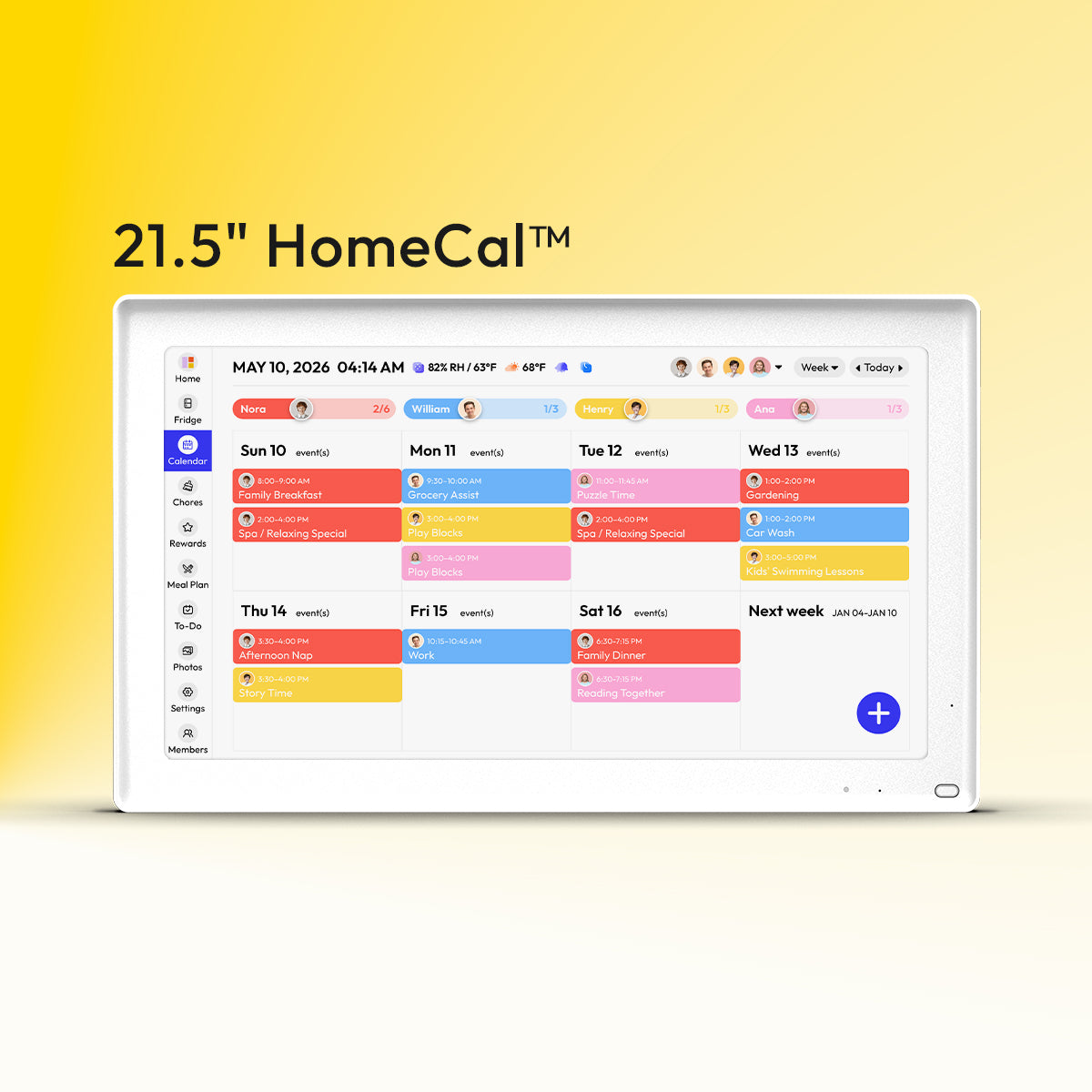
Digital wall calendars can help because they put shared schedules where the family can see them, and shared schedules on a large screen can reduce the gap between a parent’s phone calendar and household awareness. For special needs families, that visibility can be especially useful during high-transition times, such as school mornings, therapy afternoons, and Sunday night planning.

A simple setup might use blue for school meetings, green for therapy, red for deadlines, and gray for paperwork tasks. If your child benefits from predictability, include visual labels such as “speech,” “doctor,” “school meeting,” or “home day.” Keep event titles private but useful. “IEP annual review” is usually better than a title that includes sensitive diagnostic or student ID details, especially if the display is visible to visitors, sitters, or extended family.
Calendar Options Compared
Option |
Best For |
Pros |
Cons |
Shared phone calendar |
Families already using shared calendar platforms |
Low cost, easy reminders, works across devices |
Easy for one parent to carry the whole mental load |
Digital wall calendar |
Busy households that need visible routines |
Central display, color coding, quick family check-ins |
Often costs several hundred dollars or more |
IEP binder plus calendar |
Families managing many documents |
Strong paper trail and meeting prep |
Requires a filing habit |
Therapy scheduling apps |
Private therapy coordination |
Automated reminders and recurring appointments |
May be controlled by the provider, not the parent |
For private therapy, many practices use scheduling systems with reminders, recurring visits, client portals, and calendar sync. Scheduling tools for therapists commonly emphasize automated reminders because missed sessions and last-minute confusion create stress for both families and providers. Ask whether your provider can send calendar invites, text reminders, or recurring appointment confirmations.
Create a Parent Record Hub
Your calendar tells you when something happens. Your record hub tells you what happened.
A practical IEP binder should include the current IEP, older IEPs, evaluations, progress reports, meeting notes, prior written notices, behavior plans, therapy summaries, medical notes relevant to school, and a communication log. The centralized record system is useful because IEP decisions should be based on documented data, not memory alone.
Physical binders are helpful in meetings because you can flip to a page quickly and hand someone a copy. Digital folders are easier to search, share with a co-parent, and update from your phone. The strongest system is often hybrid: keep the most current IEP, latest evaluations, and recent progress reports in a physical binder, while storing full archives in labeled digital folders.
For example, a parent might name files “3/12/2026 IEP Annual Review,” “4/2026 Speech Progress Note,” and “5/9/2026 Parent Email Reading Concern.” That naming pattern makes the timeline visible before you even open the folder.
Track Progress, Not Just Appointments
It is easy to track whether a meeting happened. It is harder, and more important, to track whether the plan is working.
IEP goals should be measurable, tied to present levels of performance, and reviewed through data. Families can ask for updated progress reports if they are missing, and parents may request an IEP team meeting at any time when they believe progress is not on track.

A parent-friendly progress note can be short. After therapy, write the date, service, skill practiced, what helped, what was hard, and one question for the team. For instance: “May 7, speech therapy, practiced two-step directions. Visual choices helped. Child became frustrated after 20 minutes. Ask school if visual choices are being used during classroom directions.”
This kind of note is not a formal evaluation, but it helps you notice patterns. If three therapy notes mention fatigue after lunch and the school meeting is scheduled right after lunch, you have a practical reason to ask for a different meeting time or to discuss afternoon supports.
Prepare Before, During, and After IEP Meetings
Before the meeting, gather the current IEP, recent progress reports, private therapy notes, evaluations, and your top concerns. Parents preparing for an IEP meeting should write down concerns, document challenges, request proposed goals or evaluations in advance when possible, and bring outside evaluations or relevant records. IDEA also gives parents the right to request a school evaluation for suspected disability needs at no cost to the family through the school evaluation process.
During the meeting, take notes in plain language. Write down who attended, what decisions were made, what was declined, what data was discussed, and what follow-up is promised. If a term is unclear, ask for it to be explained before moving on. Calm clarification is not confrontation; it is how a team stays aligned.

After the meeting, file the documents immediately. Add deadlines to the calendar, including expected start dates for services, progress report dates, reevaluation timelines, and follow-up emails. If you agreed to send a therapy report by Friday, put that task on the same calendar where you track the meeting. A system only lowers stress when it captures the next action.
Use Smart Fridge Calendars and Displays Wisely
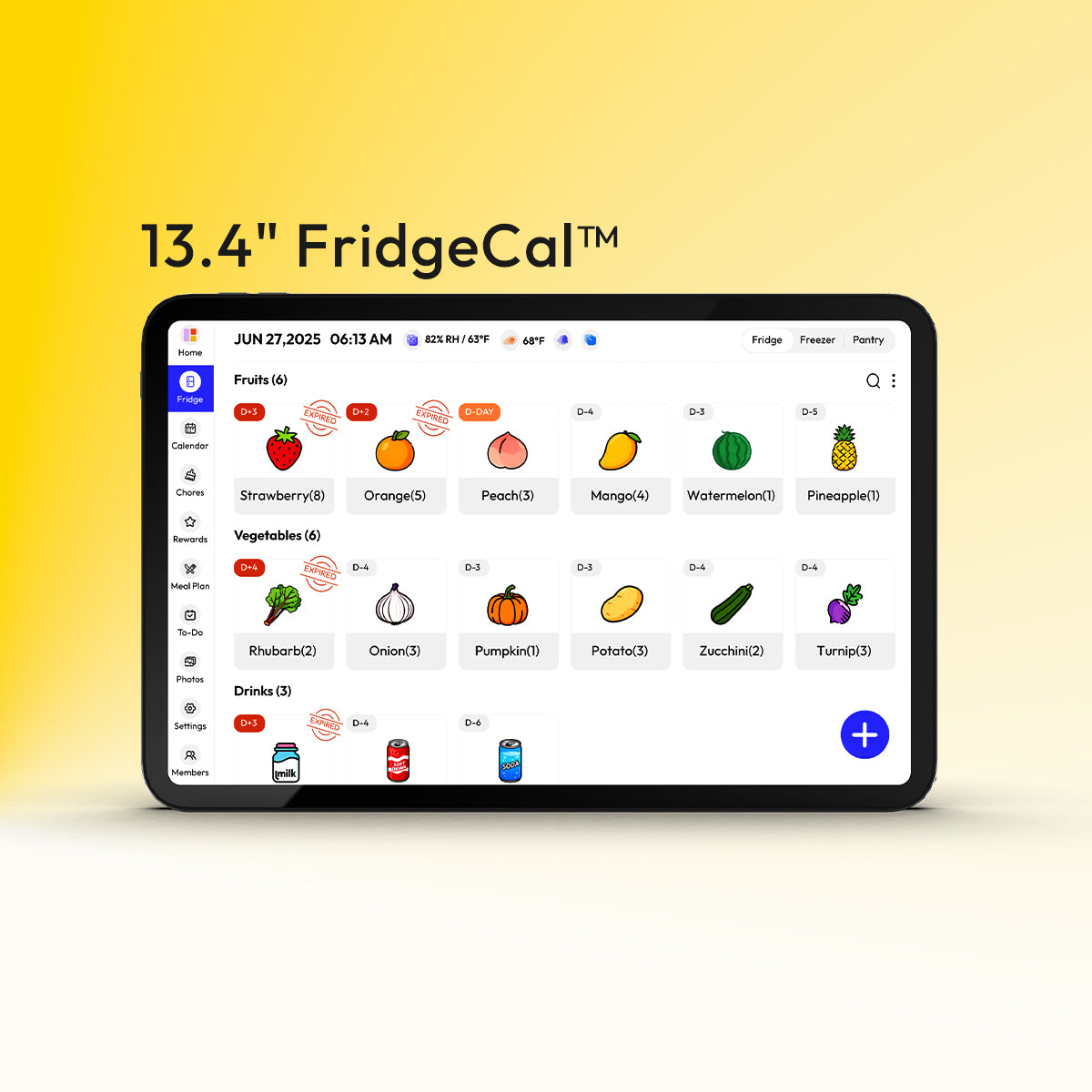
A smart digital fridge calendar or kitchen display can be a family anchor because the kitchen is often where backpacks, meals, medications, and morning transitions meet. Some smart displays are designed for events, chores, dinner plans, tasks, and lists, and their auto-synced calendars can bring schedules from multiple devices into one shared view.
The benefit is visibility. A child can see that therapy comes after snack. A co-parent can see the IEP meeting before scheduling work travel. A grandparent helping with pickup can see only the transportation calendar, without needing access to private medical details.
The drawback is privacy and cost. A wall display should not expose sensitive evaluation details, therapy notes, or school links. Use short event names, separate private calendars from household calendars, and share only what each helper needs. If the device costs several hundred dollars, the question is not whether it looks helpful, but whether your family will use it every morning and evening.
Weekly Review: The 15-Minute Habit
Choose one consistent time each week, such as Sunday at 7:30 PM or Monday after school drop-off. Open the calendar, scan the next two weeks, and check whether any IEP deadlines, therapy appointments, medication refills, school forms, or transportation changes need attention.
Then open the record hub. File anything loose from backpacks, email, provider portals, or your phone photos. Add one short parent observation if something important happened. If your child had three difficult homework nights, write that down with dates. If a new visual routine helped mornings, capture that too.
This weekly rhythm keeps small details from becoming a crisis before the next meeting. It also protects family connection. When the system holds the reminders, the parent does not have to carry every date alone.
FAQ
How often should I update the IEP binder?
Update it whenever you receive a new IEP, evaluation, progress report, prior written notice, therapy summary, or important school communication. If that is too much in real time, use the weekly review to file everything at once.
Should private therapy notes go to the school?
Share them when they help explain educational needs, successful supports, communication strategies, sensory patterns, or progress concerns. Keep private medical details out unless they are relevant to school planning.
What if the IEP goals are vague?
Ask how each goal will be measured, what the current baseline is, how often progress will be reported, and what data will show that the child is on track. SMART goals are easier for families and teams to review because they make progress more concrete.
A Calmer Way Forward
Tracking IEP meetings and therapy is not about becoming more organized for its own sake. It is about giving your child’s team a clearer picture, giving your family fewer last-minute scrambles, and giving yourself a steadier way to advocate from facts instead of exhaustion. One calendar, one record hub, and one weekly review can make the whole process feel more manageable.


