


When a custody change happens fast, the calmest response is usually a visible one: update the plan in one shared place, keep the message short, and let the child see what stays the same.
Is your evening blowing up because pickup changed at 3:45 PM, dinner is half-made, and your child is already asking, “So where am I sleeping tonight?” Families tend to handle these moments better when the schedule lives in one visible, shared system instead of scattered texts and memory. You’ll leave with a simple way to show the change, protect routines, and lower the temperature for everyone in the house.
Why last-minute custody swaps feel bigger than they are
A last-minute custody swap is a short-notice change to the normal parenting schedule, whether that means switching pickup times, changing the exchange location, or moving an overnight. The practical problem is not only the change itself. The real stress comes from uncertainty, mixed messages, and children sensing adult tension before they understand the plan.
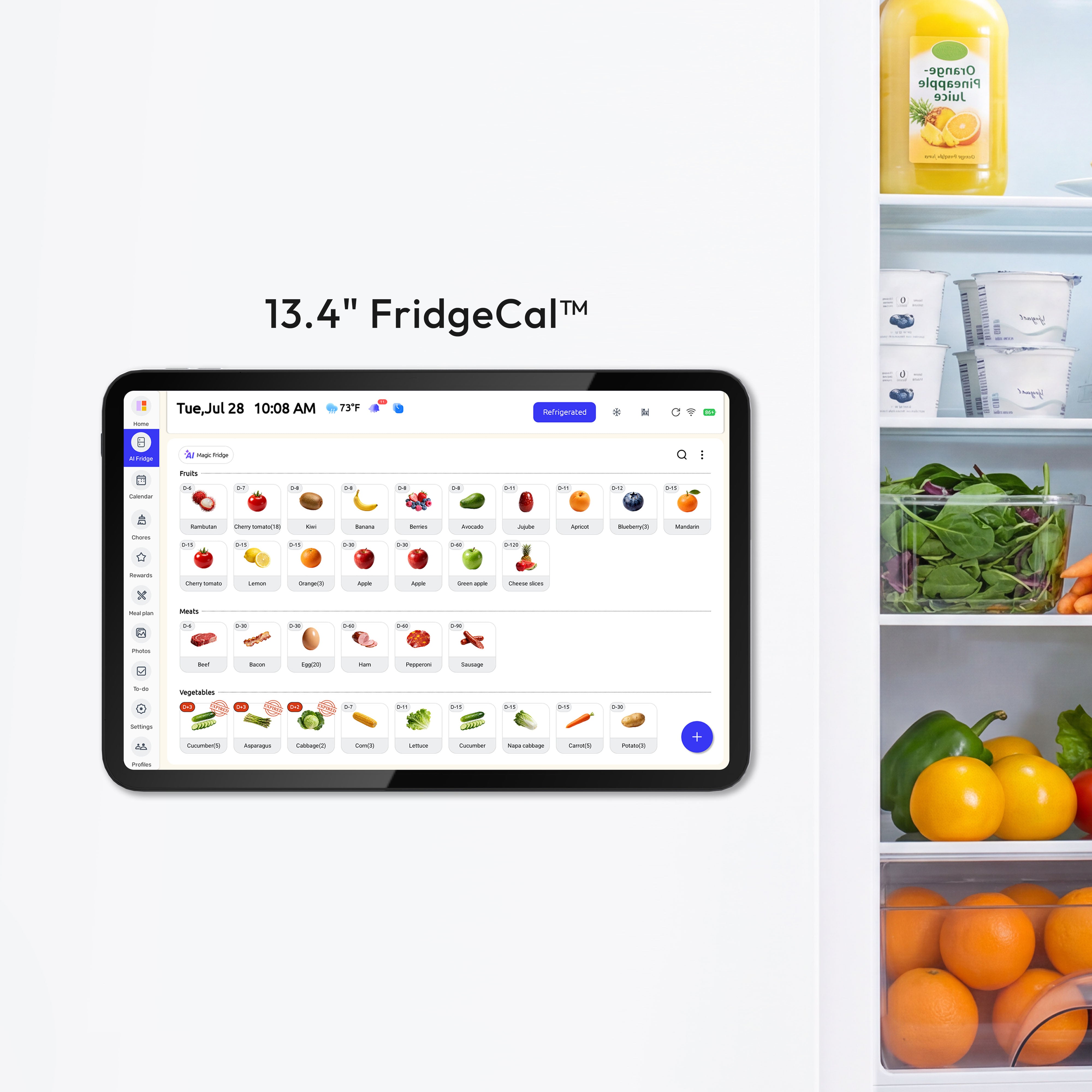
That is why a visible family hub matters. Digital wall calendars work best when everyone can see them in a shared area, especially the kitchen, where routines naturally pass through. In homes that already use the fridge as the communication center, a digital display can reduce missed activities and cut down on “I didn’t know” moments because updates appear immediately for everyone, not just the parent holding the cell phone.

There is also a child-development reason to keep the plan visual. Family organization sources consistently point to predictability, simple routines, and clearly assigned places for information as habits that lower household stress. When a child can glance at a screen or command center and see tonight, tomorrow morning, and the next handoff, the swap feels more like a schedule adjustment and less like a crisis.
What visualizing the change actually means
Visualizing a custody swap does not mean putting legal conflict on display. It means showing only the information a child and household need in order to function. A good visual update answers four plain questions: where the child is going, when the handoff happens, what needs to travel, and what stays the same.
A strong shared system usually uses one source of truth. Families are more likely to keep using a simple shared system than a complicated one, and reliable family calendar setups tend to be the easiest to maintain. If the swap lives in texts, a paper note, a school app, and a mental reminder, someone will miss part of it. If it lives in one visible display and syncs to a phone, the odds of confusion drop fast.
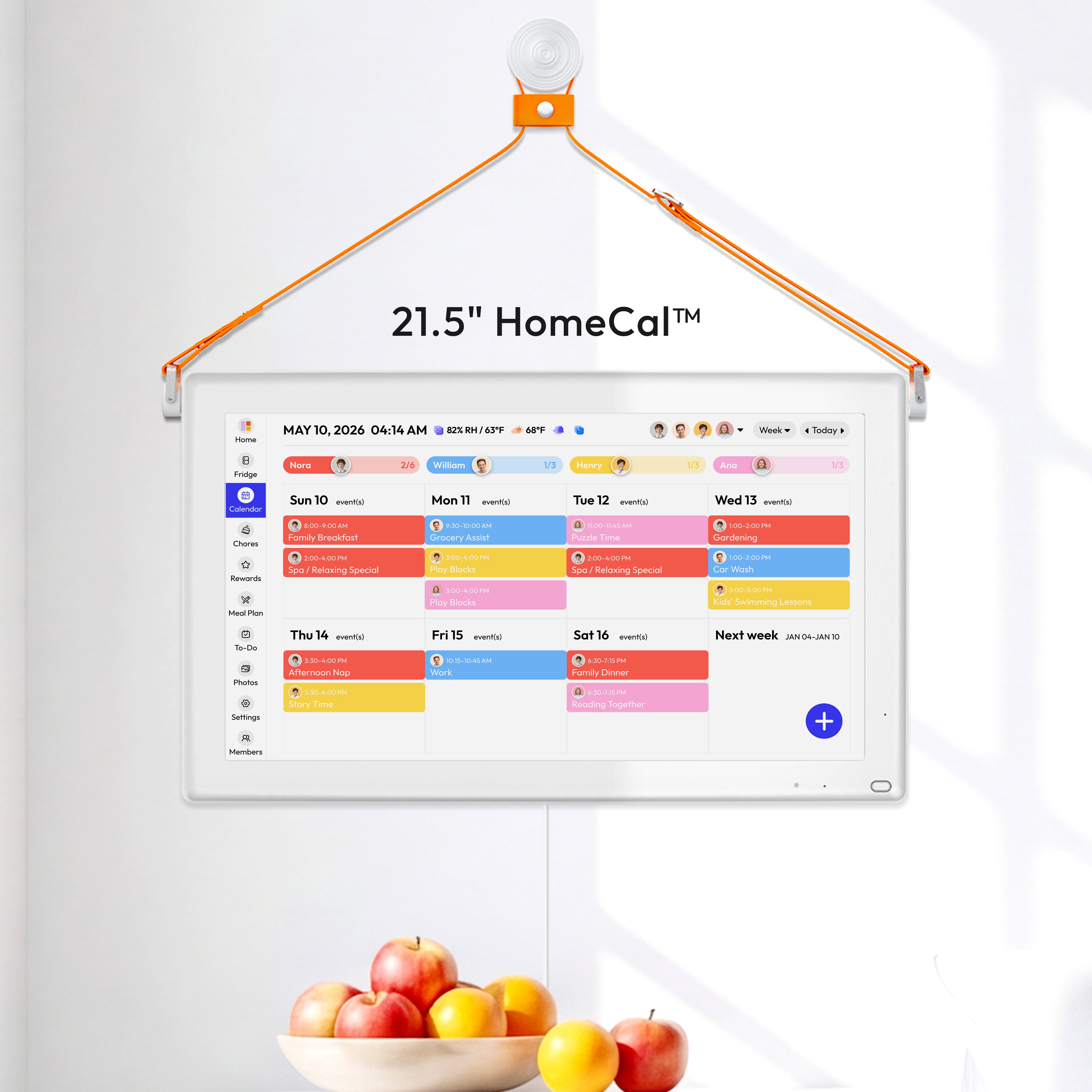
Color-coding helps more than many parents expect. Color-coded family systems reduce confusion in busy homes, and several digital calendar tools use unique colors for each person for exactly that reason. In practice, one child color, one parent color, and one neutral color for exchange logistics are usually enough. More than that starts to feel like decoding a spreadsheet.

The kitchen rule: keep the update visible, brief, and boring
The calmest custody-swap systems are almost boring to look at. That is a good thing. A child does not need a dramatic headline, and neither parent benefits from a screen full of emotional context. The update should look like any other family logistics item.
A fridge calendar or shared display is especially useful here because these household displays centralize schedules, reminders, notes, and lists. If school pickup moves from 5:00 PM to 7:30 PM, the child sees the revised time next to soccer practice, pajamas packed, and tomorrow’s breakfast plan. That framing matters. The exchange becomes one part of the day, not the whole emotional story of the day.
A useful real-world example looks like this in plain English on the display: “Tuesday: school with Mom, dinner at 6:00 PM, pickup by Dad at 7:30 PM, backpack and medicine packed by the door.” That single line removes three common friction points at once. It shows the handoff, preserves the meal plan, and makes the travel items visible before anyone is rushing.

What to put on the calendar, and what to keep off it
The most effective family command centers separate coordination from conflict. A family command center works best when it supports daily routines clearly, and organized families rely on a shared master calendar. For a custody swap, that means the calendar should show timing, location if needed, and child belongings. It should not show blame, negotiation history, or legal arguments.
This is where many families accidentally raise the stress level. If the visual system says “Dad changed again” or “Late because Mom wouldn’t confirm,” the child is no longer reading a schedule. The child is reading tension. Family-law guidance in the research notes is consistent on this point: keep communication child-focused, brief, and written when necessary, and do not use the exchange itself to argue about unrelated problems.
A practical rule is simple. If a detail helps the child get through the next 24 hours, it belongs on the visual plan. If it helps an adult prove a point, it does not.
Digital display, phone app, or paper calendar?
The right tool depends on what your family will actually check under stress. Digital family calendars help when everyone needs shared visibility, while traditional paper calendars cost less but require manual updates. The tradeoff is less about features than adoption.
System |
Best use |
Main advantage |
Main drawback |
Digital fridge or wall display |
Families who need everyone to see updates fast |
High visibility in a shared space |
Higher upfront cost |
Shared phone calendar app |
Co-parents and older kids already living on their phones |
Fast remote updates and syncing |
Easy for younger kids to miss |
Paper or dry-erase calendar |
Very simple households with few schedule changes |
Low cost and easy to start |
More manual work and easier to forget to update |
A visible display often works best for last-minute swaps because it closes the gap between adult communication and child understanding. Digital wall calendars are easier for the whole household to notice, and family-focused calendar devices often add color coding, task, which makes them easier to use during a rushed change. The downside is cost, and that concern is real. The source notes prices from about $199.00 to $899.00 and questions whether every family will get enough value from a dedicated screen. If your budget is tight, a shared phone calendar plus one printed “today and tomorrow” view near the fridge can still do the job.

How to protect children from the emotional spillover
The child usually does not need a long explanation for a short-term change. They need steadiness. That means the adults should preserve as many anchors as possible: the same bedtime, the same comfort item, the same after-school snack, and the same soccer bag by the door. Simple, repeatable family systems are easier for everyone to follow, and visible schedules can help children act more independently.
In practice, one visual line can reduce a lot of questions. If the display shows “After school: home, pasta, shower, Dad pickup, favorite blanket packed,” the child can picture the evening. That mental picture often matters more than the reason for the change.
There is also a limit worth respecting. If swaps become frequent, the problem is no longer just organization. Repeated disruptions can wear down the child, the routines, and the goodwill between homes. At that point, the best next step may be a more formal co-parenting conversation, mediation, or legal clarification, because no calendar system can fix a schedule that changes so often it stops feeling dependable.
A simple system that works on hard days
The households that handle custody changes most calmly tend to follow the same pattern. They keep one shared calendar, place it where everyone naturally looks, use color to reduce confusion, and update the plan in plain language without emotional commentary. Families benefit most from organization systems they will actually use every day, and the fridge or kitchen area remains one of the easiest places to keep that system visible.
When the schedule changes, the goal is not to make the day perfect. It is to make the next step clear. Clear is what keeps a last-minute swap from turning into family drama.


