




A useful homework tracker shows more than deadlines. It tells your teen what the assignment requires, when they plan to work on it, what is blocking progress, and whether it has actually been submitted.
Start with a format your teen can access and update. Keep the school portal or teacher's instructions as the official assignment source, and use the tracker to turn those requirements into next actions. The system below is a practical template to adapt, not a treatment or a guarantee of better grades.

What Executive Function Has to Do With Homework
Harvard's Center on the Developing Child describes executive function as skills involved in planning, directing attention, managing information, and switching between tasks. Difficulty with those skills can make the organization around homework challenging, even when a student understands the subject.
For example, “science project” names an assignment without identifying a starting action. “Read the rubric and choose a topic” is something the student can attempt and check off.
A missed assignment alone does not explain why a student is struggling. Unclear instructions, workload, access problems, and difficulty with the material need different responses. Use the tracker to locate the obstacle rather than treating every miss as a motivation problem.
Choose One Working Tracker
Assignments may arrive through a portal, classroom instructions, handouts, or messages. Agree on one working list so your teen can see the next actions without reconstructing them from several sources.
Do not copy every instruction into a new system. Record enough to identify the work, then link to the original instructions or note where to find them. Check discrepancies with the teacher rather than assuming the tracker overrides the school record.
Digital, Paper, or Wall Tracker?
| Format | Consider it when | Main limitation to check |
|---|---|---|
| Paper planner or notebook | Writing and a physical checklist suit the student | It must travel with them, and changes need manual updating |
| Digital task list or homework app | The student needs access at school and home | Notifications, distraction, access permissions, and actual portal compatibility vary |
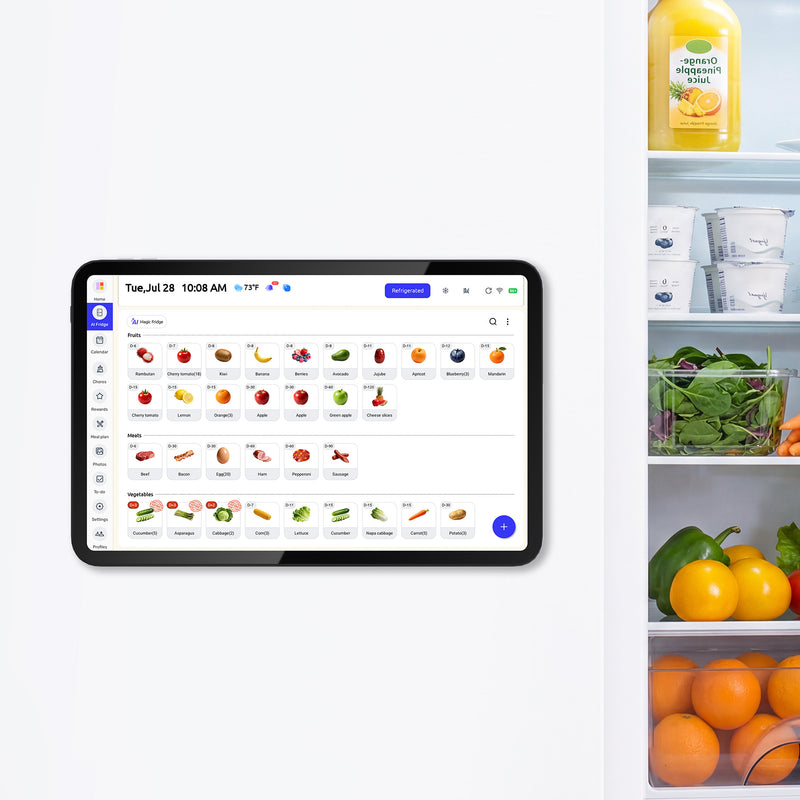
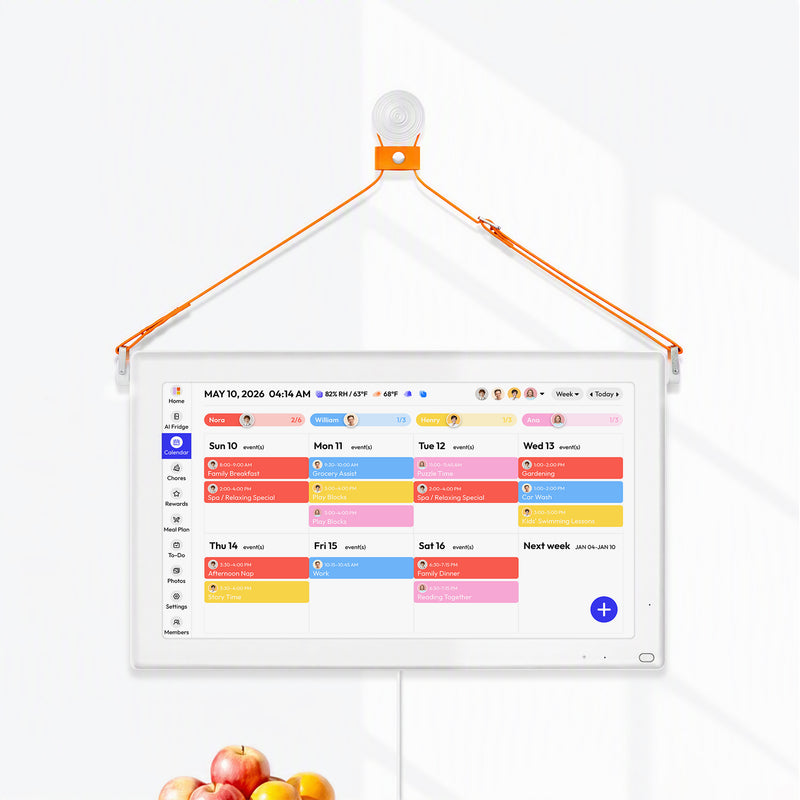
| Whiteboard or shared display | A short at-home view of next actions is useful | It may be unavailable at school and needs updating; agree on what stays private |
| Digital source plus paper or wall view | Different locations need different views | Copies can disagree; decide which is current and who refreshes the other |
A school calendar feed may include deadlines without assignment details or submission status. Test what it imports before relying on it.
Separate “Due” From “Do”
Due is the teacher's deadline. Do is the student's planned work session or next action. Changing the work plan does not change the official deadline.
Here is an illustrative tracker:
| Assignment | Due | Next action and planned work time | Status or next check |
|---|---|---|---|
| History essay | Friday, teacher's stated deadline | Monday after snack: read the rubric and choose a topic | Not started |
| Algebra worksheet | Wednesday, start of class | Tuesday after practice: attempt the assigned problems | Need help: ask about problem 7 |
| Biology report | Friday, teacher's stated deadline | Thursday: check the required format and upload the file | Done—needs submission |
Replace the days and task sizes with the actual assignment requirements. A project may need several work sessions; a short worksheet may not.
Choose a next step that can be recognized as complete. “Work on English” is vague; “draft the opening paragraph” provides a clearer starting point. If the instructions themselves are unclear, the next action may be asking the teacher a question.
Track Progress Without Making a Complicated Board
Use only the statuses needed to distinguish what happens next. One workable sequence is:
To Do → Doing → Done—Needs Submission → Turned In
Add a Need Help flag rather than letting a blocked assignment disappear into a separate list. Record the question, who to ask, and when the student plans to ask it.
Keep today's working view short while retaining future deadlines in the main list. Colors can be optional subject labels; names and text should still make the information understandable without a color key.
A shared screen can show an agreed next action or work block without displaying grades, teacher messages, or every incomplete assignment to siblings and visitors. Decide with your teen who can view or edit the detailed tracker.

Make Submission a Separate Action
A finished file on a laptop is not necessarily submitted work. Before moving an item to “Turned In,” check the required delivery method.
For an online assignment, verify the selected file and look for the platform's submission confirmation or status. For a paper assignment, packing it in a folder is preparation; handing it in is a separate step.
If the portal still says “missing” after submission, check for an upload error or a delay in the teacher's record. Ask the teacher when needed instead of repeatedly resubmitting without understanding the problem.
A simple note such as “uploaded Tuesday; confirmation shown” can be useful where the platform supports it. It is a record to investigate a discrepancy, not a promise that the teacher has graded or accepted the work.
Review the Tracker Without Turning It Into an Inspection
Agree on a review time and what help the teen wants. Ten to fifteen minutes is one possible starting appointment, not a required duration. A review should cover decisions, not fill a time slot.
Check for:
- New or changed assignments from the official sources.
- Upcoming deadlines and realistic work opportunities.
- Tasks blocked by questions, materials, or access.
- Finished work that still needs submission.
- Items that can be archived after submission is confirmed.
If transport or family commitments affect the work plan, include those conflicts in a weekly family check-in while keeping detailed academic discussions within the privacy boundaries you agreed on.
Estimate a task's duration when useful, then compare the estimate with what happened. Include interruptions and time spent seeking help; taking longer does not automatically mean the student was not trying.
Let the Teen Shape the Trial
Ask which part fails most often: recording assignments, starting, finding help, or submitting. Choose a tool and one or two changes that address that problem.
You might agree to try the setup for two weeks and review it after roughly ten school days, but those are sample planning intervals. Adjust sooner if the tool is inaccessible or creates more work, and do not make a trial period a condition for receiving school support.
At the review, ask what was actually usable. Did the app open easily at school? Did the board get updated? Was “Need Help” followed by a real conversation? Keep the parts that served a purpose.
Set Up Supplies and Use Technology Selectively
Keep the materials needed for the next task within reach. A portable supply bin can work when there is no dedicated desk. Use a homework station arranged around the child's needs to test lighting, supplies, and distractions rather than assuming a perfectly quiet room will solve difficulty starting.
Reminders and calendar imports are useful only when their behavior is understood. Check notification settings and imported deadlines against the assignment source.
If school rules permit AI tools, they may be used to suggest a checklist or questions to ask about an assignment. Verify the output against the teacher's instructions, avoid uploading private student information, and follow the school's rules for original work and disclosure. An AI-generated plan does not confirm that homework has been completed or submitted.
When to Ask the School for Support
You do not have to wait for a tracker to fail for a set number of weeks. If difficulties are persistent or substantially affecting schoolwork or well-being, contact a teacher, counselor, or school support team.
Bring concrete examples: a completed assignment that was never submitted, an unclear portal entry, or a project that repeatedly stalls at the same step. Ask about options such as written assignment clarification, a planner check, or explicit instruction in using the submission system. These are requests to discuss, not guaranteed supports for every student.
U.S. Section 504 and IEP Eligibility
In U.S. public schools, formal support may be available after an individualized evaluation. An ADHD, anxiety, or other diagnosis alone does not automatically establish eligibility for a particular plan.
The U.S. Department of Education's Section 504 guidance explains the requirement to evaluate educational needs and the standard of a physical or mental impairment that substantially limits one or more major life activities for relevant services.
An IEP is governed by IDEA. The IDEA eligibility definition requires an evaluated qualifying disability and a need for special education and related services because of that disability. Section 504 and IDEA are not interchangeable routes, and the appropriate support depends on the student's evaluation and needs.
Ask the school how to request an evaluation and who coordinates the process. Outside the United States, ask about the local school's support framework instead.
Begin with one real assignment: record the deadline, identify the next action, and make submission visible as its own step. The point is to find where support is needed, not to build a perfect-looking tracker.


