


A well-designed homework station reduces friction, cuts distractions, and makes it easier for kids to begin. The best setup combines a predictable space, ready supplies, and a calm routine that fits real family life.
A homework station works when it gives your child one predictable place to work, one simple start-up routine, and fewer reasons to wander. For distractible kids, the best setup lowers stress by making focus easier, not by demanding perfect self-control.
If homework time has turned into a nightly loop of missing pencils, snack requests, and “I forgot what I’m supposed to do,” a better setup can help. Kids who lose focus easily usually settle faster when schoolwork starts in the same spot, with the same cues, and with everything ready before they sit down. The goal is a practical system that reduces stalling, fits real family life, and helps the evening feel calmer.

What a Homework Station Should Actually Do
A designated place for focused schoolwork works because it cuts the friction between “I should start” and actually starting. In real homes, the hardest part is often not the worksheet itself. It is the chain of tiny exits that follows: standing up for scissors, wandering off for a charger, then remembering a snack on the way back. A useful homework station does one job well: it keeps the work surface, supplies, and visual cues consistent enough that a child begins to associate that spot with getting school done.
A consistent homework routine means the same place, the same general time, and a clear daily plan instead of a parent repeating the same reminder ten different ways. Distractible kids often do not lack ability; they lack a reliable launch sequence. When the family uses the same steps each afternoon, such as snack, quick assignment review, then first task, the station becomes part of a system instead of just a desk in the corner.
Choose the Right Spot for Your Child’s Attention
A quiet, low-traffic, well-lit area helps many children because noise, movement, and visual clutter all compete with the assignment. But the best location is not always the most silent room in the house. Some children work best alone, while others stay on task better near a parent. The difference usually comes down to whether the child is more derailed by sensory input or by the lack of gentle redirection. If your child gets pulled into every conversation, move the station farther from family traffic. If your child drifts whenever no adult is nearby, place it where you can supervise indirectly while making dinner or handling bills.
Location |
Best fit |
Main advantage |
Main drawback |
Kitchen or dining area |
Kids who need light supervision |
Easy check-ins and quick redirection |
More noise, sibling traffic, and food distractions |
Bedroom or spare-room desk |
Kids bothered by sound and movement |
Fewer interruptions and stronger quiet cues |
Harder to monitor without hovering |
Small homes or shared schedules |
Flexible, low-cost, and easy to store |
Easier to become inconsistent if it is not reset daily |

Shared, Separate, or Portable?
A station can be shared or split apart depending on how siblings affect each other, and that choice can change the whole mood of the evening. Some siblings work well side by side and benefit from the social cue that everyone is in work mode. Others spend the whole time borrowing erasers, commenting on mistakes, or arguing over chair space. When that happens, a bookshelf, tri-fold board, or even a clear “your side, my side” table boundary is often enough to lower conflict without requiring a separate room. If your home is tight on space, marked zones and short work blocks can help each child understand where to be and what is expected.
Stock the Station So Your Child Does Not Have to Get Up
Keeping needed supplies within reach is one of the simplest and highest-return changes you can make. If a child gets up four times for two minutes each, you have already lost eight minutes before the hard assignment even begins, and the emotional cost is usually bigger than the time cost. A basic station should cover the assignments your child actually gets, which usually means pencils, erasers, paper, scissors, glue, a ruler, a calculator, notebooks, and a charger if schoolwork is digital. If the space is shared, a portable bin or rolling cart keeps supplies contained without turning the whole room into a supply closet.
An organized, uncluttered workspace lowers stress and makes materials easier to find, which is especially important for kids who already feel scattered. Keep today’s tools visible and easy to grab, and move low-use items into a drawer, basket, or labeled bin. A whiteboard, corkboard, or wall calendar earns its spot when it holds only current information, such as tonight’s assignments, one upcoming test, and one reminder to return a signed form. Once old flyers, dried markers, and random toys collect there, the board becomes background noise instead of support.
Pair the Space With a Calm Homework Routine
A set homework time earlier in the evening often works best. For many families, the most workable rhythm is not “come home and start immediately,” but a short reset followed by a predictable launch. A practical version looks like this: your child comes home, has a snack and a few minutes to decompress, you review the assignments together, estimate what will take longest, and choose the first task before anyone touches a screen. That brief planning moment matters because it turns homework from a vague burden into a visible sequence.

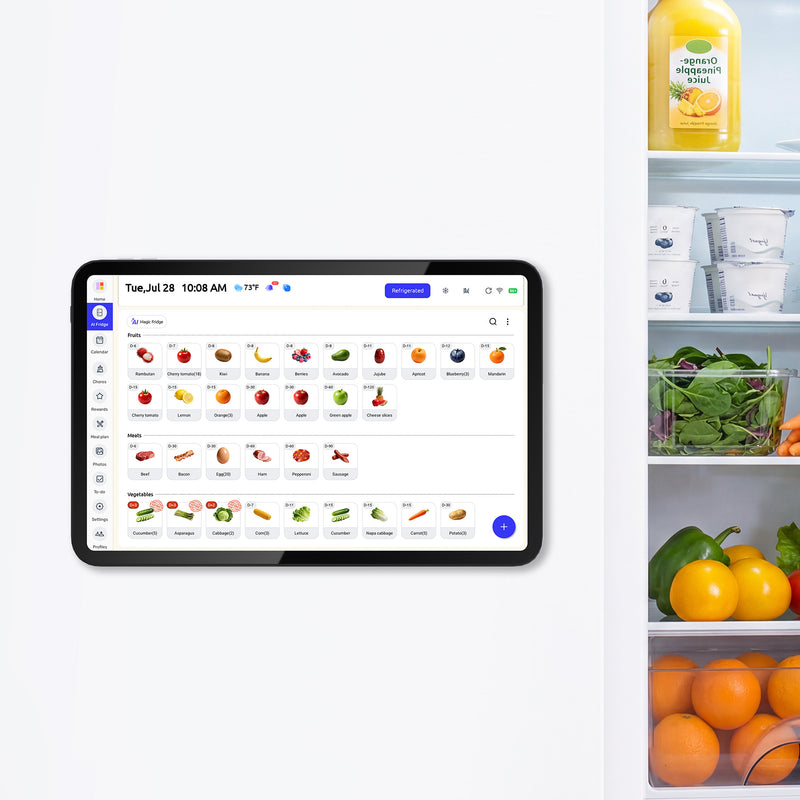
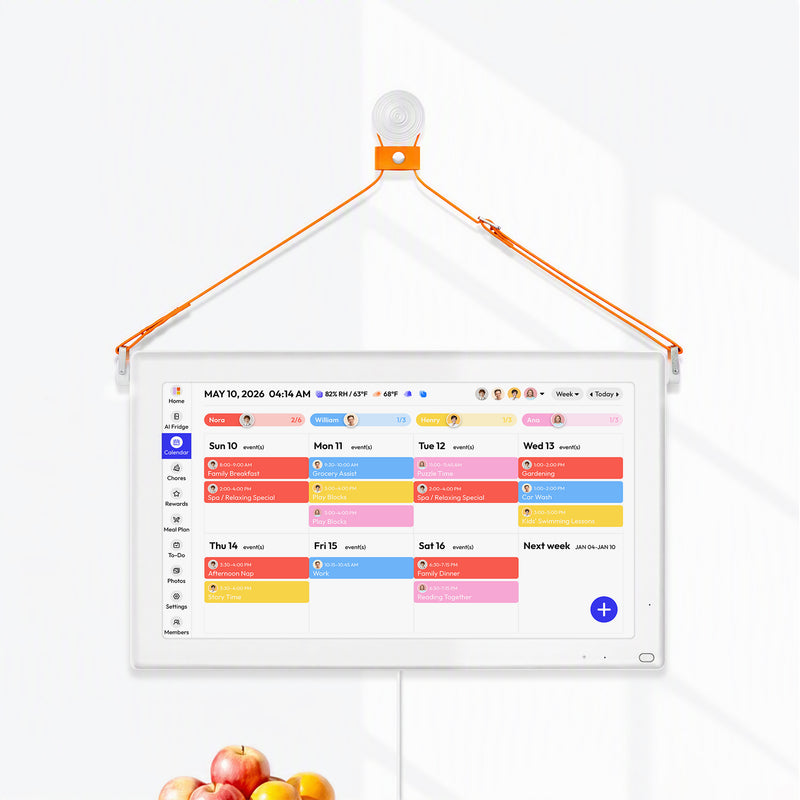
A shared family calendar can reduce last-minute surprises for both children and adults. It can live on the wall, in a paper planner, or on a shared kitchen display if that is what your household actually checks. The helpful part is not the format. It is the shared visibility. When a child can see that the book report is due Thursday, soccer runs late Wednesday, and Grandma is visiting Friday, it becomes easier to break the project into smaller parts instead of facing all of it at 8:30 PM the night before.
Breaks, Timers, and Background Noise
Some children need breaks every 15 minutes, while others can work longer, so flexibility matters. General home-study advice sometimes suggests much longer cycles, but distractible kids often need shorter work sprints at first because attention fades before motivation does. A timer helps when it feels like a tool rather than a threat: “Work until the timer rings, then stand up and stretch” is much easier to accept than “Sit there until you are done.” If music helps, keep it instrumental or familiar enough to fade into the background. If it pulls attention away, drop it.
A productive study space with visible timekeeping helps because focus is physical as well as mental. A supportive chair, a lamp that clearly lights the page, and a water bottle on the desk are not fancy extras; they remove low-grade discomfort that distractible kids tend to notice and react to. If your child is constantly tipping back in the chair, rubbing their eyes, or asking for water, fix the environment first before assuming it is a motivation problem.
When Homework Struggles Look Bigger Than Simple Disorganization
Research on children ages 5 to 12 with ADHD found that homework-focused behavioral treatment produced large improvements in homework, while long-acting stimulant medication alone showed limited short-term effects on those same homework outcomes in the study. That does not mean medication never helps. It means homework battles often improve most when the home system changes too. Clear routines, parent coaching, direct feedback, and concrete homework goals are not extra supports for these kids. They are often the main lever at homework time.

A first-work-then-reward approach is often more effective than repeated lectures because distractible kids need immediate payoff, not distant promises about report cards. In practice, that can be as simple as finishing one math page before 10 minutes of building-block time, or completing two focused work rounds before choosing the family dinner playlist. If the plan creates more punishment than success, the system needs revision. Shorter tasks, faster rewards, clearer goals, or a teacher check-in usually work better than raising the pressure.
Connect the Homework Station to the Rest of Family Life
A weekly cleanout, night-before prep, and predictable household schedule keep the station from falling apart after three busy days. Homework stations fail when the backpack is overflowing with papers, the school device is uncharged, and nobody knows where the permission slip went. Ten minutes on Sunday to empty folders, restock pencils, charge devices, and check the week ahead can save far more time than it costs. The goal is not showroom neatness. It is making Monday’s start easier than Friday’s scramble.
When home routines are irregular, consistency and accountability still matter on the go. Some families need a station that travels between houses, the back seat, after-school care, and the kitchen table. In that case, a permanently stocked backpack, a slim supply pouch, photographed textbook pages when permitted, and a simple proof-of-completion habit can do more than waiting for the perfect quiet room that never appears. A portable system is still a system if the expectations are steady.
A homework station should make the evening feel more settled, not more controlled. When the space fits your child’s attention pattern, the supplies are easy to reach, and the routine is calm enough to repeat, schoolwork stops taking over the whole house and becomes one manageable part of family life.


