


To keep tortillas soft, reseal the package tightly and warm only what you need. Choose the storage location from the package instructions first: shelf-stable tortillas may belong in the pantry, products labeled “keep refrigerated” belong in the fridge, and freezing can help with surplus tortillas when the manufacturer allows it.
The useful distinction is not simply corn versus flour. Check whether the tortillas are shelf-stable, sold chilled, homemade, or already opened. Those details matter more than a blanket rule to refrigerate every pack—or leave every pack on the counter.
Should Tortillas Go in the Pantry, Fridge, or Freezer?
| Storage choice | Best use | Main benefit | What to watch |
|---|---|---|---|
| Pantry | Unopened tortillas labeled for room-temperature storage; opened packs only when their instructions permit it | Convenient access without thawing | Opening may change the storage requirements; keep away from heat and moisture |
| Fridge | Tortillas sold chilled, packs requiring refrigeration after opening, or products whose maker recommends it | Meets chilled-storage requirements and may extend freshness | Reseal well; cold tortillas may need warming before folding |
| Freezer | Surplus tortillas suitable for freezing | Lets you set aside meal-sized portions | Follow the maker’s thawing instructions and quality guidance |
Mission’s consumer FAQ distinguishes tortillas sold at room temperature from those sold refrigerated: its chilled products should stay refrigerated at home. This is why the place you bought them—and the label on that exact package—are better starting points than a universal storage chart.

Can opened tortillas stay in the pantry?
Do not assume they can simply because they were on an unrefrigerated store shelf. Check for an instruction such as “refrigerate after opening.” If it is present, follow it even when tomorrow’s dinner will use the rest.
If room-temperature storage is permitted, reseal the pack and keep it in a cool, dry cupboard. Do not use a Monday-to-Thursday meal plan as proof that a particular pack will remain suitable to eat. If the instructions are missing or unclear, check with the manufacturer rather than borrowing another brand’s storage window.
How Do You Store Tortillas in the Fridge Without Drying Them Out?
Close the original bag securely after taking out a portion. If its seal no longer works, put it inside a resealable bag or transfer the tortillas to a clean, airtight container. Keep the label or photograph it before discarding the packaging.
Maria and Ricardo’s storage guidance recommends airtight packaging for opened tortillas and notes that refrigeration can change their texture. A firm tortilla straight from the fridge is not necessarily ruined; warm a small portion before deciding whether it will fold well.
Keep the stack flat and avoid crushing it under heavy containers. Write the opening date on the bag, alongside any after-opening instructions. The date helps you follow those instructions; it does not create a new shelf life.
Do corn and flour tortillas need different storage rules?
Use the instructions for the product you have. “Flour tortillas handle refrigeration better” and “corn tortillas always dry faster” are not reliable substitutes for checking the recipe, packaging, and storage directions.
For either type, take out only what you need and close the bag promptly. If a cold tortilla cracks when folded, try warming one before filling the rest. Do not assume that stiffness alone means spoilage—or that softness proves safety.

How Do You Freeze and Thaw Tortillas?
Divide a large pack into portions that match your meals before freezing. For example, if you use four tortillas at a time, make four-tortilla portions rather than freezing one large stack you will have to prise apart.
- Separate portions with parchment so you can identify and lift out the amount you need.
- Place them flat in a freezer bag, gently press out excess air, and seal.
- Label the bag with the type, quantity, and freezing date. Retain the original storage directions.
- Follow the manufacturer’s thawing method before reheating.
For its corn and flour tortillas, Mission recommends refrigerator thawing for a day or two and advises against microwave defrosting. That is product-specific guidance, not a universal thawing time. Do not confuse reheating a thawed tortilla with defrosting a frozen stack.
Freeze portions while they are still suitable to eat. Freezing is a planning step, not a way to rescue a moldy or improperly stored pack.
How Do You Reheat Tortillas So They Stay Soft?
Follow the package directions if they give a method. Otherwise, the maker’s preparation guidance is a useful starting point. Maria and Ricardo’s describes both dry-skillet and damp-towel microwave methods for corn and flour tortillas; you do not need to reserve one method exclusively for one type.
- Skillet: Warm a tortilla on both sides in a dry skillet, checking it as it heats. Stop when it is warm and flexible rather than leaving it until crisp.
- Microwave: Place a small stack on a microwave-safe plate under a lightly damp, microwave-safe paper towel. Use the package’s heating time and check before adding more time.
- At the table: Keep warmed tortillas covered in a clean towel or tortilla warmer. Heat another small batch when needed instead of leaving the whole pack uncovered through dinner.
If the first tortilla is still brittle, adjust the warming method before heating the rest. Extra heating is not always the answer: it can leave the edges harder. Reheating improves texture; it does not make spoiled tortillas safe.
When Should You Throw Tortillas Away?
Discard tortillas with visible mold. USDA guidance for bread and baked goods advises disposal because these porous foods can be contaminated below the visible surface.
Applied conservatively to tortillas packed together, this means discarding the affected shared stack instead of peeling off one moldy tortilla and assuming the others are unaffected. This applies the USDA’s broader category guidance; it is not a tortilla-specific study of how far mold travels through a package.
An unexpected sour smell or slimy surface is also a reason to discard the pack. Do not taste it to check. Conversely, a normal smell does not override storage instructions you know were not followed.
Tortillas that are merely dry, have been stored correctly, and show no spoilage may work better as chips or tostada-style bases than as wraps. Check storage history before choosing a way to use them.
Quick Questions About Tortilla Storage
How long do tortillas last after opening?
There is no single number that fits all products. Use the package’s after-opening directions or ask the maker. Record the opening date so you can apply that guidance, rather than relying on the printed date alone.
Can homemade tortillas sit out overnight?
Do not assume homemade tortillas have the same room-temperature life as a commercial shelf-stable pack. Follow storage guidance for the recipe you used. Maria and Ricardo’s FAQ identifies refrigeration or freezing as options for keeping homemade tortillas longer; it does not establish a universal safe overnight counter-storage window for every recipe.
Why do tortillas crack even when the pack is new?
Try warming one before folding it. Storage and preparation both affect how the tortilla handles, so a new pack is not a guarantee that it will fold well straight from the fridge. Also check whether the product requires cooking rather than simply warming.
A Small Habit That Prevents Forgotten Packs
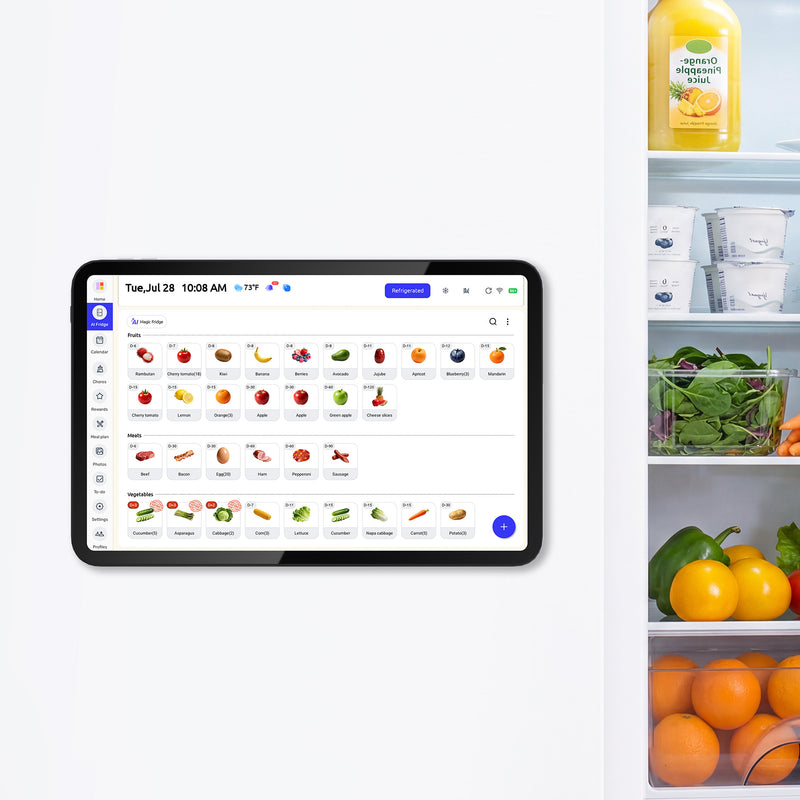
On opening the pack, record the date and choose its next meal. If you set aside a freezer portion, note its quantity and location. A paper list or shared calendar is enough; this guide to tracking ingredients and leftovers across the household offers a fuller setup if several people share shopping and cooking.
Keep that reminder separate from the safety decision: a planned taco night never overrides the package’s storage instructions.


