




Busy families usually do best with one visible system for meals, ingredients, and leftovers instead of scattered notes and memory. Put the plan where people already look, keep the tracking light, and tie it to a short weekly reset.
Do you ever open the fridge at 6:10 PM, see three containers, and still have no clear dinner plan? A workable setup can be as small as two whiteboards, one shared inventory with three tabs, and 4 to 6 planned dinners for the week. The goal is to make the next meal easier, cut duplicate shopping, and help every adult in the house see the same information.
Why Food Tracking Breaks Down
The plan and the food are separated
The biggest breakdown is that meal planning and food inventory get split across different tools, so the family knows what sounded good on Sunday but not what is still in the freezer on Wednesday. That is how a dinner plan becomes wishful thinking, and how the same missing ingredient gets bought twice.
A second problem is that leftovers disappear when they are not tracked in a visible place. The food is technically still there, but the person packing lunch, the parent getting home late, or the teen looking for a snack does not know what is available. Then the leftovers get pushed back, forgotten, and replaced by takeout or a fast pantry meal.
The system also fails when the fridge, pantry, and freezer are not kept current as food moves in and out. You do not need a perfect warehouse count. You need a current enough picture that dinner decisions and grocery choices are based on real food, not guesses.
Build One Visible Food Command Center
Put it where people already stop
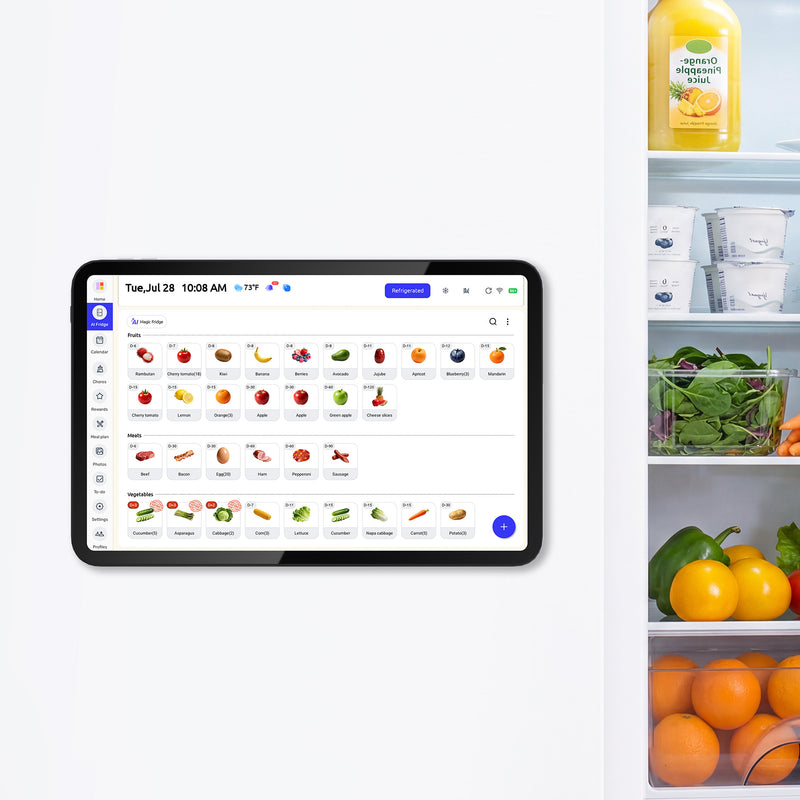
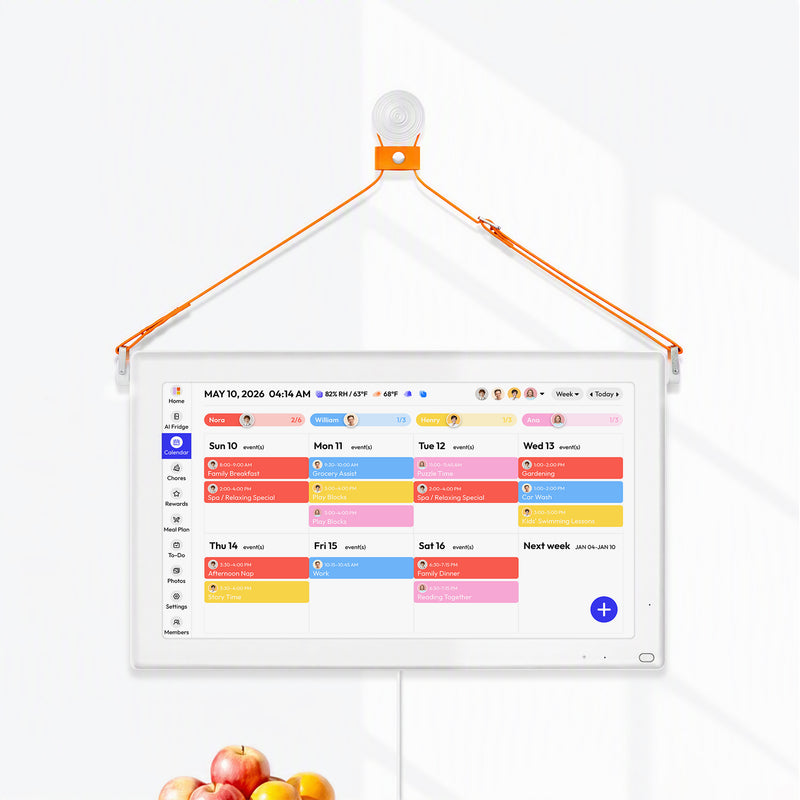
A useful command center works best in a visible, high-traffic area, such as the kitchen, mudroom, pantry door, or a stretch of wall near the garage entry. If your family passes the fridge 12 times a day and ignores the office wall, the fridge wins. A small setup on a cabinet or refrigerator can work just as well as a larger wall station. Some families use a fridge-door surface such as the Everblog 13.4" fridge calendar to keep leftovers, meal notes, and grocery reminders in one visible spot, since it is designed for fridge-door use in the kitchen and includes a built-in fridge manager for freshness tracking.

Keep only the pieces that answer daily questions
The strongest command centers focus on the tools a family actually uses every day, not every organizing idea that looks nice online. For food tracking, that usually means a weekly meal plan, a leftover list, a grocery capture spot, and a shared calendar that shows late work nights, practice, or a caregiver change. If lunch packing or after-school meals are constant trouble spots, add those too.
A command center should also stay small enough to maintain. Starter setups often begin with basics like a calendar, whiteboard, paper storage, and a drop zone, and one budget-friendly example came in around $75. That matters because a simple station people use every day is better than a beautiful wall no one updates.
Start smaller than you think
A smart way to begin is to list what you need to track before you buy anything. If your real problems are hidden leftovers, forgotten freezer meals, and “What’s for dinner?” at 5:30 PM, build for those first. One family command center source even suggested taping paper to the wall to test layout before making holes.
If one wall is not practical, the system can live in one or two connected areas. For example, the weekly meal plan can stay on the fridge while mail, bills, and school forms live near the door. The point is shared visibility, not a perfect platform-inspired corner.
Connect Meal Planning to Ingredient Tracking
Use one weekly planning rhythm
One practical model uses a single shared spreadsheet with three core tabs: a food inventory tab, a meal-planning template, and one new tab for each week. The inventory fields can stay simple: date inventoried, food, quantity, category, location, and notes. That is enough to answer three useful questions fast: what do we have, where is it, and what should we use first?

Plan fewer dinners on purpose
Families often do better when they plan 4 to 6 meals and cook some in larger portions for leftovers, instead of assigning a brand-new dinner to every night. That leaves room for real life: one late meeting, one low-energy night, one meal that stretches into lunches, or one freezer backup. A good weeknight plan usually includes at least one easy repeat, one leftover night, and one “use what is already here” meal.
Update from the surface, not from memory
Inventory is more likely to stay current when used items are crossed off and new items are added right away, instead of relying on someone to remember everything later. This is where a visible surface helps. You can jot + 1 salsa, - 2 burritos, or leftover chili on a fridge board during the week, then move those notes into the shared list during the weekly planning session.
Roles matter here. A simple rule works better than a vague hope: the person who unloads groceries adds new food, the person who stores leftovers writes the label, and the person doing weekly planning transfers the notes into the main list. That kind of handoff keeps the system from turning into one invisible job for one adult.
Give Leftovers a Shelf, a Label, and a Job
Make leftovers easy to spot
Leftovers are much easier to use when they live on one designated shelf or refrigerator section and are labeled with the food name and date. That small change removes a lot of friction. Nobody has to open six containers or ask whether the rice is from last night or last week.

Assign the next use right away
A visible leftover system works even better when the meal and the date are written down each evening on a fridge-facing sheet. That gives other caregivers, older kids, or anyone coming home late a clear answer to “What is there to eat?” For example, Tuesday’s taco meat can already be marked for Wednesday lunches, and Thursday’s roast chicken can become Friday quesadillas.
Clear old food before it becomes invisible
The cleanup step matters just as much as the tracking step. A lot of families do well with a short reset the day before groceries arrive or the night before trash pickup: check the leftover shelf, erase what was eaten, toss what is clearly past its useful window, and move any still-good single portions to the freezer if that helps your family use them. If this step gets skipped every week, the system usually becomes stale fast.
Pick Paper, App, or Hybrid Based on Your Handoffs
Use digital tools when information needs to travel
A shared app is most useful when calendars, meal plans, and grocery lists need to move between multiple caregivers and devices. That is especially true for homes with split pickups, after-school activities, shift work, or grandparents helping with meals. In that kind of household, the dinner plan cannot live only on the kitchen wall if the shopper is already at the store.
Use inventory apps only if they save effort
An inventory app earns its place when it tracks pantry, fridge, and freezer items with quantities and expiry dates in one shared system. That can be helpful for families who already shop from their phones, use barcode scanning, or want one place to manage grocery lists and pantry stock. It is less helpful if nobody will open it while putting food away. A paper board is still the better tool when speed and visibility matter more than history.
Dedicated family calendars are a visibility choice, not a magic fix
If you want meals, chores, and schedules in one place, digital family calendar options range from free mobile-first apps to dedicated wall screens starting around $169.99. The trade-off is simple. A wall display is easier for the whole house to notice, while a phone-first app is easier to update on the go. Many busy families land on a hybrid: one visible kitchen surface for leftovers and this week’s meals, plus one shared digital calendar for timing, errands, and grocery handoffs.
FAQ
Q: Do I need to track every single item in the house?
A: No. Start with the three places that affect dinner and grocery waste most: fridge, pantry, and freezer. Then track the items that change decisions, such as leftovers, proteins, freezer meals, produce that spoils quickly, and staples you keep rebuying by accident.
Q: What if only one person updates the system?
A: The system is too vague or too big. Give each person one trigger-based task instead of a general responsibility. The grocery put-away person adds new items, the leftovers person writes the label, and the weekly planner does the reset.
Q: Should I choose a paper board or an app?
A: Choose the tool your family will actually look at during the moment of decision. If the problem is hidden food in the fridge, start with a visible board. If the problem is handoffs between caregivers, shopping trips, and changing schedules, add a shared app or calendar.
Practical Next Steps
You do not need a full household overhaul to make this better in the next seven days. Start with one visible surface, one short routine, and one rule for leftovers.
- Pick one high-traffic spot for your food command center: fridge, pantry door, or kitchen wall.
- Add three items only: this week’s meal plan, a leftover list, and a grocery capture spot.
- Plan 4 to 6 dinners for the week, with one leftover night and one easy backup meal.
- Give leftovers one shelf and label each container with the food name and date.
- Do a 10-minute reset before grocery shopping: update the list, clear old leftovers, and note what needs to be used first.
A good family food system is not the one with the most features. It is the one that makes tonight’s dinner, tomorrow’s lunch, and the next grocery trip easier for the whole household.


