



A kitchen wall works best as a family planning hub when it is easy to see, easy to reach, and simple to update. Keep the hub focused on three things: schedule, meals, and chores.
If your mornings feel like a string of repeated questions, missed forms, and last-minute dinner decisions, the problem is often visibility, not effort. Busy households do better with one shared place for the week’s plans, and short 20- to 30-minute setup sessions are often enough to build a system that people will actually keep using. You’ll leave with a practical way to place the hub, decide what belongs on it, and connect it to a digital family calendar without doubling your work.
Why the Kitchen Wall Works Better Than a Hidden Planner
A visible family command center is more likely to get used than a planner tucked into an office or a side hallway. The kitchen already catches breakfast, lunch packing, after-school snacks, and dinner cleanup, so it naturally becomes the place where people check what is next.
That matters because busy families do not need a prettier system as much as they need a system that stays in sight during real life. One source notes that 74% of Americans say they are too busy to organize as often as they would like, while many parents work better in short 20- to 30-minute blocks instead of long organizing sessions. A planning wall in the kitchen fits that reality because it supports quick glanceability instead of requiring a full sit-down every time something changes.

The wall also helps control clutter when it replaces random paper piles with one defined planning zone. Rather than letting school papers, grocery notes, and schedule changes drift across the counter, you give them one visible home that the whole family can check.
Choose the Right Wall: Sightlines, Traffic Flow, and Mess
The best command centers for busy families usually live where the household already gathers, not where the wall looks nicest. In practice, that means a narrow stretch near the fridge, a spot by the pantry, or a section close to the garage entry if that path runs through the kitchen.
Start with sightlines. Stand where people naturally pause: at the coffee maker, the sink, the island, and the path from the back door to the fridge. If the calendar cannot be read from at least one of those everyday stopping points, the wall may be too hidden. Traffic flow matters too. Do not place the hub where someone has to block a drawer, stand in front of the dishwasher, or compete with a busy cooking lane just to write down soccer practice.
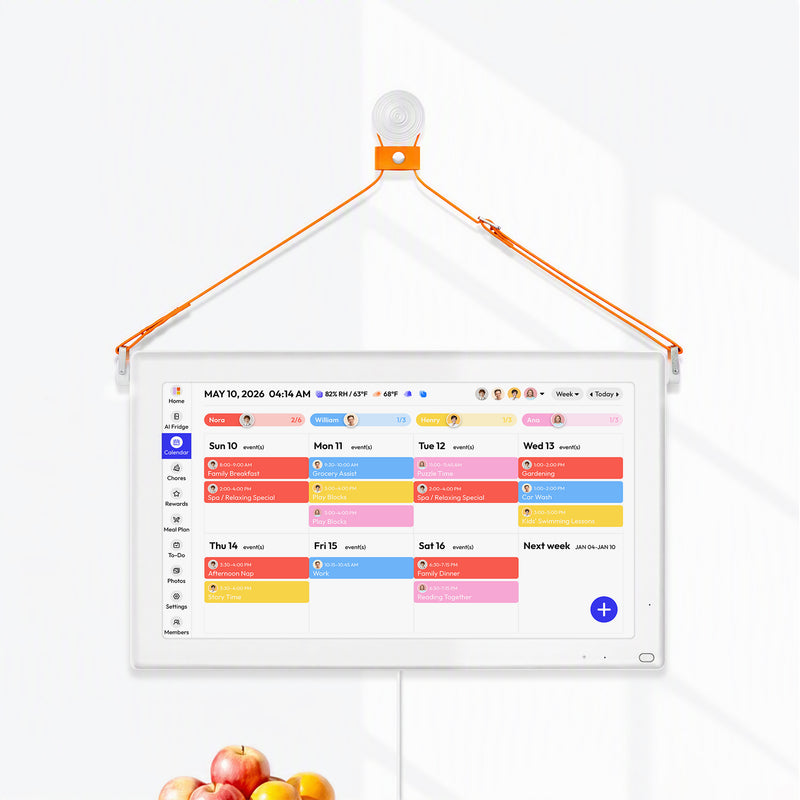
Wall height matters more than people expect. A good rule is to keep the main calendar and weekly plan around adult eye level, with kid-friendly items lower if children are expected to check chores or lunch notes on their own. If the wall gets strong afternoon sun, think about glare before adding a glossy acrylic board or a digital screen. If you want a wall-mounted display, check for nearby outlets first so cords do not cut across the kitchen or invite grease and splash problems near the stove or sink. Kitchen mess matters here: the best planning wall is close to the action, but not so close that steam, food splatter, and sticky hands make it unpleasant to use.

A quick placement test before you commit
A simple tape-on-the-wall test is one of the easiest ways to avoid drilling holes in the wrong place. Tape printer paper where the calendar, paper bin, hooks, or screen would go, then live with it for two or three days.
This test shows whether cabinet doors hit the setup, whether the writing area feels cramped, and whether the hub is readable while moving through the room. It also helps renters, because it lets you confirm the layout before using adhesive products, removable hooks, or a smaller fridge-based version.
What to Put on the Wall and What to Keep Off It
A functional command center does not need to hold everything. It needs to hold the things people ask about over and over: where do we need to be, what are we eating, what needs to get done, and what paper still needs action.
For most families, that means five core pieces:
- A shared calendar with large writing space or a digital family display
- A weekly meal plan
- A short chore or responsibility list
- One paper zone for action items only
- A pen cup, dry-erase marker, or other tool that stays with the system
Keep the paper zone tight. A paperwork system works better when you scan or file long-term documents elsewhere and only keep short-term items here, such as permission slips, one bill that still needs payment, or a receipt needed for a return. This is how the wall stays useful instead of becoming a decorated pile.
Build around family routines, not categories
A kitchen system that uses activity-based zones is easier to follow than one built around vague labels. If mornings are hard, place breakfast notes, lunch reminders, and the weekly schedule near the breakfast prep area. If after-school chaos is the bigger problem, put snack access, chore reminders, and the family calendar closer to the fridge or pantry.
This same logic helps with kids. Lower shelves or bins can hold snacks, water bottles, or lunch-packing items children are allowed to manage on their own, while the wall above carries the shared plan. The result is less calling across the house and fewer missed handoffs because the information and the routine live in the same part of the room.
How to Connect a Digital Calendar Without Creating Double Work
A shared family calendar is most useful when the phone and the wall do different jobs. Let the app handle real-time updates, reminders, and syncing across adults. Let the kitchen wall handle visibility, quick check-ins, and simple family communication.
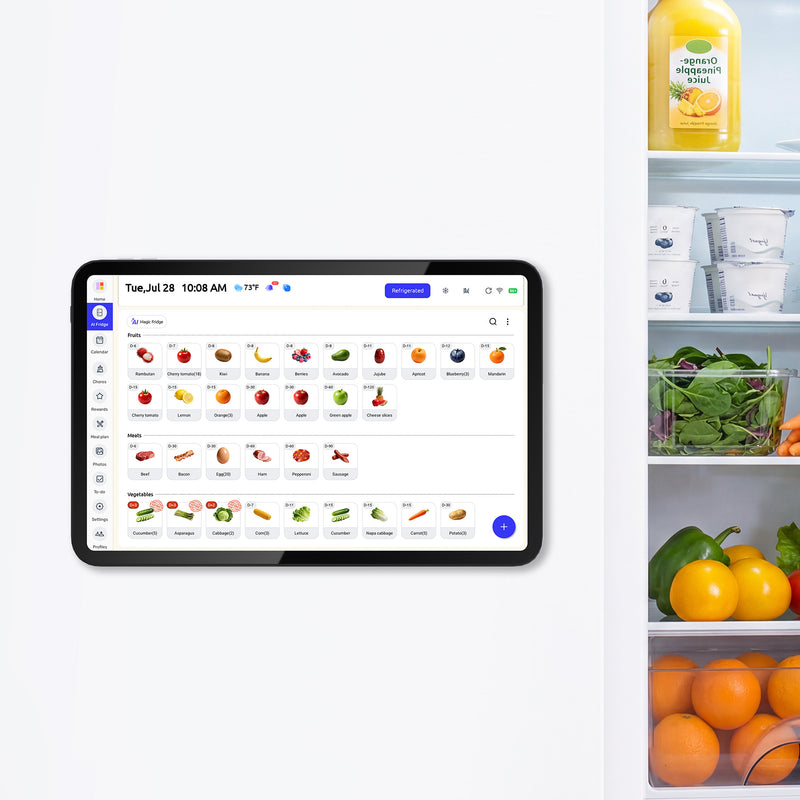
That division prevents duplicate work. You do not need to fully rewrite every phone event by hand if a digital system already exists. Instead, use the wall for the week’s most important items: school events, work schedule changes that affect pickup, dinner plans, and chores. If you use a digital display such as a platform device, another platform device, or a wall-mounted option like the Everblog digital calendar to show shared events and chores in one visible place, keep the overall system simple so you are not updating the same information twice.

A digital-vs-paper comparison shows the trade-off clearly. Paper or dry-erase calendars are inexpensive, easy to grasp, and often enough for one weekly view. Digital options cost more, often from about $169.99 to several hundred dollars, but they can sync with a platform, another platform, a cloud service, a family organizer, and household apps, which matters if two adults are updating plans from different places during the day.
A low-friction hybrid setup
The easiest hybrid system is this: keep the master schedule in one app, then review and simplify it onto the wall once a week. A weekly family check-in on Sunday night works well because it catches school deadlines, dinner gaps, and chore bottlenecks before Monday starts.
Color coding helps, but only when it stays simple. Give each family member one color, use one section for meals, and one section for chores. If the wall starts to look like a rainbow of stickers, it stops being glanceable. The goal is less visual clutter, not more.
Make Meals and Chores Visible Enough to Share the Load
A weekly meal calendar cuts down on daily decision fatigue because dinner is settled before 5:00 PM. It also makes grocery planning easier when you can see the week in one place and group your shopping by store section or add missing ingredients to a shared list.
Chores work the same way. When the task lives only in one adult’s head, it is easy for everyone else to miss it. Making chores visible on the planning wall helps turn invisible labor into named, assigned work, which is especially important in homes where one person tends to remember everything. A clear list with names, standards, and timing is more useful than a vague note that says “help more.”
One practical model comes from shared meal and cleanup planning: assign one person or pair to own the task for that day, rather than asking the whole household to “pitch in.” The same approach works at home. One child sets the table, one adult handles lunches, another person resets the kitchen after dinner. Clear ownership reduces reminders and resentment.

Keep kid participation realistic
A kid-friendly kitchen system should use lower storage, simple labels, and chores matched to age and ability. Younger children may respond better to picture cues or one-step jobs. Older children can handle a weekly checklist, snack restocking, pet care, or loading part of the dishwasher.
This is also where room imperfection matters. If the wall is small, you do not need a giant command-center installation. A compact calendar, a slim notes board, and one vertical file can still do the job. A planning hub succeeds when the family can use it daily, not when it fills every inch of wall space.
Keep the Hub Simple Enough to Last
A maintainable home organization system works best when it fits into short sessions. Many busy families do better with a quick 20- to 30-minute reset than a full afternoon of organizing, so design the wall for fast weekly upkeep.
That means fewer bins, fewer categories, and fewer “someday” papers. It also means accepting that the kitchen is a working room. If your planning area sits near backpacks, lunch prep, and mail, it will never look showroom-perfect. The goal is function: faster glanceability, fewer missed tasks, and less spread across counters.
For renters or budget-conscious households, start small. A budget-friendly command center can cost around $75, and many DIY versions can be built from basics you already own: a dry-erase board, a clip file, removable hooks, and one basket. If the system proves useful, you can expand later with a larger board, better storage, or a digital display.
Action checklist
- Pick one kitchen wall that people already pass during breakfast, snack time, and dinner cleanup.
- Test the layout with taped paper before mounting anything.
- Add only the five basics: calendar, meal plan, chore list, action-paper zone, and writing tools.
- Check glare, outlet access, and distance from stove splatter or sink spray before adding a screen.
- Hold a 15- to 20-minute weekly reset to update the wall and clear old papers.
- Keep the master schedule in one shared app if your household needs live updates outside the home.
FAQ
Q: Should a family planning hub be paper, digital, or both?
A: Both works best for many busy families. Use a digital calendar for syncing, reminders, and updates from your phone, then use the kitchen wall for the week’s most visible items so everyone can check plans at a glance.
Q: What if my kitchen does not have a big empty wall?
A: A planning hub can be small. A narrow wall, side of a cabinet run, fridge area, or compact section near the pantry can still hold a calendar, meal plan, and one paper bin if the sightlines are good.
Q: How do I stop the hub from turning into paper clutter?
A: Keep only actionable paper there. If it does not need a decision, signature, payment, or return soon, file it elsewhere or recycle it. Review the paper zone once a week so the wall stays useful.
Final Takeaway
Turning a kitchen wall into a planning hub is less about decor and more about placement and restraint. Put the hub where the family already looks, keep it high-visibility but out of the messiest splash zone, and give it one job: make schedules, meals, and chores easy to see.
If you want the setup to last, start with the smallest version that solves a real daily problem. A clear weekly calendar, one meal plan, and a short chore list will help your family faster than a large, complicated wall that no one updates.


