
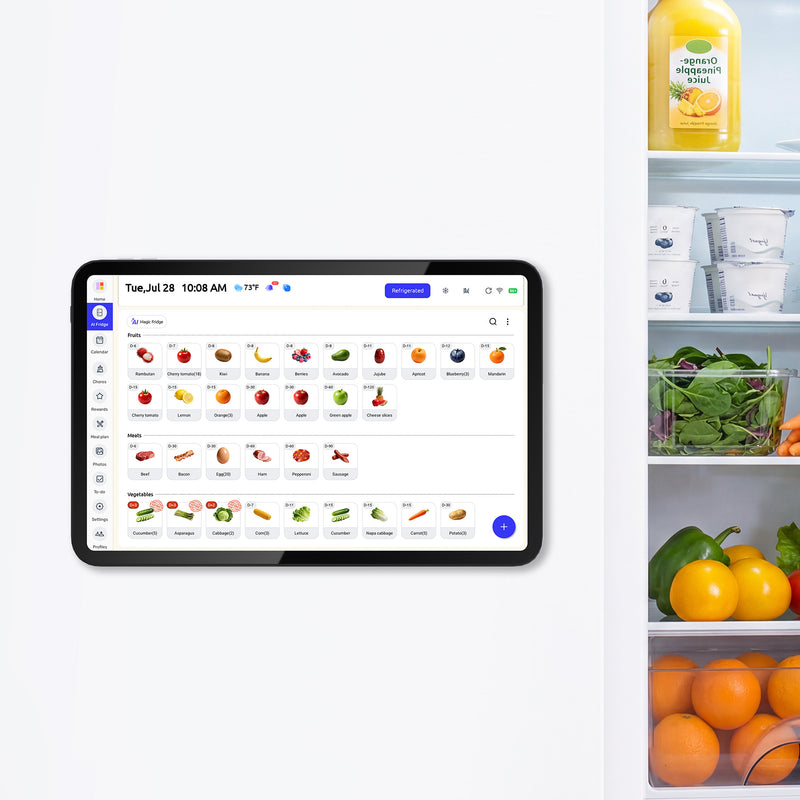

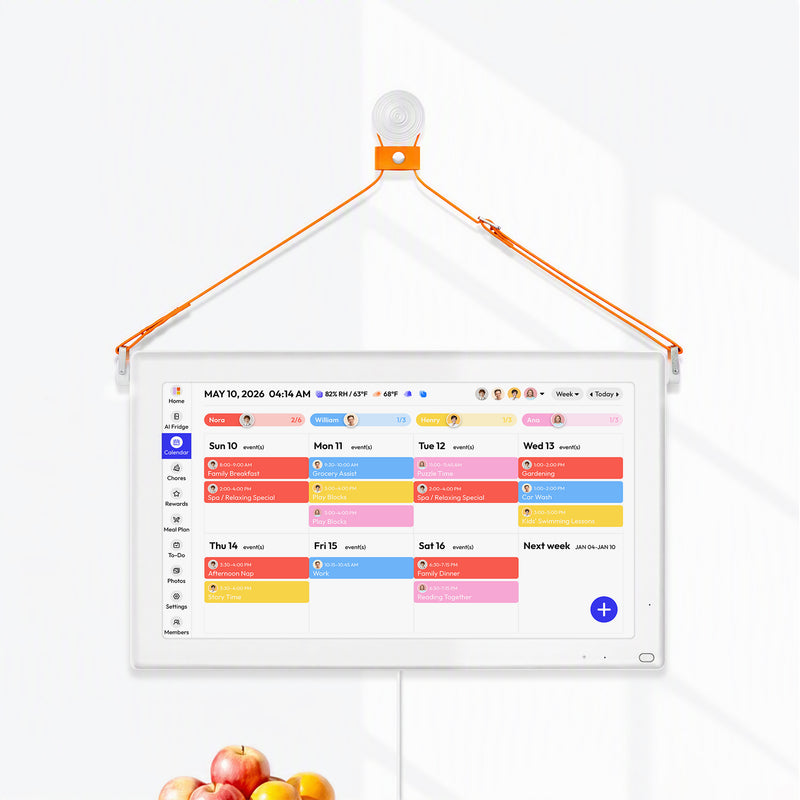




The most reliable setup is a grandparents-friendly shared calendar plus a simple home command center for schedules, papers, and meals. Keep entry fast, visibility high, and weekly routines short.
When school forms stack up, dinner shifts at 5:00 PM, and medical appointments change midweek, grandparents are often the last to hear updates. Homes that move planning from scattered phones to one visible shared system can get running in about a week and reduce missed commitments through better reminders and clearer ownership. You’ll get a practical framework to set up that system and keep it sustainable.
Start With One Shared System, Not Five Separate Tools
Use a two-layer architecture
A family command center works best when it combines calendar events, lists, meal planning, and task capture in one hub, instead of spreading them across multiple apps, paper notes, and texts. In many homes, one adult becomes the “manual connector” between tools, which is where dropped updates and resentment start.

A a company is simple enough to maintain: one visible household display, synced personal devices, and a weekly reset routine. This model handles fast-changing family schedules better than paper-only systems, and it can be set up quickly.
A cross-generation communication gap appears when calendar tools rely on small text, crowded buttons, and icon-heavy navigation. If a grandparent spends 20 minutes trying to add one event and fails, usage drops fast, so clarity has to beat feature depth.
Make The Command Center Grandparent-Readable
Design for glanceability and low friction
A multi-generational home layout needs clear shared zones, private retreat areas, and enough storage to keep common spaces functional. When clutter builds near your planning area, schedule visibility and follow-through both decline.
A managing-with-less approach keeps organization affordable and maintainable, using reused containers and simple labels instead of buying premium bins for every category. That matters in larger households where costs can multiply quickly, especially when acrylic organizers can run about $30 each.
A fast-entry workflow is the strongest adoption lever: entering a school sheet with 35 events can take about 45 minutes manually but about 2 minutes with photo extraction plus review. If information capture is slow, people postpone it, and missed events become a system problem, not a discipline problem.

Add Access Paths Grandparents Already Trust
Combine visible screens, voice reminders, and human review
A digital wall calendar for seniors improves readability with large, high-contrast visuals and shared sync with Google or Apple calendars. Using an existing tablet or TV display also lowers setup friction and hardware cost.
A senior-friendly display model should work passively and actively: the schedule is visible all day, but tapping is optional for task completion or details. Place it in a high-traffic room like the kitchen or living room so it becomes part of daily movement.
A voice-first reminder path supports grandparents who prefer regular phone calls or landlines over apps. Automated call reminders with keypad confirmation and voice-based event entry reduce failure points, while optional family review keeps the shared calendar accurate.
Standardize Care And Appointment Handoffs
Treat care logistics like operations, not memory
A single home for care logistics prevents missed handoffs caused by memory-based tracking and scattered channels. Each appointment entry should include date, time, location, provider, attendee, planned questions, decisions, and next steps.
A shared caregiving calendar should assign each event to one person and include prep requirements, follow-ups, and emergency contact details. Start with critical categories first, such as appointments and medications, then expand once the habit is stable.
A phone-compatible reminder option helps when some caregivers use apps and others do not. Mixed-access systems work better when every key event has one owner, one reminder channel, and one documented follow-up.
Run Meal Planning As A Household Workflow
Plan once weekly, then execute modular meals
A weekly meal-planning model reduces nightly decision fatigue by making dinner decisions once per week. This matters because dinnertime stress is high for parents, and consistent planning is linked with better diet quality and more variety.
A family meeting process improves buy-in across generations by collecting favorites, no-go foods, and schedule constraints in advance. One practical structure is a shared “family favorites” list plus one meal-choice night per child.
A constraint-based planning method keeps one dinner workable for everyone by separating safety constraints from preference constraints. Filter hard exclusions first, then rank recipes by preferences, and generate one combined grocery list to avoid duplicate shopping.

Practical Next Steps
A 14-day rollout you can start this weekend
A a company is realistic for most homes: Days 1-3 set location and sync, Days 4-7 focus on rapid entry of core commitments. Most families can stabilize by day 14 with a Sunday reset (20-30 minutes) and a nightly 3-minute check.
A photo/PDF intake step should be your first automation because bulk event entry is the biggest failure point. One scanned school handout or sports PDF can save dozens of manual entries and protect consistency across devices.
A weekly care-admin review keeps the system current by separating immediate tasks from follow-ups and assigning owners with target dates. This routine prevents urgency bias and keeps medication lists, provider contacts, and paperwork aligned.
Action Checklist
- Pick one visible household display location and test readability from 6-10 ft away.
- Create one shared family calendar and set color rules for categories and people.
- Add one low-friction intake method for school forms and schedule PDFs.
- Set up one grandparent-friendly reminder channel (voice call, wall display, or both).
- Run a Sunday planning/reset session at a fixed time and keep it under 30 minutes.
- Hold one midweek 15-minute care-and-meals review to reassign tasks and adjust plans.
Important Note
The planning templates and organizational systems provided here are intended as adaptable blueprints. Every family’s needs, dietary requirements, and physical capabilities are different. We recommend tailoring these schedules to your specific health needs and household dynamics. Results from productivity or meal-planning systems may vary, and consistency remains the responsibility of the individual user.
References
- Nori: Multigenerational Family Collaboration
- Calendara: Family Command Center App
- Southern Living: Grandma Organizing Tricks
- Farms and Estates: Multi-Generational Home Guide
- MealThinker: Family Meal Plan
- Everblog: Digital Family Calendar vs Paper
- Mango Display: Help Aging Parents Stay on Track
- Mango Display: Senior-Friendly Digital Calendar Display
- SageBeam: Organize Caregiving Tasks and Appointments
- Family Care Bridge: Shared Calendar for Family Caregiving
- Sarah Remmer: Meal Plan for a Blended Family
- Pantrimo: Family Meal Planning With Multiple Dietary Needs


