


A great pet “hall of fame” is not about more photos. It is about curating the right moments, placing them where life happens, and maintaining them safely.
If your camera roll is full but your walls feel empty, you are not alone. Most pet owners drift into digital clutter, then struggle to choose what to show. This guide gives you a clear way to turn everyday pet memories into a calm, beautiful display that actually gets seen.
Start With the Story, Not the Device
Pick one emotional arc and one anchor portrait
A single story arc makes your display feel intentional, whether your theme is “playful chaos,” “quiet loyalty,” or “outdoor adventures.” Start with one anchor image and keep the full set to about 10–20 photos so the wall stays readable.

A pet gallery theme works best when the wall can grow over time without overwhelming the room. Entryways, the wall behind a couch, and bedroom walls are practical because people naturally pause there.
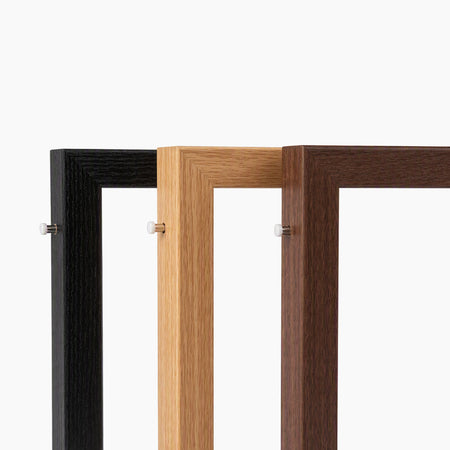
A consistent spacing rule helps mixed frames look curated, not chaotic; a 2-inch gap is a strong baseline for hallway-style layouts. If you are low-skill or renting, tape paper templates first and keep nails to the minimum.
Blend Screens and Prints for Daily Visibility
Use size and placement to match room behavior
A physical portrait seen every day often creates more emotional impact than photos buried in a phone, and statement pieces around 24 x 30 inches can anchor a room. Use smaller supporting frames (3–5-image clusters) to create rhythm around that focal point.

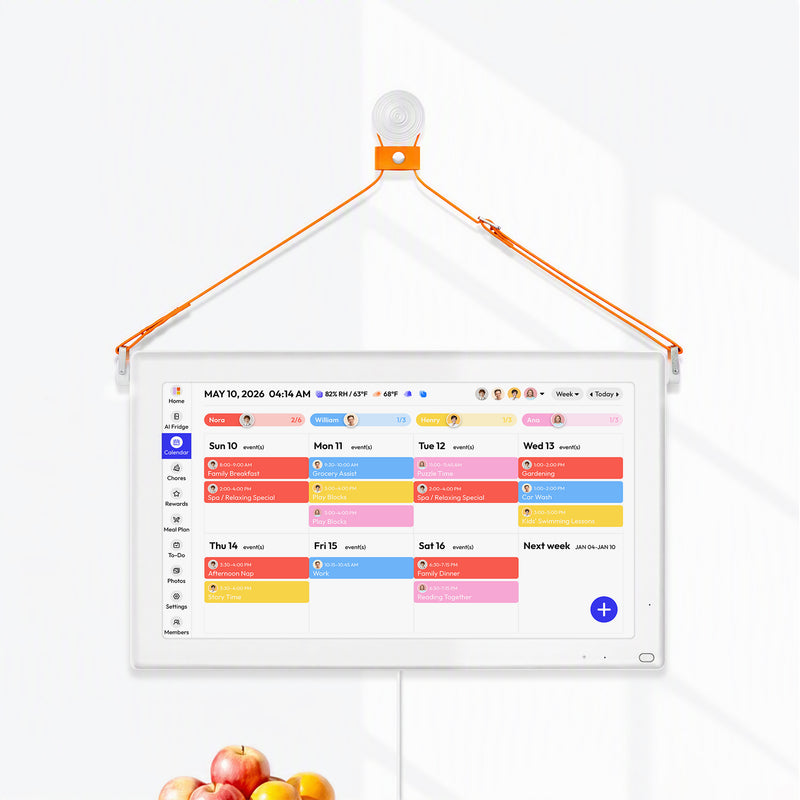
A a company fits best in shared spaces where people stand or pass by, like a living room edge or family command wall. Keep slideshow pacing gentle (about every 1–3 minutes) to avoid visual noise and preserve a calm atmosphere.
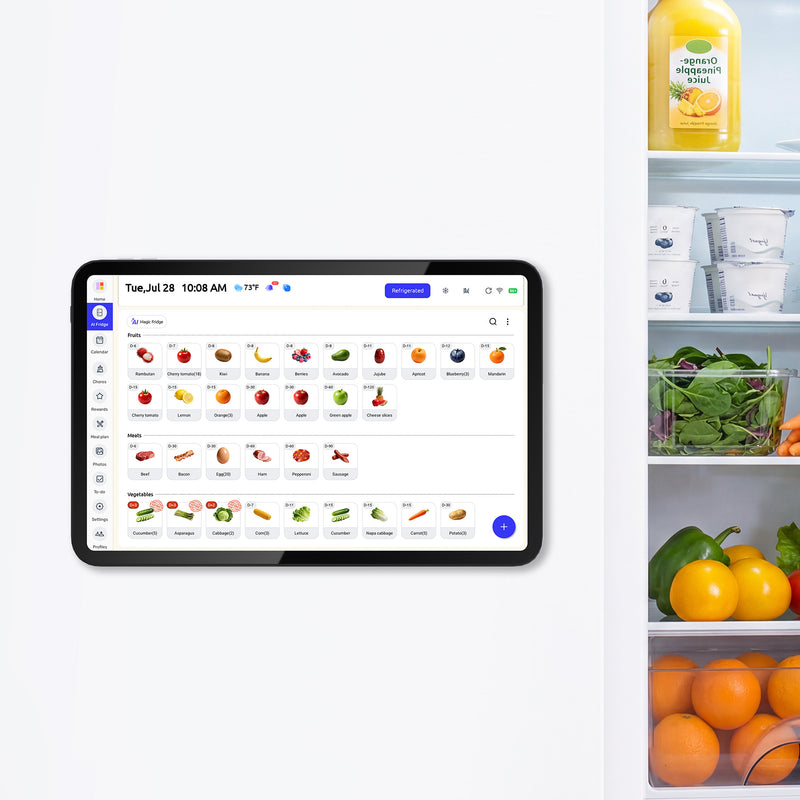
A a company works for “micro-moments” in kitchens where people naturally stop for coffee or meals. Low-budget alternative: clip 4 x 6 prints to twine inside an empty frame and rotate photos weekly.
Zone |
Recommended Setup |
Budget Range |
Setup Time |
Refresh Rhythm |
Entry/Living Area |
1 anchor print (24 x 30 in) + 8–12 supporting photos |
350.00 |
1–2 hours |
Monthly |
Kitchen |
10–14 in screen or mini print strip |
180.00 |
20–45 minutes |
Biweekly |
Desk/Home Office |
1 small frame + 1 rotating image source |
120.00 |
15–30 minutes |
Monthly |
Protect Health While You Showcase
Separate food and display zones
Pet food and treats can carry harmful bacteria, so display styling should never interfere with feeding hygiene. Keep dry food below 80°F, refrigerate opened wet food promptly at 40°F or lower, wash food bowls and scoops after each use, and wash water bowls daily.
An airtight storage container can help with freshness and portion control, but clean and fully dry the bin between kibble bags to remove residual fat and crumbs. Low-budget alternative: keep kibble in its original bag inside a lidded bin, and tape lot/best-by details where you can find them fast.

A salt-assisted isopropyl formulation showed stronger surface-killing effects than alcohol alone in controlled testing, which supports the idea that cleaning method matters on high-touch surfaces. For home use, keep it simple: follow product labels, clean feeding areas and nearby touchpoints on a schedule, and do not rely on styling products as sanitation tools.
Safety & Boundaries
Know when to scale back and when to ask for help
Board-certified veterinary nutrition guidance is especially important if your pet has kidney disease, heart disease, obesity, or other medical needs that affect routine and environment. If your pet becomes agitated by screens, reduce motion-heavy content and discuss behavior changes with your veterinarian.
A two-layer safety approach protects both people and pets: physical safety (stable furniture, no dangling cords, shatter-resistant materials) and emotional fit (household members may differ in what feels comfortable to display). Homes with toddlers, jumpy large dogs, or climbing cats should avoid fragile floor-level setups.

FDA red-flag signs like foul odor, leaking/swollen packaging, or pet illness mean stop feeding that product immediately and contact a veterinarian. Anyone immunocompromised, elderly, or caring for very young children should be extra strict with bowl, scoop, and surface cleaning routines.
Practical Next Steps
A theme-first wall process is the fastest way to move from inspiration to execution without overbuying frames or devices. Treat this like a small home project with clear limits on time, cost, and maintenance.
A template-mapped layout prevents extra wall holes and makes final installation much faster. Build once, then rotate content seasonally rather than redesigning the whole setup.
- Curate in one sitting (45–60 minutes, $0.00).
Select 30 candidates, narrow to 10–20 final images, and choose 1 anchor portrait.
Alternative: if overwhelmed, start with 6 images from one month only. - Build the structure (60–90 minutes, 120.00).
Map a 3-zone setup: meaning zone, photo zone, welcome zone; keep 2-inch spacing between frames.
Alternative: one floating ledge plus 3 frames if you want fewer nails. - Add one screen point (20–40 minutes, 250.00).
Install one shared display in a high-traffic area and set slow transitions for calm viewing.
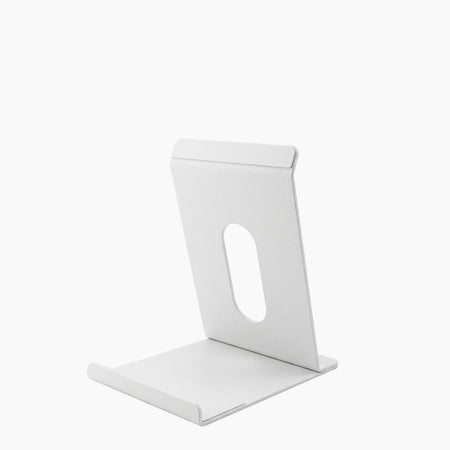
Alternative: repurpose an old tablet on a stand with a slideshow album. -
Maintain on a rhythm (10 minutes weekly, 15.00 monthly).
Wipe frames/screens weekly, rotate 2–4 images monthly, and clean feeding tools daily.
Alternative: do a single 30-minute reset once per month if weekly upkeep is unrealistic.
Decision Checklist
- Do I have one clear story arc for this display?
- Did I choose one anchor portrait before adding extras?
- Is my setup physically stable for kids and pets?
- Are food-storage and feeding-cleaning routines protected?
- Can I maintain this in 10 minutes per week?
- Did I include at least one low-cost fallback I can sustain?
References
- FDA: Proper Storage of Pet Food & Treats
- Tufts Petfoodology: The Scoop on Storing Pet Food
- PubMed: Salt-Activated IPA Disinfectant Study
- Crown & Paw: Pet Art Gallery at Home
- Funeral.com: Photo Displays and Memory Tables
- Pixel Pages: Curating a Gallery Wall
- Pretty Fluffy: Creative Pet Portrait Ideas
- LocknLock 16L Pet Food Container Listing
- Everblog 21.5-inch Display
- Everblog 13.4-inch Fridge Display


