


A simple family cleanup plan works best when kids have clear jobs, the recycling rules are easy to see, and the goal is steady progress rather than a perfect house.
Is your hallway still lined with shipping boxes, toy packaging, and crumpled paper while everyone is already tired of one more holiday task? Families usually get better follow-through when cleanup becomes a short shared routine with visible roles, not a vague order to help out. You can turn the mess into a calmer reset with a few clear steps that reduce arguing and build real responsibility.
Why the box mess feels so big so fast
Post-holiday clutter builds quickly because new gifts arrive before old systems make space for them, and cardboard takes up far more room than it seems to when it is still stacked by the door. In real family homes, this is where stress rises: one person wants the counters clear, another thinks the mess can wait, and the boxes become a daily visual reminder that the season is not actually finished. Flattening 10 medium gift or shipping boxes can reclaim several feet of floor and wall space in minutes, which is why this task is one of the fastest ways to make the house feel calmer.

Mental health during and after the holidays can be harder to manage, so it helps to stop treating cleanup like a full-house overhaul. A more practical target is a safe walkway, an empty main drop zone, and one working recycling station. That smaller definition of success lowers resistance for kids and adults alike.
Start with a family reset, not a lecture
Shared expectations matter more than good intentions, especially when family members have different ideas of what clean enough means. Before anyone touches a box, take one minute to define the job in plain language: boxes get flattened, paper gets sorted, plastic gets checked, and anything too big or confusing goes in a separate holding spot. Children cooperate better when the finish line is visible.
A simple home system is easier for kids to follow. A younger child can carry paper inserts or tape scraps to a bin, a grade-school child can flatten smaller boxes, and an older child can check labels, remove packing material, or roll the recycling cart out later. Help should mean a specific action that can be completed in 5 to 10 minutes, not an open-ended command that invites stalling.
What “help” should look like by age
Recycling habits can start early when adults keep expectations realistic. For a toddler or preschooler, that usually means handing over paper or dropping cardboard into one marked spot with supervision. For elementary-age kids, it can mean sorting cardboard from trash and checking whether containers are empty and clean. Older kids can manage the full sequence of breaking down, bundling, and moving materials to the curb or garage. The practical test is simple: if a child can do the task mostly without a second explanation, the task is a good fit.

Teach the recycling part simply enough to use today
Recycling is the process of sorting used materials, but children do not need the full industry lesson to participate well. They need three household rules they can remember. First, cardboard and clean paper usually go together. Second, anything with food, grease, or mystery residue needs to be checked before it goes in. Third, if an item seems sharp, tangled, battery-powered, or hazardous, it does not belong in the regular recycling bin.
Local recycling rules still matter because some communities accept items that others do not. That is the main downside of trying to teach this once and forget it: a child may learn a rule from school, a friend, or a video that does not match your local pickup system. The upside is that checking your household’s real rules together gives kids a concrete reason for the process. If your child asks why plastic bags, cords, or batteries do not go in the bin, that is not backtalk; it is the lesson working.
Approach |
Why it helps |
Watch-out |
One cardboard zone near the main mess |
Reduces decision fatigue and gets boxes off the floor fast |
It can become a pile if you do not flatten boxes right away |
Picture labels on bins |
Helps younger kids sort independently |
Labels need to match your local recycling rules |
A question basket for odd items |
Prevents wish-cycling and unsafe mistakes |
Someone still has to clear it weekly |
Make cleanup easier than arguing
Children learn home organization best through routines, so the best post-holiday cleanup trick is often a timer. Try one short round after breakfast or before screen time, with music on and one adult working alongside the kids. A 5-minute reset feels possible; clean the whole living room does not. In many homes, body-doubling matters more than rewards. If you are cutting tape, holding boxes open, or carrying flattened cardboard with them, resistance usually drops.

Making recycling feel creative and owned can increase participation, which is why decorated labels, color-coded bins, or a quick who-can-fill-the-cardboard-stack-first challenge often work better than nagging. The benefit is immediate buy-in. The drawback is that games can backfire if they become too competitive or if one child feels set up to lose. Keep the comparison against the clock or the pile, not against a sibling.
Progress over perfection keeps family systems from stalling. If half the boxes are done and the main traffic path is clear, that is a meaningful win on a busy December or January afternoon. One practical rule that helps after gifts come in is one in, one out: when a new toy, gadget, or decor item stays, one older item is donated, recycled, or removed. That keeps the cleanup from repeating next weekend.
When kids resist, look for the real reason
Holiday stress affects families unevenly, and resistance after the holidays is not always laziness. Sometimes a child is overwhelmed, disappointed that celebrations are over, protective of packaging tied to a new gift, or simply worn out by travel and schedule changes. If a child melts down over a box, the more useful question is not Why are you making this hard? but Do you want to keep the item, the box, or the memory?
Flexible expectations are especially important when grief, loneliness, or general stress is already present. Some children need a transition ritual before cleanup starts, such as taking one photo of favorite gifts, saving one special tag or card, or choosing one empty box for a fort before the rest are recycled. That small pause honors the feeling without letting the whole cleanup stall.

Turn this into a January system
Simple, labeled household systems are what make organization last. Once the boxes are gone, give the remaining holiday items a clear home: gift bags in one bin, working lights in another, batteries in a safe non-kid zone, and donation items in a bag by the door. When children can see where things go next, cleanup stops feeling like random adult decision-making.
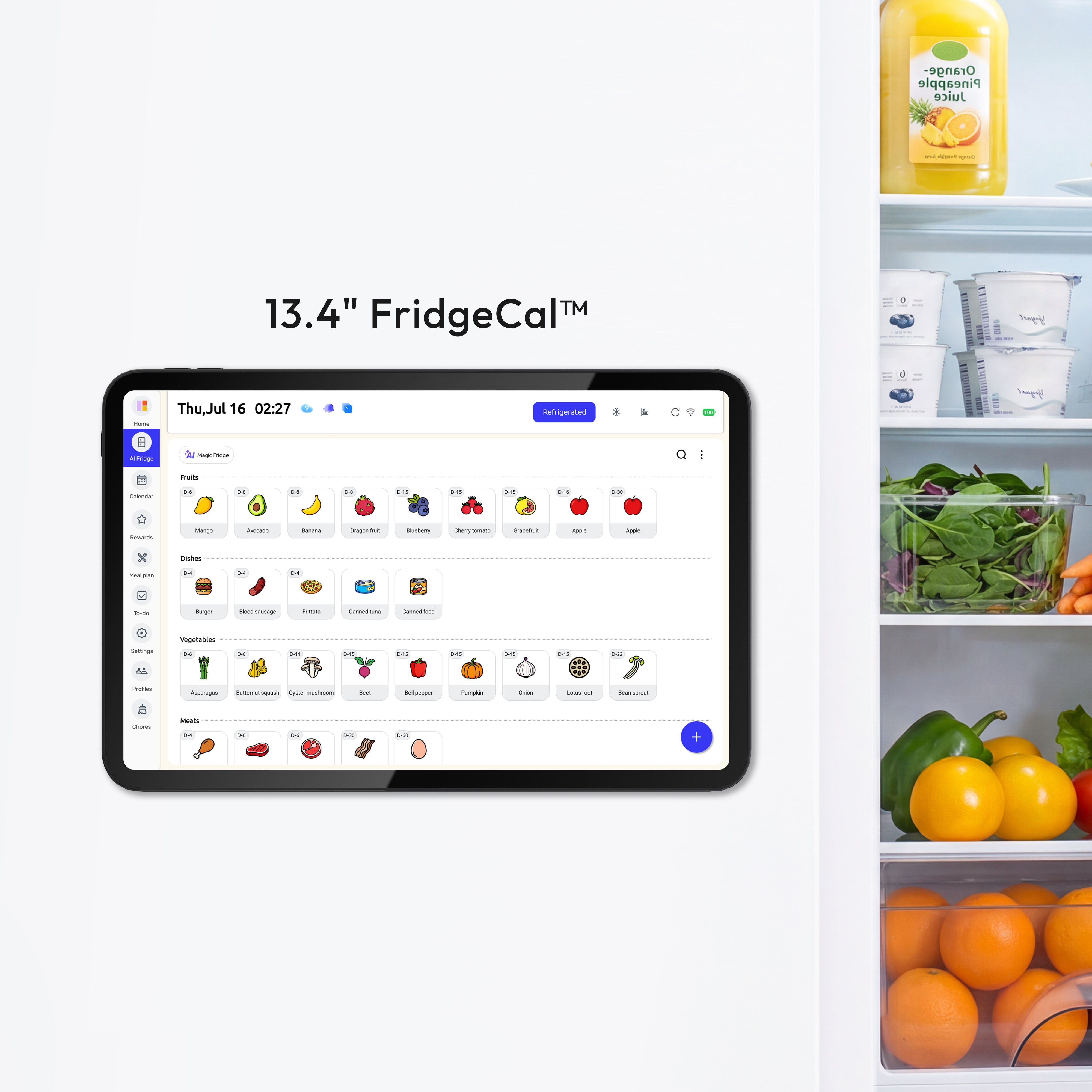
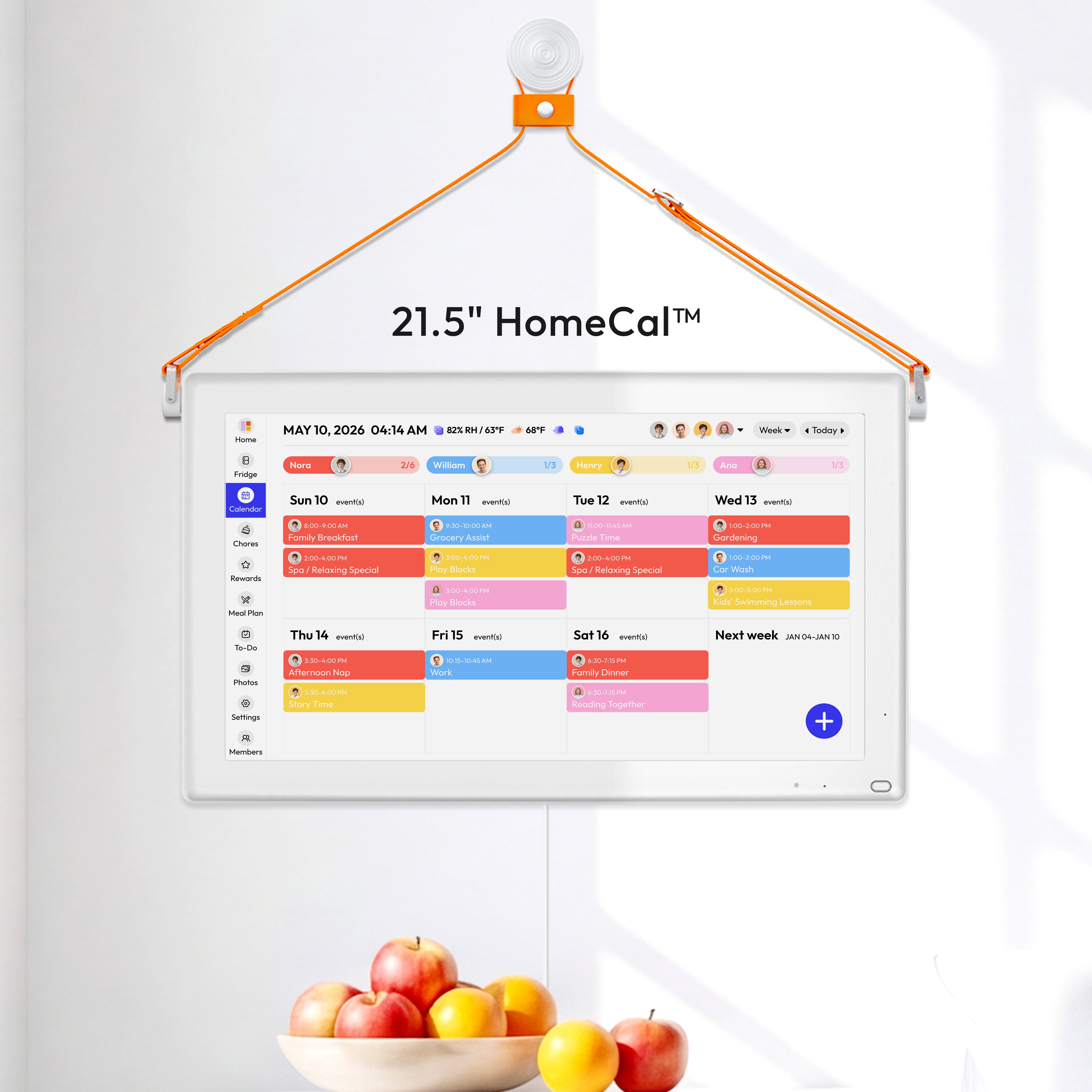
Family organization works best when upkeep is attached to routine. A nightly 5-minute sweep of the entryway, kitchen, or family room is usually enough to prevent the next pileup. If your fridge calendar or command center already tracks practices, school pickups, and grocery needs, add one repeating recycling check the evening before pickup day. That is the kind of small household habit that reduces clutter, lowers friction, and gives kids a visible role in keeping the home running.
A calmer home after the holidays does not come from one big burst of motivation. It comes from a short shared routine, easy-to-follow recycling rules, and the steady message that everyone in the family helps carry the reset.


