







Kids often miss the work behind family life because most planning happens out of sight. A shared calendar helps by turning “Mom will remember” into something the whole household can actually see and use.
You can feel this problem in small moments: a child asks what’s for dinner while you are texting about pickup, signing a school form, and trying to remember who has soccer at 6:00 PM. Making plans visible will not remove all stress, but it can cut repeated questions, make handoffs clearer, and help kids start noticing that family life runs on real work.
Why plans look automatic to kids
Most family planning is invisible
A lot of household work happens in someone’s head. Meals, school events, dentist appointments, permission slips, birthday gifts, and whose turn it is to empty the dishwasher often get managed quietly in between everything else.

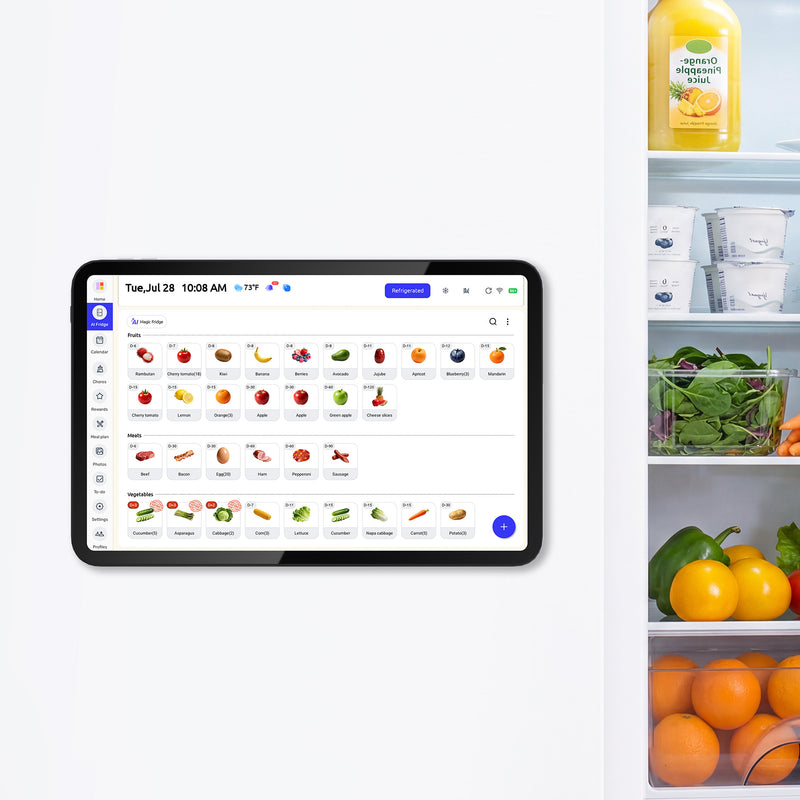
That is one reason kids can act as if plans appear by magic. A family command center works best when calendars, meal plans, lists, and reminders live in one shared place instead of being scattered across texts, sticky notes, and one parent’s memory. When the system is hidden, children only see the outcome. They do not see the setup.
Children respond better to what stays visible and repeated
Kids usually learn household expectations through repetition, not long explanations. A simple chore routine with the same job for one week at a time can reduce arguing and forgetfulness better than a more complex chart because the task stays predictable.
That same principle applies to planning. If a child sees “trash tonight,” “library books due Thursday,” and “tacos Friday” in the same place every day, the family’s plans stop feeling random. They start looking like a system.
What a shared calendar changes
It moves planning out of one person’s head
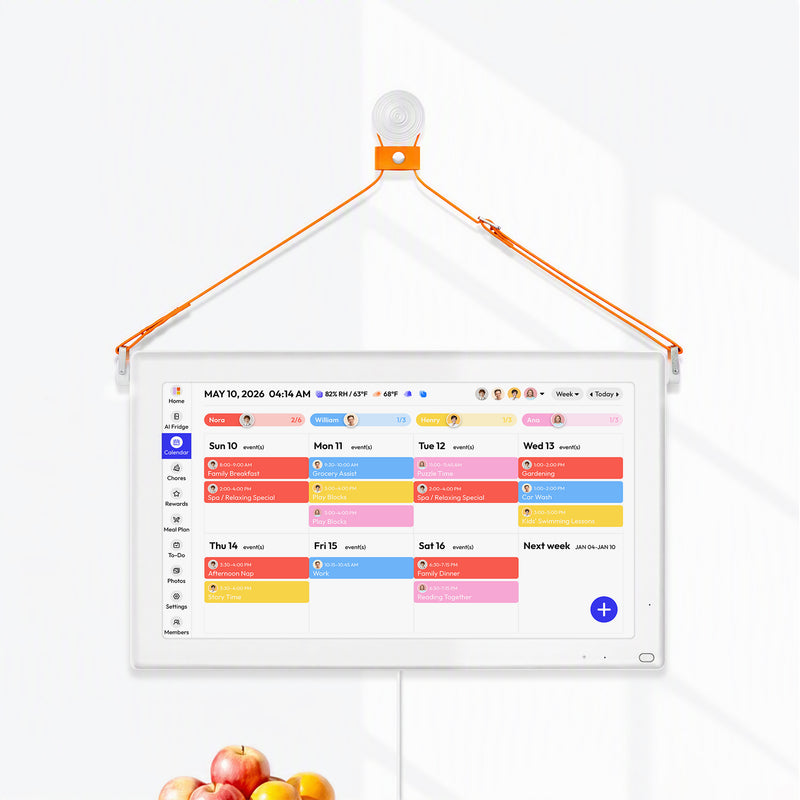
A platform family calendar can be edited by family members with access and viewed on signed-in devices, which makes it easier to keep one current version of school events, practices, and appointments. That matters because the point is not just storage. The point is shared visibility.
For many families, the practical shift is simple: instead of asking one parent five times, kids learn where to check first. That does not mean young children will suddenly manage their own week. It does mean the household has one visible answer instead of a guessing game.

Visibility helps with handoffs
A shared family organizer can combine schedules, grocery lists, meal plans, and to-dos in one place, which helps when responsibility moves from one person to another during the day. If one adult handles morning drop-off and another handles pickup, the calendar becomes the handoff tool, not just a record.
This is where many homes get relief. A visible calendar can reduce the “I thought you knew” problem. It also helps kids connect events to preparation: practice means water bottle, early dismissal means different pickup, and a birthday party means a gift has to be bought before Saturday morning.
What to make visible, not just what to remember
Start with three household lanes
A family command center setup usually works best when it covers a few core categories: schedule, papers, and daily action items. For most households, the useful starting point is three lanes:
- calendar items like school events, practices, appointments, and visitors
- meal information like tonight’s dinner or who is cooking
- chores and home tasks like dishwasher, pet care, trash, and laundry
This matters because kids do not need access to every adult detail. They do need access to the plans that affect them. If they can see dinner, pickup, and their job for the day, they understand more of how the house runs.
Put the system where family traffic already happens
A visible command center tends to work better in a kitchen, entryway, or other high-traffic area than in a side office or a wall no one passes. Families often stop using planning tools that are technically organized but practically out of the way.
A good test is whether a child can glance at it while grabbing a backpack. If the answer is no, it may be too hidden. Many households do better with a fridge, a kitchen wall, or a tablet or wall display near the place where shoes, bags, and questions already pile up. Some families use a wall-mounted shared calendar display like the Everblog 21.5" Digital Calendar to keep plans, chores, and reminders visible in one place.

How to involve kids without turning them into mini-adults
Give children one clear planning job at a time
An age-appropriate chore approach usually means choosing tasks a child can do with minimal risk and some coaching. The same applies to planning support. Younger kids can match socks, set placemats, or check whether it is a library day. Older kids can watch for trash night, prep a snack, or manage part of their laundry routine.
Plain-English version: executive function means the brain skills that help a person start tasks, remember steps, switch gears, and finish what they began. Some kids need those supports made more visible. A calendar, checklist, or repeating chore block can help them know what happens next without making a household tool sound like treatment.
Use short routines instead of long reminders
A working family chore system can succeed with daily and weekly tasks, a clear make-up window, and age-based responsibility. What often breaks is not the child’s attitude so much as the handoff. “Clean up later” is vague. “Ten minutes before school and ten minutes after dinner” is easier to follow.
That is why short planning rituals often help more than repeated verbal prompts. One evening check of tomorrow’s calendar, one glance at dinner, and one assigned task can do more than a long lecture about responsibility.
Paper, app, or wall display: the real trade-offs
Paper is visible, digital updates itself
A digital family organizer can combine calendar events, chores, meals, lists, and notes so updates appear across phone, tablet, and desktop. That solves one common paper problem: when plans change at 2:15 PM, the wall calendar does not update itself.
But paper still has a real advantage in homes with younger children. A dry-erase board or wall calendar is always on, easy to scan, and does not depend on a child having a device. For many families, the strongest setup is not either-or. It is digital for live updates and a visible home display for daily awareness.

Choose the least complicated system your household will maintain
A digital calendar comparison shows that family planning tools now range from free shared calendars to dedicated wall screens costing from about $169.99 to $599, with some subscriptions layered on top. More features can help, but only if the family will actually use them.
The better question is not “What is the best tool?” It is “What will stay updated on a normal Tuesday?” A free shared calendar may be enough. A wall display may help if multiple people need one large shared view. A simple paper board may still win if the problem is visibility more than syncing.
What often breaks and what may help
Rotation can teach skills, but transitions need support
A weekly rotating chore model gives kids practice with different household jobs, but one reported drawback is that some children need several days of reminders when the task changes. That is useful because it shows where systems fail: not always in the task itself, but in the transition.
What may help is making the change obvious. Put the new week’s jobs where everyone can see them. Use color by child or by task. Keep the categories stable even when the names rotate. If “kitchen,” “pets,” and “trash” are always visible, the child only has to track who owns the lane this week.
Motivation usually follows clarity better than pressure
A simple repeated assignment often works because it lowers the amount of remembering children have to do. Families in real homes also use compliments, small privileges, and occasional flexibility like sibling swaps by agreement. Those supports matter because they reduce friction without turning every task into a negotiation.
If one parent has been carrying the whole plan, this is not a sign that anyone failed. It usually means the system is still too invisible. When kids can see what needs doing, what is due next, and who owns it, they have a better chance of participating.
Final Takeaway
Kids often think plans “just happen” because they only see the finished result, not the calendar checks, the meal decisions, the reminders, and the handoffs behind it. A shared family calendar or command center helps when it makes three things visible: what is happening, who is responsible, and what needs to happen next.
If you want a low-drama place to start, keep it small. Put one shared calendar where people already gather. Add tonight’s meal and one short chore block. Then teach kids to check the system before they ask the busiest person in the house.
Action checklist
- Pick one shared planning spot your family already passes every day.
- Show only the items that affect daily life: events, dinner, chores, and school papers.
- Give each child one age-appropriate planning responsibility to check or update.
- Use short routine windows, such as 10 minutes before school and 10 minutes after dinner.
- Review the system once a week so changes do not live in one parent’s head.
- Keep the format simple enough that it still works during a busy week.
FAQ
Q: Do kids really need to see the family calendar if adults already know the plan?
A: Usually yes, if the goal is shared responsibility. When children can see pickup times, activities, and chores, they are more likely to understand that plans require preparation and follow-through.
Q: Is a digital family calendar better than a paper one?
A: It depends on the problem. Digital tools are better for live updates and reminders. Paper is often better for constant visibility, especially with younger kids. Many families do best with a digital source of truth and one visible home display.
Q: Will a shared calendar fix missed chores or constant reminders?
A: Not by itself. It works best when the calendar is paired with clear ownership, short routines, and age-appropriate tasks. The tool makes expectations visible, but the routine is what makes them stick.
Disclaimer
This article is for household planning education only. It is not a substitute for mental health care, medical advice, legal advice, or crisis support. If safety, custody orders, or a diagnosed condition are involved, work with the appropriate licensed professional.
References
- A parenting website: How to Create a Chore Schedule That Actually Works
- A company: Tips for Managing Chores with Kids
- A website: Functional Command Center
- A website: Family Chore System
- A website: Family Command Centers
- A website: Chore System for a Family of 12
- A platform
- A platform help page: Family Calendar
- A platform
- A company: Best Digital Family Calendar for Planning & Chores in 2026
- A website: Functional Family Command Centers


