





A shared planning hub helps when family life keeps living in five different places. It makes the work visible, reduces constant reminders, and gives everyone one place to check before asking, forgetting, or guessing.
Do you feel like the day starts with “Who’s picking up?” and ends with “Why didn’t anyone tell me?” That pattern is common when one adult is carrying the remembering, the tracking, and the follow-up, while the actual information is scattered across texts, paper, apps, and memory. You’ll get a practical way to build one family planning system that supports schedules, meals, chores, and handoffs without turning your home into a project.
Why family planning breaks down so easily
Executive function is the set of mental skills people use to plan, organize, remember details, start tasks, and finish them. In plain English, it is the brain’s “run the day” system. When that system is stretched thin, even simple household jobs can fall apart because the hard part is not always doing the task. It is noticing it, sequencing it, and remembering it at the right time.
The mental load of parenting is often less about washing dishes or driving to practice and more about constantly tracking what is next. School forms, grocery gaps, dentist appointments, spirit week, dinner, birthday gifts, and who needs clean cleats all compete for attention. A university notes that the brain can only focus on about three to four things at a time, so frequent task-switching drains energy fast.
What often breaks
A family system usually breaks when the plan lives in too many places. One person has the school email, someone else has the sports app, the grocery list is on a fridge pad, and the chore expectations are spoken out loud once and then forgotten.
That is why a single source of truth matters more than a perfect tool. Families do better when the calendar, lists, routines, and updates live in one shared place that everyone can check without needing a gatekeeper.
What one shared planning hub should include
A family command center or shared hub works best when it covers the repeating parts of home life in one structure: schedules, meals, chores, reminders, and quick-reference lists. The point is not to track everything humans do. The point is to hold the information that usually gets lost between people.

For most households, four core parts are enough to start:
- A shared family calendar for school, work, activities, appointments, pickups, and deadlines
- A meal plan with a grocery list
- A chore or task list with clear ownership
- A short routines area for mornings, evenings, and weekly resets
What to make visible
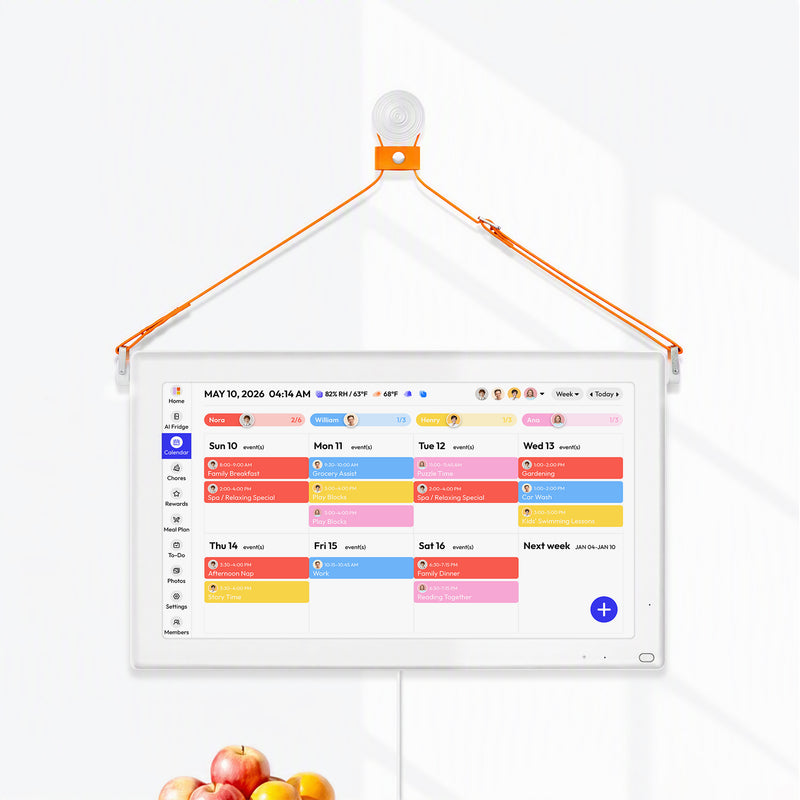
A central family calendar helps both adults check for conflicts before adding plans. Color-coding by person can make the week easier to scan, especially for kids who are learning how family time works. A visible routine also reduces repeated questions because people can look first instead of asking first.
Meal planning can also support planning skills because it requires choosing, sequencing, starting, and adjusting when the first choice is not available. In family life, that can be as simple as “Taco night on Tuesday, pasta on Thursday, breakfast-for-dinner on Friday, and the grocery list updates as soon as you notice you’re out of tortillas.” That kind of structure lowers last-minute stress without treating meals like a performance.
How a shared hub reduces reminders and friction
Visible systems reduce parental mental load because they move work out of one person’s head and into a shared system. That matters in homes where one partner often becomes the default reminder service. A better system lets the less-burdened partner own a category outright, like “all Tuesday activity pickups” or “all lunch restock ordering,” instead of waiting to be told what to do.
This is also where executive function support becomes practical, not clinical. Common supports such as visual schedules, written instructions, alarms, checklists, and regular review help because they reduce the number of mental steps a person has to hold at once. That can help adults, kids, caregivers, and co-parents alike, whether the issue is stress, distraction, uneven routines, or known executive function challenges.

Meals, chores, and handoffs work better when ownership is clear
A shared household system is especially useful when more than two people are involved in care, such as grandparents, babysitters, after-school caregivers, or alternating pickup helpers. If the plan is visible, handoffs are cleaner. “Snack after school, homework by 4:30 PM, cleats in the mudroom bin, leave by 5:15 PM” is much easier to follow than a string of texts.
Chores on a calendar or routine board also reduce the “I didn’t know” problem. Instead of “Please remember to empty the dishwasher sometime tonight,” the system can show “Dishwasher: Sam after dinner, trash: Alex before 8:00 PM, reset backpacks before bed.” The more repeatable the cue, the less arguing the family usually has to do.
Choosing between a digital hub and a physical command center
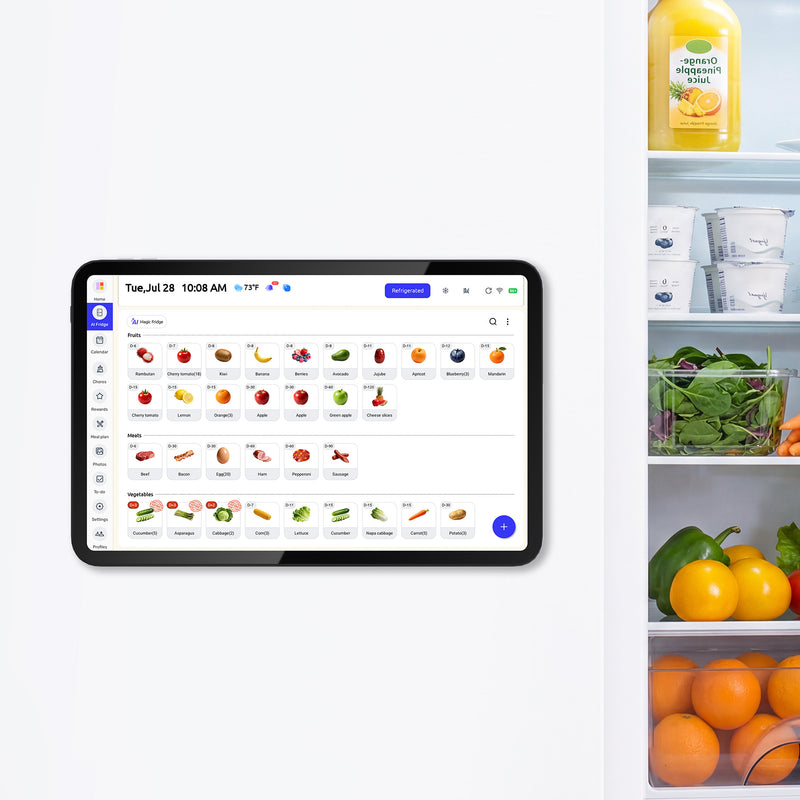
A digital family calendar is usually the better fit if your family is moving across school, work, activities, and different locations all day. It is easier to update from a cell phone, easier to sync across adults, and better for automatic reminders. The trade-off is consistency. If family members do not open the app or check the display, the convenience does not help. A wall-mounted option like the Everblog digital calendar can make schedules, chores, and handoffs visible on one screen in homes that want a shared digital hub.
A physical hub still works well when home is the main handoff point. Paper calendars and dry-erase boards are much cheaper than hardware-based displays, and they are often easier for younger kids to notice. Based on product comparisons in the research notes, paper calendars often cost about $9 to $19, while dry-erase or acrylic wall calendars often run about $45 to $90. That is a very different decision from buying a smart display that may start around $169.99 and go much higher.

A simple way to decide
A digital setup becomes more useful when you need calendar sync, shared lists, task reminders, and updates while away from home. Some tools add meal planning, task imports, or household dashboards, but those features only matter if the family will use them.
A physical command center often wins when your biggest problem is visibility inside the home. If family members ignore app notifications but always pass through the kitchen, laundry area, mudroom, or back hallway, a wall-based hub may get better follow-through because it is impossible to miss.
How to set up a hub that your family will actually keep using
Simple systems last longer than complicated ones. Start with one or two tools, not six. Many home systems fail because they are inconvenient, too hard to maintain, or built for appearance instead of real use. If the list is buried, the bin is overstuffed, or the plan requires too many taps, people stop using it.
A good rule is to build around natural habits. Effective home organization systems match real behavior and keep items visible and reachable. The same applies to planning. Put the hub where decisions already happen: near the kitchen, entry, mudroom, or wherever people check bags, mail, and shoes. If you choose digital, keep the app shortcut on the first screen and make the calendar the home view.
Action checklist
- Pick one hub: shared app, shared wall board, or one combined digital-and-wall setup
- Add only four categories first: calendar, meals, chores, and one weekly list
- Assign clear ownership for repeating tasks so no one has to “manage the manager”
- Use color-coding, short labels, and simple checklists instead of long notes
- Hold a 10-minute weekly review every Sunday evening or another calm time
- Adjust one friction point each week, such as pickups, lunches, or laundry handoffs
Weekly refresh routines help keep the system from turning into visual clutter. This does not need to be a family meeting with binders. It can be a quick reset: update the calendar, add grocery needs, clear old papers, and check what the week will require before it becomes urgent.
FAQ
Q: Does a shared planning hub help if one parent has ADHD or executive function struggles?
A: It may help because it makes tasks more visible and reduces how much has to stay in working memory. External supports like checklists, alarms, written instructions, and visual calendars are common practical supports, but a household planning tool is not a diagnosis or treatment.
Q: Should we choose a digital family calendar or a wall command center?
A: Choose digital if your family needs updates on the go, shared reminders, and syncing across devices. Choose a wall hub if your biggest issue is people not seeing the plan at home. Many families use a central visible spot plus a shared digital calendar for the best of both.
Q: What if my family resists “one more system”?
A: Resistance usually means the old systems already feel like work. Starting small with one shared source of truth is often easier than asking everyone to learn a full new method. Keep only the parts that solve a repeated problem.
Final Takeaway
A shared planning hub reduces friction when it makes family logistics visible in one place. That is the real win. Not a prettier calendar, not a smarter screen, and not one parent becoming more efficient at carrying everything alone.
What may help most is a system that fits your real household: one place to check the week, one place to see dinner, one place to know whose turn it is, and one short review to keep it current. When the plan is visible, people miss less, ask less, and carry more of the family work together.
Disclaimer
This article is for household planning education only. It is not a substitute for mental health care, medical advice, legal advice, or crisis support. If safety, custody orders, or a diagnosed condition are involved, work with the appropriate licensed professional.
References
- A university, a school of education, and a nutrition and sport program. Executive Functioning & Food: How Planning Meals Builds Brain Power
- A company. Organization Systems for Home That Keep Families and Caregivers in Sync
- A blog. The Mental Load of Modern Parenting (And How to Share It)
- A platform marketplace. Family & Household Command Center Template
- A brand. 3 Ways to Stay Organized in Shared Spaces
- A university. Ask an Expert — Five Ways to Share the Mental Load in Marriage
- An organization. Executive Function
- A blog. Proven Organization Systems & Best Organizers
- A platform. Best Digital Family Calendar for Planning & Chores in 2026
- A blog. 25+ Functional (& Pretty!) Family Command Centers
- A blog. 10 Organizational Systems that Are Essential for Every House


