


Large-family shower planning works best when you treat it like a small system design problem: match demand spikes to your heater’s real hourly output, then enforce simple rules everyone can follow.
A useful starting fact: showers are a major load, accounting for nearly 17% of indoor home water use (about 40 gallons/day for the average family). In homes with 4+ kids, that load concentrates into short morning and bedtime windows, which is why hot water runs out even when total daily use seems reasonable.
A Practical Framework: Demand, Capacity, and Control
1) Measure your one-hour peak demand
Use your busiest hour (often pre-school/work) and estimate hot-water draws with the DOE worksheet logic: about 20 gallons per shower, 7 gallons for a dishwasher cycle, and 15-25 gallons for a clothes-washer load.

Example peak-hour math for a 6-person home:
- 4 showers in one hour: ~80 gallons
- 1 dishwasher run in same hour: +7 gallons
- Peak-hour demand: ~87 gallons
Use a fast rule to adapt this to any family size: peak-hour demand = people showering in that hour x gallons per shower + dishwasher/laundry gallons in that same hour; DOE planning values use about 20 gallons per shower, about 7 gallons per dishwasher cycle, and about 15-25 gallons per clothes-washer load. Quick checks: 4 showers only is about 80 gallons, 6 showers plus one dishwasher is about 127 gallons, and 8 showers plus one laundry load is about 175-185 gallons.
If your heater’s first hour rating is below that, you need scheduling changes, lower per-shower demand, or both.
2) Reduce demand per shower before changing hardware
Per-shower demand is the fastest lever:
- Standard showerheads are typically 2.5 gpm, while WaterSense-labeled models are capped at 2.0 gpm.
- Keep showers to fixed time blocks (for example, 8-10 minutes including turnover).
- Avoid overlapping laundry/dishwasher cycles with peak shower blocks.

3) Set temperature with safety and consistency in mind
For many households, 120°F is the practical baseline. Higher settings increase scald risk, and the burn window can shrink quickly at hotter temperatures (CPSC guidance).
If someone in the home has higher medical risk, DOE notes the tradeoff and points to options like higher tank temperature plus point-of-use mixing valves.
Shower Scheduling Template for 4+ Kids
Use “waves” rather than first-come, first-served.
Time Block |
Rule |
Why it works |
6:00 AM-6:40 AM |
Wave 1: oldest kids |
Protects departure deadlines |
6:40 AM-7:20 AM |
Wave 2: younger kids (supervised) |
Keeps routine predictable |
7:20 AM-7:40 AM |
Buffer/recovery slot |
Absorbs delays and heater recovery |
Evening backup |
1-2 overflow slots |
Prevents morning pileups |
Design rules:
- Assign each child a fixed default slot.
- Rotate “first slot” weekly for fairness.
- Use one backup slot per day so a missed shower does not collapse tomorrow’s plan.
- Keep dishwasher/laundry outside morning shower wave unless necessary.
Connect Showers to Meal-Planning Habits
In real homes, shower bottlenecks usually collide with breakfast prep. Separate those peaks:
- Move dishwasher start to after dinner cleanup, not early morning.
- Do next-day lunch prep after evening showers, not during morning rush.
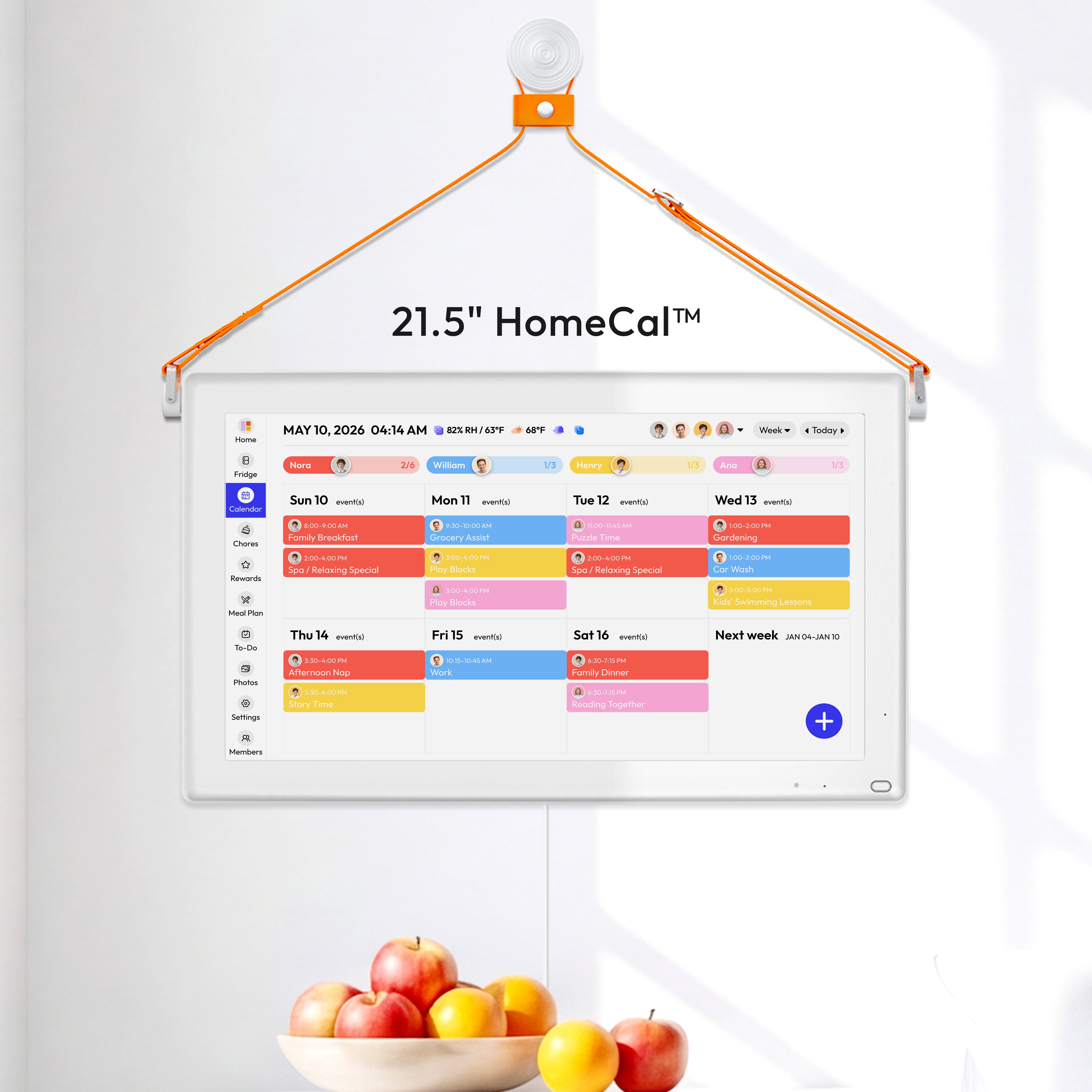
- Keep the family schedule visible in one shared place; for multi-calendar households, a wall hub like the a company can centralize synced schedules and chore blocks so shower waves and meal routines stay aligned.
Common Failure Points (and Fixes)
- Overbooking the same 45-minute window
Fix: hard-cap shower slots per wave based on your first-hour rating math. - Letting “quick showers” go unbounded
Fix: define start/end times and enforce handoff. - Running hot-water appliances during shower peaks
Fix: create a no-laundry/no-dishwasher rule for peak hour. - No exception handling
Fix: one daily overflow slot + one weekly reset review.
14-Day Implementation Timeline
- Days 1-3: Track actual shower and appliance timing.
- Days 4-5: Calculate peak-hour demand and compare to first-hour rating.
- Days 6-10: Pilot two-wave schedule with one buffer slot.
- Days 11-14: Adjust slot lengths, lock final routine, publish household rules.
- Days 1-3 output: a one-page log of shower start times, durations, and appliance overlaps in your busiest hour.
- Days 4-5 output: your peak-hour gallons and first-hour-rating comparison from DOE sizing method; next decision: demand over rating means schedule or flow-rate changes are required.
- Days 6-14 output: a stable two-wave routine with miss/overflow counts; next decision: if misses continue, combine schedule changes with lower-flow WaterSense showerheads, then reassess.
Action Checklist
- Identify your highest-use 60-minute window on weekdays.
- Estimate peak-hour gallons using DOE planning values.
- Compare that demand to your heater’s first-hour rating.
- Build fixed shower waves with one daily recovery/overflow slot.
- Move dishwasher/laundry outside shower peaks.
- Set and verify water heater temperature around 120°F unless household health needs require a different plan.
Important Note
The planning templates and organizational systems provided here are intended as adaptable blueprints. Every family’s needs, dietary requirements, and physical capabilities are different. We recommend tailoring these schedules to your specific health needs and household dynamics. Results from productivity or meal-planning systems may vary, and consistency remains the responsibility of the individual user.
References


