



The costume needs a repair, the school parade overlaps with work, nobody bought candy, and pickup is still a group-text question. A useful Halloween checklist fixes the coordination problem first: every task gets a due time, one owner, and a visible place. This plan covers the two weeks before Halloween through the end of Halloween night, including costumes, school events, food, transportation, safety, and cleanup.
Starting late? Use the same sequence and compress the dates. Do the fixed-time decisions first, then shopping, then the final check. Your Halloween to-do list doesn't need to be elaborate. It needs to tell each person what happens next.
Build One Shared Halloween Plan Before Buying Anything
Collect the facts before you make a shopping list. Put school notices, party invitations, neighborhood hours, work commitments, transportation needs, and any co-parent handoffs in one place. Confirm local details with the school, city, homeowners association, apartment building, or neighborhood organizer instead of assuming last year's hours still apply.
Use four columns:
|
Task or event |
Due time |
Owner |
Backup plan |
|
Confirm school costume rules |
Two weeks before |
Jordan |
Check teacher portal |
|
Buy or repair costume |
Ten days before |
Sam |
Use simple backup costume |
|
Handle after-school pickup |
Halloween, 3:15 p.m. |
Jordan |
Aunt Mia is backup |
|
Prepare dinner |
Halloween, 4:30 p.m. |
Sam |
Heat frozen pizza |
Mark fixed events, such as a school parade or neighborhood trick-or-treating, separately from flexible tasks, such as decorating or carving pumpkins. Then assign one person to each line. “We will do it” usually means no one knows who should start.
Hold a five-minute family check-in. Children can confirm their costume, choose which activity matters most, and accept a small job. One visible plan is the basic idea behind a family command center that everyone can use, whether you use paper, a whiteboard, or a shared screen.
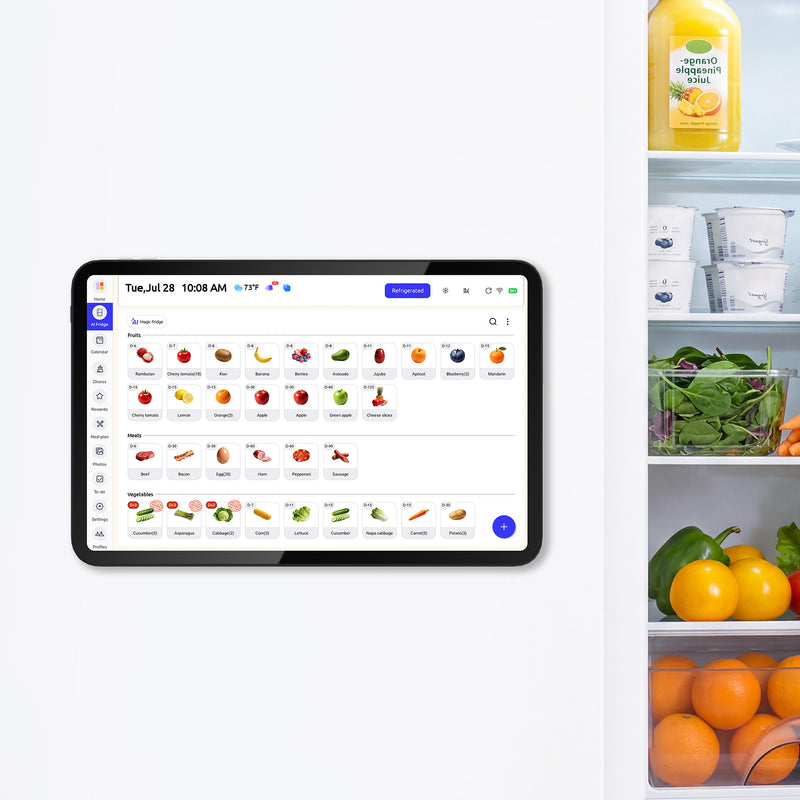
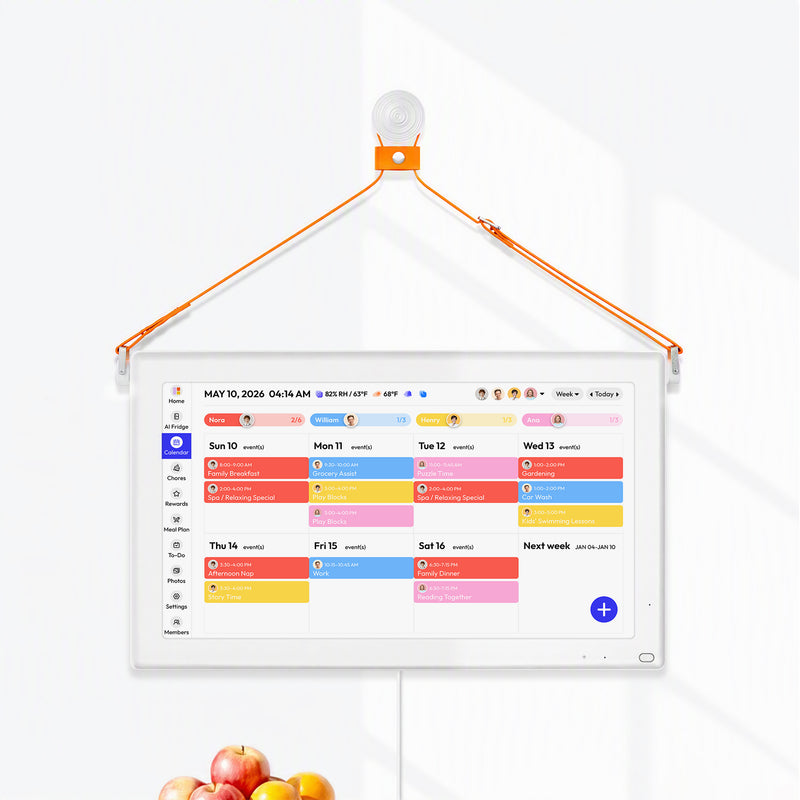
For a kitchen-based option, the FridgeCal AI fridge calendar can show synced events, family colors, lists, chores, meal plans, and a countdown in the place many families already pass. A device is optional. The ownership rules are not.

Two Weeks Before Halloween: Lock the Schedule and Costumes
Decisions become more expensive and harder to coordinate as October 31 gets closer. Use the two-week mark to settle times, transportation, and costume basics.
Confirm Every School, Party, and Neighborhood Time
Check the school calendar, teacher messages, and classroom app for costume rules, parade or fall-festival times, requested supplies, and volunteer needs. Some schools allow costumes; others hold an orange-and-black day or a non-costume celebration.
For every party, record the start time, end time, address, travel time, and adult responsible for drop-off and pickup. If work, traffic, or another child's activity could disrupt a handoff, name a backup adult now. Confirm that person directly rather than adding “maybe Grandma” to the plan.
Verify neighborhood trick-or-treating hours locally. If no formal hours exist, decide your family's departure and return times and share them with anyone joining the group.
Finish Costume Decisions and Run a Fit Test
Give each child a clear decision deadline. Then have them wear the complete costume with shoes, layers, and accessories for ten minutes. Ask them to walk, sit, use the bathroom, see to both sides, and carry their treat container.
The U.S. Consumer Product Safety Commission's Halloween costume safety guidance recommends well-fitting costumes and visibility measures. Choose accessories that are easy to carry safely, and use warm layers that don't restrict movement or block sight.
Keep a comfortable backup, such as themed pajamas, a team jersey, or an orange-and-black outfit. Children who don't want to trick-or-treat can still choose from family-friendly Halloween activities such as pumpkin painting, a movie, or a neighborhood decoration walk.
Assign the Work by Person, Not by Category
Divide the real work: costume check, candy, decorations, dinner, school supplies, route, photos, door duty, and cleanup. Older children can test flashlights, set out treat bowls, or pack water. Younger children can check off safe, concrete tasks with an adult.
Keep each child's list short and visible. A checklist kids can actually follow works better than a vague request to “help with Halloween.”
One Week Before Halloween: Shop Once and Prepare the Flexible Parts
Before shopping, walk through the house and check bins, coat closets, batteries, makeup, treat containers, and leftover party supplies. Cross off what you already own.
Use a Halloween Shopping List Organized by Store Section
A grouped Halloween shopping list reduces backtracking and duplicate purchases:
- Costume:missing pieces, comfortable shoes, weather layers, face paint, makeup remover, hair supplies.
- Decorations:only items tied to the plan, plus tape, hooks, or batteries if needed.
- Candy and giveaways:treats, allergy-aware choices, or non-food items.
- Safety:working flashlights, fresh batteries, reflective or glow items, water.
- Party supplies:plates, napkins, cups, serving tools, labels, trash bags.
- Household essentials:storage bags, paper towels, stain remover, and anything needed for quick cleanup.
If you're hosting, use this as the purchasing part of your Halloween party checklist. Don't let optional decor crowd out the few items the event actually needs.
Build a Short Halloween Grocery List
Your Halloween grocery list needs one easy pre-activity meal, one snack, water, and only the party food you're responsible for. Good dinner choices can be cooked ahead or reheated fast: soup and bread, tacos with prepared fillings, pasta, sheet-pan food, or pizza with cut vegetables.
Check classroom and guest allergy information before buying shared food. Label homemade dishes clearly, keep packaging for ingredient review, and don't improvise around a child's established allergy plan.
Treat dinner and groceries as one workflow. Weekly meal planning for busy families can help you choose a realistic meal and avoid two adults buying the same supplies.
Choose Activities That Match the Family's Actual Energy
Pick one main activity and one backup. A movie night or pumpkin painting is low effort. A neighborhood walk or scavenger hunt is medium effort. Hosting a party is high effort because it adds food, guests, supervision, and cleanup.
A smaller tradition can be more enjoyable than an overfilled evening. Keep an indoor option ready for rain, illness, fatigue, or sensory overload. Changing the plan is not a failed Halloween.
Two or Three Days Before Halloween: Run the Final Check
This is the moment to catch problems you can still solve without a rush.
Prepare the Costume and Safety Kit
Lay out the full costume, shoes, layers, accessories, treat container, and any mobility, medical, or sensory supports. Test flashlights and charge the phones or devices the group will use. Check again that the child can see, walk, and move comfortably.
Review NHTSA's Halloween safety tips for drivers and pedestrians with the adults and older children who will be out. Plan to use sidewalks where available, cross at appropriate locations, stay visible, and keep drivers focused and slow in residential areas.
Confirm the Route, Handoffs, and Weather Backup
Choose the route, meeting point, turnaround time, and rules for children of different ages. Decide who stays home to answer the door and who goes with each group. Put carpool and co-parent handoffs in writing, including the time and exact location.
Check the local forecast close to the event. Your backup might be a shorter route, a building event, an indoor candy hunt, or a movie and takeout. Tell children before Halloween day so the alternative doesn't feel like a surprise cancellation.
Check Candy and Food-Allergy Needs
Follow the child's existing allergy plan and ask hosts about ingredients when needed. The FDA's Halloween food safety tips for parents advise children to eat before going out and adults to inspect treats before they are eaten. The American Academy of Pediatrics also offers Halloween allergy and safety guidance.
Avoid frightening children with unverified stories. The practical rule is simple: wait for an adult check, discard opened or questionable items, and use the family's normal medical guidance.
Halloween Day: Follow a Simple Family Timeline
The schedule should be short enough to scan while everyone is moving.
|
Time block |
What happens |
Owner |
Final check |
|
Before school or work |
Pack classroom item; confirm costume rules; review pickup |
Assigned adult |
Item labeled; pickup confirmed |
|
After school |
Snack, decompress, and change plans if energy is low |
Pickup adult |
Child still wants the planned activity |
|
Early dinner |
Serve the prepared meal and water |
Dinner owner |
Allergy needs covered |
|
Getting dressed |
Costume, layers, shoes, photos, safety kit |
Costume owner |
Comfortable movement and visibility |
|
Before leaving |
Review route, meeting point, return time |
Group adult |
Phones charged; flashlights working |
|
During activities |
Follow local conditions and check in before changes |
Group adult |
Everyone accounted for |
|
After returning |
Adult checks treats; reusable items go in one bin |
Home adult |
Borrowed items noted for return |
Before School or Work
Confirm whether the school expects a costume, a color theme, or no costume. Pack requested supplies and label anything that must come home. Send one final message naming the after-school pickup person and where the child will change.
After School and Before Trick-or-Treating
Offer a snack, then serve the planned meal before candy becomes dinner. Build in more dressing time than you think you need. Take photos early, while costumes are intact and children still feel comfortable.
Just before leaving, give a one-minute reminder: route, meeting point, turnaround time, and what to do if the group separates.
During and After Activities
Adjust the route for children's ages, weather, traffic, and energy. Check with the full group before adding another block or changing destinations. At home, inspect treats, collect borrowed pieces, and place reusable supplies in one cleanup bin. That small step makes November 1 easier.
Hosting a Party? Add This Mini Halloween Party Checklist
Keep Halloween party planning focused on guest comfort and a clear end time. Decorations come after the basics.
Must have:
- Confirmed guest count, invitations, start time, and end time.
- Food and allergy information, water, serving tools, and labeled dishes.
- A ready bathroom with soap, towels, and a clear path.
- Safe lighting at the entrance, stairs, and activity areas.
- One or two age-appropriate activities plus a quieter space.
- Trash bags, food-storage containers, paper towels, and a cleanup owner.
Optional: themed music, elaborate decor, party favors, multiple games, and a styled dessert table.
If time runs short, cut optional tasks rather than compressing supervision, food checks, or guest communication.

The One-Page Halloween Checklist
Two Weeks Before
☐ Confirm school, party, and local neighborhood times.
☐ Assign every event, pickup, and task to one person.
☐ Finalize costumes and complete a fit test.
☐ Choose one main activity and one backup.
One Week Before
☐ Check existing supplies before shopping.
☐ Buy costume, candy, safety, party, and household items by store section.
☐ Plan an easy dinner, snack, and water.
☐ Complete flexible tasks such as decorating or pumpkin painting.
Two or Three Days Before
☐ Lay out costumes, shoes, layers, and supports.
☐ Test lights and charge phones.
☐ Confirm route, handoffs, weather backup, and door duty.
☐ Review food-allergy needs and treat-check rules.
Halloween Day
☐ Pack school items and reconfirm pickup.
☐ Serve the planned meal before activities.
☐ Review route, meeting point, and return time.
☐ Inspect treats, collect borrowed items, and pack reusable supplies away.
For holidays involving several people or households, a shared holiday planning hub can keep dates, owners, and handoffs from disappearing into separate message threads.
FAQs About Family Halloween Planning
When Should I Start Preparing for Halloween?
Start about two weeks ahead when costumes, school events, or several schedules are involved. A simple at-home plan can start one week ahead. If you're late, confirm fixed times and costume needs first.
What Should Be on a Halloween Checklist for Families?
Include event times, costumes, transportation, candy, food, safety items, named task owners, a weather backup, and the Halloween-day sequence. Add school or allergy requirements that apply to your family.
What Should I Buy for Halloween Night?
Buy only what your confirmed plan requires. The usual basics are costume pieces, weather layers, candy or non-food giveaways, a treat container, visibility items, batteries, and an easy meal.
How Do I Plan Halloween When Both Parents Are Working?
Lock fixed times first. Assign each pickup and task to one person, prepare dinner and costumes early, and name a backup for the after-school handoff. Put changes in the shared plan rather than relying on memory.
What Are Easy Family-Friendly Halloween Activities?
Try a Halloween movie, neighborhood decoration walk, pumpkin painting, indoor candy hunt, simple scavenger hunt, or takeout-and-carving night. Choose the activity that fits the family's energy, weather, and sensory needs.
The best Halloween checklist is the one your household can read and execute. Put the fixed events in place, give every task an owner, and keep the backup simple enough to use.


