


Paper bags make mushrooms easier to label, spot, and connect to a real meal plan, which helps busy households use them before they are forgotten.
Have you ever reached into the fridge for mushrooms and found a damp, forgotten container when dinner needs to happen fast? A visible kitchen note, date label, or fridge calendar reminder gives your household one clear cue before groceries disappear into the back of the fridge. Here’s how to turn mushroom storage into a low-stress routine that supports meal planning, reduces waste, and keeps everyone on the same page.
The Simple Rule: Store Mushrooms Where Your Family Can See and Use Them
The most useful lesson here is not a narrow food-science claim. It is a household principle: perishable food works best when it is tied to one visible plan. When groceries, meals, and schedules are scattered across memory, texts, paper notes, and separate apps, one person usually ends up carrying the whole mental load.
For mushrooms, the practical version is simple: place them in a breathable paper bag, date the bag, and connect that bag to a visible meal plan. If taco night, pasta night, or omelet breakfast is already on the fridge display, mushrooms stop being “something we bought” and become “Thursday’s dinner ingredient.” Family calendar advice often emphasizes consolidating work, school, pickups, appointments, meals, and small details because writing them down in one place reduces cognitive load and lowers the chance that something important gets skipped.

This matters in real kitchens. A parent can buy mushrooms on Sunday, jot “mushrooms: use for stir-fry night” on the bag, and add that meal to the shared calendar. A teen opening the fridge after practice can see the same cue. A grandparent helping with dinner does not need to ask where the plan lives. The storage choice and the planning system work together.
Why Paper Bags Fit Better Into Family Food Routines
A paper bag has one big everyday advantage: it is easy to label, easy to spot, and easy to build into a meal-planning habit. Plastic packaging often looks sealed, final, and easy to ignore. A paper bag feels temporary, which is exactly the mindset mushrooms need: use them soon, plan them intentionally, and do not let them become another small decision waiting for the busiest person in the house.
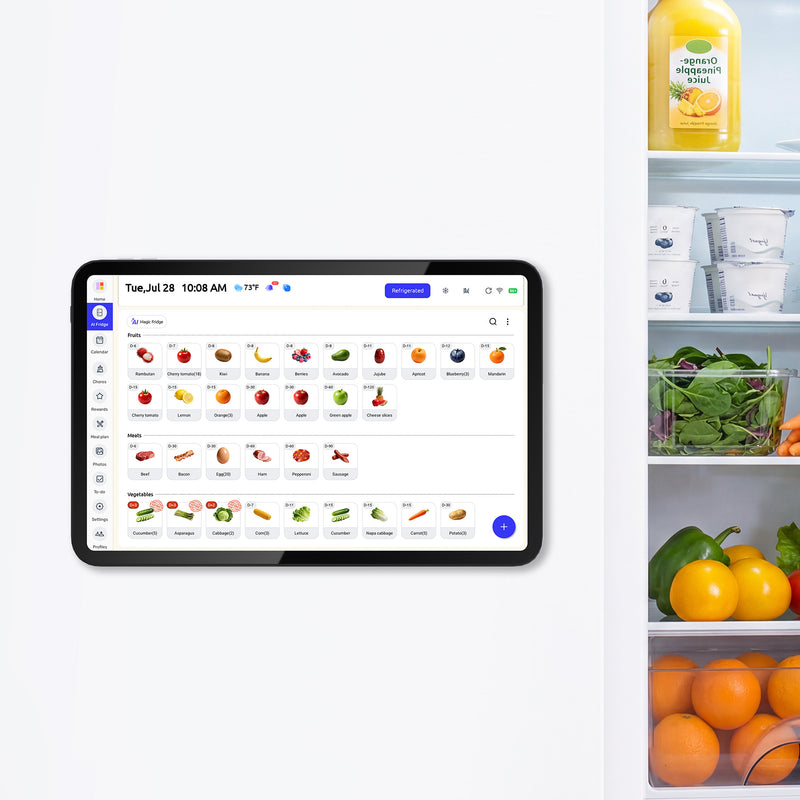
Research on shared fridge calendars frames the refrigerator as a household communication hub, not just a cold box. A visible calendar near the fridge can combine schedules, reminders, messages, meal planning, and lists. A mushroom bag with a date on it works the same way in physical form: it turns a hidden ingredient into shared household information.
The practical pairing is simple. On grocery day, mushrooms go into a labeled paper bag. On the family calendar, they get assigned to a meal within the next few days. If the week is packed with sports, late meetings, or school events, plan an easy use, such as scrambled eggs, quesadillas, or quick pasta. If the calendar shows a slower evening, choose a meal that needs more chopping and cooking time. The point is to keep meals, grocery lists, and schedules visible in one place so there is less last-minute decision stress.

Paper vs. Plastic: Practical Pros and Cons
A comparison helps because the best household system is the one people will actually follow. Paper is usually better for routine mushroom storage because it makes the food feel visible, dated, and temporary. Plastic may still be convenient for the trip home from the store, but it is less helpful as a shared reminder once the mushrooms are in the fridge.
Storage Choice |
Household Advantage |
Household Drawback |
Best Use |
Paper bag |
Easy to label, easy to recognize, supports “use soon” planning |
Can be overlooked if pushed behind other food |
Everyday fridge storage tied to a meal plan |
Plastic bag or wrap |
Convenient from the store and easy to carry |
Easy to forget, harder to write on clearly, can hide the “use soon” cue |
Short trip home from the grocery store |
Original container with a note |
Familiar and stackable |
Label may fall off or be missed |
Works if the container is visible and dated |
Reusable produce bag |
Creates less disposable waste |
Needs a strong labeling habit |
Good for households already using reusable systems |
The bigger lesson is that no container solves everything by itself. Guidance on digital family calendars repeatedly shows that tools only help when they become a shared habit. One comparison, for example, advises families to weigh cost, screen size, subscription needs, and whether the whole family will use it before investing in a digital calendar. The same honesty applies to mushroom storage. If nobody reads tiny labels, use a bold marker. If the produce drawer is where food disappears, put the paper bag at eye level in a small “use first” bin.
Build a Mushroom Routine Around Your Real Week
The calmest mushroom storage system starts before the fridge door opens. Look at the week and decide where the mushrooms belong. If Monday is soccer, Tuesday is a school concert, and Wednesday is a late work call, mushrooms should be attached to the easiest meal, not the most ambitious one. A smart household system respects the actual family calendar instead of pretending every night has the same energy.
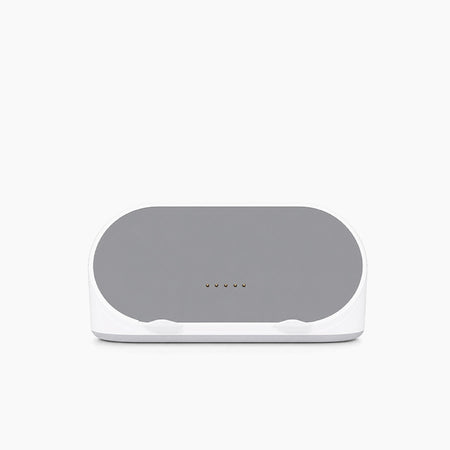
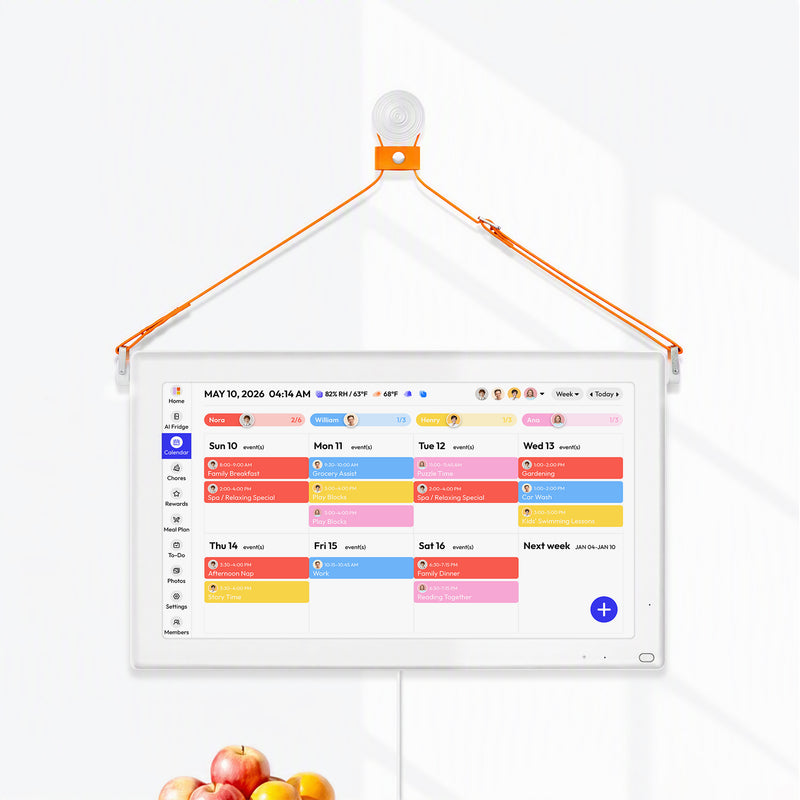
This is where a shared fridge calendar can reduce friction. Consumer guidance often describes these devices as shared household planning hubs that can sync schedules and help manage grocery lists, chores, recipes, reminders, and photo displays. Even if your household uses a paper calendar, the method is the same: connect perishable ingredients to specific meals.
A simple example is a Sunday reset. After shopping, write “mushrooms: pasta” on the bag and put “mushroom pasta” in Tuesday’s dinner slot. If Tuesday changes, move the meal, not just the calendar event. That small adjustment keeps the ingredient connected to a plan, which is what prevents the familiar fridge mystery of “Why did we buy these?”

Make the Fridge Work Like a Family Command Center
The refrigerator is already where people pause, snack, ask questions, and check what is available. That makes it the right place for food-storage decisions that affect everyone. One child-focused planning resource recommends refrigerator calendars as visual planners children can see often, so they can plan ahead and interact with the schedule during the week. That same visibility can also support food responsibility.
For younger kids, the rule can be visual: a paper bag with a green sticker means “ask before using,” while a yellow sticker means “use in dinner tonight.” For teens, it can be more direct: “Mushrooms are for Thursday omelets.” For another adult in the home, it removes the guesswork that often leads to duplicate shopping or skipped ingredients.
A shared family calendar also shows why access matters. When everyone can see the same schedule across devices or on the fridge, the reminder does not live only in one person’s head. Applied to mushrooms, that means the plan should live where the household can actually see it, whether that is a digital display, a phone calendar, or a handwritten fridge note.
When a Digital Fridge Calendar Helps
A digital fridge calendar is not required to store mushrooms well, but it can make the habit easier for busy households. The most useful features for this specific routine are calendar sync, grocery lists, meal planning, and visible reminders. That matters when the problem is not knowing how to cook mushrooms, but remembering to use them before the week gets away from you.
A household with young children may only need a simple dinner plan on the screen. A household with teens may benefit from color-coded schedules so everyone can see who is home for dinner. A caregiver supporting older adults may want medication reminders and meal notes in the same central place.
Marketing pages often make broad claims about harmony and reduced mental burden, so those claims are best treated cautiously unless independent testing supports them. Still, the practical principle is consistent across the material: shared visibility reduces repeated questions and helps distribute responsibility. Research on family technology also emphasizes the need for tools that support negotiation, changing roles and independence, rather than assuming one adult controls everything. A good mushroom routine can do the same on a small, everyday scale.
A Calm Storage Workflow for Busy Families
When groceries come home, move mushrooms into a paper bag, write the purchase day and intended meal on the outside, and place the bag where it will be seen. Then add that meal to the family calendar or fridge display. If the week changes, update the meal plan when you update pickups, practices, or appointments.
This works because it joins three small actions into one system: breathable storage, visible labeling, and shared planning. None of those actions asks one person to remember everything. The household can glance, adjust, and help.
If you already use a whiteboard or paper fridge calendar, write the mushroom meal directly into the dinner row. If you use a digital display, add it to the meal plan or grocery note. If your household is not ready for another device, do not overcomplicate it. A paper bag, a marker, and one visible calendar habit are enough to make the system work.
FAQ
Should I keep mushrooms in the original plastic package?
If the package is only serving as transport from the store, it is reasonable to move the mushrooms into a more visible, labeled system once you get home. The strongest advice here is organizational rather than narrowly food-science based: make the storage visible, dated, and connected to a meal plan so the mushrooms do not become one more hidden task.
What should I write on the paper bag?
Write the purchase day and the planned meal, such as “Sunday: use for Wednesday pasta.” If your household uses color coding, match the label to the person cooking or the meal category. The goal is not a perfect label; it is a clear cue that anyone can understand quickly.
Do I need a smart fridge calendar for this?
No. A smart fridge calendar can help if your household already struggles with scattered schedules, forgotten groceries, and repeated “what’s for dinner?” questions. A paper fridge calendar, magnetic weekly planner, or shared phone calendar can also work if everyone actually checks it.
A paper bag is not just a container; it is a small household signal. When mushrooms are labeled, visible, and tied to a real meal on the family calendar, dinner gets easier and the mental load gets lighter. Keep the system simple enough that everyone can participate, because the best kitchen routine is the one your household can repeat on an ordinary week.


