







A simple summer chore contract ties WiFi access to three clear daily responsibilities. It works best when expectations are visible, fair, and easy to check.
A simple summer chore contract works best when WiFi is treated as a privilege that turns on after three clear daily responsibilities are finished. The goal is not punishment. It is to reduce arguments by making expectations visible, fair, and easy to follow.
Is your morning already slipping away before anyone has made a bed, cleared a cereal bowl, or looked up from a screen? Families often get better follow-through when chores are tied to one meaningful privilege and tracked in one visible place, especially during the loose rhythm of summer. This approach gives you a practical three-part contract, a simple setup, and a way to make it stick without turning your kitchen into a negotiation desk.

What a summer chore contract actually is
A written chores agreement is simply an agreement that spells out what gets done, how completion is checked, and what happens next. In summer, that next step is often WiFi access because it is immediate, easy to understand, and relevant to everyday family life. That makes the contract less emotional than repeated reminders and more concrete than vague instructions like “help out more.”
The version that works in real homes is short, visible, and predictable. A contract should not read like a legal document or a punishment plan. It should feel like a calm household system: when these three things are done, the day opens up. That structure matters because summer often removes the built-in schedule school provides, and a summer chore chart for kids can restore enough rhythm to reduce screen battles, build independence, and keep children contributing to family life.
Why only three things works better than a long list
A simple summer chore routine usually outperforms an ambitious one because children can remember it, parents can enforce it, and neither side feels overwhelmed before noon. Three tasks are enough to create momentum without making summer feel like unpaid full-time work. If each task takes about 10 minutes, many children can earn WiFi in about half an hour, which feels attainable and fair.
This is also where many parents accidentally make the rule harder than it needs to be. A long checklist invites loopholes, delay, and bargaining. A short checklist creates a clean cause-and-effect pattern: first responsibilities, then recreation. That same pattern appears in practical summer chore advice and in family organization guidance that emphasizes essential systems over perfection, especially for dishes, laundry, pickup, and daily coordination in household management systems.
The three daily tasks to put in the contract
Reset your own space
The first task should be a personal reset. For a younger child, that may mean making the bed, putting pajamas in the hamper, and picking up toys. For an older child, it may mean clearing the desk, putting away clothes, and leaving the bedroom floor visible. This task works because it builds ownership before the child starts managing shared spaces. It also prevents the familiar summer problem of bedrooms quietly becoming storage bins by Thursday.

A reset is not deep cleaning. It is a quick return to “ready for the day.” Families usually get better follow-through when the task is broken into concrete steps instead of broad commands, which is why digital chore systems like smaller chore steps encourage parents to replace “clean your room” with specific actions children can actually complete.
Help the house run
The second task should support the whole household. This is the chore that tells a child, “You live here, so you help here.” Depending on age, that might be unloading plastic dishes from the dishwasher, feeding pets, wiping the table, folding towels, emptying small trash cans, or vacuuming a common area. The task should happen in a shared zone because that is where children can most clearly see their contribution.
This is also the best place to match chores to age and ability instead of parental frustration. Guidance on kids’ summer chores by age and broader home organization advice point in the same direction: children do better with realistic jobs that are useful, repeatable, and easy to verify. A 6-year-old should not lose WiFi over a job that really belongs to a 12-year-old.
Finish one personal responsibility
The third task should prepare the child for the rest of the day. In some homes, that means reading for 20 minutes, making lunch items ready, packing for swim practice, or finishing a small summer learning task. In others, it might mean brushing teeth, getting dressed, and refilling a water bottle before screens come on. This final task matters because it keeps the contract from being only about cleaning. It turns the system into a launchpad for a smoother day.
That broader routine is especially useful in summer because structure protects more than the house. A daily rhythm that includes chores, reading, and outdoor time reduces drift and gives children a clearer sense of what comes next. In practice, that often lowers the number of reminders a parent has to keep in mind.
How to write the contract so it reduces arguments
The strongest contracts are built with the child, not imposed on them. A shared family system works better when both sides understand the task, the standard, and the reward. That means writing what “done” looks like in plain language. “Room reset” is too vague. “Bed made, dirty clothes in hamper, floor clear” is enforceable.

The timing should be equally plain. Many families do best with a morning deadline such as 10:00 AM or “before WiFi password is entered.” That keeps the rule from dragging across the whole day. You can also state what happens if a task is half done: WiFi stays off until the standard is met, without debate or extra lectures. The contract is there to hold the line for you.
One useful script is simple: when your three jobs are done and checked, WiFi turns on for the day. If you want the arrangement to feel collaborative rather than controlling, let your child help choose which shared chore they own that week and what the check-in time will be. Families are more likely to stick with systems they helped shape, which is a recurring theme in organization systems that last.
Why a smart digital fridge calendar makes this easier
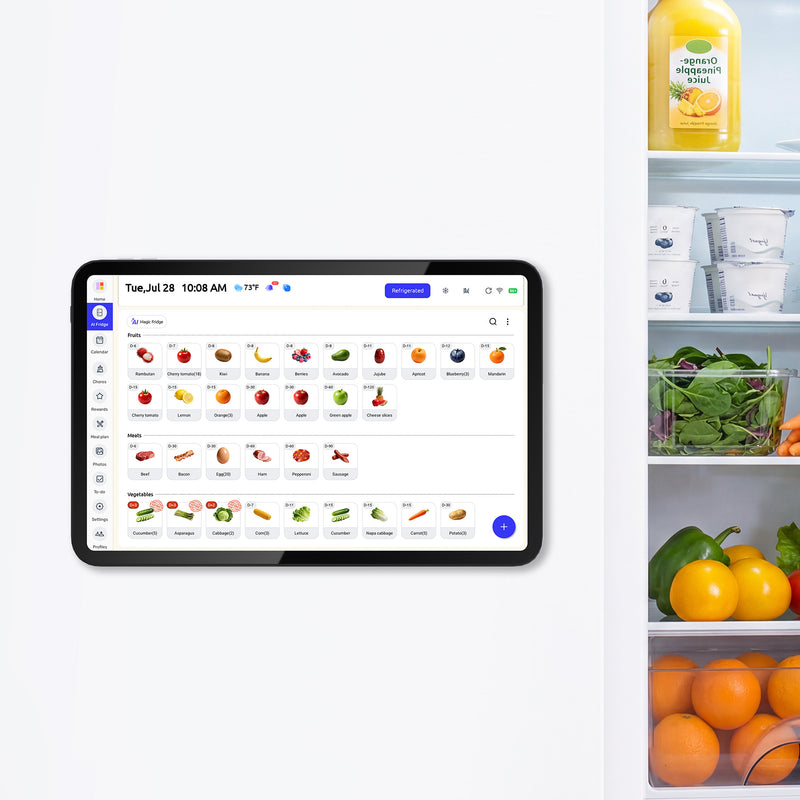
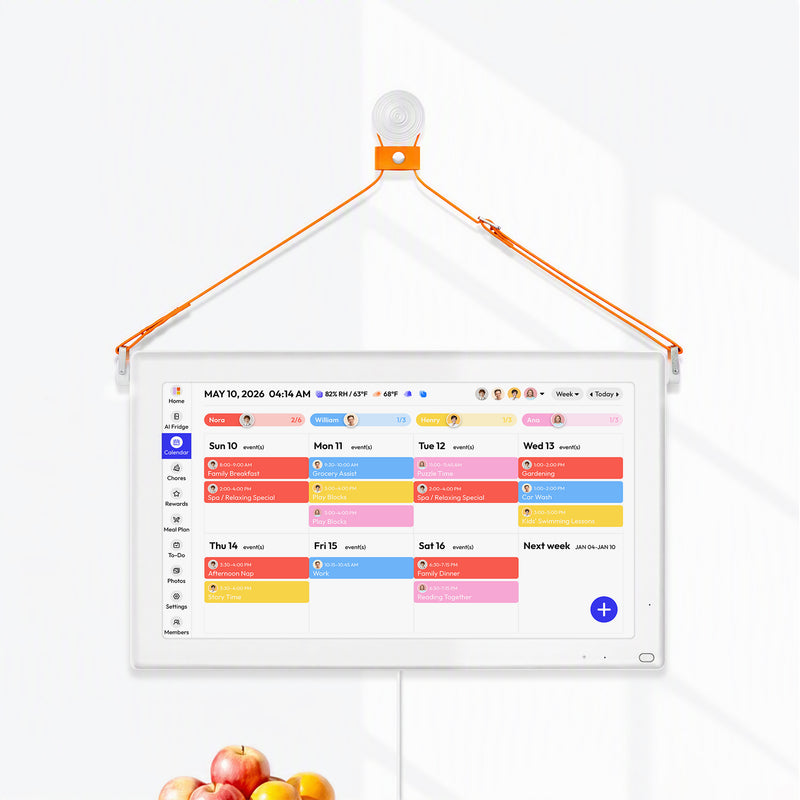
A digital wall calendar for families can be especially effective for this kind of contract because it keeps expectations in a shared, high-traffic spot instead of inside one parent’s cell phone. Visibility matters. A contract on the fridge or a digital family hub near the kitchen works far better than a rule remembered only when someone asks for screen time.

For families already using a smart household display, the best setup is usually one central screen with color-coded profiles, recurring chores, and a simple completion flow. Devices such as a family calendar display and similar chore tools are built around that command-center idea, but they are not all equal on cost or subscriptions. Consumer Reports notes that placement is critical, and product comparisons show that some advanced chore or rewards features are available only on paid plans.
Approach |
Best for |
Watch-out |
Paper chart on the fridge |
Families who want zero setup and quick visibility |
Easy to ignore if no daily check-in happens |
Shared app on phones |
Older kids and parents who are often away from home |
Less visible to younger children |
Digital fridge or wall calendar |
Families who want one central command center for schedules and chores |
Hardware cost can be high, and some features may require a subscription |
The main pros and cons before you start
A clear if-then system has real strengths.
- It reduces repeated nagging and makes contribution visible.
- It teaches cause and effect before leisure begins.
- It gives children a daily win and helps parents avoid on-the-spot exceptions.
The drawbacks are manageable but real.
- Vague, difficult, or excessive tasks can turn the contract into a daily conflict.
- If WiFi is the only motivator forever, children may focus more on unlocking a privilege than on learning stewardship.
- Some families disagree about whether chores should be paid.
The debate over pay usually comes down to what counts as a basic household contribution and what counts as extra work. Some systems tie chores to allowance or savings goals through tools like allowance or savings goals, while others treat routine household contribution as a non-paid part of family life. A practical middle ground is to keep daily basics unpaid and reserve money or bonus rewards for extra jobs above the baseline.
The calmest households are not the ones with perfect charts. They are the ones where the next step is obvious, the standard is fair, and the parent does not have to renegotiate the same boundary five times before lunch. Keep the contract short, visible, and steady, and let WiFi be the switch that follows responsibility instead of the fight that starts the day.


