




A simple weekend eggs-and-toast lesson can become a repeatable family habit that builds confidence and makes busy mornings easier.
Does your kitchen feel most chaotic right when everyone is hungry and nobody wants one more decision? A simple eggs-and-toast routine gives tweens a real job they can practice, repeat, and eventually handle with much less help. By the end, you’ll have a clear way to teach the skills safely, set up the kitchen for success, and make breakfast feel more connected than stressful.
Why this small breakfast lesson matters
For many families, breakfast is less about making a perfect meal and more about creating a steady start. Breakfast supports kids’ energy, mood, and readiness for school or play, and another pediatric health source notes that skipping it can affect learning, concentration, and morning energy, especially after a poor night of sleep. In real family kitchens, that shows up as the child who says they are “fine” at 7:15 AM and then melts down by 10:00 AM.

That is why scrambled eggs and toast make such a practical weekend teaching pair. Eggs provide protein, toast is familiar and forgiving, and both teach core kitchen habits without turning breakfast into a production. Quick breakfast ideas for busy mornings show how useful this skill can be on both slow Saturdays and rushed school mornings.
What “tween-ready” really means in the kitchen
Tween-ready does not mean completely unsupervised. It means your child is old enough to learn a short sequence, follow a simple safety routine, and repeat the same breakfast often enough to get good at it. Guidance on teaching kids to cook consistently points to ages 9 to 12 as a stage when children can help with menu planning, follow recipes, and begin using basic kitchen tools with supervision.
In practice, that usually means your tween can crack eggs, whisk, watch bread in the toaster, butter toast, and learn how to move slowly around heat. The adult still sets the pace, keeps pan handles turned inward, checks doneness, and steps in when attention starts to drift. The goal is not early independence at any cost. The goal is calm competence.
Set up the kitchen before you teach
A smoother lesson starts long before the pan is hot. Grouping similar items together and keeping everyday tools easy to reach cuts down on the frantic searching that makes kids feel unsure. Put the eggs, bowl, whisk, spatula, bread, plates, and butter in predictable spots before your tween begins. If your child has to ask where everything is every 20 seconds, the lesson becomes a memory test instead of a cooking lesson.
A simple breakfast station helps even more. Low-effort kitchen organization systems such as bins and labels can make routines easier to maintain without constant reminders. You do not need a showroom kitchen. One labeled shelf for breakfast foods and one drawer for morning tools is enough.

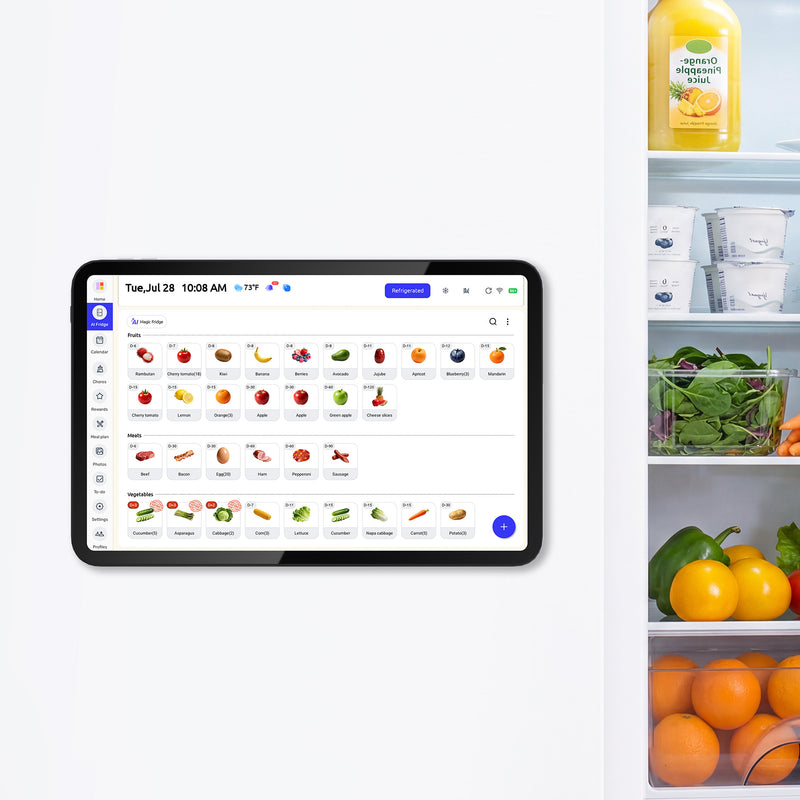
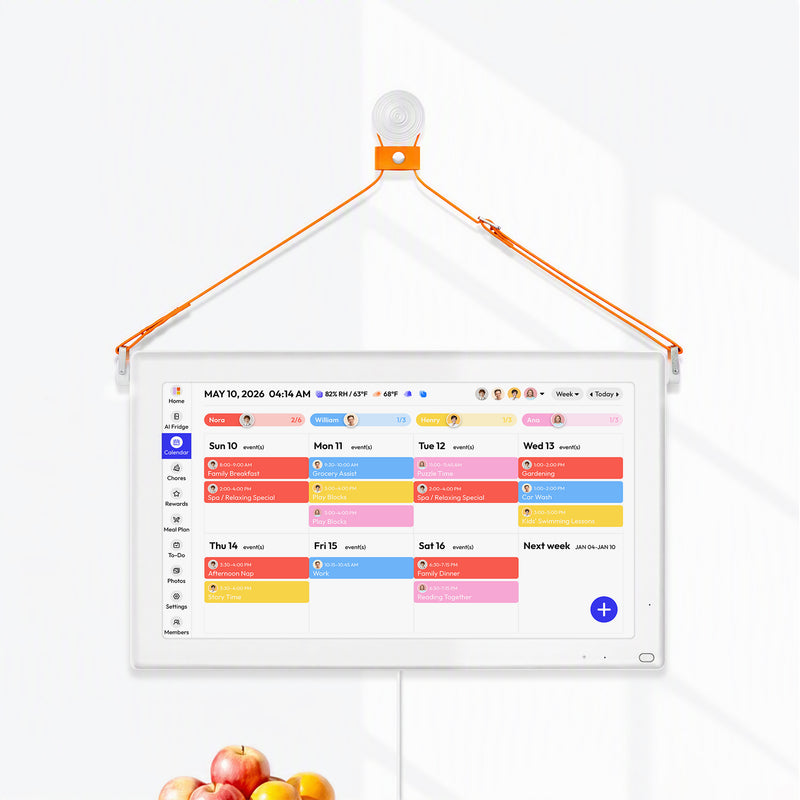
This is also where a shared family display can quietly reduce friction. Digital wall calendars work best when they are easy to see, because visibility matters more than extra features. If your family uses a digital fridge calendar or a wall calendar, add “breakfast helper” on Saturday morning for a few weeks. That turns practice into a visible family routine instead of a one-time good intention.
How to teach scrambled eggs without taking over
Start with the definition your tween actually needs: scrambled eggs are eggs beaten together and cooked gently while being moved so they form soft curds instead of one solid sheet. That picture helps more than a long explanation.
Begin with hand-washing, tied-back hair if needed, and a cleared workspace. Then have your tween crack two or three eggs into a bowl, check for shell pieces, and whisk until the yolks and whites look evenly blended. To keep the lesson manageable, teach only one or two new skills that day. Many parents move too fast here and turn breakfast into a six-part masterclass.
When the pan goes on the stove, keep the heat moderate rather than high. A tween usually does better with a patient pan because it leaves room to notice changes. Add a small amount of butter or oil, pour in the eggs, and coach your child to move the spatula slowly from the edges toward the center. If the eggs are cooking faster than they can react, lower the heat. If nothing happens for too long, raise it slightly. This is where kids learn that cooking is observation, not guessing.

One useful real-world example is the child who keeps stirring nonstop because they think movement alone equals success. Show them the difference between frantic stirring and gentle folding. The eggs should go from glossy liquid to soft curds in a few minutes. Pull them off the heat when they still look slightly moist, because residual heat finishes the job.
How to teach toast so it does not become a burned afterthought
Toast seems easier than eggs, but it is where many kids lose focus. Define the task clearly: toast is bread browned enough to add texture and flavor without drying it out or blackening it. That gives your tween a target they can see.
Have your child choose the bread, place it in the toaster, and stay nearby. This sounds obvious, but attention is the real skill here. While the bread toasts, they can set the plate and bring over butter, nut butter, or fruit. Once the toast pops up, teach the pause that prevents fingertip burns: wait a moment, then remove it carefully, add the topping, and serve it while warm.
This is also a good place to talk about better breakfast balance. A stronger breakfast often includes whole grains, protein, and fruit. So plain white toast with a sugary spread is not “bad,” but whole-grain toast with eggs and fruit will usually keep a tween going longer.
Turning one weekend lesson into a weekday system
The biggest win is not that your tween can cook one breakfast once. The win is that the meal becomes repeatable. Planning ahead and keeping foods readily available is one of the clearest ways to make breakfast actually happen on busy mornings. After your weekend practice, set up the next school week so the same meal is easy to repeat.
That may mean putting bread in the same cabinet every time, keeping a carton of eggs in one easy-to-reach section of the fridge, and writing a short breakfast plan where everyone can see it. Research on school breakfast access shows that small barriers matter; when breakfast is easier to grab and understand, participation rises. The family version is straightforward: if the tools are visible and the steps are familiar, your tween is much more likely to follow through.

There is one important nuance here. Balanced breakfasts for kids matter, but a small breakfast is still better than nothing for kids who are not hungry early. If your tween resists a full plate, do not turn breakfast into a standoff. Start with one egg and one slice of toast, or toast plus milk and fruit, then build from there.
Pros, tradeoffs, and what to expect
Teaching breakfast this way has clear benefits. Your child practices responsibility, timing, and food safety in a real task that matters to the household. The family gets a more dependable morning option, and your tween often becomes more willing to eat food they helped make. It also creates a natural opening for conversation, which is one reason breakfast routines often feel grounding even when they are simple.
The tradeoff is that the first few weekends may be slower and messier than doing it yourself. Eggs may be overcooked, toast may come out too dark, and your kitchen may need a quick five-minute reset afterward. That is normal. A short wipe-down habit keeps the learning sustainable, and simple routines like that tend to matter more than perfect technique.
When to move beyond eggs and toast
Once your tween can make this breakfast calmly, you have a strong base for the next step. Practical breakfast combinations follow the same repeatable logic that works at home. You can expand to egg-and-cheese toast, yogurt and fruit on the side, or a simple breakfast sandwich without changing the routine too much.
The best progression is boring in the right way. Keep the structure stable, add one new variation at a time, and let confidence grow from repetition rather than novelty. That is how breakfast becomes part of family rhythm instead of one more weekend project that disappears by next month.
A tween who can scramble eggs and make toast is not just learning breakfast. They are learning how to notice, prepare, contribute, and care for the household in a concrete way, and that kind of calm competence carries well beyond the kitchen.


