


Giving your teen a defined role in planning a day trip can reduce friction and build real ownership without giving up parental oversight.
Giving your teen a real planning role can turn a day trip from a tug-of-war into a shared project, especially when you set clear limits on budget, timing, and safety. The goal is not to hand over the whole day, but to let your teen shape enough of it to feel ownership.
Does your family ever spend half the car ride bickering about where to stop, what to eat, or whether the day is even fun anymore? A teen-led day trip often works better because the planner has a reason to care, and that usually changes the mood before you even leave the driveway. You can hand over responsibility without handing over control.

Why Letting Your Teen Plan Actually Helps
A family day trip is a short outing, usually close enough to finish in one day, but important enough to need some structure. In practice, the best teen-led plan is not a packed schedule. It is a flexible outline with one main activity, a food plan, realistic drive times, and enough breathing room that nobody feels rushed.
That approach lines up with flexible itinerary planning, which emphasizes one main activity plus buffer time for snacks, breaks, and unplanned stops. It also fits what many parents learn the hard way: teens resist being managed every minute, but they often rise to the occasion when they are trusted with a meaningful part of the day.
There is also a relationship benefit. Shared activities tend to work best when the teen has some say in them, and interest-led time together is more likely to open conversation than a parent-designed agenda that feels forced. In a family calendar system, planning becomes part of the bonding, not just the logistics.
What “Letting Your Teen Plan” Should Mean
Letting your teen plan does not mean stepping back completely. It means giving them ownership within a framework you set. A useful version is simple: they choose the main destination, one food stop, and one optional add-on, while you keep final approval over cost, transportation, and timing.
A quick itinerary is often enough for a day trip. The quick itinerary model treats planning as a curated menu rather than a rigid script, which is especially helpful with teens because energy and interest can shift quickly. If your teen wants to visit a sculpture park, grab burgers nearby, and leave time for a bookstore stop on the way home, that is usually stronger than trying to squeeze in six attractions.

One practical example is a trip within a 1- to 2-hour drive. Your teen might choose a beach town, map the parking area, save two lunch options, and add a short boardwalk walk if the weather holds. That is enough structure to avoid aimless wandering, but not so much that the day becomes brittle.
How to Set Boundaries Without Killing Their Motivation
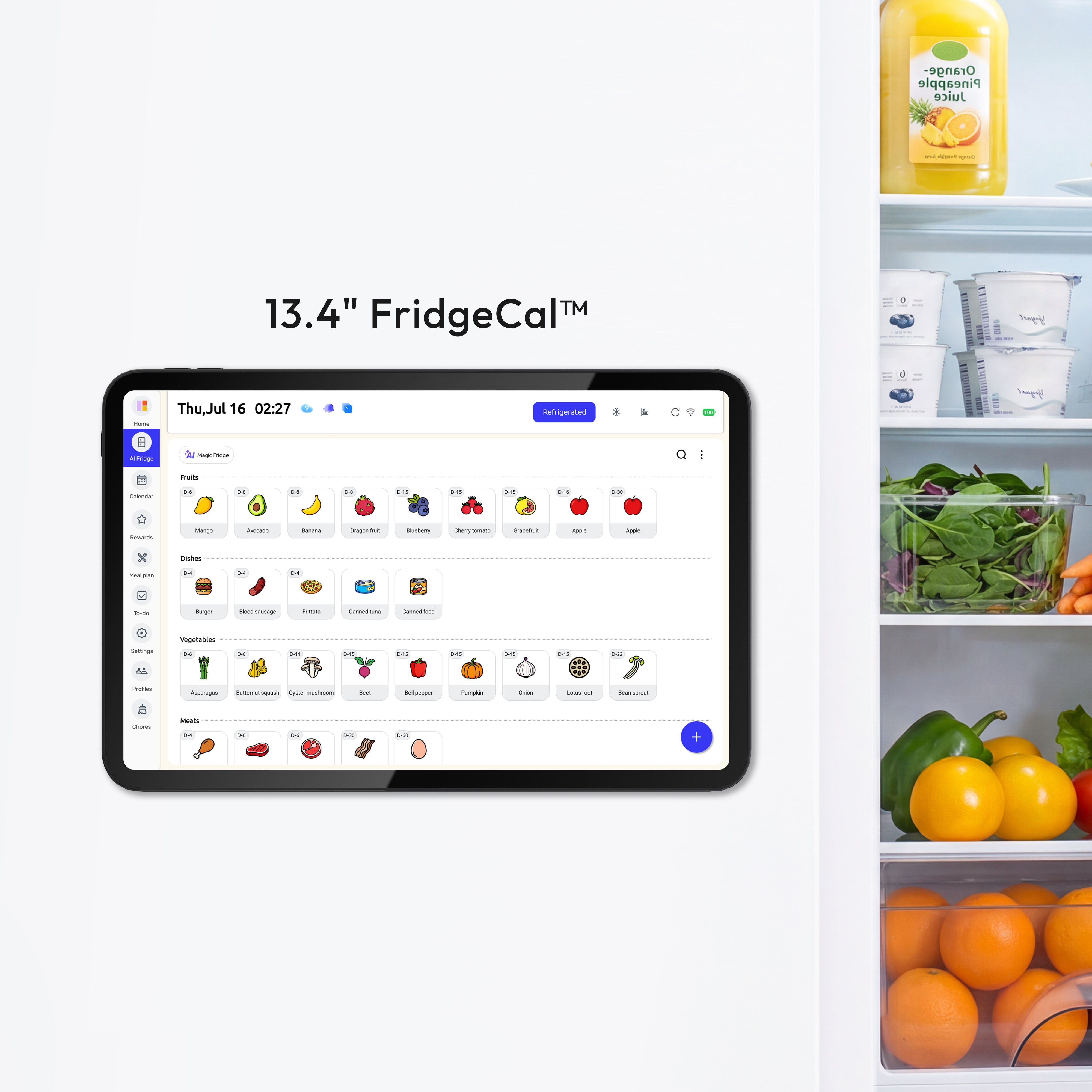
Most teens do better when the rules are visible and fair. Put the limits in writing on the shared fridge calendar or family planning board before they start. The easiest version is a spending cap, a departure window, a latest return time, and one nonnegotiable family need, such as a younger sibling’s nap window or a grandparent’s walking limit.
Budget should come first, because trip spending limits shape every other decision, from tickets to lunch to gas. If you tell your teen, “You have $150.00 for the full day, including food, parking, and admissions,” they can make real choices. If tickets are $80.00 total and parking is $20.00, they quickly see that lunch probably needs to be casual rather than elaborate.
This is also where many families avoid stress by grouping nearby activities. Day-trip planning guidance recommends minimizing long transitions, and that is especially wise when your teen is excited about the destination but less excited about sitting in traffic for two extra hours. A smart route can preserve the mood of the day better than any perfect attraction.
The Planning Method That Works Best for Families
The calmest system is to have your teen answer four questions: What is the main event? How long will it take? Where will we eat? What is our backup if weather, crowds, or timing change? That is enough to teach planning without turning the project into homework.
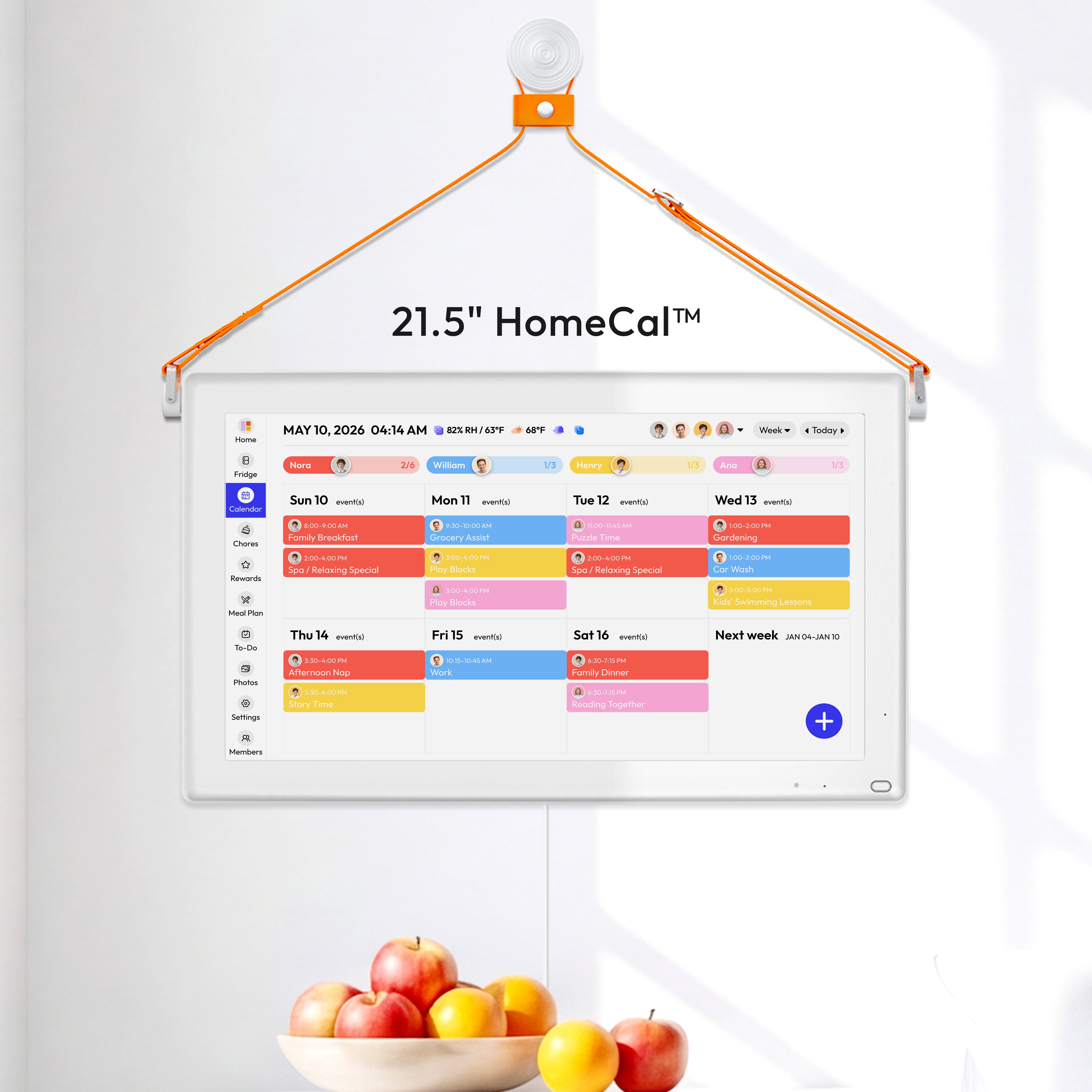
A shared map is one of the most practical tools. A saved-location list works well because it keeps locations, hours, and route order in one place. On a smart digital fridge calendar, you can pair that with a simple day block such as “Leave 9:30 AM,” “Main stop 11:00 AM,” “Lunch 1:30 PM,” and “Home by 6:00 PM.” Teens usually respond better to seeing the whole day at a glance than to hearing repeated reminders.

If your family wants more frequent short outings, nearby-trip thinking helps. Regional mini-vacation planning highlights the value of treating local geography as a base for repeatable escapes rather than waiting for a major vacation. That mindset makes teen planning lower-stakes. A day trip is a safe place to practice decisions, timing, and compromise.
What Makes a Teen-Friendly Itinerary Different
A teen-friendly itinerary usually has more autonomy, more food, and less overpacking. Teens tend to stay engaged when there is variety, room to move, and access to the things that matter to them, including snacks, downtime, and personal choice.
That pattern shows up across teen travel advice and destination picks in family travel inspiration, where successful itineraries mix transportation, activities, and comfort in ways that reduce friction. Even on a simple day trip, the principle holds: combine one high-interest anchor with one lighter add-on. A science museum plus a favorite taco spot often works better than three museums in a row.
Food deserves more attention than many parents expect. Teen appetites can throw off both budget and mood, so planning lunch and one snack stop in advance is not overthinking. It is prevention. If your teen is the planner, ask them to choose one affordable meal option and one backup. That keeps the day moving when the first place is too crowded or unexpectedly closed.

Pros and Cons of Teen-Led Day Trip Planning
Approach |
Likely Benefit |
Likely Risk |
Teen chooses the main outing |
Stronger buy-in and a better mood |
The choice may be too ambitious or too expensive |
Parent keeps budget and timing guardrails |
Less conflict over money and lateness |
The teen may feel it is not really their plan if limits are unclear |
Flexible schedule with a backup option |
Easier recovery from weather or crowds |
The day can drift if there is no clear main event |
Shared digital planning on a fridge calendar |
Everyone sees the same plan |
It only works if the family actually checks and updates it |
The sweet spot is shared authority. If parents control everything, the trip feels assigned. If the teen controls everything, practical gaps show up fast. Families usually do best when the teen designs the day and the adults pressure-test it.
When You Should Step In More Directly
Some day trips genuinely need more parent control. Seasonal attractions may require reservations, and destination check-ahead habits matter because hours, weather exposure, and entry rules can change. If your teen picks a farm, ferry, water park, or special exhibit, verify details before the plan goes on the calendar.
You may also need to narrow choices when the trip includes younger siblings, older relatives, or mobility concerns. That is not a failure of teen planning. It is real family logistics. In those cases, tell your teen exactly what constraint changed and invite them to revise the plan rather than replacing it yourself.
Making the Day Feel Good for Everyone
The best family day trips rarely become memorable because every minute went perfectly. They become memorable because the planner felt seen, the rest of the family felt considered, and the day had enough structure to stay calm. If your teen plans the next outing with a clear budget, one strong destination, a meal plan, and a backup option, you are teaching judgment, not just filling a Saturday.
A smart family system works when everyone knows the plan and everyone has a place in it. Let your teen lead the next day trip, then use the calendar to hold the structure steady while your family enjoys the part that matters most: being together without spending the whole day negotiating.


