






School-night dinner coordination usually breaks down because the real plan is not shared in a place everyone can see. When timing, responsibilities, and backup meals live in one person’s head, the evening turns into reminders, guesswork, and last-minute changes.
Does dinner seem planned until 5:45 PM, when someone mentions late practice, another person is still at work, and nobody thawed the chicken? Families that keep meals on the calendar protect shared dinners more often during the school year, and one back-to-school challenge highlighted a family that logged 58 family dinners in 60 days. You can get more steadiness without redesigning your whole home by making the dinner plan visible, small, and specific.
The Real Problem Is Not Cooking
The plan lives in one person’s head
School-night dinner trouble usually starts with invisible labor around family dinner, not with a lack of caring. One adult is often tracking pickup times, what is in the fridge, who dislikes leftovers, whether lunch needs packing, and how much time is left before bedtime. If that thinking stays private, everyone else assumes there is a plan without knowing what it is.

School nights change faster than memory can keep up
For many families, school-year schedules are a top stress point, so dinner gets squeezed by practices, homework, commute delays, and late work calls. A plan that felt fine on Sunday can break on Tuesday because one child has band, another needs a ride, and the adult who usually cooks is 20 minutes behind.
Static plans miss real-life constraints
Even a personalized meal-planning system built around health needs, budget, and time limits still needs better real-time updates to stay useful. That is the same failure point at home. Dinner plans fall apart when they cannot adjust quickly for late pickups, missing ingredients, food restrictions, or the need to switch from a 45-minute meal to a 10-minute one.
What a Visible Dinner Plan Changes
A private plan becomes a shared plan
A shared calendar that multiple people can view and update changes dinner from a private intention into a household plan. “Tacos this week” is vague. “Tuesday, 6:30 PM, tacos, Jordan cooks, Ava sets the table, beef is in the freezer” is something another person can act on without texting three follow-up questions.
Dinner works better next to the rest of the week
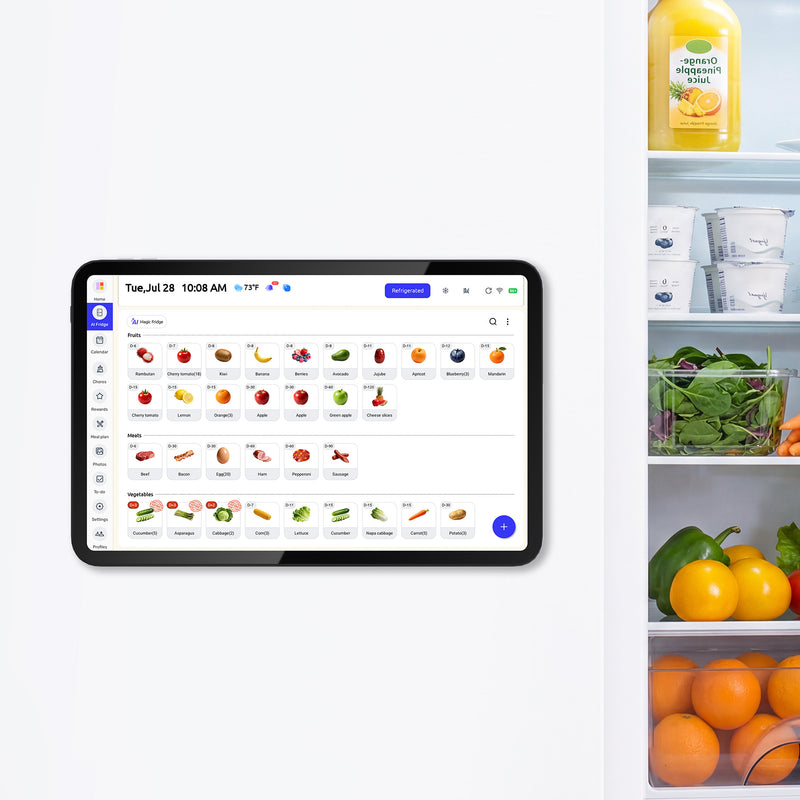
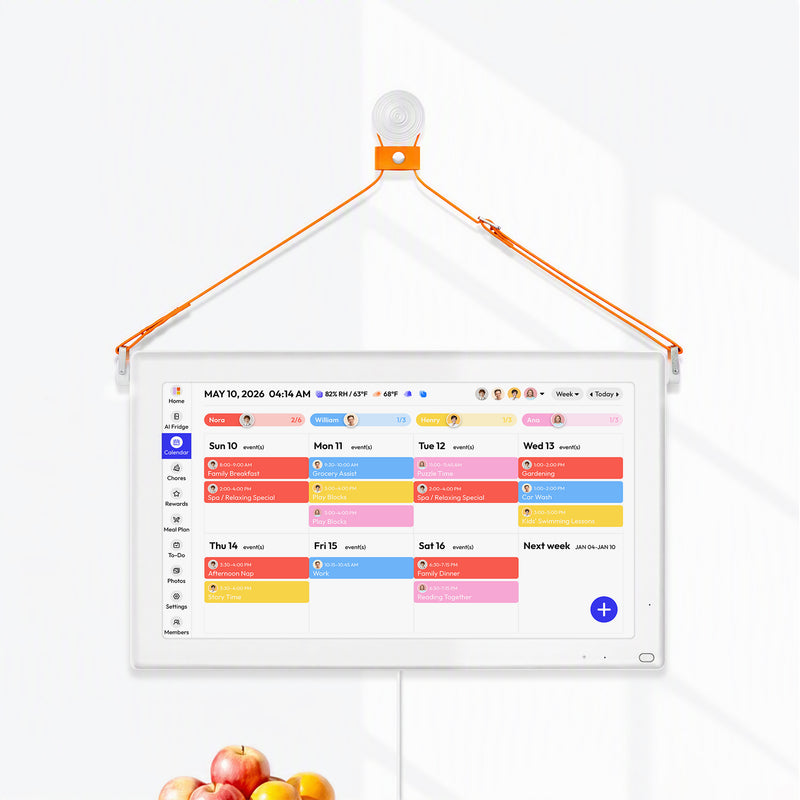
A visible plan works best when dinner sits next to the family schedule, not in a separate note only one person checks. Digital wall calendars that sync online calendars onto a shared screen help because they show practice, work calls, and dinner in one place, so grocery shopping and cooking decisions happen with the real evening in view.

The best plan is readable in 10 seconds
A digital family calendar keeps daily commitments visible in one place, but the useful part is not the device. It is the rule that anyone can glance once and know three things: what dinner is, when it needs to happen, and what the backup plan is if the schedule slips.
Choose a Surface People Will Actually See
Shared calendar app
A phone-first option is the easiest place to start, and a platform offers a shared, color-coded family calendar, lists, recipe storage, and a weekly dinner plan. This works well for adults and teens who already check their phones. It works poorly if family members ignore notifications or never open the app before the dinner rush.
Wall display
A wall display makes the plan harder to miss. Digital wall calendars work best when the family checks them together in the kitchen, and a wall-mounted option such as the Everblog calendar can fit if the household will actually look at it each day. The trade-off is cost. These tools can run from about $169.99 into the several-hundred-dollar range, and some meal-planning features cost extra.

Paper board or command center
A paper board is still a strong choice if your household needs something visible with no logins. A home command center can combine a calendar, notes, menu planning, and grocery reminders in a kitchen, mudroom, or main drop zone. The trade-off is upkeep. Someone has to update it by hand, so the format needs to stay simple enough that it actually gets used.
Build a Weekly Rhythm That Survives Busy Evenings
Do a short weekend reset
The weekly rhythm matters more than the tool. One workable family habit is a Sunday morning discussion of the week ahead, where everyone picks dinners based on practices, late work nights, and what is already in the freezer. A short master list of meals your household actually eats makes this faster because you are choosing from real options instead of starting from a blank page.
Turn the plan into a grocery list right away
Meal planning gets easier when the dinner plan turns straight into a shopping list. Planning meals first and then building the grocery list helps families buy what they need and skip some impulse spending. A realistic reset can be 15 minutes at 4:00 PM on Sunday: check the calendar, assign five dinners, note lunch items, and list what needs to be bought.
Add one midweek check
Midweek is where many plans drift. Put a 5-minute Wednesday check on the same shared calendar so someone can swap Thursday’s slow-cooker meal for sandwiches, pasta, or soup before the evening goes sideways. The best fallback dinners are obvious, repeatable, and already stocked.
Share the Work, Not Just the Menu
Show who owns each part
Visible planning only helps if it shows work, not just food. Family dinner creates a large amount of invisible labor, from deciding snacks and lunches to comparing prices, packing leftovers, and remembering tomorrow’s lunch containers. If the board says “chili” but does not say who shops, who cooks, and who handles cleanup, the mental load still lands on one person.
Give each person a small clear job
A dinner plan works better when each entry includes a tiny job map. One adult can choose the meal, another can handle pickup or grocery refill, one child can set the table, and an older kid can label leftovers for lunch. This is clearer than saying “help with dinner,” because vague help disappears on rushed nights.
Write backup instructions for handoff nights
Shared meal details matter even more when another adult is covering the evening, and meal coordination calendars often include food sensitivities, diet restrictions, and how many people will eat. That same level of detail helps at home. If Thursday dinner depends on a grandparent, babysitter, or carpool parent, write down the plan, the backup meal, and any food limits in the same visible place.
FAQ
Q: Is a paper fridge plan enough?
A: Yes, if everyone sees it and someone updates it. It works best when the weekly schedule and dinner plan are side by side, not split across random notes.
Q: What if my partner never checks the app?
A: Then the app is not your main surface. Move the dinner plan to a kitchen display, fridge board, or another spot people pass at least twice a day.
Q: How detailed should each dinner entry be?
A: Detailed enough that another adult could take over without sending texts. Include the meal, day, rough time, who owns it, and a backup option.
Practical Next Steps
The goal for the next seven days is not a perfect system. It is one visible place where dinner, timing, and responsibility stop being hidden work.
- Pick one shared surface: a fridge board, a wall calendar, or one shared app.
- Set a weekly reset for one fixed time, such as Sunday at 4:00 PM.
- Write down five school-night dinners and three backup meals.
- Add one owner to each dinner: cook, pickup, or cleanup.
- Put one 5-minute midweek review on the calendar.
- Keep the plan where the family already gathers, not in a tucked-away office or forgotten app.
If the plan is visible, dinner stops depending on one person’s memory. That alone can reduce missed handoffs, repeated questions, and the feeling that every weeknight has to be solved from scratch.


