
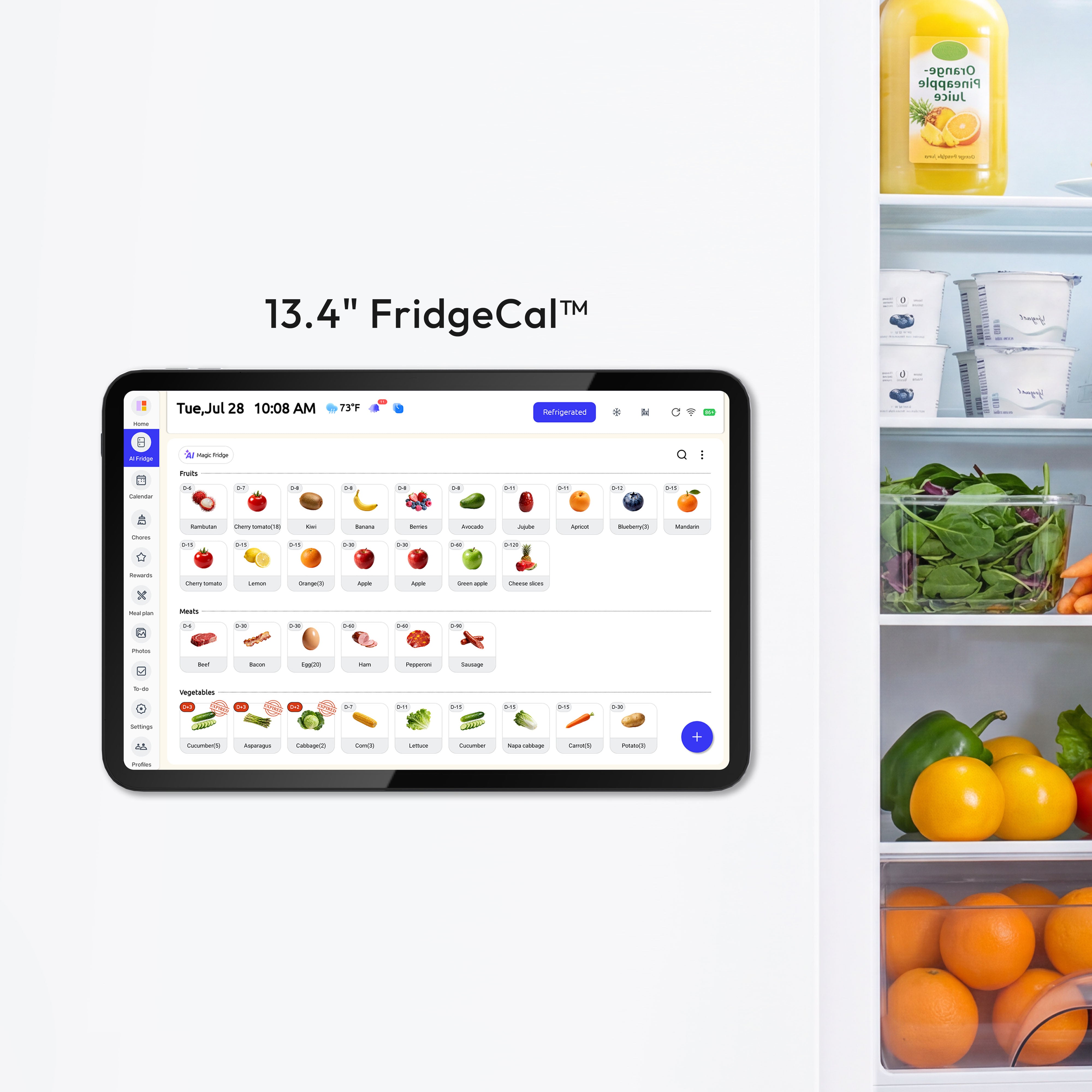
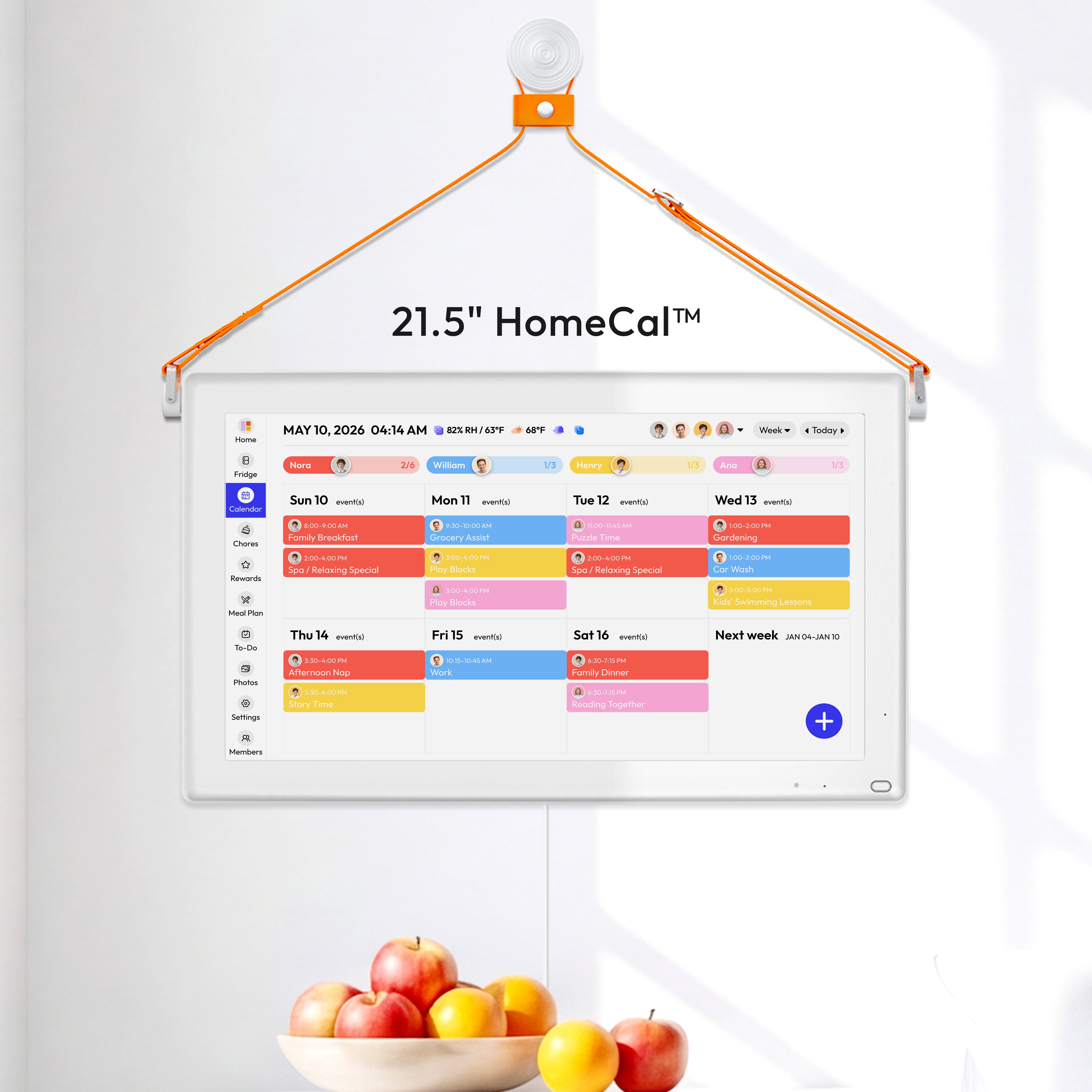


A smart display for family planning is a shared screen that keeps calendars, chores, meals, and reminders visible where everyone can see them. It works best as a household command center in a busy part of the home, not as one more gadget for a single person.
If school pickup changed again, dinner is still undecided, and nobody knows where the field-trip form went, the problem is usually not effort. The plan is just spread across too many places. Many families find a shared system starts to feel normal within about 14 days when they pair one visible screen with a short Sunday reset and a quick nightly check, and that is the kind of setup this guide will help you understand.
What a smart display means in a family home
A digital family calendar is basically a shared home screen that keeps school events, work meetings, sports, appointments, meal plans, and chores in one visible place. In plain English, it is the family version of “one source of truth.” Instead of one parent carrying the schedule in their head, the plan lives where the whole household can see it.

A live shared display usually pulls information from calendars and lists that are already on family phones or laptops. That matters because nobody has to retype every soccer practice or dentist visit. If a meeting moves from 3:00 PM to 4:30 PM, the household screen can update right away instead of waiting for someone to rewrite a paper calendar.
A family command center is not only about the screen. It is the wider household setup around it: a place for the calendar, a drop zone for papers, a spot for keys or bags, and enough structure that daily information does not get lost on the kitchen counter.
How it works day to day
The screen stays visible while phones stay synced
A shared calendar that syncs with personal devices works because it gives families two ways to stay informed at once. The wall display helps everyone notice the plan during normal life, while phones still handle updates on the go. In a busy home, that means a parent can add an appointment from the parking lot and the person at home can see it without a text thread.
A simple weekly reset routine matters more than fancy features. One practical setup uses 4 to 6 colors, a 20- to 30-minute Sunday reset, and a 3-minute nightly check. That routine is what turns the display from “nice screen on the wall” into a real household system.
It makes invisible planning easier to share
A visible household planning system helps because family work is not only chores. It is also noticing, remembering, scheduling, and reminding. When the screen shows pickup times, dinner plans, and tomorrow’s tasks, fewer jobs stay trapped in one adult’s memory.
That same shared family workflow can help older kids take fuller ownership. Instead of “take out the trash when asked,” a teen can own the whole trash routine. Instead of “help with dinner,” a child can own one dinner night each week. The display makes that ownership visible, which is often what stops the parent from having to remind everyone all evening.

Can it replace a paper wall calendar?
A shared screen is easier to keep current when your family schedule changes often. Paper works fine when life is steady. It works less well when practices move, meetings run late, grandparents help with pickup, and dinner shifts three times in a week. The main advantage of a smart display is not that it looks modern. It is that edits happen fast and everyone sees the same version.
A good command center still needs a paper zone for school forms, receipts, mail, and homework that physically enters the house. That is why many families do best with a replacement for the calendar, not a replacement for every single household surface. The screen handles shared timing. A nearby basket, file folder, or clipboard handles the paper trail.
For many homes, a hybrid command center is the most realistic answer. Use the screen for dates, lists, and routines; a wall-mounted shared display such as the Everblog 21.5" Digital Calendar can help keep plans, tasks, chores, and events visible in one place. Keep one small landing spot beside it for things that still exist in real life, like permission slips, coupons, library books, and the return package that must go out tomorrow.
Setup choices that matter most
Put it where family traffic already happens
A visible location in a high-traffic area matters more than almost any technical feature. Kitchens, pantry walls, fridge areas, entryways, garage-door paths, and homework zones usually work better than a private office. If the screen is only visible to the person who installed it, it is not acting like a family tool.
A home organization station also works better when it fits the room you already use. Some homes need a wall display near the breakfast table. Others do better with a closet door setup, a countertop screen, or a narrow wall by the garage entry. The right location is the place where backpacks, lunch boxes, and last-minute questions already show up.

Choose hardware based on readability, not bragging rights
A DIY family calendar build showed why size should match your space and viewing distance. In that example, a 15-inch touchscreen worked because it supported touch input, separate family views, and two-way editing without taking over the room. For a small kitchen counter or a tighter wall, that is often enough.
A larger wall dashboard can make sense when you want multiple calendars visible at once. One family used a 24-inch touchscreen to show eight calendars, weather, and camera views on one screen. The real takeaway is not “bigger is better.” It is that screen size should match how much information your family needs to read at a glance from a few feet away.
Pick integrations that remove retyping
A calendar system that syncs across common services saves time because it cuts duplicate entry. If one adult uses a work calendar, another uses a personal calendar, and kids have school or activity calendars, the display should pull them together cleanly. The household benefit is simple: fewer “Did you put that on the wall yet?” moments.
A customizable family dashboard is also easier to live with when it can combine the basics on one screen: schedule, to-do items, shopping reminders, and dinner plans. Specs like storage size or wallpaper matter far less than whether the family can actually update the system without extra friction.
Where smart displays help most: meals, chores, and split schedules
Meal planning becomes more visible
A meal plan shown beside the family calendar helps families answer the same daily question faster: “What are we eating, and who is home?” It also makes grocery planning more practical. If Wednesday shows a late game and Thursday has an evening meeting, that is useful context for deciding leftovers, a slow-cooker meal, or a simple sandwich night.
That same shared meal workflow can carry food-safety reminders that matter in real life, not just on paper. Notes like keeping the fridge below 41°F, using many cooked foods within 4 to 7 days, or labeling leftovers with a discard date are especially helpful when different family members pack lunches or clean out the fridge on different days.
Chores are easier when ownership is visible
A shared mental-load system works best when it shows the whole chain of responsibility, not only the final task. A doctor visit is not just “go to appointment.” It is noticing the problem, booking the visit, adding it to the calendar, arranging transportation, tracking medication, and remembering follow-up. A smart display helps families make those hidden steps visible.
A chore display with assignment and completion tracking can also help kids follow through without constant verbal reminders. That matters most for recurring tasks like feeding the dog, clearing after dinner, checking sports gear, or owning one dinner night. The screen does not replace parenting, but it can lower the number of times a parent has to play human notification system.

Shared custody schedules benefit from a visible calendar
A 50/50 custody schedule can include patterns like alternating weeks, 2-2-3, or 2-2-5-5. Those setups are manageable, but only if exchange days, school events, and handoff details stay easy to see. In two-home routines, a wall display helps everyone check “whose day is it?” without re-reading message threads.
A split-household schedule is also easier when the calendar can hold repeating custody patterns beside normal family logistics like practice, dinner, and appointments. It does not replace a formal parenting plan, but it can make day-to-day transitions clearer for adults and kids alike.
Limits, privacy, and what to ignore
A family organizer with location features shows why privacy needs a quick household decision before setup. A common-area screen is visible to guests, babysitters, and anyone passing through the kitchen. That means some information should stay off the main display, such as detailed medical notes, sensitive appointments, or live location data unless the household truly wants that visibility.
A DIY dashboard with event filtering highlights another practical point: not every calendar belongs on the wall in full detail. Many families do better with filtered views, separate family-member calendars, or simple labels that show “appointment” instead of the private reason for it. The goal is shared awareness, not full exposure of every detail.
A stable household system usually comes down to three basics: one shared calendar, one home-organization hub, and one meal-planning workflow. Extras like photo slideshows, news headlines, or novelty widgets may be pleasant, but they are not the reason a busy family stays on track. If a feature adds more maintenance than clarity, it is probably noise.
FAQ
Q: Does a smart display need to be touch-enabled to be useful?
A: No. Touch can make chores, checklists, and quick edits easier, especially for kids, but the bigger win is visibility. If the screen is easy to read and the family can still update it from phones, a non-touch setup can work well.
Q: Is a smart display better than just using a shared calendar app?
A: For many families, yes, because the screen makes the plan hard to miss. A shared app is useful, but it still depends on each person opening it. A display in the kitchen or entryway brings the schedule into normal daily traffic.
Q: Can a smart display work in a small home or apartment?
A: Yes. A compact wall, pantry side, countertop, or cabinet-door area can work if the screen is placed where the family already passes by. The best setup is not the biggest one. It is the one people actually look at.
Practical Next Steps
- Pick one shared location first, usually near the kitchen, fridge, garage entry, or homework zone.
- Connect calendars you already use instead of building a new system from scratch.
- Limit the display to the essentials: calendar, meal plan, chores, and one reminder area.
- Use 4 to 6 colors so each person or category is easy to scan without making the screen chaotic.
- Run a 14-day trial with a 20- to 30-minute Sunday reset and a 3-minute nightly check.
- Keep a small paper zone nearby for forms, receipts, and school papers that still arrive by hand.
- Review privacy settings before the display goes live in a shared room.
References
- Why a Digital Family Calendar Beats a Paper Wall Calendar
- Invisible Labor: Share the Mental Load with Older Kids
- The 10 Easiest Family Command Centers to Get Organized
- 21 Smart Family Command Center Ideas
- 50/50 Custody & Visitation Schedules: Most Common Examples
- Turn Any Screen Into Your Family Command Center
- Built a 24" Touchscreen Wall Mounted Dashboard/Family Calendar
- a platform
- DIY Family Calendar
- Best Digital Family Calendar for Planning & Chores in 2026


