







Basil usually turns black in the fridge because cold damages its delicate leaves. For everyday use, it keeps better on the counter with trimmed stems in water, loosely covered, and out of direct sun.
Did you buy basil for pasta night, only to find dark, limp leaves by the time dinner finally happened? A simple countertop setup can often keep basil usable for about 1 to 2 weeks instead of letting it collapse in a cold drawer. Here’s why that happens and the easiest way to store basil so it actually makes it into meals.
Why basil turns black in the fridge
Fresh basil blackens in the fridge because cold temperatures damage the leaves. Basil is a soft, tender herb, but it is also an exception: unlike parsley or cilantro, it does not handle refrigeration well. In plain terms, the cold shocks the leaves, and that shock shows up as dark patches, a limp texture, and faster decline.

Blackening gets worse when damaged leaves and residual moisture encourage spoilage. A bunch that is bruised, packed too tightly, or left damp after rinsing has less room for error. In a busy family fridge, basil often gets pushed behind drinks, squeezed by containers, or forgotten in thin store packaging, and all of that makes delicate leaves fail faster.
What many home cooks notice first is the color, but texture tells the fuller story. Basil that has been chilled often loses its lively, springy feel and starts looking blotchy instead of fresh. Once the leaves become waterlogged or slimy, the quality has moved past the point most families will want to cook with.
What “fresh” basil should look like
The basil worth keeping still looks perky and vibrant, with leaves that feel hydrated rather than soggy. A few nicked edges after shopping are common, but the bunch should still smell bright and sweet, and the stems should not look mushy. If you cannot clearly inspect the leaves before buying, be more cautious, because storage cannot fully rescue basil that was already declining at the store.
Where to store basil instead
The most reliable everyday alternative is to treat basil like a flower bouquet. Snip the stem ends, place the stems in a jar or glass with enough water to cover the cut ends, and keep the leaves above the waterline. A loose cover helps protect the bunch without trapping too much moisture around the leaves.

Basil keeps best at room temperature in light but away from direct sun. In a real kitchen, that usually means a bright counter, not a windowsill that bakes all afternoon and not the darkest corner near the toaster. Change the water every few days, remove any leaves that start to darken, and trim the stems again if the ends look tired. This method is easy to maintain because the basil stays visible, and visible food is far more likely to get used.
One small detail matters more than many people expect: do not let the leaves sit in the water. The stems should drink; the leaves should stay dry. When leaves are submerged, they can darken and turn slimy quickly, which defeats the whole point of moving basil out of the fridge.
Storage spot |
Best use |
Main advantage |
Main drawback |
Most herbs except basil |
Helpful for parsley, cilantro, dill, and other tender herbs |
Basil often blackens and softens |
|
Basil you’ll use soon |
Better color, aroma, and visibility |
Needs fresh water and a sensible spot |
|
Freezer |
Extra basil for cooked dishes |
Cuts waste and stores longer |
Texture is no longer good for garnish |
Should you wash basil before storing it?
If the bunch is gritty, washed herbs lasted longer than unwashed herbs in one test. At the same time, leftover moisture speeds decline, so the practical middle ground is simple: if basil needs washing, dry it extremely well before storage. A salad spinner, paper towels, or a clean kitchen towel all work better than a quick shake over the sink.

This nuance changes what a family should actually do. The question is not whether to wash basil at all. The real question is whether the basil will go into storage wet. If yes, blackening and spoilage become much more likely. If no, a clean, thoroughly dried bunch can still do well on the counter in water.
If you will not use it this week
If you know you will not use the basil soon, freezing chopped herbs in water or olive oil is the lower-stress choice. This is especially helpful after one recipe uses only a few leaves and the rest of the bunch starts lingering in the kitchen. Frozen basil will not give you perfect fresh-leaf texture later, but it works well in soups, sauces, braises, and pasta dishes.

For whole leaves or greener-looking frozen basil, blanching helps preserve bright color. That extra step is worth it if you freeze basil often, but many families do fine with the simpler cube method because it is faster on a weeknight. A conservative expectation is that frozen basil is best used within a couple of months for the strongest flavor and easiest meal planning.
Another low-waste option is turning extra basil into pesto. That gives you a ready-made dinner shortcut and buys you a little more time in the fridge than loose leaves would.
A simple household system helps you waste less basil
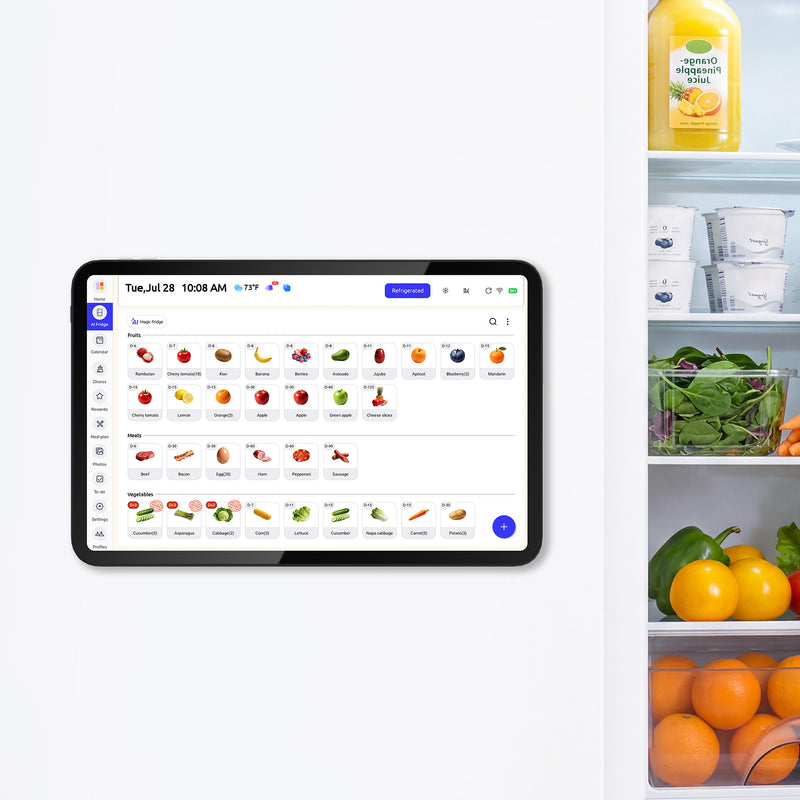
In busy homes, a visible weekly meal-planning board can reduce last-minute dinner stress. Basil is a perfect example. When it sits quietly in a drawer, it is forgotten. When “pesto pasta Thursday” or “caprese night Friday” is written where everyone can see it, the herb gets used while it still looks good.
A family command center works best as a centralized home organization hub for calendars, grocery notes, and the small reminders that keep food moving through the house. If your family already uses the fridge as a planning surface, basil storage becomes easier: put the jar in sight, note the meal beside it, and tie one small ingredient to one clear plan. That is often enough to shift a bunch of basil from forgotten produce to tonight’s dinner.
The bottom line
Basil is one of the few herbs that usually does worse in the fridge than on the counter. Give it trimmed stems, fresh water, light without direct sun, and a visible place in your kitchen, and you will keep more flavor, more color, and a little more calm at dinnertime.


