


New year routine resets usually break down because the plan is not visible enough to survive real family life. When meals, chores, schedules, and handoffs live in memory, the routine depends on reminders instead of a shared system.
Have you ever agreed on a fresh January plan, only to find yourself asking the same bedtime, dinner, and pickup questions by the second week? That pressure shows up in millions of families, including nearly 7.5 million U.S. households where daytime care work is a major part of family life. What may help is not more motivation, but a plan people can actually see, follow, and update together.
The Reset Fails When the Plan Lives in Memory
Family routines often need visible supports when daily life feels rushed, conflict keeps repeating, and everyone needs too many reminders. A new year reset sounds simple when the goal is broad, like "better mornings" or "less chaos after school." It falls apart when no one can see the exact steps, timing, and handoffs that make that goal real.

The mental load includes planning, organizing, scheduling, and anticipating problems. That means a routine can look shared on paper while one parent is still carrying the invisible work of noticing that the lunch supplies are low, the permission slip is still unsigned, and the piano lesson moved to Thursday.
A familiar example
A morning plan is not really a plan if one adult still has to remember every step out loud. A visible routine works better when the family can see that breakfast starts at 7:00 AM, teeth happen next, backpacks go in the same drop zone, and everyone needs to be ready by 8:30 AM. That turns a wish into a sequence.
Hidden Plans Create Friction, Not Laziness
Shared caregiving works best with a clear but flexible plan that lists needs, responsibilities, and timing. The same principle applies in a household with kids, jobs, school forms, sports gear, and dinner decisions. When the plan is hidden, "Can you help?" often means "Can you wait for me to explain the whole task first?"
The problem is often a missing shared system, not a lack of effort. Families tend to feel less strain when work is assigned as ownership instead of informal help. If one person owns Tuesday laundry, another owns school lunch restocking, and everyone checks the same calendar before asking schedule questions, fewer tasks bounce back to the default planner.

When reminders become the whole system
Visible lists, charts, and prompts can reduce repeated reminders. This matters even more when someone in the home struggles with executive function, which simply means the brain skills used to start tasks, remember steps, and switch between jobs are under strain. A visible plan can support those skills by taking pressure off memory, but it is support, not treatment.
What to Make Visible First
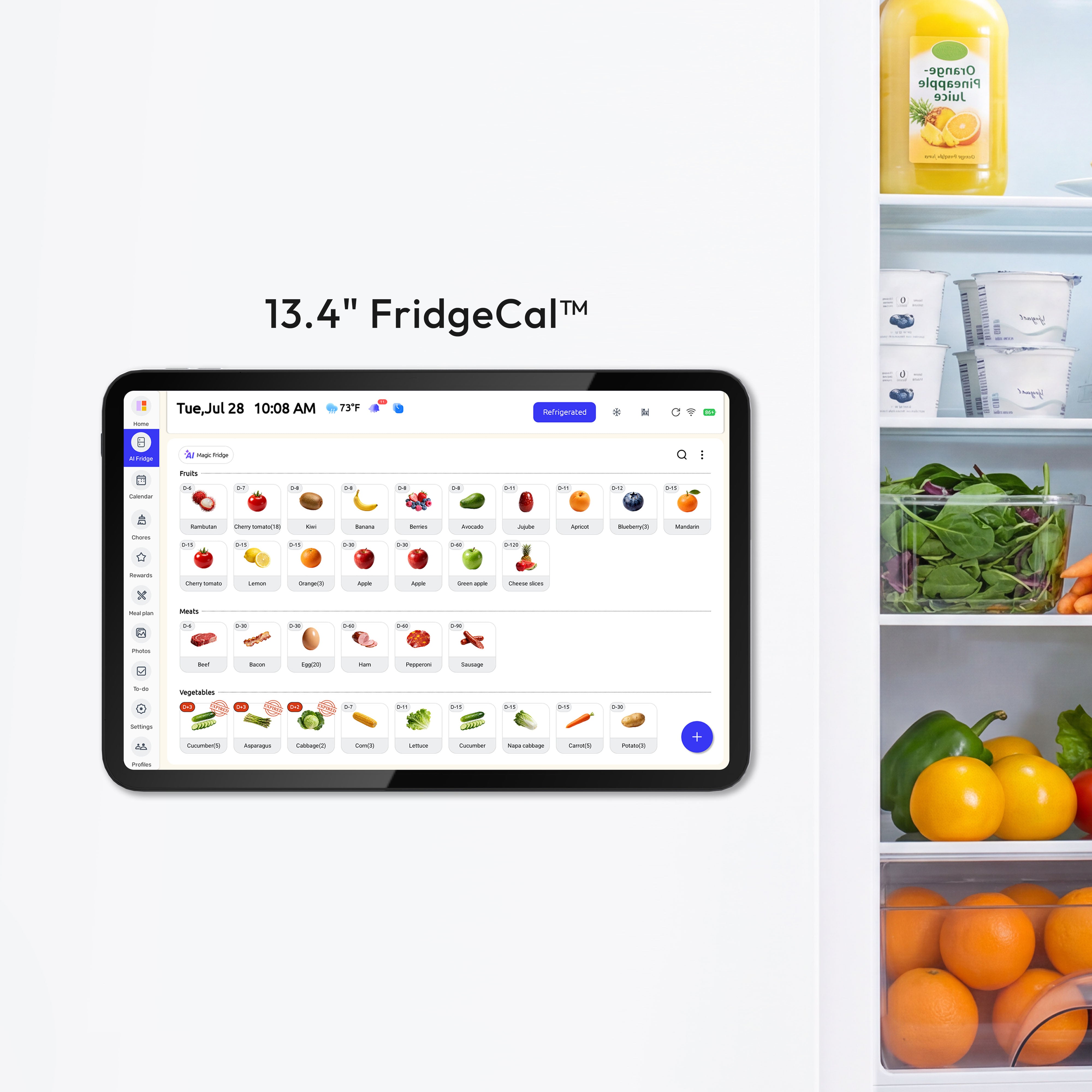
A family command center gives schedules, papers, and tasks one visible place. Start with the pieces that cause the most last-minute stress: the weekly calendar, school and activity handoffs, a meal plan, and a short list of recurring chores. If your biggest pain point is dinner, make dinner visible first. If it is pickup confusion, lead with the calendar.
Shared schedule
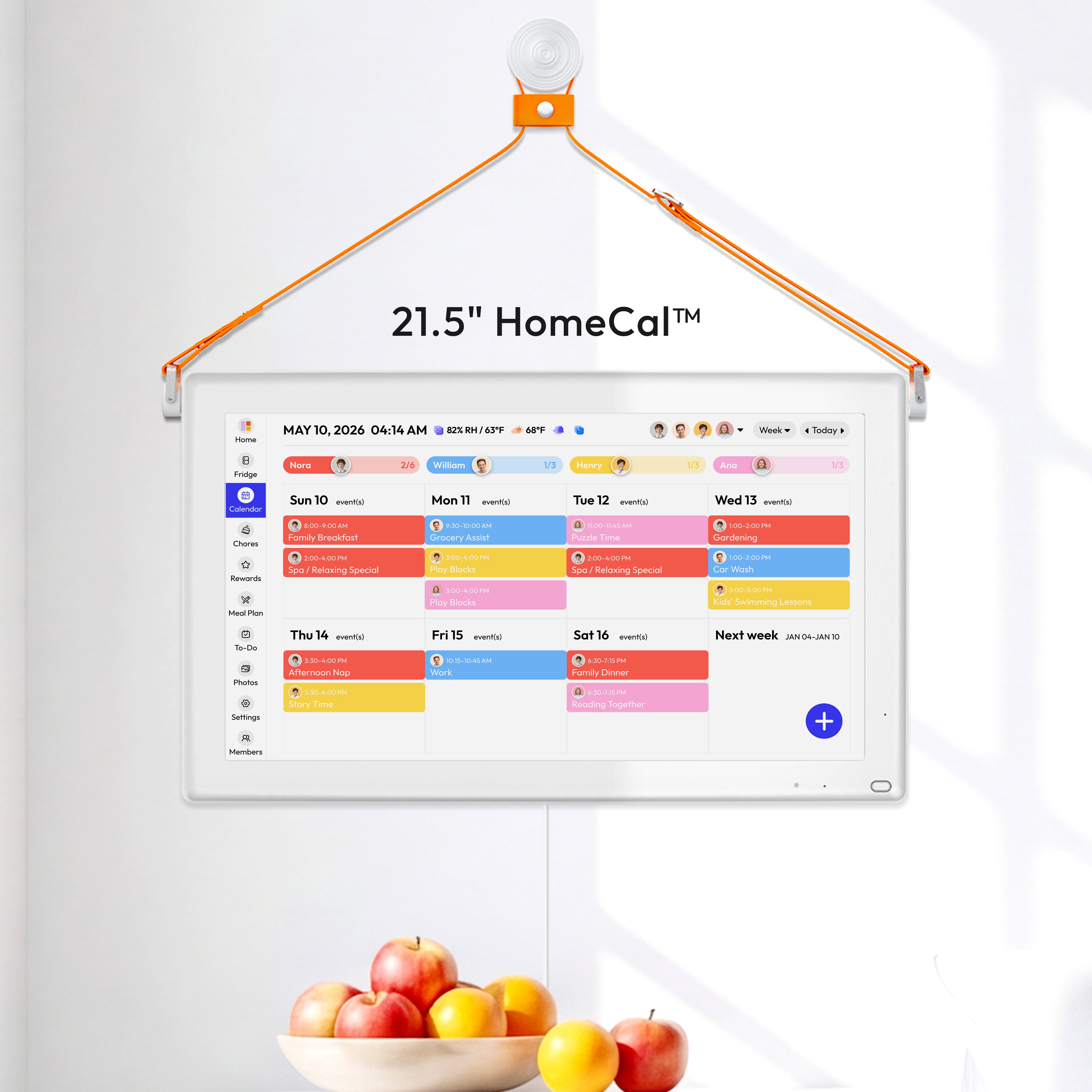
A shared schedule should answer the same questions every day without needing a text thread. Who is doing pickup? What time is practice? Is there a doctor visit on Friday? Is one parent working late? A digital family calendar or a wall calendar works when everyone knows it is the source of truth.
Task ownership
Household work gets easier to follow when it is mapped in clear ownership terms. That can be as simple as one board showing who owns trash night, pet medication, teacher emails, and grocery restocking. Ownership does not have to be rigid, but it does need to be visible enough that nobody has to guess whether a task exists or who is tracking it.
Meal and paper flow
A centralized home space for schoolwork, housekeeping tasks, and family communication should also cover the boring but important traffic of family life. A dinner list, grocery list, incoming mail tray, signed-forms pocket, and backpack hooks do not sound exciting, but they cut down the number of loose ends that quietly wreck a routine reset.
Choosing Between a Digital Calendar and a Wall Command Center
Digital family calendar options now range from free shared calendars to wall-mounted displays. A platform offers a free shared family calendar for up to six members. Another platform adds shared lists and meal planning with a free plan and a $39.00 yearly paid tier. Hardware-first options like a brand start at $169.99, while another smart display starts at $299.99. Another wall-mounted example is the Everblog 21.5" Digital Calendar, a large touch display designed for wall mounting that helps families view schedules, tasks, chores, and events on one screen. The trade-off is simple: app-based tools cost less and travel with you, while wall displays are harder to ignore.

A command center works best when it sits where the family already gathers. The kitchen, mudroom, garage entry, hallway, or laundry area usually beats a private office every time. If the plan is tucked away, it stops being a family system and turns back into one person's dashboard.
Most families do better with a blend
A blended setup is often the most practical option. The wall handles visibility at home: today's events, dinner, chore ownership, and papers that need action. The phone app handles updates on the go: practice changes, delayed pickups, grocery adds, and shared reminders. That way the system stays visible in the house without disappearing once everyone leaves.
How to Build a System People Will Actually Use
Starting small is often more sustainable than building a giant planning station all at once. Pick one location, one tool for schedule visibility, and one pain point to solve first. If mornings are rough, build the morning routine. If dinner is the daily stress point, make a weekly meal board before adding chore layers.
Build one routine in steps
A routine works better when the goal, order, independence level, and distractions are spelled out. For example, if the family goal is school readiness by 8:30 AM, map the steps from 7:00 AM to 8:30 AM, decide what each child can do alone, remove the biggest distractions, and explain the routine in plain language. Children can often help build routines from about age 5, and older kids usually need input if you want the plan to stick.

Keep the system current
A short weekly logistics check-in helps families keep shared plans alive. Ten minutes on Sunday is often enough to review the week, update meals, move appointments, flag school needs, and rotate harder tasks if someone is overloaded. This is where co-parenting friction often drops, because the handoffs are discussed before the rushed moment arrives.
Teach noticing, not just compliance
Assigned chores can still leave the invisible load untouched. What may help over time is teaching people to notice what needs doing and what the household standard is. That does not happen in one weekend. It grows through repetition, visible cues, and calm review when the system misses something.
Practical Next Steps
If your reset keeps failing, assume the system is too hidden before you assume the family is not trying hard enough. Make the plan easier to see, easier to update, and easier to follow without one person narrating it all day.
- Pick one high-traffic spot in the home for a visible planning area.
- Choose one shared calendar that everyone agrees to check first.
- Add only the four categories that create the most friction: schedule, meals, chores, and papers.
- Turn vague help into visible ownership for recurring tasks.
- Build one routine step by step, with times or order shown clearly.
- Hold a 10-minute weekly check-in to update handoffs and overload points.
FAQ
Q: Do we need a digital wall calendar for this to work?
A: No. A dry erase calendar, printed weekly plan, or simple command center can work well if it is visible, current, and used by everyone. A digital display may help if your family updates plans often during the day or needs app syncing.
Q: What if one parent still ends up managing the whole system?
A: That usually means the system is visible but not yet shared. Try making ownership clearer, limiting how many tools you use, and setting a standing weekly check-in so updates do not depend on one person remembering to brief everyone else.
Q: Can a visible routine help if someone has ADHD or struggles with follow-through?
A: It may help by lowering memory demands and making next steps easier to spot. It does not diagnose or treat anything, but it can be a practical household support for executive function strain, especially when the plan is simple and consistent.
Disclaimer
This article is for household planning education only. It is not a substitute for mental health care, medical advice, legal advice, or crisis support. If safety, custody orders, or a diagnosed condition are involved, work with the appropriate licensed professional.
References
- Invisible Labor, Visible Needs
- How to make a routine for your family
- Stress-Free Ways to Share Caregiving Duties Among Family Members
- The 10 Easiest Family Command Centers to Get Organized
- 5 Rules That Transformed My Home (and Saved My Sanity)
- Best Digital Family Calendar for Planning & Chores in 2026
- Notice and Do: A Whole Family Approach To Managing The Invisible Load
- The Ultimate DIY Family Command Center Guide


