



Teens are college-ready when they can run daily home systems with minimal reminders: manage their schedule, maintain shared spaces, and feed themselves reliably.
If your mornings hit 7:15 AM and turn into repeated “leave in five minutes” warnings, the problem is usually system friction, not intelligence or effort. Families that start small with clear ownership, then scale routines over a few weeks, typically see fewer reminders and smoother handoffs. You’ll get a practical checklist of 10 chores, a rollout timeline, and a maintenance system that actually sticks.
Define What “Mastered” Means Before Move-Out
A routines and responsibilities chart works when it is treated as an independence system, not a punishment tool. The goal is predictable mornings and evenings, lower parent stress, and visible ownership of daily responsibilities.
A gradual responsibility progression is more realistic than an all-at-once reset, and teens should eventually handle full household contributions such as laundry, cooking, and bathroom cleaning. Use this standard: the chore is mastered when it is completed correctly, on schedule, and without repeated prompting.

The 10-Chore Checklist for College Readiness
A collaborative organization setup should include school flow (launch pad and supplies), household flow (cleaning and resets), and planning flow (calendar and requests). These chores are designed to map directly into a shared family calendar and task system.
Checklist Table
# |
Chore |
“Done” Standard |
Cadence |
1 |
Nightly launch pad reset |
Bag, keys, charger, and required items staged near the door |
Daily PM |
2 |
Portable homework kit reset |
Supplies and backup charger returned to pouch/caddy |
Daily PM |
3 |
Laundry, full cycle |
Sort, wash, dry, fold, and put away same day |
Weekly + as needed |
4 |
Bathroom clean |
Sink, mirror, toilet, and floor cleaned to family standard |
Weekly |
5 |
Kitchen closeout |
Dishes done, counters wiped, leftovers stored |
Daily PM |
6 |
Trash and recycling cycle |
Bins emptied and curb schedule handled on time |
Weekly + pickup day |
7 |
Room and closet reset |
Surfaces cleared, items returned to “home,” donation bag maintained |
Weekly |
8 |
Shared calendar update |
Practices, due dates, events entered with alerts |
2–3x/week |
9 |
Brain Parking Lot review |
Forms, ride requests, supplies captured and resolved |
Daily + weekly review |
10 |
One balanced meal + one portable snack |
“Protein + Carb + Produce” meal prepared in under 30 minutes |
Weekly cook + daily snack prep |
A simple meal framework keeps this checklist practical during busy school weeks: teens can cook one reliable 30-minute meal weekly, then scale to two after consistency improves.

Choose Tools That Reduce Parent Follow-Up
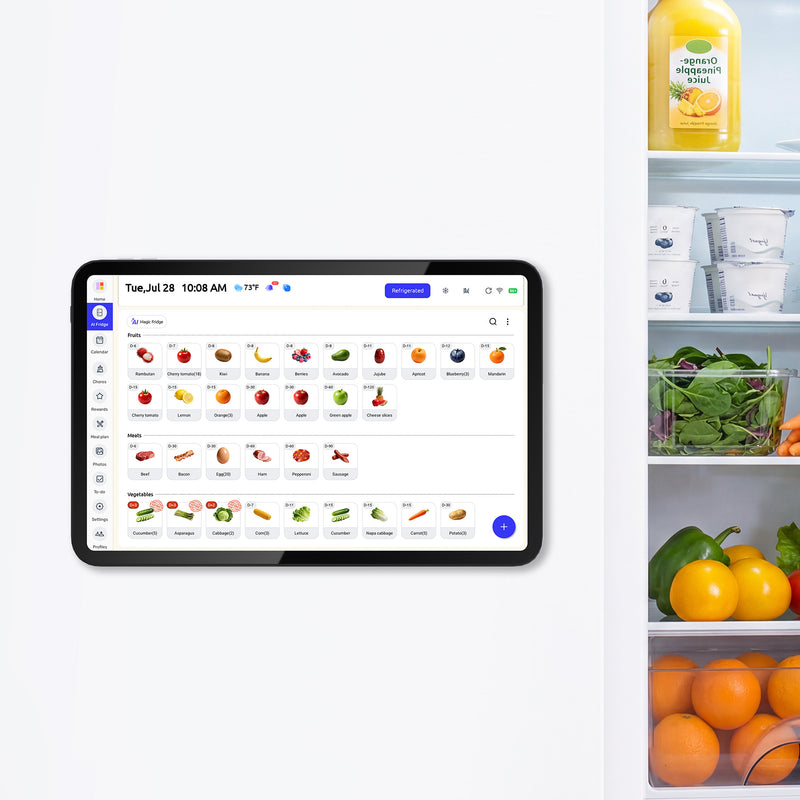
A digital routine system is stickier than paper when chores are concrete, deadline-based, and visible with reminders, timestamps, and completion history. This removes the parent loop of notice-remind-confirm-reset and also supports safer setup decisions when younger siblings are involved (including COPPA considerations under age 13).
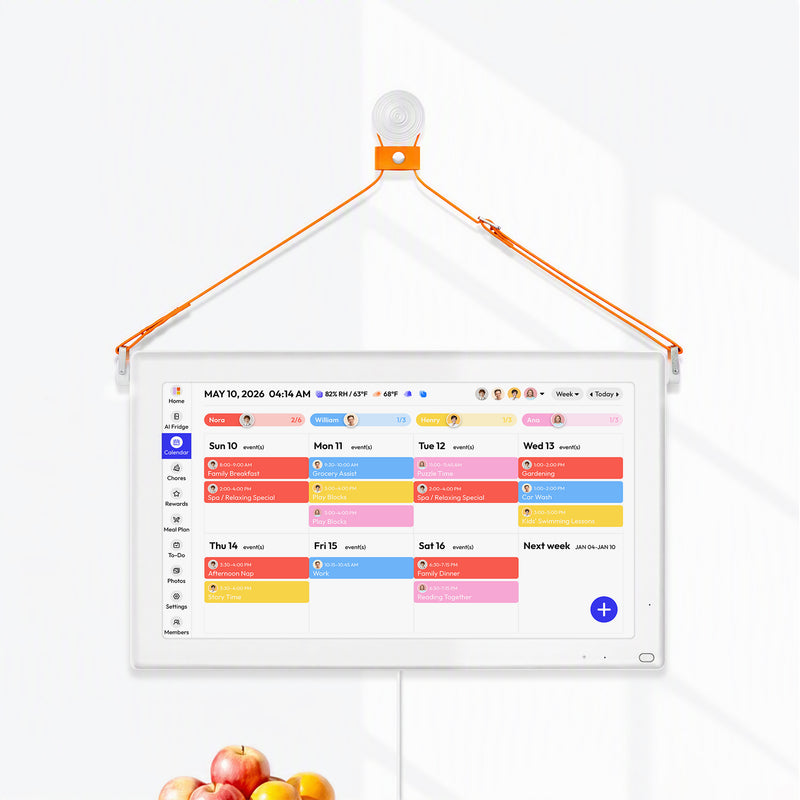
A a company works well when each teen has a profile color, chores repeat on schedule, and routines are grouped by morning/afternoon/evening. Keep rewards optional; first build completion consistency, then layer stars or incentives if needed.
Roll It Out in 8 Weeks (Then Maintain for 52)
A two-week starter phase should include just one daily task and one weekly task so execution becomes automatic before adding complexity. This is where most families either build momentum or burn out.
A teen-owned launch system should come next: launch pad, portable homework kit, shared calendar entries, and a Brain Parking Lot for forms/supplies/rides. Use timer-based work blocks to reduce reminder battles and increase independent follow-through.

A 52-week organization cadence keeps skills from fading after the first month. Weekly resets, donation drop-offs, and “Only Handle It Once” habits prevent clutter relapse and make chore completion faster over time.
Common Failure Points and How to Avoid Them
A motivation-first approach beats stricter rules when teens feel micromanaged. Co-designing the system with your teen improves buy-in and lowers resistance, especially during rushed school mornings.
A weekly meal structure prevents dinner chaos in families running 90-minute activity blocks: 2 simple home-cooked meals, 2 fast-prep meals, 1 leftover night, 1 flexible night, and 1 easy backup. Pair this with one grocery trip and 3–4 freezer backups to reduce last-minute takeout decisions.

A college nutrition self-efficacy pilot showed students preferred short videos plus printable recipe support, with produce-prep confidence improving from 5.10 to 5.86 in pre/post scoring. The practical implication for teens: practice simple, low-cost, sub-30-minute recipes now, before move-in week.
Practical Next Steps
A customizable family chart is the fastest way to start this week, but keep the focus on clear definitions and ownership rather than perfect tracking. Start small, review weekly, and scale only after consistency is visible.
A a company becomes your long-term operating system: one place for chores, routines, deadlines, and accountability across the household.
- Pick 3 starter chores from the table: 2 daily, 1 weekly.
- Define exact “done” standards for each chore in one sentence.
- Assign owners and due times in a shared calendar/task app.
- Run a 14-day pilot with one weekly review at the same day/time.
- Add 2 more chores in week 3 only if completion is consistent.
- Keep a weekly reset: donation bag drop-off, calendar review, and next week meal plan.
Important Note
The planning templates and organizational systems provided here are intended as adaptable blueprints. Every family’s needs, dietary requirements, and physical capabilities are different. We recommend tailoring these schedules to your specific health needs and household dynamics. Results from productivity or meal-planning systems may vary, and consistency remains the responsibility of the individual user.
References
- Maple Blog: Free Printable Routines Chart
- Everblog: Paper vs Digital Chore Charts
- Organized Boutique: Help Teens Get Organized for School
- Skylight: Manage Chores and Family Tasks
- The Crowned Goat: 52 Weeks to a Simplified Organized Home
- LeadAZ: Simple Meal Planning for Families with Busy Teens
- ScienceDirect: Interactive Produce Recipe Resource Pilot


