






A calmer winter break starts with one shared calendar, one visible planning spot, and a short daily rhythm your family can actually keep. When plans, meals, chores, and pickup details live in one place, parents stop carrying the whole week in their heads.
Does winter break start to feel messy by day three, with everyone awake at different times, snack requests all day, and constant questions about what is happening next? The families who handle break weeks best usually are not doing more. They are making the week easier to see, easier to hand off, and easier to repeat.
Start With One Planning Hub
A shared family calendar is the fastest way to cut winter break confusion because it gives every adult one source of truth. Put the non-negotiables on it first: work hours, child care coverage, appointments, travel, sports, and bedtime targets. After that, add meals, chore blocks, library trips, and family plans. This matters because schedule management is hard for many parents, and the strain usually shows up as missed handoffs, repeated reminders, and resentment.

Paper, Digital, or Hybrid?
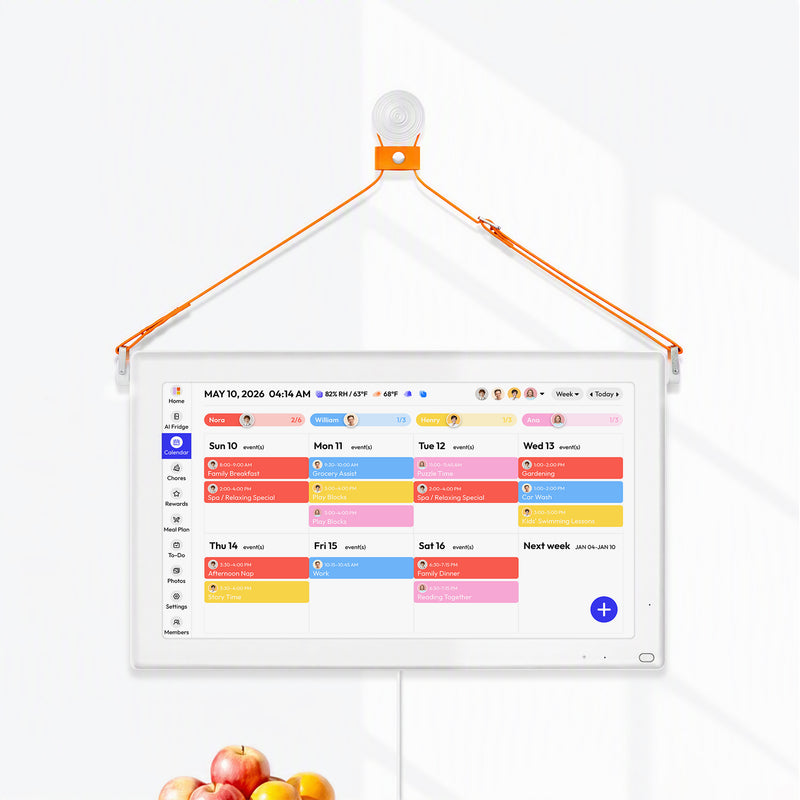
A master calendar on synced phones works well for adults because it updates fast and can send alerts from one day before to 15 minutes before an event. A wall calendar or whiteboard works well for kids because they can see what is coming without asking. For most busy families, the hybrid setup is the sweet spot: phones for updates and reminders, one visible board at home for the week ahead. For families who want that board to be digital, the Everblog 21.5" Digital Calendar is one example of a wall-mounted option that helps keep plans, chores, and events on one screen.
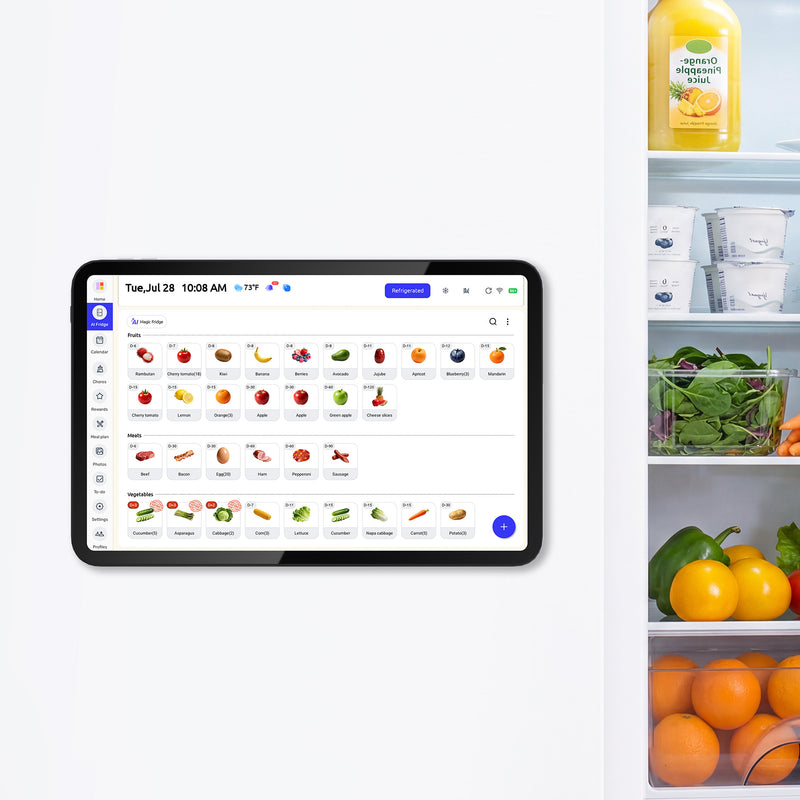
A digital family organizer can also help when winter break plans change midweek, because shared calendars, grocery lists, meal plans, and to-do lists stay in the same dashboard. The goal is not to use every feature. The goal is to make sure the answer to “Who is doing pickup?” or “What is for dinner?” is visible to more than one person.
Build a Simple Daily Rhythm, Not a Perfect Schedule
A predictable winter break routine helps children feel steadier because they know what comes next. That matters even more when school is out and the day loses its built-in structure. A good home routine does not need every hour planned. It needs a few anchors that happen in roughly the same order each day: wake-up, meals, movement, quiet time, family reset, and bedtime.
A structured break routine usually works better when sleep and meals stay close to normal school timing. One practical target is to keep bedtime within about 30 minutes of the usual time. That one choice often prevents the worst next-day problems: short tempers, slow mornings, skipped breakfast, and screen fights before lunch.
A Home-Day Flow That Usually Works
A family schedule is easier to follow when it answers four plain questions: what needs to happen, when, who is doing it, and for how long. For a winter break home day, that might look like breakfast, independent play, a snack and reading block, lunch, quiet time, an outing or active play, dinner, and a short wind-down. For school-age kids, it also helps to keep at least 15 to 20 minutes of reading and around 60 minutes of physical activity somewhere in the day.

Give Meals and Chores Clear Owners
A shared meal and cleanup plan reduces break-week stress because it replaces vague helping with clear ownership. If one person cooks, decide who handles kitchen cleanup and who does the quick house reset. When people know they are fully responsible for a task, they can plan ahead, prep early, and stop waiting for instructions.
A simple whiteboard plus calendar is often enough for meal coordination at home. Try assigning a meal theme to each night, writing the dinner plan by the morning, and listing one cleanup job beside it. For example: taco night, load dishwasher, wipe table, pack tomorrow’s snacks. This keeps dinner from becoming a last-minute debate at 5:30 PM.
A home schedule with child input also makes chores easier to keep because kids can see their role in the day. Younger children can help with simple table-setting, toy pickup, or sorting laundry. Older kids can rotate dishwasher duty, pet care, trash, or snack prep. The key is to match the job to the child and make the expectation visible before the day gets busy.
Make the System Visible in the Places You Already Use
A family command center works best when it lives in a high-traffic area your family already passes, such as the kitchen, garage entry, laundry area, or a short hallway near the door. This is where visible systems beat good intentions. If the plan is tucked in a notebook no one opens, it becomes one more hidden job for one adult.

A small command center setup does not need much. Start with a calendar, a note board, a spot for important papers, and hooks or bins for everyday items. If you have a little more room, add a meal list, a school paper file, and a charging spot for devices. If you have less room, a refrigerator calendar, one basket, and a notepad can still do the job.
What to Put on the Wall
A visible home organization system is easier to maintain when it includes only the items your family actually uses every week. Good basics are the weekly calendar, meal plan, chore list, incoming papers, and one drop zone for coats, bags, or gloves. Skip the extras until the core system is working. Families usually get farther with five useful things than with fifteen half-used ones.
Plan for Real Life: Work Hours, Screen Time, and Missed Follow-Through
A shared dashboard for schedules and lists helps most when adults are not home at the same times. If one parent starts early, another handles lunch, and a grandparent helps one afternoon, put those handoffs directly on the calendar. Add clear labels like “Dad on calls,” “quiet play,” “Grandma pickup,” or “leftovers night.” That keeps the hidden planning work from living in one person’s memory.
A scheduled-break routine also needs a simple screen plan, because school breaks can quickly turn into all-day entertainment media. Pick the unplug blocks before the day starts, not in the middle of a conflict. A common pattern is screens after breakfast jobs are done, no screens during meals, and one offline outing or movement block every afternoon.

A centralized planning layer is especially helpful when family plans keep moving, but the tool matters less than the rule behind it: every change goes in the same place. If a relative visits, if child care falls through, or if an appointment moves, update the shared system right away. Busy families do better with one reliable habit than with a perfect app no one checks.
FAQ
Q: Do we need a digital calendar and a wall calendar?
A: Not always, but many families do better with both. Adults need quick updates and reminders, while kids usually follow routines better when the plan is visible in the house.
Q: What if my children are different ages and need different routines?
A: Keep the family anchors the same, such as wake-up, meals, quiet time, and bedtime, then adjust the activities inside those blocks. A preschooler may need rest time and simple chores, while an older child may need reading time, independent play, and a longer chore list.
Q: What usually breaks first during winter break?
A: Bedtime drifts, meals become reactive, and chores become verbal reminders instead of shared expectations. When that happens, shorten the system: keep only the daily anchors, one meal plan, and one visible list of who is responsible for what.
Practical Next Steps
A simple family schedule works best when you set it up for the next seven days, not for an imaginary perfect month. Pick the smallest version your household can maintain this week. Then make it visible enough that another adult, a babysitter, or a child can follow it without a long explanation.
- Pick one master calendar and enter all non-negotiables first.
- Set up one visible spot at home for the week’s plan, papers, and meal list.
- Keep bedtime within about 30 minutes of the usual school-night time.
- Assign dinner, cleanup, and one daily reset task by name, not by hint.
- Add one reading block and one movement block to each home day.
- Hold a 10-minute family review each evening to check tomorrow’s plan.
A visible routine system does not need to be fancy to make home life easier. If your family can see the plan, share the work, and repeat a few steady anchors, winter break gets calmer fast.


