







Shared custody handoffs usually break down when the plan lives in memory, old texts, or separate calendars instead of one shared, visible system. When exchange times, activities, meals, and backup plans are easy to see, families often have fewer last-minute surprises.
If you have ever stood in a parking lot wondering who was supposed to bring cleats, meds, or the overnight bag, you already know the problem is not always effort. Nearly 60% of parents say managing the family schedule is difficult, and 74% wish their partner helped more with household logistics. What helps most is not more pressure. It is a plan both households can actually see and use.
Invisible Plans Create Visible Stress
Shared custody can look organized on paper and still fall apart in real life. A written parenting plan may cover custody, holidays, school, medical care, and dispute handling, but daily friction shows up when that information is not easy to check in the moment in a written arrangement.
This is where timing problems start. One parent may know the pickup time, but not the early dismissal. The other may know about practice, but not the carpools, dinner plan, or gear needed. Busy homes miss tasks and appointments when there is no clear plan, which is why family planning systems work best when they act as a visible household command center for schedules, chores, meals, and notes in one place.

What often breaks first
The first things to break are usually not the big legal arrangements. It is the smaller operational details: who is driving, what time a child needs to leave, whether a backpack was repacked, and what happens if a practice runs late. In two-household families, those details matter because handoffs sit on top of school, sports, meals, sleep, and work commutes all at once.
That is why co-parenting advice keeps returning to the same idea: detailed plans reduce misunderstandings, and children do better when routines are more consistent across homes as needs change. Visibility does not solve every disagreement, but it reduces the number of avoidable ones.
What Both Households Need to Make Visible
A useful shared plan shows more than dates. A strong family calendar includes transportation, needed items, locations, and contact details, not just “soccer 5:30 PM” on a central family calendar.
For shared custody, the basics usually include exchange times, school events, extracurriculars, medical appointments, holidays, and backup arrangements for disruptions. If a child gets sick, school closes, or a parent is stuck in traffic, the system should already show what the fallback is instead of forcing a tense text exchange at the last minute for disruptions like school or child care changes.

The information that matters most
Visible planning works better when it includes:
- Who has parenting time
- Exact pickup and drop-off times
- Activity times and locations
- Transportation responsibility
- Items the child needs to bring
- Meal plan or dinner handoff notes
- Chore expectations tied to that day
- Backup contacts or alternate arrangements
This is especially helpful when executive function is under strain. Executive function means the brain skills used to plan, sequence, remember steps, and shift between tasks. Under stress, many adults miss steps they fully intended to handle. A visible system does not diagnose or treat that problem. It simply reduces how much must be remembered at the exact wrong moment.
Why Shared Calendars Reduce Handoff Confusion
A shared digital calendar helps because both parents can view updates in real time, use reminders, and include locations inside events for custody and activity planning. That changes the rhythm of co-parenting. Instead of relaying details across scattered messages, the calendar becomes the place where the current version lives.
This matters for activity timing. If practice moves, the pickup location changes, or a one-time swap is approved, a visible calendar makes the change easier to trust because both households are looking at the same record. Tools built for co-parenting go further by handling schedule templates, change requests, and automatic updates after approval inside a shared co-parenting calendar.
Digital can lower the mental load
Digital systems also help with clutter control. One useful tactic is to enter only one parent’s time or only exchange times, so the calendar stays readable. Unmarked time then implies the other parent’s custody. That sounds small, but it matters when a screen is full of school, sports, doctor visits, and recurring chores.
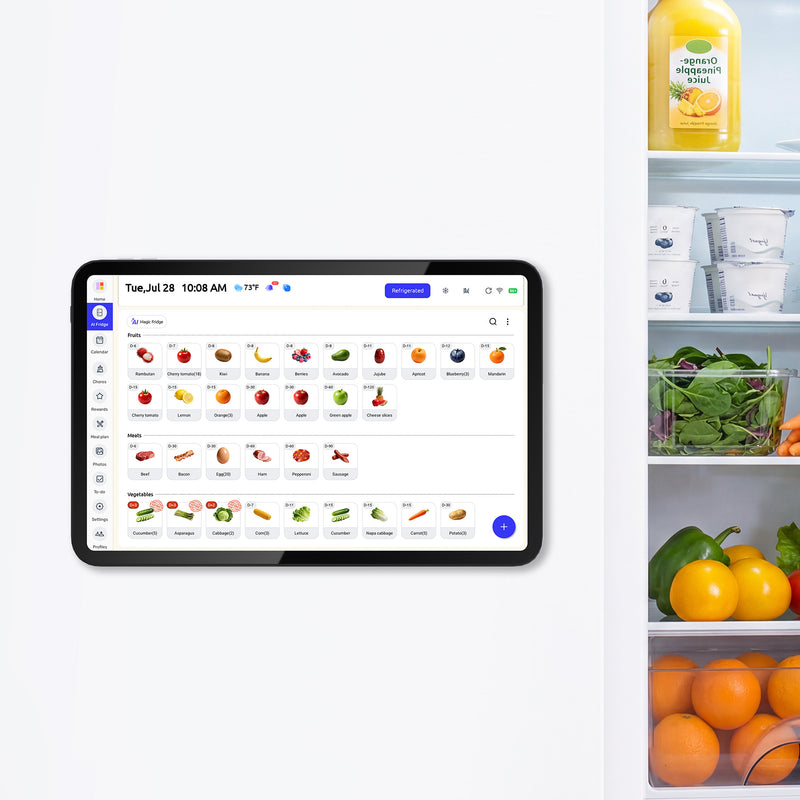
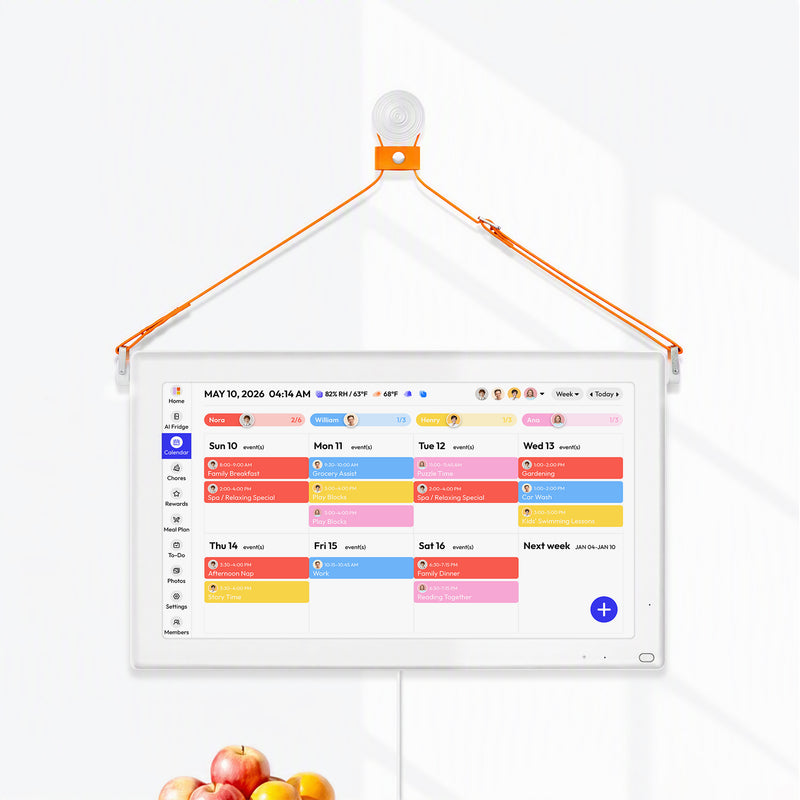
Many families also do better when the custody plan sits beside everyday planning. Apps like a family organizer app and a family planning platform combine shared calendars with lists, meal planning, and to-dos, while a wall-mounted option like the Everblog 21.5" Digital Calendar can help keep pickups, activities, chores, and notes visible on one screen. That keeps the practical side of family life attached to the custody schedule, which is often where handoffs really break down.

Why a Visible Home Setup Still Matters
A digital calendar is useful, but many families need a physical cue too. A family command center gives the household one place to see the week, drop papers, track chores, and manage keys, bags, and reminders in a designated home area.
That physical visibility matters because family logistics happen while people are moving. A child glances at the wall before school. A parent checks the after-school plan while packing lunch. A caregiver sees the note about shin guards, pickup, and dinner without opening three apps. In practice, the best system is often the one people can see while they are already in motion.
Physical tools that support timing
A wall setup does not need to be large or expensive. What usually helps most is:
- Large daily boxes
- Color-coding by person
- A legend strip
- A notes area
- A spot for shopping and chores
- Hooks or bins for bags and papers
That approach matches what home organization writers and family calendar systems keep recommending: put the plan in a shared area, make it easy to read at a glance, and keep maintenance light enough to sustain with a visible shared area and weekly review.
Paper, Digital, or Hybrid: The Real Trade-Off
The best tool is not the most advanced one. It is the one both households will actually update. A paper calendar is simple and visible. A digital calendar is flexible, shareable, and better for real-time changes. A hybrid system often works best when one household needs wall visibility and both adults need phone access when choosing paper, digital, or hybrid.
A hybrid setup can be very practical. For example, one family may keep the official shared schedule in a shared calendar platform or a co-parenting app, then mirror the next seven days on a kitchen display or wall board. A digital wall calendar can import existing custody schedules, show countdowns, and place the plan where kids can see it too through a shared family display tool.

Cost and complexity should stay realistic
Not every family needs special hardware. A shared calendar platform is free. A family organizer app has a free option, and a premium plan is listed at $39/year. A display brand's hardware starts at $169.99, with a premium calendar plan at $79/year. A scheduling platform starts at $15/month billed annually across several family calendar options.
The real question is not which tool looks best. It is whether both homes can keep one current schedule, one clear color system, and one routine for updates. A basic system used daily beats a feature-rich system no one trusts.
How to Build a Visible Plan That Survives Real Life
The easiest way to start is to treat the family plan like a small operations system, not a memory test. One practical framework is a household scan: list the people involved, work and school schedules, commute times, meal times, costs, and everyone’s comfort with technology before choosing the setup.
Then map the non-negotiables first. Put in school hours, exchanges, work blocks, medical appointments, and bedtime routines. After that, add sports, tutoring, meals, carpools, chores, and the items that need to travel between homes. This order matters because many timing problems happen when optional plans get added before the fixed ones when families map non-negotiables first.
A simple action checklist
- Choose one shared calendar that both households can see and update.
- Color-code each person and keep the legend simple.
- Add exchange times, activity locations, and who handles transportation.
- Include meal notes, gear reminders, and recurring chores tied to the day.
- Set one weekly reset, even if it is only 15 minutes.
- Decide how one-time changes will be requested, approved, and logged.
- Keep a visible home station for papers, bags, and next-step reminders.
If you want a more structured record, some families prefer a single source of truth that combines custody details, communication logs, expenses, and the next two weeks of events. A co-parenting command center template can be set up in about 10 minutes and may help when consistency matters more than simplicity for a single source of truth.
FAQ
Q: Do we need a co-parenting app, or is a shared family calendar enough?
A: A shared family calendar is often enough if communication is workable and schedule changes are straightforward. A co-parenting-specific tool may help when swaps, approvals, logs, or more formal documentation need to stay in one place.
Q: What if one parent does not reliably update the calendar?
A: Start smaller. Agree on the minimum required updates: exchanges, school events, activities, and medical appointments. A short weekly review and clear rules for who enters what usually work better than asking both parents to track everything.
Q: Should kids see the custody calendar too?
A: Often yes, if the display is age-appropriate and calm. Children usually benefit from knowing which home they will be in, what activities are coming, and what they need to bring, without being pulled into adult conflict.
Final Takeaway
Shared custody handoffs rarely break down because one family is careless. They usually break down because the plan is too invisible to carry real life. When custody timing, activities, meals, chores, and backup arrangements live in one visible system, both homes have a better chance of staying coordinated without constant re-explaining.
What may help most is not a perfect tool. It is a shared habit: one calendar, one visible routine, and one weekly check-in that keeps the next few days clear before they become urgent.
Disclaimer
This article is for household planning education only. It is not a substitute for mental health care, medical advice, legal advice, or crisis support. If safety, custody orders, or a diagnosed condition are involved, work with the appropriate licensed professional.
References
- Family Wall Calendars that Work: Coordinate Meals, Chores, and Activities
- Co-parenting: how to get it right
- Digital Wall Calendars and Co-Parenting
- How to Create a Family Calendar and Organize It Like a Pro
- 21 Smart Family Command Center Ideas
- Tech Tip: Coordinating Custody Schedules with Shared Calendars
- Co-Parenting in Two Households: Tips for a Smooth Transition
- Co-Parenting Command Center Template
- a family organizer app
- a family planning platform
- Creating a Co-parenting Plan
- Best Digital Family Calendar for Planning & Chores in 2026


