



By 5 PM, most family meal plans fall apart for the same reason. Nobody decided what dinner was, one child won't eat what's available, the freezer meat is still frozen solid, and the produce you bought with good intentions is already fading in the crisper.
That isn't a motivation problem. It's a systems problem.
A good 30 meals for 30 days plan fixes more than dinner. It reduces the constant small decisions that pile up all day, gives everyone more predictability, and turns meals into a repeatable household routine instead of a nightly rescue mission. The families who make this work long term usually aren't better cooks. They just stop relying on memory and improvisation.
Why a 30-Day Meal Plan Will Change Your Family Life
The biggest shift isn't culinary. It's mental.
When dinner lives only in your head, you carry it all day. You remember the half carton of broth, mentally sort through soccer practice timing, guess whether the chicken is still good, and try to please people with different appetites and opinions. That load wears people down fast.

A monthly plan removes a huge share of that friction. Instead of asking, "What are we eating tonight?" you ask, "What does the plan say, and what needs to happen next?" That sounds simple because it is. Simple is what works on busy school nights.
A plan solves more than recipes
A lot of parents think meal planning means picking dinners. That's only part of it. The key is coordinating meals with shopping, leftovers, schedules, and the reality of what your family will genuinely eat.
A projected 2025 consumer trend shows 68% of families cite meal planning failing due to spoilage as a primary frustration, which points to a common breakdown. Plans often ignore shopping timing, inventory, and price changes, so food gets wasted before the meals happen (budget Whole30 week one discussion).
That tracks with what happens in real kitchens. The plan looked fine on paper. Then one late meeting, one forgotten ingredient, and one overbought bag of spinach changed the whole week.
Practical rule: If your meal plan doesn't connect to your actual shopping rhythm, it isn't a plan. It's a wish list.
What changes in daily life
A working 30-day plan gives the house a rhythm. Kids know which nights are familiar. Adults stop making separate store runs. Leftovers stop feeling accidental and start serving a purpose.
You also get calmer evenings because fewer decisions happen at the worst possible time.
A few things typically improve right away:
- Less decision fatigue because the menu is already chosen
- Fewer wasteful purchases because you buy with a schedule in mind
- More predictable evenings because prep and cook nights aren't random
- Better follow-through because everyone can see what's coming
If you want a good companion read on simplifying weeknight food routines, this guide to stress-free family meals is useful because it speaks to the same real-life problem. Families don't need gourmet complexity. They need reliable meals that fit actual weekdays.
Foundations of Your 30-Day Meal Plan
Before picking recipes, get the ground rules right. Most failed meal plans fail here. People start with inspiration when they should start with inventory, constraints, and family agreement.
Start with a fast kitchen audit
Open the pantry, fridge, and freezer. Then take stock with a clear eye.
You are looking for three things:
- What needs to be used soon
- What you already have enough of
- What your family reliably eats without drama
Don't overcomplicate this. A quick shelf-by-shelf scan is enough. If you like visual records, take a few phone photos of shelves and freezer bins. Those "shelfies" stop you from buying a third jar of salsa or forgetting the ground turkey buried behind frozen fruit.
A practical audit usually includes:
- Pantry staples like rice, pasta, canned tomatoes, beans, broth, oats, nut butter, and seasonings
- Freezer anchors like chicken, meatballs, vegetables, tortillas, bread, and backup dinners
- Fresh items with urgency like greens, herbs, berries, soft vegetables, and opened dairy or condiments
Decide what this month is for
A 30-day meal plan works best when it has one primary purpose. If you try to make the month budget-focused, highly experimental, allergy-friendly, extra healthy, and kid-perfect all at once, you'll get a messy plan nobody wants to follow.
Pick the top priority first. Then let the rest support it.
Here's a simple way to frame it:
| Main priority | What that changes |
|---|---|
| Lower grocery stress | More repeated ingredients, fewer one-off recipes |
| Health reset | More whole foods, more home-prepped meals, fewer convenience dinners |
| Simpler weeknights | More theme nights, more leftovers, more freezer use |
| Dietary accommodation | More base meals with easy swaps and parallel toppings |
If you're trying to eat more seasonally, your guide to CSA programs can help you think through how farm share produce affects meal planning. It's especially useful when your meal list needs to flex around what's available instead of relying on the same supermarket routine every week.
Create a short family food charter
This sounds formal, but it shouldn't be. It's just a quick agreement about how meals work in your house.
Ask each person for their top five dependable meals. Not dream meals. Dependable meals. The kind they will eat without a debate.
Then add a few household rules such as:
- One family meal, flexible parts instead of separate dinners
- At least a few familiar meals each week so the plan feels safe
- One try-it meal for variety
- A backup option for low-capacity nights
A family meal plan gets easier when everyone sees themselves in it. People resist less when they had a voice before the calendar filled up.
That charter becomes your filter. If a recipe doesn't fit your ingredients, schedule, or family rules, it doesn't go on the list.
Building Your Master List of 30 Meals
Now, the plan becomes real. Not polished. Real.
The strongest version of 30 meals for 30 days isn't 30 dinners. It's a repeatable list of 10 breakfasts, 10 lunches, and 10 dinners that your household can rotate without constant reinvention.

Why shared ownership matters
Meal plans often break down because one person becomes the family food department. Everyone else shows up as a critic.
That setup doesn't last. Research on household food management shows that approximately 35% of families report conflict over meal choices, and generic plans rarely help because they don't build in negotiation, substitutions, or flexible base meals (Whole30 meal plan gap analysis).
The fix is not making everybody happy all the time. The fix is building a list that can bend without breaking.
Build around flexible base meals
The easiest family plans rely on meals that can be served in parts. That keeps you from becoming a short-order cook while still handling picky eaters, teens with bigger appetites, and adults with different preferences.
A few base meal formats work well:
- Taco bowls and taco bars where rice, lettuce, protein, beans, salsa, cheese, and avocado can be mixed and matched
- Sheet pan dinners with one protein and separate vegetable zones
- Pasta nights with sauce on the side or split between versions
- Grain bowls where toppings vary by person
- Breakfast-for-dinner with eggs, toast, fruit, potatoes, and optional add-ons
One toddler may want plain chicken and rice. A teen may load the same meal with sauce and extra toppings. An adult may skip one component entirely. That's still one meal.
A sample way to think about the list
You don't need complicated categories. You need useful ones.
Try sorting your 30 meals like this:
| Category | What belongs there |
|---|---|
| Fast wins | Meals you can finish quickly on packed nights |
| Freezer-friendly | Soups, casseroles, meatballs, sauces, cooked proteins |
| Use-it-up meals | Fried rice, soups, quesadillas, grain bowls, salads |
| Company-safe favorites | Meals everyone eats and nobody complains about |
| Low-effort breakfasts and lunches | Repeatable combinations that don't require thinking |
What a balanced master list looks like
A strong list has variety in effort, not just ingredients.
For breakfasts, think in terms of repeatable patterns. Eggs with toast and fruit. Yogurt bowls. Overnight oats. Smoothies. Breakfast burritos. Pancakes on a slower day. A family doesn't need 30 unique breakfasts. It needs a manageable morning menu.
For lunches, include leftovers on purpose. Add soups, sandwiches, snack plates, wraps, grain bowls, and a couple of packed-lunch standards that travel well.
For dinners, balance the week with:
- A very easy night
- A slower cooked favorite
- A repurpose-leftovers meal
- One meal built from pantry staples
- At least one meal that uses fresh produce early
Don't chase novelty. Chase repeatability with enough variation to keep people from getting bored.
Once that master list exists, you stop staring into the fridge trying to invent dinner out of random ingredients and resentment.
Scheduling Your Meals From Theme Nights to Rotations
A meal list on its own is just inventory for your brain. The relief comes when the list turns into a pattern.
Use theme nights to cut whole categories of decisions
Theme nights work because they narrow the field. If Tuesday is taco night, you don't have to choose from every possible dinner in the world. You choose one version of tacos, bowls, or a similar build-your-own meal.
Common themes that hold up:
- Meatless Monday for bean dishes, pasta, soups, or vegetable-heavy meals
- Taco Tuesday for tacos, burrito bowls, or nacho-style dinners
- Leftover Wednesday for repurposing cooked proteins and produce
- Pasta Thursday for a dependable crowd-pleaser
- Pizza Friday whether homemade, freezer, or takeout
- Slow cooker Sunday for a meal that sets up the week
These themes don't need to be clever. They need to reduce friction.
Build a rotation, not a prison
The best monthly schedule is predictable but not rigid. That means each week has recognizable anchors, but you can still swap meals based on energy, weather, or what needs to be used.
A practical rotation has four parts:
- Anchor meals that appear regularly because they always work
- Seasonal meals that come and go based on weather and produce
- Cleanup meals that use leftovers and odds and ends
- Relief meals such as frozen backup dinners or planned takeout
That structure prevents two common problems. First, boredom. Second, unrealistic optimism.
Use the calendar to increase variety
A rotating monthly plan also helps families eat with more diversity. According to the American Gut Project, consuming more than 30 different plant-based foods per week significantly enhances gut microbiome diversity, which makes a rotating meal calendar a practical way to include a broader mix of vegetables, fruits, grains, and legumes (American Gut Project summary from World Cancer Research Fund).
That doesn't require exotic cooking. Herbs count. Nuts and seeds count. Beans count. Different grains count. Even a taco night can carry more variety if you rotate slaws, peppers, beans, avocado, salsa, greens, and roasted vegetables.
A menu calendar becomes much easier to manage when it's visible and tied to actual dates. A simple example of that structure is this calendar for menu planning, which shows how a visible schedule helps meals connect to the rest of family life instead of floating separately.
Plan your hard meals on easy days, not on hopeful days.
Keep flexible spaces in the month
Every good month needs room to breathe.
Leave open space for:
- Leftover nights after a larger meal
- Fend-for-yourself lunches
- A spontaneous pizza order
- Schedule disruptions
- End-of-week fridge cleanout meals
Parents often think flexibility means no structure. In practice, flexibility works best when it's scheduled.
The Ultimate Guide to Meal Prep and Batch Cooking
Meal prep gets overcomplicated fast. People picture rows of identical containers and a full Sunday lost to cooking. That's not what helps most families.
What helps is component prep. You prepare the parts that make weeknights move faster.

What to prep in one session
A key habit is setting aside 2 to 4 hours weekly for prepping 5 to 7 meals ahead, and nutritionist challenge data found 78% adherence in 30-day trials when recipes rotate weekly and are supported by batch prep, with planning and cooking time cut by 40% (30 meals in 30 days challenge guidance).
That doesn't mean cooking every meal fully. It means getting ahead where it counts.
In a solid prep block, I focus on a few categories:
- Vegetables first. Wash greens, chop onions, slice peppers, trim beans, roast trays of mixed vegetables.
- One or two proteins. Brown ground meat, shred chicken, bake meatballs, marinate something for later.
- A starch or grain. Rice, potatoes, pasta salad, quinoa, or another base that saves time later.
- Lunch supports. Hard-boiled eggs, snack boxes, wraps, washed fruit, sandwich fixings.
- Sauces and flavor pieces. Dressings, taco filling, yogurt sauce, chopped herbs, or a quick marinade.
Why components beat fully assembled meals
A family meal plan needs room for appetite changes and shifting schedules. Fully assembled meals can box you in. Components adapt.
Cooked chicken can become wraps one day, soup the next, and bowls after that. Roasted vegetables can go beside dinner, into lunch boxes, or into eggs the following morning.
If storage is part of your struggle, it helps to get deliberate about container sizes. This guide to finding leak-proof small containers is useful for sauces, cut fruit, dressings, and lunch add-ins that otherwise get messy or forgotten.
A simple batch-cooking workflow
Here's a practical order that keeps momentum up:
- Start what takes the longest such as roasting, simmering, or slow cooker items.
- Move to knife work while the oven is busy.
- Cook one versatile protein before trying anything fancy.
- Package by use case. Dinner components together, lunch items together, snacks together.
- Label the fragile stuff mentally or physically so you use it first.
A lot of large-family prep ideas work best when organized by components instead of complete plated meals. This meal prep for large families approach is especially helpful if you're feeding multiple kids with different schedules.
This walkthrough is a good visual example of how prepping ahead makes the week easier:
What usually doesn't work
Batch cooking fails when people prep food they don't like to eat on day three. It also fails when every item needs reheating, assembly, and cleanup at the same time.
Watch for these traps:
- Too many aspirational vegetables and not enough realistic ones
- Overly delicate produce prepped too far in advance
- One giant prep session with no plan for use order
- Recipes that create more dishes than relief
Prep the expensive and annoying parts first. Chopped onions, cooked protein, washed greens, and a ready starch save more weeknight energy than an elaborate casserole ever will.
Syncing Your Plan with Everblog for Seamless Execution
A meal plan can be beautifully designed and still fall apart if nobody can see it, shop from it, or act on it in time.
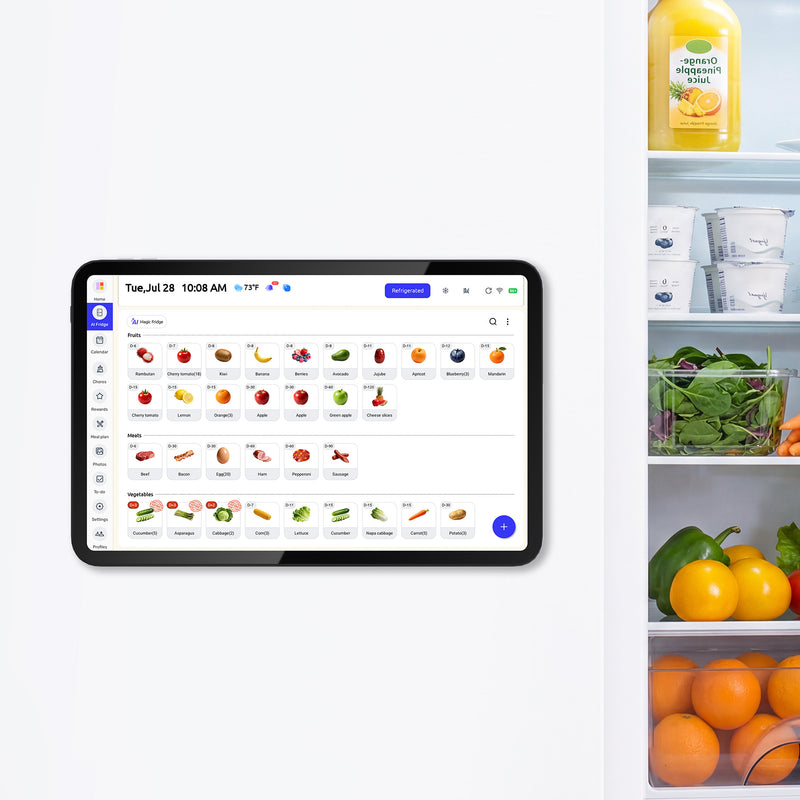
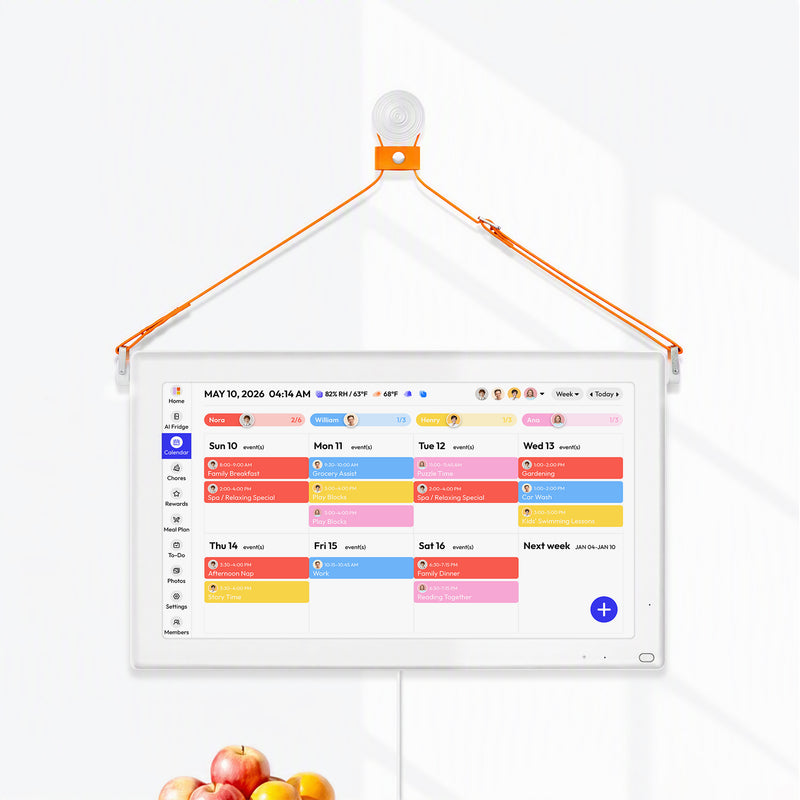
A digital family hub changes the whole system. The plan stops living on a paper sheet, in one parent's notes app, or half-remembered in conversation. It becomes visible, shared, and easier to carry out day by day.

Put the full rotation into one shared system
Start by entering your four-week meal rotation into the family calendar. Assign dinners to the right days first. Then add breakfasts or lunches only where they help, such as packed lunch days, weekend brunches, or days that need extra structure.
A shared display matters because people stop asking one person what's for dinner. They can look.
What belongs in the calendar:
- Dinner plan for each day
- Prep reminders such as defrosting meat or soaking beans
- Special notes like late practice, packed dinner, or slow cooker morning
- Leftover nights so they don't get erased by impulse planning
If your household already uses Google for appointments and school items, sync with Google Calendar keeps meal planning from becoming a separate disconnected system.
Turn meals into grocery actions
Many generic plans fail in this way. They stop at the menu.
A working family system needs the grocery list tied directly to the planned meals, with room for real-time edits. When one adult notices you're out of olive oil or lunch fruit, that item shouldn't live on a scrap of paper until it's lost. It should go straight onto the shared list.
That matters because structure changes follow-through. When paired with digital trackers like Everblog, rigorous meal plan methodologies can achieve up to 90% execution success, and structured systems boost adherence from 40% for ad-hoc planning to over 65% while making habits like planning 30g of protein at breakfast easier to support through scheduling and list management (UCLA Health overview of the 30-30-30 rule).
How to use the shared workflow
The most effective setup is straightforward:
-
Add the month's meals to the planner
Keep names simple and recognizable. "Taco bowls," "sheet pan sausage and veg," "breakfast for dinner."
-
Build each week's shopping list from that plan
Add meal ingredients first. Then add breakfast basics, lunch staples, and household items.
-
Let family members contribute
One person adds produce. Another adds school snack needs. A partner can pick up missing items on the way home without texting for clarification.
-
Set reminders for friction points
"Move chicken to fridge." "Start rice." "Pack lunches." "Take inventory before shopping."
-
Review the week in one glance
If Thursday is overloaded with activities, move the harder meal before it becomes a problem.
Why visible planning works better than memory
Paper plans can work, but they often become static. Family life isn't static.
A digital hub helps because the meal calendar, grocery list, and household schedule can live together. If a child has evening practice, you can quickly swap in a faster dinner. If someone stops at the store unexpectedly, they can see the current list. If a meal needs prep in the morning, the reminder is already part of the day's flow.
The plan only helps if people can act on it in real time.
That's the difference between planning as intention and planning as execution.
Beyond Day 30 Making Your Meal Plan a Habit
The first month is not a test of perfection. It's a working draft.
Once you've lived through a full cycle, you'll know more than any printable plan could ever tell you. You'll know which meals bought you breathing room, which ones sounded better than they ate, and which shopping habits created waste.
Do a short end-of-month review
Keep this review practical. No overanalysis.
Ask:
- Which meals got easy yeses from the family
- Which meals created too much work for a weekday
- What spoiled before you used it
- Which leftovers were eaten
- Where lunch planning was strong or weak
- Which nights needed a backup meal
That review is where the system gets stronger. Drop what nobody liked. Keep what carried the week. Adjust portions where you consistently had too much or too little.
Build a reliable backup bench
Every family needs a B-team. These are the meals that save the month when life gets noisy.
Good backup meals are usually:
| Type | Why it helps |
|---|---|
| Freezer dinner | Covers a rough day without takeout decisions |
| Pantry meal | Uses shelf-stable basics when shopping slipped |
| Fast breakfast option | Saves rushed mornings |
| Leftover remix | Prevents waste and stretches the plan |
The point isn't to avoid disruption. It's to absorb disruption without losing the whole system.
Keep the plan alive, not rigid
Your 30 meals for 30 days plan should evolve with seasons, school routines, sports schedules, and changing appetites. Families outgrow old favorites, discover new ones, and hit phases where one child suddenly refuses what they loved last month. That's normal.
What works long term is a living rotation. The framework stays. The meals change as needed.
If you keep the master list updated, maintain a few backup dinners, and review the month truthfully, meal planning stops feeling like a project and starts feeling like household maintenance. Quiet, steady, and worth it.
Everblog is the tool that turns a good 30-day meal plan into a system your whole family can follow. With one shared hub for meals, grocery lists, reminders, schedules, and daily routines, it helps busy households move from last-minute scrambling to calm execution. If you're ready to make meal planning visible, collaborative, and far easier to maintain, explore Everblog.


