






That frantic 5 PM scramble? I know it well. It used to be my daily reality, trying to figure out dinner while juggling homework, after-school activities, and a mountain of other tasks. That constant "what's for dinner?" question felt like a losing battle.
Our family finally escaped the chaos when we committed to a central menu planning system. The simple answer was a dedicated calendar for menu, and it turned our evenings around.
End Mealtime Chaos with a Smart Menu Calendar
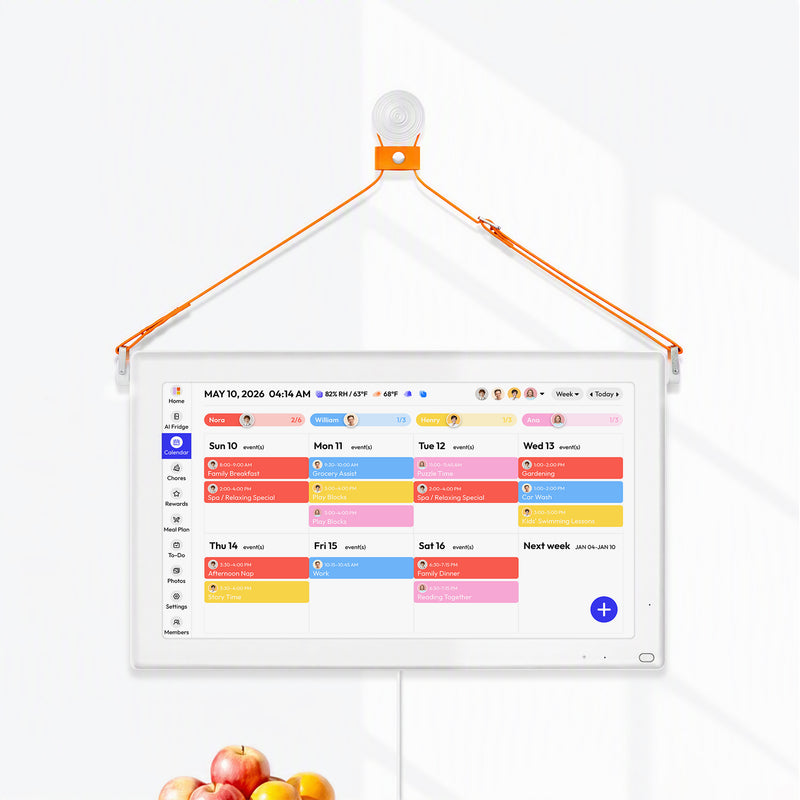
Moving our meal plan from a jumbled list in my head to a visual hub on our Everblog display was the single best thing we did for our evenings. It wasn't just about knowing what to cook; it was about making that plan a shared family responsibility.
The benefits hit us almost immediately, and in ways I didn't even expect.
Digital vs Paper Menu Calendar Comparison
Deciding between a digital calendar and a simple paper one is a common first step. While paper feels familiar, a digital system offers dynamic features that a static piece of paper just can't match. Here’s a quick breakdown of how they stack up for meal planning.
| Feature | Digital Calendar (e.g., Everblog) | Paper Calendar |
|---|---|---|
| Grocery List Integration | Automatically generates a shopping list from your meal plan. | Requires you to manually write a separate list. |
| Updates & Flexibility | Easy to drag-and-drop meals if plans change. | Changes require erasing, crossing out, and rewriting. |
| Recipe Access | Can link directly to online recipes for easy access. | You have to find the recipe separately in a book or online. |
| Shared Visibility | Syncs across devices so everyone sees the plan anywhere. | Only visible in one physical location (e.g., the fridge). |
| Reminders | Can send notifications to thaw meat or start prep. | Relies entirely on your memory. |
While a paper chart is a good starting point, a digital hub like Everblog truly automates the process, saving you time and mental energy every single week.
Save Money and Stop Wasting Food
What really surprised me was the impact on our budget. Once we knew exactly what we were eating each night, our grocery trips became incredibly efficient. No more aimless wandering down aisles or buying random ingredients "just in case."
We bought only what our meal plan called for. This simple change drastically cut down on impulse buys and, more importantly, stopped us from finding sad, wilted vegetables in the back of the fridge.
Our food spending dropped by nearly 20% in the first month alone. This wasn't from clipping coupons; it was purely from eliminating waste and buying with a purpose.
Build Healthier Habits Without Trying
Planning ahead is the secret to making healthier choices stick. When you’re exhausted and hungry, it's easy to give in and order a pizza. But when the calendar clearly says "Turkey Burgers & Sweet Potato Fries," you're already halfway there.
Having a plan removes the decision fatigue. It has helped us consistently work more balanced, home-cooked meals into our routine without feeling like a chore.
Cut Down on Dinnertime Drama
A visible menu calendar is also a powerful tool for peace. My kids can see at a glance that their favorite pasta night is coming up on Wednesday, which means fewer complaints about what we’re having on Monday.
It even gets them involved. My teenager might see "Taco Night" on the schedule and offer to help grate cheese or mash avocados. It’s a small thing, but it fosters a sense of teamwork and gives them ownership. This shift is happening everywhere; with over 72% of people now using digital scheduling tools, integrating family life into a shared platform is becoming the new normal.
Building Your First Weekly Menu Calendar
Diving into meal planning feels daunting, I get it. But your first menu calendar isn't about perfection. It’s about creating a simple, functional plan that gives you back your evenings. The first step is to work with what you already know.
Open up a note in your Everblog app or just grab a piece of paper and list out 10-15 of your family's no-fail dinners. These are the guaranteed wins you know everyone will eat without a fight—think spaghetti and meatballs, chicken stir-fry, or taco night.
This list is your starting lineup. It’s what you’ll pull from when you’re tired and uninspired. If you're drawing a blank, plenty of general meal plan resources can help spark some ideas for building out your core menu.
Create Your Weekly Themes
Now for the real game-changer: theme nights. This isn't about being rigid; it's about creating shortcuts for your brain. Assigning a theme to each day eliminates that dreaded "What's for dinner?" paralysis because you already have a starting point.
A simple theme week might look something like this:
- Meatless Monday: A perfect opportunity to work in more veggies.
- Taco Tuesday: Always a crowd-pleaser and so easy to customize.
- Pasta Wednesday: Fast, comforting, and incredibly budget-friendly.
- "Try It" Thursday: Set aside one night to experiment with a new recipe.
- Pizza Friday: Kick off the weekend with a fun, low-effort meal.
- Leftover Remix Saturday: A great way to clear out the fridge before you shop again.
- Soup & Sandwich Sunday: A simple, cozy meal to wrap up the weekend.
It's a simple flow: identify the chaos, create a schedule, and finally get some peace at the dinner table.

By just identifying the problem and setting a schedule, you’re already most of the way to a more harmonious family dinner.
Map Out Your Real-Life Week
With your themes and favorite meals ready, it’s time to get real. Look at your actual schedule for the coming week. Don't plan a three-course meal for a night when you've got soccer practice and a late work meeting.
The biggest mistake people make is planning for an imaginary, perfect week. Instead, match your easiest meals—like pasta or breakfast-for-dinner—to your busiest nights. Save the new or more involved recipes for evenings when you actually have the time and energy.
Here’s how a busy family with two kids could plug their meals into an Everblog calendar:
- Monday (Piano Lessons): Quick Pasta & Salad. (Prep: 20 mins)
- Tuesday (Late Meeting): Leftover Remix - everyone fends for themselves!
- Wednesday: Taco Night. Assign teen to chop veggies.
- Thursday (Soccer Practice): Crockpot Pulled Pork Sandwiches. (Prep in AM)
- Friday: Homemade Pizza Night.
This approach builds flexibility right into your calendar for menu. It acknowledges the reality of your family's life. For more ideas on aligning your menu with your wallet, check out our guide on weekly meal planning on a budget. When you use your Everblog calendar this way, it stops being just a list and becomes a tool that truly works for you, making your first week a success you can actually stick with.
From Menu Plan to Dinner Plate: Groceries and Special Diets
A meal plan on a calendar is a great start, but it’s just an idea until you have the groceries in your fridge. Let's be honest, this is where the best intentions can fall apart. The real magic happens when you seamlessly connect your calendar for menu to your shopping list, turning those plans into actual, cookable meals.

The best trick I've learned is to build my grocery list right from my weekly meal selections. Every Sunday, I look at our family’s Everblog calendar. For each meal—say, "Chicken Stir-fry" on Wednesday or "Taco Tuesday"—I add the ingredients I need to our shared digital list. This one habit has saved me from more last-minute, panicked trips to the store than I can count.
It's also a fantastic way to avoid buying things you already have. Before I add an item, I'll do a quick scan of the pantry and fridge. This simple audit has seriously cut down on our food waste—and our grocery bill.
Get In and Out of the Store Faster
Once your list is made, a little organization goes a long way. A jumbled list has you zig-zagging across the store, which is a huge waste of time. I learned to group my list by store section so I can move efficiently from the entrance to the checkout.
My list usually looks something like this:
- Produce: All the fresh stuff, like onions, lettuce, and fruit.
- Meat & Deli: Chicken for the stir-fry, ground beef for tacos, etc.
- Dairy & Refrigerated: Milk, yogurt, eggs, and cheese.
- Dry Goods & Pantry: Pasta, rice, canned tomatoes, and spices.
- Frozen: Peas, corn, or maybe some emergency frozen pizzas.
This little strategy easily cuts my shopping time in half. If you want to go even deeper on this, we wrote a whole article on finding the best grocery list app for your family. It’s a small change that makes a huge difference.
Juggling Picky Eaters and Dietary Needs
This is where a truly flexible menu calendar becomes your best friend. Dealing with food allergies, a gluten-free diet, or a kid who suddenly hates everything doesn't mean you're doomed to cook three different dinners every night. The secret? "Deconstructed" or "build-your-own" meals.
On taco night, for example, I stopped making assembled tacos for everyone. Instead, I just put out bowls of everything: seasoned ground turkey, corn tortillas for my gluten-free husband, flour tortillas for the kids, and all the toppings. Everyone builds their own plate, their own way.
This approach gives everyone, especially kids, a sense of control over their food while you only have to cook one core meal. It’s a game-changer for family peace. And it's no surprise that tools to help with this are in demand; the North America calendar market is expected to be worth $13,667.6 million by 2025 as more families look for ways to manage the chaos. You can see more on these trends in this detailed calendar market report.
Ready for the Next Level? Let’s Talk Monthly Menu Planning
So, you've gotten into a good groove with weekly meal planning. The frantic "what's for dinner?" chaos is gone, and you're feeling more in control. Once that feels like second nature, you might be ready to zoom out and think bigger.
Expanding your calendar for menu to a monthly view can feel a little intimidating at first, but it unlocks a whole new world of efficiency. It helps you see the bigger picture—planning around holidays, visiting family, or that upcoming long weekend without any last-minute stress. A digital hub like Everblog makes this incredibly simple, letting you see the entire month at a glance.
The Secret Weapon: A Four-Week Rotating Menu
Here’s the trick to making monthly planning not just doable, but sustainable: a rotating four-week meal cycle. This is my absolute favorite strategy for beating planning fatigue. You just design four solid weekly menus, and then you repeat them.
Now, this doesn't mean you're stuck eating the same exact meals month after month. The beauty of this system is its flexibility. You can easily swap out a meal when you discover a new family favorite or when life throws a curveball at your schedule.
The goal isn’t rigid repetition; it's creating a reliable framework that eliminates the need to start from a blank slate every single week. It's my favorite way to automate dinner decisions.
Inside your Everblog, you can build out your templates for "Week 1," "Week 2," and so on. Then, you just copy and paste them into your calendar. Honestly, this one feature is a total game-changer for long-term planning.
Shop Smarter: Plan Around Seasonal Savings
One of the best perks of planning a month ahead is how much money you can save by aligning your meals with seasonal produce. When fruits and veggies are in season, they’re not only cheaper, but they taste so much better.
- Spring: I start penciling in meals with asparagus, fresh peas, and bright, leafy greens.
- Summer: This is prime time for fresh tomatoes, corn on the cob, zucchini, and berries.
- Fall: We lean into cozy meals with squash, sweet potatoes, apples, and pumpkins.
- Winter: It's all about hearty root vegetables like carrots, potatoes, and parsnips.
A quick look at your monthly calendar lets you place these meals strategically. Maybe you'll plan for zucchini lasagna in August when you've got them coming out of your ears, and a comforting pumpkin soup in October. This simple habit ensures you’re buying produce when it’s at its freshest and its lowest price.
Make Your Weekends Work for You: Batch Cooking and Theme Nights
A monthly calendar makes weekend prep sessions incredibly powerful. You can look ahead and see that Taco Tuesday is on the docket for the next two weeks. That means on Sunday, you can cook a double batch of seasoned ground beef—half for this week, and the other half goes straight into the freezer for the week after. It’s a gift to your future self.
To keep our rotating menu from feeling stale, I always schedule a "New Recipe Adventure" every Thursday night. This is our dedicated time to try something completely different. It satisfies that craving for variety without derailing the whole plan and keeps our calendar for menu from getting boring. It’s a simple trick that keeps dinner exciting while giving us a reliable foundation to fall back on.
Making Meal Prep a Family Team Sport

Just because you’ve created a master plan on your calendar for menu doesn't mean you have to fly solo as the family's head chef. Bringing everyone into the kitchen isn't just about lightening your load—it’s about teaching valuable life skills and making dinnertime a collaborative, more enjoyable experience for everyone.
The trick is to weave meal-related duties right into your family’s existing chore system. This is where a shared hub like Everblog shines, letting you assign specific jobs tied directly to the menu.
When dinner prep becomes a shared responsibility, it stops feeling like one person’s endless task and starts feeling like a team effort. The kitchen transforms from a parent-only zone into a space for connection, where you can work together and share ownership of the meals you enjoy as a family.
Assigning Age-Appropriate Kitchen Tasks
The secret to getting kids to actually help is giving them jobs they can handle. This builds their confidence and makes them genuinely more interested in participating. You wouldn't hand a toddler a chef's knife, but there are plenty of simple, safe tasks they can own.
Here are a few ideas for getting everyone involved, from the little ones to the teens:
- Toddlers & Preschoolers (Ages 2-5): Their main job is to learn and have fun. They can wash produce in the sink, tear lettuce for a salad, or stir ingredients in a big bowl (with help!). To truly make meal prep a family team sport, consider creating a child-friendly environment with a functional Montessori kitchen setup, where even the littlest helpers can safely participate.
- Young Kids (Ages 6-9): Now they can start using simple tools under supervision. Think measuring out flour, setting the table, or using a kid-safe knife to slice soft foods like bananas or mushrooms.
- Pre-Teens & Teenagers (Ages 10+): This is where you can really start handing off responsibility. They can handle chopping vegetables, following a simple recipe from start to finish, or even taking full ownership of one meal per week.
Assigning these jobs on the shared family calendar gives them clear expectations and a real sense of pride when they check off their part of the meal.
Gamify Participation to Make It Fun
Let's be real: sometimes you need a little extra motivation. Turning chores into a game can be a game-changer for some families. Using the Rewards Tracker on your Everblog, you can create a system where helping with dinner earns points toward a fun family goal.
It’s not about bribing them to help; it’s about acknowledging their contribution. This small shift in perspective can transform their attitude from "I have to" to "I want to."
For example, you could start a "Dinner Helper" challenge. Every time a child completes their kitchen task without a reminder, they earn a star. Once the family collectively earns 20 stars, you celebrate with a special movie night or a trip for ice cream. This simple trick turns the daily routine of meal prep into a fun, collaborative game where everyone is working toward the same reward.
Navigating the Common Hurdles of Meal Planning
Starting a meal planning system is one thing; sticking to it when life gets messy is another. It's completely normal to hit a few snags when you're getting a new family routine off the ground.
Let's walk through some of the most common issues I hear about and talk through real-world solutions that actually work.
What If My Schedule Changes Unexpectedly?
A last-minute meeting, a sick kid, an impromptu pizza night with friends—life has a way of wrecking even the best-laid plans. This is exactly why your meal plan needs to be flexible, not rigid.
The easiest way to handle this is by building one or two "flex nights" directly into your weekly schedule. These are nights with zero-prep meals ready to go, like leftovers, breakfast-for-dinner, or even just a well-stocked pantry for quick sandwiches. With a digital calendar like Everblog, you can just drag and drop meals to another day when plans change. No erasing, no scribbling, no stress.
A flex night isn't a failure—it's a safety net. It’s the buffer that keeps one chaotic evening from derailing your entire week. The goal is progress, not perfection.
This small adjustment makes your calendar for menu planning resilient enough for real family life.
How Can I Handle Picky Eaters Without Cooking Multiple Dinners?
You are not a short-order cook. The secret to pleasing everyone without doubling your workload is to serve meals "deconstructed." It’s been a game-changer in my own house.
Instead of plating a finished meal, you set everything up as a build-your-own station.
- Taco Night: Set out bowls of seasoned meat, shredded cheese, lettuce, salsa, and sour cream.
- Pasta Night: Cook one type of pasta, but offer a red sauce and a white sauce.
- Salad Bar: Start with a big bowl of greens and let everyone add their own toppings like chopped veggies, grilled chicken, croutons, and dressings.
This gives kids (and adults!) a sense of control over their food. You cook one core meal, they customize their own plate, and the dinner-table battles practically disappear.
How Do I Get My Family to Actually Use the Shared Calendar?
If the family plan only lives on your phone, it’s out of sight, out of mind. To get real buy-in from a partner or older kids, the system needs to be visible and collaborative.
A central display like Everblog in a high-traffic spot—like the kitchen—makes the calendar for menu part of the daily flow. Even better, get them involved in the planning. Ask everyone for one or two meal requests for the upcoming week.
When they see how it benefits them directly, they’re far more likely to get on board. Use the calendar to assign tasks like, “Liam—your turn to cook Wednesday” or “Chloe—add milk to the list.” They’ll quickly realize the system gets their favorite meals on the table and ensures their snack requests make it into the grocery cart.
I'm Not a Great Cook, So How Do I Find Easy Recipes?
You don't need to be a chef to have a successful meal plan. In fact, the best plans are built on simple, reliable meals you already know. There is absolutely no shame in "Grilled Cheese & Tomato Soup" or "Spaghetti with Jarred Sauce" being on your rotation.
My advice? Start there. Then, maybe pick one night a week to be your "New Recipe Night." Find something simple with 5 ingredients or less. Over time, you’ll slowly but surely build a personal library of easy wins your family loves. It's not about becoming a gourmet cook; it’s about making your life easier, one meal at a time.
Ready to turn these answers into action? Everblog brings your menu calendar, grocery lists, and family schedule into one beautiful, central hub. Stop juggling apps and notes—create a system that your whole family can see and use together. Learn more and bring calm to your kitchen at https://everblog.com.


