
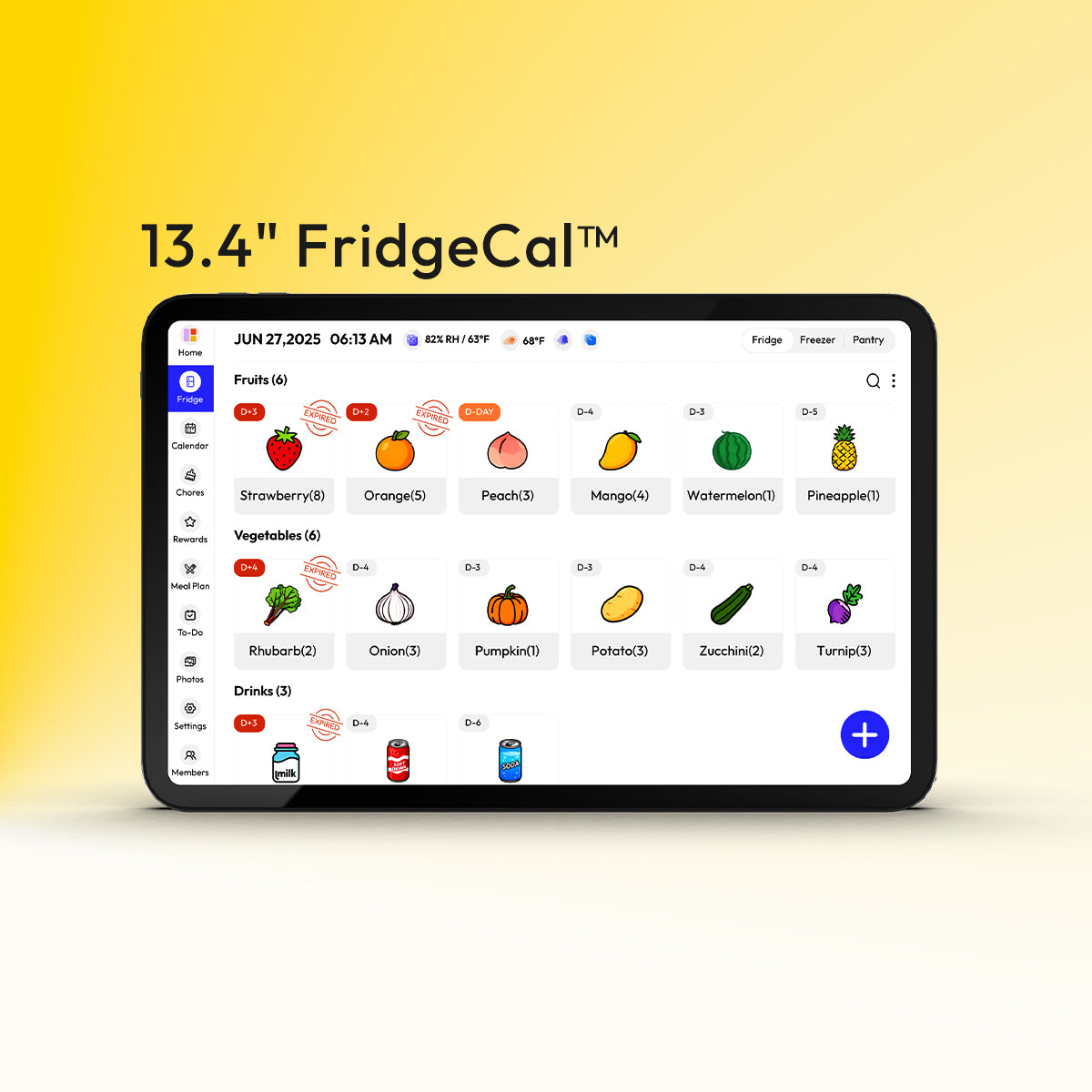
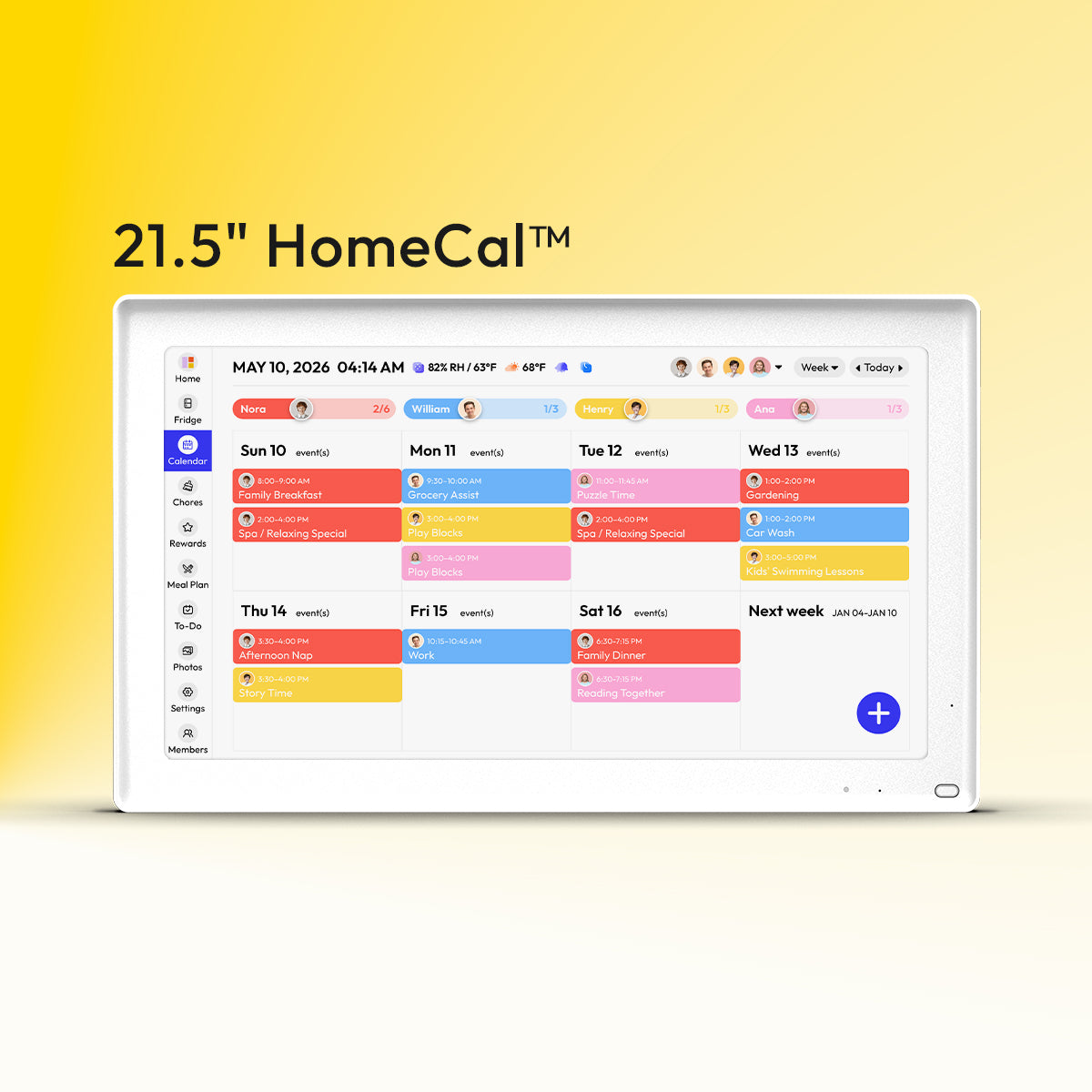

Let's be honest: running a household can feel like directing air traffic control. Everyone's flying in a different direction, and it’s a small miracle if you all end up at the right place at the right time. A big family wall calendar is your departure board in this beautiful chaos—a central, at-a-glance hub that turns scheduling madness into calm coordination.
This isn't just about jotting down appointments. It’s about creating a single source of truth for your entire family.
Why a Big Family Wall Calendar Is Your New Command Center
The idea of a central family calendar isn't new, but its role has become more critical than ever. For decades, a simple paper calendar tacked up in the kitchen was enough. But as our lives get busier, that static piece of paper—or a digital calendar hidden on one person's phone—just doesn't cut it. One missed practice or forgotten appointment can throw the whole week into disarray.
In fact, household surveys show that over 60% of parents report feeling "coordination stress." A shared, visible calendar is one of the simplest ways to relieve that pressure.

Creating a Single Source of Truth
The real magic of a shared calendar is how it tackles "mental load"—that invisible, exhausting job of remembering everything for everyone. When the schedule is out in the open for all to see, that burden no longer falls on just one person's shoulders.
This creates a ripple effect of independence and accountability.
- Kids and teens can check for their own responsibilities, from soccer practice to chores, without needing constant reminders.
- Partners can see what’s for dinner or when that dentist appointment is, eliminating that endless stream of "just checking in" texts.
- Everyone starts to see the family’s week as a whole, learning to manage their own time within the bigger picture.
For busy parents, especially those juggling careers and family life with the help of rigorously vetted childcare in New York, the calendar becomes a silent partner. It’s the background player that keeps the whole operation running smoothly.
A great family calendar doesn't just list events; it tells the story of your week. It shows where you need to be, what needs to get done, and how you're all working together as a team.
Ultimately, a shared calendar is a visual language for your family’s commitments. It stops scheduling conflicts before they happen and cuts down on the daily friction that comes from miscommunication. By setting up this central hub, you aren't just organizing dates—you’re building a more cooperative and harmonious home.
For more ideas on how to build out this space, check out our guide to creating a family command center.
The Shift to a Digital Family Operating System
The whole idea of a central family planner is changing. We’re moving way beyond just keeping track of dates and into an era where a big family wall calendar is the command center for your entire household. It’s like upgrading from an old flip phone to a smartphone.
Think about it: the flip phone did its one job well—making calls. A paper calendar is the same; it tracks dates. But a smartphone brings your camera, maps, messages, and the internet into one powerful, connected device. A modern digital calendar does the exact same thing for your family.
It pulls everything together—schedules, chore lists, meal plans, and reminders—that used to be scattered across sticky notes, whiteboards, and a half-dozen different apps on your phone. This consolidation means you no longer have to update a bunch of different systems by hand, which is where the real magic happens. It’s not just about knowing what day it is anymore; it’s about managing the flow of family life from one shared screen.
From Date Keeper to Household Hub
This shift is all thanks to a new wave of digital home-management tools. The larger touchscreen planners, especially those between 15.6 inches and 21.5 inches, are built to be your family’s headquarters. They give you enough screen real estate to see multiple schedules at once without it feeling cluttered—a huge win for big, active families. You can see this trend toward a central screen in action on YouTube.

But the real story here is how these hubs handle your family's routines. Instead of rewriting "Take out the trash" every single week, you set it once, and the calendar takes care of the rest. It becomes an active assistant that handles the reminders and manages the day-to-day, not just a static record of appointments.
A digital family operating system is designed to reduce the mental work of running a home. By automating routine tasks and centralizing information, it frees up parents' time and energy for what truly matters—connecting with their family.
Once your family gets used to using a central digital hub, it becomes easy to integrate other helpful resources. For example, right after you schedule homework time, you can find and bookmark some curiosity-sparking apps for kids to use during their screen time allowance. It's all part of building a smarter, more connected home where tech actually serves your family in a unified way.
Essential Features Your Family Calendar Needs
When you start shopping for a big family wall calendar, the sheer number of features can feel overwhelming. The secret is to ignore the noise and focus on one simple question: how does this feature solve a real problem for my family? A great calendar isn't about adding more tech to your life—it’s about making your life simpler.
Picture this: your hands are full, and you suddenly realize you’re out of milk. This is where a feature like voice entry becomes a game-changer. Instead of stopping what you're doing to find your phone and type, you just say it out loud. The item gets added to the grocery list instantly. That’s a digital hub at its best—meeting you right in the middle of your busiest moments.
Tools That Teach and Motivate
A calendar's job should go way beyond just tracking soccer practice. The best digital hubs now come with features designed to build life skills and cut down on the daily arguments.
- Chore & Reward Trackers: These tools turn the dreaded chore chart into something your kids might actually want to use. When you can assign tasks and let them check them off to earn points or rewards, you’re not just getting the house clean. You’re teaching responsibility without all the nagging.
- Collaborative Grocery Lists: This is the feature that finally ends the "I thought you were getting that" argument. Anyone in the family can add items from their phone or right on the main screen, creating one central list that’s always up to date.
- Meal Planning Modules: Say goodbye to that daily 5 PM panic. Planning meals for the week directly on the calendar—and having it automatically create a shopping list—saves a massive amount of time and mental energy.
A Hub for Connection, Not Just Coordination
Beyond all the practical stuff, the best family calendars also become a central point of connection. Features that let you share family photos or video messages from grandparents turn the calendar from a sterile screen into a warm, living part of your home. It becomes a place to share memories, not just manage schedules.
The most valuable features are the ones that anticipate a family's needs. From simplifying grocery runs with voice commands to making chores feel like a game, the goal is to find a tool that actively reduces stress and helps everyone work together.
More and more, families are looking for products that make life easier without adding another monthly subscription to the budget. That’s why many modern calendars bundle chore management, rewards, meal planning, and media sharing into a single device sold for a one-time price. This move toward long-term value is a clear trend across the digital organizer marketplace.
Understanding these core functions is the key to choosing the right tool for your household. To see how these features all fit together, you can explore The Essential Guide to a Digital Family Calendar.
Setting Up for Maximum Household Harmony
Let’s be honest: a new big family wall calendar is only as good as the habits you build around it. Just unboxing it and hanging it on the wall won't magically solve your scheduling chaos. To make it the true command center your family needs, you have to be strategic from day one.
First things first: placement. Where you put the calendar matters. A lot. It needs to live in a high-traffic spot where everyone will see it multiple times a day without even trying. For most of us, that’s the kitchen—the natural hub of family life.
Once you’ve found the perfect spot, it’s time for the initial setup. This is your chance to get everyone on board and show them how useful this thing is going to be. Start by plugging in all the non-negotiables and recurring events: weekly soccer practices, piano lessons, and even simple reminders for trash and recycling days. Loading it with the familiar rhythm of your family's life gives it immediate value.
Creating a Shared System
Next up, give each family member their own unique color or icon. This is a game-changer. It’s a simple visual trick that makes the entire schedule scannable in seconds. A quick glance is all it takes to see who needs to be where, and you can spot potential double-bookings before they become a problem.
Then, pull everyone together for a quick, low-key family meeting. Don't frame it as another chore. Instead, introduce it as an exciting new tool that helps everyone see what’s going on and gives them a little more independence.
The goal isn't just to implement a tool, but to foster a new habit. By establishing a quick, positive routine around the calendar, you ensure it becomes a living, breathing part of your home's daily operations.
This is also the perfect time to talk about how childcare fits into the new schedule. Getting everyone on the same page about responsibilities is crucial, and a helpful guide to au pair and nanny differences can clarify roles and expectations as you plan.
The infographic below shows exactly how specific calendar features are designed to solve common family organization headaches.

As you can see, modern calendars have evolved to tackle real-world problems, from motivating kids to do chores to letting you add appointments when your hands are full.
Finally, lock in a simple "calendar routine." This could be a five-minute huddle over breakfast to run through the day’s schedule or a quick check-in each evening to prepare for tomorrow. This small, consistent action is what makes the calendar the go-to source of truth for your family, ensuring it gets used every single day.
Advanced Tactics for Managing Chores and Schedules
Okay, so you've got the basics down. Appointments are on the calendar, and nobody's double-booked. Now it's time to let your big family wall calendar really start working for you. Let's move beyond just tracking the chaos and start managing it—especially when it comes to the daily grind of chores and meals.
For most of us, chores are a constant point of friction. A digital calendar completely changes that conversation. Instead of nagging, you can set up recurring, rotating tasks for things like taking out the trash or feeding the dog. The calendar sends the reminders, not you.
Suddenly, the calendar becomes the neutral third party. It’s not Mom or Dad asking; it’s just what the schedule says needs to happen.
Gamifying Responsibility with Chores and Rewards
The real secret to getting kids on board is to make it feel less like a demand and more like a game. Many digital calendars come with a built-in chore and reward tracker that does exactly this. When a child finishes a task, they get the satisfaction of checking it off and seeing their progress toward a goal, whether that’s an allowance or extra screen time.
That visual feedback is a huge motivator for kids. They learn about accountability and what it feels like to earn something. You’re not just getting a cleaner house out of the deal—you’re teaching them responsibility. If you want to dive deeper, we have a guide to help you create a family chore chart that actually works.
Solving the "What's for Dinner?" Dilemma
That daily question—"What's for dinner?"—can be exhausting. A smart family calendar can take that entire mental load off your plate with meal planning tools. You can map out a week of meals in advance, and many systems will even generate a shopping list for you.
This pays off in a few huge ways:
- Ends Decision Fatigue: The plan is already made. No more stressful, last-minute decisions.
- Streamlines Shopping: The grocery list syncs right to your phone, so anyone can pick up what you need.
- Reduces Food Waste: You only buy what you need for the meals you've actually planned.
A well-used calendar isn't just about managing time; it's about reclaiming mental energy. By automating recurring tasks like chore assignments and meal plans, you free up brain space for more important family connections.
This approach turns your calendar from a passive display into an active partner in running your household.
Managing Complex Family Situations
The shared visibility of a large calendar is also a massive help for families in more complex situations, like co-parenting. When both households share one central schedule—tracking custody days, doctor’s visits, and school events—it cuts down on miscommunication and conflict. Everyone is working from the same playbook.
Simple features like event tags or categories also make a packed schedule much easier to digest at a glance. With a quick look, you can see all the "Medical" appointments or every "Sports" practice in one view. It’s a small trick that makes your big family wall calendar an incredibly powerful tool for getting a handle on every moving part of your busy life.
Of course. Here is the rewritten section, crafted to sound like it was written by an experienced human expert, following all the specified requirements and style guides.
Keeping the Momentum: How to Make Your Calendar Stick
Let’s be honest. The real test of any new family system isn’t the first week—it’s the third month. The initial excitement for a big family wall calendar is great, but once that novelty wears off, it can easily become just another piece of expensive wall decor that no one looks at.
So, how do you make sure your calendar becomes a lasting habit? The key is to head off the common problems before they start. The biggest one is when the calendar becomes a list of chores and obligations. To keep it from feeling like a drag, you have to make it a source of fun, too. Intentionally schedule a countdown to a family movie night, a weekend trip, or even just "Pizza Friday." When the calendar is where good news lives, everyone—especially the kids—will actually want to check it.
Another trap is when one person becomes the sole “calendar keeper.” If you’re the only one updating it, you’ve just traded one kind of mental load for another, defeating the entire purpose of a shared family hub.
Don't Be the Only Calendar Keeper
The goal is to make adding something to the calendar so ridiculously easy that everyone can—and will—do it. This is where a feature like voice entry is a game-changer. Anyone in the family can add a doctor’s appointment or a reminder to buy milk just by saying it out loud. It completely removes the friction, making it effortless for even the least tech-savvy person to contribute.
A truly successful system is one that eventually runs itself. When updating the calendar is easy and the information on it is genuinely useful, it becomes a self-sustaining tool the whole family relies on—not just a chore for one person.
To keep a digital calendar working seamlessly, make sure it stays connected to your home Wi-Fi. This is how it gets automatic over-the-air software updates. These are a pretty big deal—they often include new features, security fixes, and performance tweaks that keep your investment working well, all at no extra cost.
Finally, know where to go if you get stuck. Most quality digital calendars come with solid support, from online help guides to real people you can talk to during the week. Don't be a hero—use them! With these habits in place, your calendar will go from a short-term fix to a long-term tool that genuinely brings more order and connection to your home.
Answering Your Top Questions About Family Wall Calendars
If you're thinking about adding a big family wall calendar to your home, a few questions probably come to mind. Here are the answers to the ones we hear most often.
Is a Digital Calendar Really Better Than Just Using Our Phones?
Don't get me wrong, phone calendar apps are great—for your schedule. But when everyone in the house is running on their own separate app, you’re left with a mess of disconnected plans. A large, central wall calendar solves that by creating shared visibility.
It’s the “at-a-glance” difference. Having a single hub in a high-traffic spot like the kitchen means the whole family sees the same plan without having to ask. It cuts down on the constant “Are we free on Saturday?” texts and becomes the command center for everything from appointments to meal plans. Phone apps just can't bring it all together for a whole family in the same way.
The real value is in creating a single source of truth that the entire family sees and uses, reducing the mental load on parents and fostering independence in kids.
How Can I Get My Kids to Actually Use It?
You have to make it theirs. The key is getting them involved from day one. Let them pick their own color or icon so they feel a sense of ownership over their part of the schedule.
Focus on what’s in it for them. Show them how the chore tracker lets them earn rewards, or get them excited by adding a countdown to a vacation or birthday. For teenagers, it’s all about independence—they can add their social events and practices themselves, giving them control over their own time. When it becomes the place for fun stuff, like family photos, it stops feeling like a chore chart and starts feeling like the heart of the home.
Will a Digital Calendar Be Too Complicated to Set Up and Use?
Not at all. Modern digital calendars are built for busy parents, not tech wizards. The setup is usually as simple as plugging it in, connecting to your Wi-Fi, and following a few prompts on the screen.
Features like voice entry are designed to make your life easier—you can add an appointment just by saying it out loud. The whole point of these devices is to simplify family chaos, so the menus are clear, the navigation is straightforward, and the entire experience is designed to be intuitive right out of the box.


