





That frantic "what's for dinner?" scramble? We've all been there. But what if you could trade that weeknight chaos for calm, all while saving a serious chunk of change on your grocery bill?
It's not about extreme couponing or spending your entire Sunday cooking. It’s about building a simple, repeatable system.
Your Guide to Stress-Free Family Meal Planning
Let’s be honest, the daily dinner dilemma is a huge source of stress, especially when you’re watching every dollar. Too often, it leads to last-minute trips to the store, pricey takeout, and that sad, wilted lettuce you bought with good intentions.
This is where a real meal plan changes everything. It’s more than just a list of recipes; it's a financial tool that puts money back in your pocket and a strategy that gives you back your evenings. Forget generic advice—this guide is about creating a practical system that actually works for busy families.
The Four Pillars of Budget Meal Planning
Getting a handle on meal planning really comes down to mastering four key steps. Think of them as building blocks. Each one supports the next, creating a workflow that’s surprisingly simple but incredibly effective at putting you in control.
It’s a straightforward loop: you set a budget, see what you already have, plan your meals, and then shop for only what you need.

This isn’t just a nice idea; it’s how savvy families are adapting to rising food costs. Recent studies show a major shift in how people shop, with more and more families planning meals ahead to slash food waste and cut down on their spending. The trend is clear: people are "shopping their pantry" first, proving this strategic approach is catching on. You can read more about these evolving consumer habits and what they mean for the modern kitchen.
The real magic of meal planning isn't finding the perfect recipe; it's in creating a system that frees up your mental energy, time, and money for what truly matters—your family.
When you nail this process, the benefits go way beyond the kitchen:
- Financial Control: You’ll know exactly where your food money is going and can make intentional choices that support your budget.
- Reduced Stress: Say goodbye to that 5 p.m. panic. Knowing what's for dinner makes the whole evening run smoother.
- Healthier Eating: Planning ahead means you can build a menu around balanced, home-cooked meals instead of falling back on takeout.
- Less Food Waste: By using what you have, food actually gets eaten instead of expiring in the back of the fridge. This alone is a huge money-saver.
This framework is all about taking charge, turning what was once a source of chaos into a chance to save money and connect with your family.
Set Your Budget and Audit Your Pantry
Before you even touch a recipe book, a great meal plan starts with two things: knowing your numbers and knowing what you've got. This isn't about being restrictive; it's about putting yourself in the driver's seat. Setting a budget and taking stock of your pantry is the foundational work that will completely change your grocery habits and give you back control of your spending.
Jumping into planning without a budget is like driving without a map. Sure, you'll get somewhere, but it probably won't be where you intended to go financially. The first step is to nail down a realistic weekly food budget, not just pull a number out of thin air.
How to Calculate a Realistic Food Budget
First, do a little detective work. Dig up your grocery receipts or pull your bank statements from the last four to six weeks. Add up every single dollar you spent on food—groceries, takeout, coffee runs, all of it. Divide that total by the number of weeks you looked at to get your average weekly spend.
Don't be shocked if that number is higher than you thought! That’s totally normal, and now you have a real-world baseline to work from.
From there, you can set a goal that feels doable. If your average is $225 a week, maybe you aim for $200 to start. It’s a manageable change that helps build momentum. Trying to slash your budget in half overnight is a recipe for failure; small, consistent wins are what make a new habit stick.
A food budget isn't a financial punishment. It's a strategic tool that gives every dollar a job, ensuring your money goes toward meals that nourish your family and meet your financial goals.
Breaking that big number down into categories makes it feel less intimidating and way more actionable.
Sample Weekly Food Budget Breakdown for a Family of Four
To give you an idea of how this looks in the real world, here’s an example of how a family of four could break down a $150 weekly grocery budget. This isn't a rigid rule, just a blueprint to get you started.
| Food Category | Budget Allocation | Example Items | Cost-Saving Tip |
|---|---|---|---|
| Proteins | $45 (30%) | Ground turkey, eggs, canned tuna, beans, lentils | Prioritize plant-based proteins two or three nights a week to significantly lower costs. |
| Produce | $40 (27%) | Seasonal fruits (apples, bananas), root vegetables (carrots, potatoes), frozen vegetables | Shop for seasonal produce and rely on frozen fruits and vegetables, which are just as nutritious. |
| Pantry Staples | $30 (20%) | Oats, rice, pasta, bread, flour, cooking oil | Buy store brands and consider purchasing items like rice and oats in larger quantities if storage allows. |
| Dairy & Alternatives | $25 (17%) | Milk, block cheese, yogurt, plant-based milk | Grate your own cheese from a block; it's much cheaper per ounce than pre-shredded varieties. |
| Snacks/Misc. | $10 (6%) | Popcorn kernels, pretzels, condiments on sale | Make simple snacks at home, like roasted chickpeas or homemade granola bars. |
This kind of breakdown gives you a clear plan when you walk into the store, so you're less likely to overspend on impulse buys.
Launch Your Pantry Treasure Hunt
Okay, budget set? Now it’s time for a "pantry treasure hunt." This is where the magic really happens. A good, hard look at your fridge, freezer, and cupboards will show you all the ingredients you've already paid for, saving you from buying duplicates and sparking some meal-making creativity.
Go through each area, one by one. As you do, pull things out and group them together. I bet you’ll find three half-used jars of pasta sauce or a forgotten bag of frozen berries from last summer. Make a quick list of everything you have, and make a special note of anything that’s getting close to its expiration date. Those items get top priority in this week's meal plan.
This little audit does a few amazing things all at once:
- It immediately slashes your next grocery bill by forcing you to cook with what you own.
- It kickstarts your creativity, challenging you to build a meal around that can of beans or those frozen chicken thighs.
- It cuts down on food waste by making sure good food gets eaten instead of tossed.
A big part of this is mastering food waste reduction strategies so you get the most out of every single ingredient. Keeping your kitchen organized is also a huge help—our fridge organization chart is a game-changer for seeing what you have at a glance.
Suddenly, your kitchen goes from being a chaotic storage unit to an active resource, ready to help you nail your new meal-planning routine.
Create a Flexible Meal Rotation System
Okay, your budget is set and you know exactly what’s hiding in the back of your pantry. Now for the fun part: building the engine that will run your new meal-planning machine. This is where we say a permanent goodbye to the daily 5 PM scramble of "what's for dinner?"
The whole point is to create a simple, repeatable system. One that automates most of the decisions, frees up your brainpower, and makes sure you actually stick to that budget you just made.
Forget the pressure of inventing a brand new seven-day menu from scratch every single week. That’s exhausting. Instead, we’re going to build a one-to-four-week rotating meal plan. Think of it as your family’s greatest hits playlist—a reliable framework that gives you structure but still has plenty of room for improvisation.

Embrace Themed Nights for Simple Structure
The absolute easiest way to start filling in your meal rotation is with themed nights. It’s a genius little trick that instantly narrows down your choices, turning a chore into a simple puzzle. You aren't deciding on a specific recipe just yet—just a category.
This gives your week a predictable rhythm that everyone, even the kids, can get behind.
Here are a few classic theme ideas to get you rolling:
- Meatless Monday: Kick off the week with something plant-based, like black bean burgers or a hearty lentil soup.
- Taco Tuesday: The universal family favorite. You can use ground turkey, shredded chicken, or seasoned chickpeas.
- Pasta Wednesday: A perfect night to use whatever pasta shape and sauce you have on hand or found on sale.
- Soup & Sandwich Thursday: My go-to for using up leftover bread, deli meat, and wilting veggies.
- Pizza Friday: Make your own with pre-made dough, pitas, or even English muffins for a quick, cheap treat.
Giving each night a theme creates guardrails that make the whole process so much faster.
Build Your Master Recipe List
Next up, you’re going to create a "master list" of 15-20 family-approved, budget-friendly meals that fit into your themes. These are your tried-and-true recipes—the ones you know everyone will actually eat and that don’t cost a fortune to make. Get the family involved! Asking everyone for their favorites is a great way to get buy-in from the start.
This list becomes your core arsenal. When it's time to plan, you just pull from this list to slot into your themed nights. Easy.
Your master list is a living document. Add new recipes when you discover a hit and don't be afraid to remove ones that your family gets tired of. The goal is a reliable resource, not a rigid set of rules.
This whole idea of simplifying mealtime isn’t just a little trend; it’s a massive movement. The global meal planning app market was valued at USD 1.2 billion in 2023 and is projected to hit around USD 3.6 billion by 2032. It just goes to show how many families are looking for a better way. You can discover insights into the meal planning app market to see just how much technology is changing the modern kitchen.
The Power of Ingredient Stacking
One of the most effective strategies for weekly meal planning on a budget is something I call ingredient stacking. It’s the art of planning meals that share components, so absolutely nothing goes to waste. It's about making every single ingredient pull double or even triple duty.
For example, maybe you roast a whole chicken on Sunday. That one cooking session can fuel multiple meals throughout the week.
- Night 1: Classic roast chicken with roasted vegetables and potatoes.
- Night 2: Shred the leftover chicken for super-fast chicken tacos (hello, Taco Tuesday!).
- Night 3: Use the last bits of chicken and the carcass to make a simple, comforting chicken noodle soup.
You just created three totally different dinners from one main protein, saving a ton of time and money. Think about how you can do this with other things. A big batch of seasoned ground beef can become spaghetti sauce one night and sloppy joes the next. A pot of chili can be served over rice, then used to top baked potatoes later in the week.
Plan for Leftovers to Conquer Lunch
And please, don't forget about lunches! The easiest and cheapest way to handle midday meals is to intentionally plan for leftovers. When you’re making dinner, just cook a little extra.
This approach solves the lunch problem with zero extra effort. Pack the leftovers into single-serving containers right after dinner. In the morning, you’ve got a grab-and-go meal that’s way cheaper and healthier than takeout.
By combining themed nights, a master recipe list, ingredient stacking, and planned leftovers, you create a powerful system that’s also incredibly flexible. It’s a framework that adapts to grocery sales, uses what you have, and finally puts an end to the daily dinner scramble for good.
Mastering the Art of the Smart Grocery List
Your meal plan is the brilliant strategy; your grocery list is where the execution happens. A well-crafted list is your best defense against the impulse buys and budget-breaking temptations that lurk in every aisle. It transforms your weekly shopping trip from a chaotic dash into a focused, money-saving mission.
The first rule? Never walk into the store without one. Seriously. Going in blind is an open invitation to overspend and buy things you don't need. Your list, based directly on your meal plan, is your roadmap to sticking to your budget and actually using up everything you buy.

Organize Your List by Store Layout
Have you ever found yourself backtracking from the dairy aisle to produce for a forgotten lemon? That frustration is more than just annoying—every extra step increases your exposure to tempting displays designed to make you spend more.
Here's a simple trick that changed the game for me: organize your grocery list by the store's layout. Just group items into categories that match the aisles you’ll walk through.
- Produce: All your fresh fruits and veggies.
- Pantry/Dry Goods: Canned stuff, pasta, rice, bread, and snacks.
- Meat & Deli: Any fresh meat, poultry, or deli items on the plan.
- Dairy & Refrigerated: Milk, eggs, cheese, yogurt, and juices.
- Frozen Foods: Frozen vegetables, fruits, and anything else from the cold aisles.
This method creates a clear, efficient path through the store. You’ll get in, get what you need, and get out with less stress and less temptation. Many families find that using a dedicated grocery list app for family makes this even easier, since you can create and reorder categories to perfectly match your go-to store.
Let Weekly Flyers Guide Your Plan
To truly master weekly meal planning on a budget, you need to flip your process just a bit. Before you lock in your meals for the week, take five minutes to scan the weekly grocery store flyers. See what’s on sale, especially when it comes to proteins and produce, as these are often your biggest expenses.
If chicken thighs are half-price, plan for that roast chicken meal. If bell peppers are on a deep discount, it's the perfect week for fajitas.
Let the sales dictate your menu, not the other way around. This flexible approach puts you in control, ensuring you’re always paying the lowest price for your key ingredients.
This strategy alone can easily shave 10-20% off your grocery bill without any extreme couponing. It’s all about making smart decisions before you even write your list.
Unlocking Value with Unit Pricing and Store Brands
Don’t just look at the price tag; look at the unit price. That small number on the shelf tag tells you the cost per ounce, per pound, or per item. It’s the secret to making true value comparisons. A larger, more expensive-looking box of cereal might actually be significantly cheaper per ounce than the smaller one.
And please, don't overlook store brands! From canned tomatoes to cheese, store brands are often identical in quality to their name-brand counterparts but cost a whole lot less. Give them a try—you might be surprised to find you can't even tell the difference.
Build on a Foundation of Pantry Staples
A well-stocked pantry is the backbone of any budget-friendly meal plan. These versatile, low-cost ingredients can be combined in countless ways to create filling and delicious meals. Having them on hand reduces the number of items you need to buy each week.
Core Budget Pantry Staples
- Grains: Rice, oats, pasta, quinoa
- Legumes: Canned or dried beans (black, pinto, chickpeas), lentils
- Canned Goods: Diced tomatoes, tomato sauce, tuna, vegetables
- Oils & Vinegars: Olive oil, vegetable oil, apple cider vinegar
- Spices & Seasonings: Salt, pepper, garlic powder, onion powder, cumin, chili powder
One last tip: consider using online grocery shopping or curbside pickup. While there can be small fees, this method forces you to stick to your list, completely eliminating the temptation of in-store impulse buys. For many families, the money saved by avoiding those unplanned purchases more than covers the service fee.
Time-Saving Prep for Busy Weeknights
For most families, time is just as precious as money. The most perfect meal plan is useless if you're too exhausted to cook by Wednesday. This is where smart preparation comes in, transforming your plan from a piece of paper into delicious, home-cooked meals—even on the most chaotic weeknights.
The goal isn't to spend all of Sunday chained to the kitchen. It's about investing a couple of focused hours to save yourself many more during the week. This small upfront investment is your best defense against the siren call of expensive takeout menus.

Go Beyond Batch Cooking with Component Prep
Full-on batch cooking—making entire meals ahead of time—is fantastic, but let's be real, it can feel overwhelming. A more approachable and incredibly effective strategy is what I call component prep. It’s the simple art of preparing individual ingredients rather than whole dishes.
It breaks down the work into small, manageable tasks that seriously speed up your cooking time later.
- Chop Your Veggies: Onions, bell peppers, carrots, and celery can all be chopped and stored in airtight containers. Having them ready means you can start sautéing in seconds.
- Marinate Proteins: Place chicken, beef, or pork in a freezer bag with your favorite marinade. It’ll tenderize and absorb flavor all on its own, ready to be thrown on a sheet pan or in a skillet.
- Cook Your Grains: Make a big batch of rice, quinoa, or pasta. Store it in the fridge to use as a quick side dish or the base for a grain bowl.
- Mix Dressings and Spices: Whisk together a vinaigrette for salads or create your own taco seasoning blend. This is almost always cheaper and healthier than store-bought versions.
This approach works so well because it tackles the most tedious, time-consuming parts of cooking in one go.
The secret to consistent home cooking is making the easiest option the one you’ve already prepared. Component prep sets your future self up for success, one chopped onion at a time.
A Sample Two-Hour Weekend Prep Schedule
So, what does this actually look like? Here’s a rundown of how you can turn two hours on a Sunday afternoon into a week of easier dinners.
- First 30 Minutes: Put a pot of rice on the stove. While it cooks, wash and chop all your veggies for the week—onions for tacos, broccoli for a stir-fry, and carrots for a soup.
- Next 45 Minutes: Brown a large batch of ground turkey. Use half for tonight's spaghetti sauce and save the other half for shepherd's pie later in the week. While that’s browning, get chicken thighs marinating for another night.
- Final 45 Minutes: Assemble a big casserole or lasagna to bake for dinner right now. While it’s in the oven, portion out the cooked rice and chopped veggies into containers, wash your dishes, and wipe down the counters.
Just like that, you’ve prepped parts of multiple meals and cooked tonight’s dinner.
This trend of preparing meals at home mirrors a larger shift. Food subscription and meal kit services have exploded, with the meal-based subscription segment leading the market. This reflects a conscious choice by families, especially younger ones, to prioritize home-cooked meals over dining out as a way to save money. You can read more about the strategic shift in home cooking trends if you're curious.
Make One Dish Work Three Ways
A core principle of time-saving and weekly meal planning on a budget is making your cooking work smarter, not harder. Think about how one big-batch dish can be repurposed into entirely different meals. This strategy saves a ton of cooking time and prevents the dreaded flavor fatigue.
For example, make a large batch of pulled pork in the slow cooker:
- Night 1: Serve it on buns for classic pulled pork sandwiches with a side of coleslaw.
- Night 2: Use the leftovers as a topping for nachos or baked potatoes.
- Lunch: Pack it into quesadillas for a quick and satisfying midday meal.
By planning for these versatile "cook once, eat thrice" meals, you maximize your effort and ingredients. For more ideas on how to scale these concepts, check out our guide on meal prep for large families. It’s all about creating a system that makes healthy, affordable meals the easy choice, every single night.
Your Top Meal Planning Questions, Answered
Even the most perfect meal plan can get thrown for a loop when real life kicks in. Unexpected hurdles pop up, and suddenly, you’re staring down the barrel of a takeout menu, ready to throw in the towel.
This section is your go-to guide for those moments. Think of it as a troubleshooting manual for the most common roadblocks families run into, packed with quick, practical fixes to keep your budget—and your sanity—on track.
How Do I Stick to My Food Budget When Prices Keep Rising?
It’s no secret—the grocery receipt can feel like a moving target these days. Rising food costs are a real challenge, but your meal plan is built to be flexible. With a few smart moves, you can absolutely stay in control.
Your most powerful tool here is the art of the swap. Get in the habit of thinking in cost-per-serving, not in rigid ingredients. If the recipe calls for ground beef but it’s outrageously priced this week, switch to ground turkey or even lentils for that chili. That simple change can make a massive difference.
Another game-changer is leaning hard into seasonal produce. That means buying berries and zucchini like crazy in the summer, then shifting to squash and root veggies in the fall. They’re always cheaper and taste a million times better when they’re in season.
One of the best ways to fight inflation is to create a 'price book' in your phone's notes. Jot down the regular and sale prices of your top 20 items. This little list is your secret weapon for spotting a true bargain versus a slick marketing gimmick.
Finally, give yourself a little breathing room. Build a small 5% flex amount into your weekly food budget. This tiny cushion means one surprisingly expensive item won't torpedo your entire plan for the week, which is key to avoiding frustration and staying consistent.
What Is the Best Way to Handle Picky Eaters?
The goal is to cook one meal for the whole family, period. The trick is to serve it in a way that gives everyone a little bit of control, so you're not stuck playing short-order cook.
"Build-your-own" nights are your new best friend. This approach is a lifesaver for meals like:
- Taco or Burrito Bowls: Set out all the components—seasoned meat or beans, rice, cheese, lettuce, salsa, and sour cream. Everyone builds their own masterpiece.
- Personal Pizzas: Use pita bread, English muffins, or pre-made dough as a base and let everyone go to town with their own toppings.
- Noodle Bowls: Offer a base of noodles or rice with a buffet of toppings like shredded chicken, edamame, grated carrots, and a choice of sauce.
This simple setup gives kids a sense of ownership, making them far more likely to try things without a fuss.
Another wildly effective strategy is to always include one "safe" food you know your picky eater will eat. It could be a side of bread, some raw cucumber slices, or a bowl of fruit. This instantly lowers the pressure at the dinner table because you know they’ll have something to eat, even if they barely touch the main dish.
Lastly, bring them into the fold. Let them pick one dinner for the week from a short, parent-approved list of budget-friendly options. Just giving them that tiny bit of say can work wonders in getting them on board.
How Can I Make Meal Planning a Sustainable Habit?
Lasting habits are built on solid systems, not just fleeting bursts of motivation. This is exactly why a rotating four-week meal plan is such a powerhouse—you do the heavy lifting once, then just follow the map.
To make it stick, you have to anchor the habit to your existing routine. Block out a non-negotiable 30-minute slot each week for planning. Maybe it’s Saturday morning with your coffee or Thursday evening after the kids are in bed. Whatever it is, treat it like an appointment you can’t miss.
And remember to start small. If planning every single meal feels like climbing a mountain, just focus on dinners for the first few weeks. Once that feels easy, you can add in lunches and breakfasts.
An imperfect plan is always, always better than no plan at all. If you only manage to map out four dinners this week, that’s still four nights you’ve rescued from last-minute stress and overspending. Don't let perfection be the enemy of progress.
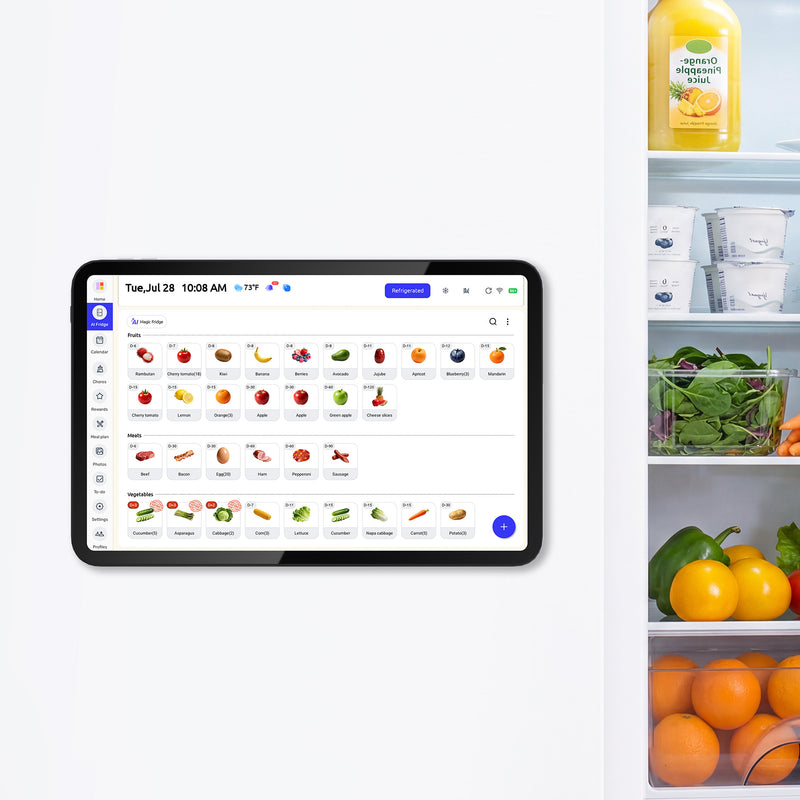
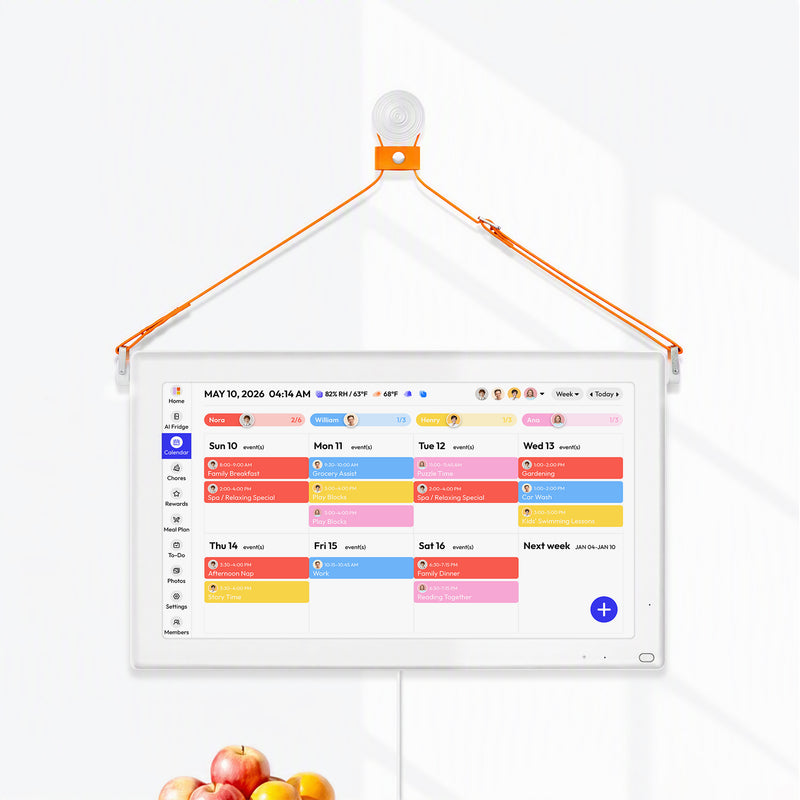
Ready to bring your family's schedule, chores, and meal plans into one organized hub? The Everblog is a 21.5-inch digital wall calendar designed to sync your entire household. With a built-in meal planner and collaborative grocery list, it’s the perfect tool to make your budget-friendly meal plan a reality.


