

Embarking on a family camping trip promises adventure, connection, and a welcome escape from daily routines. Yet, the difference between a memorable adventure and a stressful ordeal often comes down to one thing: preparation. A forgotten rain jacket, a dead headlamp, or a poorly planned meal can quickly dampen spirits and turn a fun getaway into a logistical nightmare.
This is where a detailed camping checklist for the family becomes your most valuable tool. It’s more than just a list of items to pack; it’s a strategic plan that ensures safety, comfort, and fun for everyone, from toddlers to teens. A well-organized checklist prevents overpacking non-essentials while making sure critical gear is never left behind. It acts as a shared blueprint, allowing every family member to participate in the process.
Key Insight: A great family camping trip doesn't start at the trailhead; it begins with a clear, collaborative plan that removes the guesswork from packing and preparation.
In this guide, we will break down the ten essential categories of gear and planning systems that form the backbone of any successful family camping experience. We will move beyond generic advice to provide actionable strategies, specific product examples, and expert tips to simplify your packing process. You'll learn how to organize everything from shelter and sleeping systems to cooking gear and kid-specific entertainment. We will also explore how integrating a central family organizer like Everblog can transform chaotic preparation into a collaborative, stress-free activity, ensuring your adventure begins long before you even leave the driveway. Let’s get packing.
1. Tent with Proper Ventilation and Waterproofing
Your tent is more than just shelter; it's your family's home base in the wild. A quality family tent is the cornerstone of a successful trip, providing a safe, dry, and comfortable space to rest after a day of adventure. For any camping checklist for a family, this item is non-negotiable. Look for models with a high waterproof rating (measured in millimeters, or "mm") and factory-sealed seams to stand up to unexpected rain showers. Proper ventilation, through features like mesh windows, ground vents, or a rainfly that allows for airflow, is crucial for preventing condensation buildup inside, which can make sleeping bags damp and chilly.

Key Features and Popular Choices
When selecting a tent, consider models with multiple rooms or dividers, which offer privacy for parents and a separate sleeping area for kids. Ample headroom makes changing clothes and moving around much easier.
- Coleman Elite WeatherMaster: A popular choice for its affordability and features like a screened-in porch area.
- REI Co-op Base Camp: Known for its durable construction and stable design, making it a premium option for serious family campers.
- Decathlon Arpenaz Family Tents: A European favorite offering great value, often with innovative designs like blackout bedrooms for better sleep.
Pro Tips for Tent Management
To ensure your tent serves your family well for years, follow a few simple best practices. These small steps prevent common frustrations and protect your investment.
Pre-Trip Practice Run: Always set up a new tent in your backyard before your trip. This practice session helps you learn the process, check for any missing parts, and avoid a stressful setup in the dark or rain.
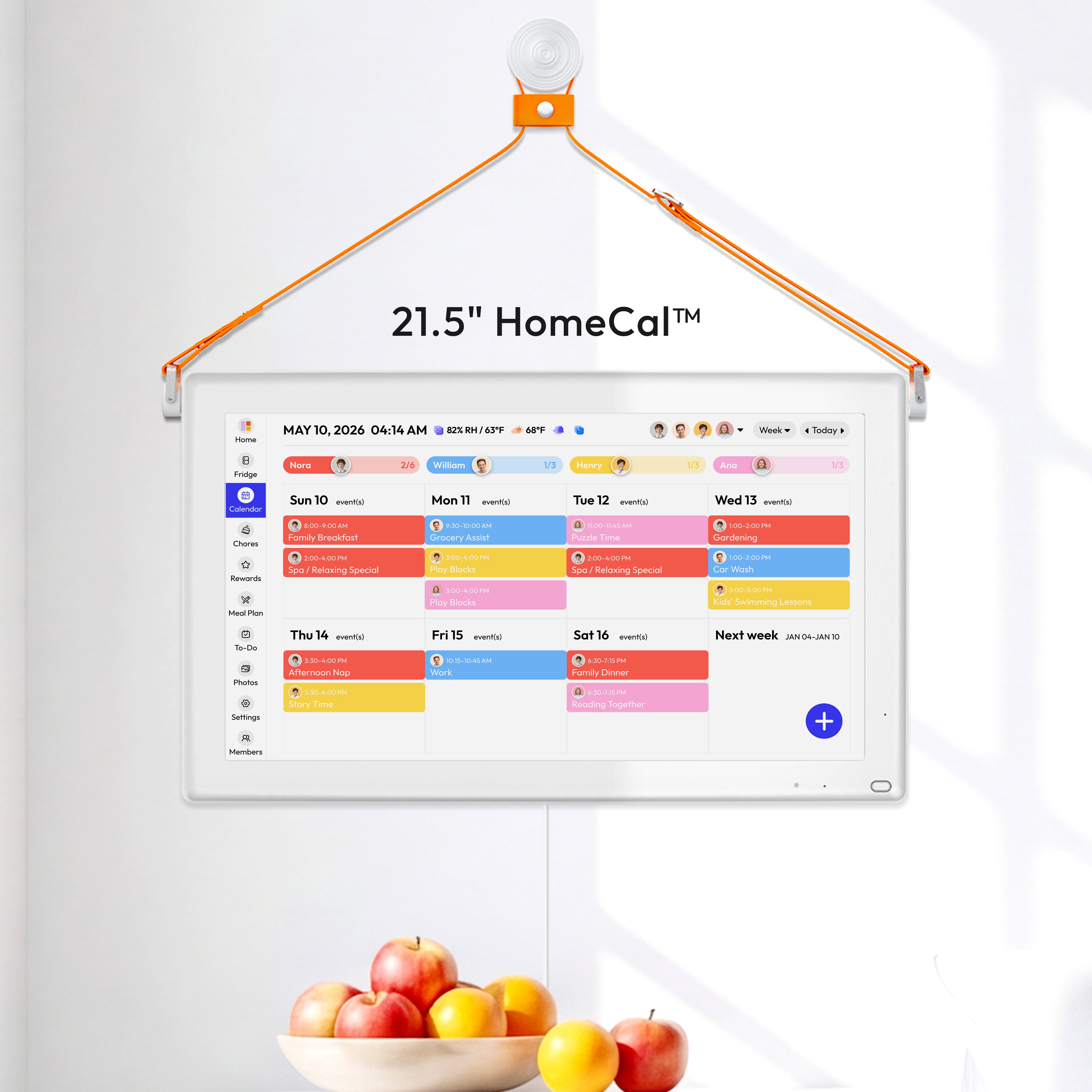
To keep everything organized, add "Tent Setup" and "Tent Breakdown" as scheduled events in your Everblog family calendar. This lets everyone know when hands-on help is needed and builds teamwork. Storing your tent completely dry is also critical; even a little moisture can lead to mold and mildew, ruining the fabric.
2. Sleeping Bags Rated for Expected Temperatures
A good night's sleep can make or break a family camping trip, and the right sleeping bag is your ticket to staying warm and comfortable. Each family member needs a bag rated for the lowest temperature you expect to encounter. These temperature ratings aren't just suggestions; they are a critical safety feature, especially for children, whose bodies can lose heat more quickly. Making sure everyone has the appropriate bag is a vital step in any family camping checklist.
Key Features and Popular Choices
When choosing sleeping bags, look at both the temperature rating and the type of insulation (down vs. synthetic). Down is lightweight and highly compressible, while synthetic insulation performs better when damp and is often more affordable. For the youngest campers, you might also consider researching portable crib options for camping that provide a familiar and secure sleep space.
- The North Face Dolomite: A versatile and popular line offering reliable warmth for three-season family camping.
- Marmot Nanowave: These synthetic bags are a great value, known for their performance even in damp conditions.
- Big Agnes System Bags: These feature an integrated sleeve on the bottom for a sleeping pad, preventing kids from rolling off their mat at night.
Pro Tips for Sleeping Bag Management
Proper care and a little preparation will keep your family warm and extend the life of your gear. A few simple habits can prevent chilly nights and post-trip cleaning headaches.
Safety First, Comfort Second: Always choose a sleeping bag rated at least 10-15°F colder than the lowest anticipated temperature. It's much easier to cool down by unzipping the bag than it is to get warm in a bag that isn't insulated enough.
Use Everblog’s Chore Manager to track sleeping bag maintenance. Create recurring tasks for "Wash Sleeping Bags" and "Air Out Gear" after each trip. This ensures your equipment is always clean, dry, and ready for your next adventure. Letting kids practice sleeping in their bags at home also helps them feel comfortable and excited for the real trip.
3. Cooking Equipment and Food Storage Systems
Happy campers are well-fed campers, and your camp kitchen is the heart of mealtime memories. A functional cooking and food storage setup is essential for preparing delicious, safe meals away from home. This part of your camping checklist for a family ensures you can move beyond simple hot dogs to satisfying breakfasts, lunches, and dinners. Proper equipment, from a reliable stove to organized coolers, prevents food spoilage, reduces waste, and makes cooking in the great outdoors a joy rather than a chore.

Key Features and Popular Choices
When building your camp kitchen, prioritize durability and ease of use. A two-burner propane stove offers versatility for cooking multiple dishes at once, while a high-performance cooler keeps perishables safely chilled for days.
- Coleman Classic Propane Stove: An iconic and dependable choice for its simple design and consistent performance.
- Yeti Tundra Coolers: Known for exceptional ice retention, making them a premium investment for longer trips or hot climates.
- GSI Outdoors Cookware: Offers lightweight, nesting pots and pans that save valuable space in your gear bin.
- Nalgene Food Storage Containers: These durable, leak-proof containers are perfect for storing pre-chopped ingredients or leftovers.
Pro Tips for Camp Kitchen Management
A little planning goes a long way in creating an efficient camp kitchen. Prepping ingredients at home and organizing your cooler strategically are game-changers.
The Cooler Zone System: Pack your cooler with intention. Keep raw meat, double-bagged and at the bottom, separate from ready-to-eat items and produce. Use block ice or frozen water bottles, as they last longer than cubed ice.
Use Everblog’s collaborative Grocery List to make sure every ingredient is accounted for before you leave. To simplify meals even further, you can get great ideas from our guide on meal prep for large families. Plan your menu in Everblog, assign cooking tasks to different family members, and enjoy a smooth, organized, and delicious camping experience.
4. Lighting Solutions (Lanterns, Flashlights, Headlamps)
When the sun sets on your campsite, reliable lighting becomes essential for safety, navigation, and comfort. A well-thought-out lighting plan is a critical part of any family camping checklist, ensuring no one is left fumbling in the dark. Different types of lights serve distinct purposes: a central lantern illuminates the main camp area for cooking or games, personal headlamps offer hands-free light for tasks and late-night bathroom trips, and sturdy flashlights provide a powerful, focused beam when needed. Modern LED technology makes these tools more durable, energy-efficient, and longer-lasting than ever.
Key Features and Popular Choices
When choosing your lighting arsenal, prioritize a mix of area lighting and personal lights. Look for features like rechargeable batteries, multiple brightness settings, and a red-light mode on headlamps to preserve night vision.
- Goal Zero Lighthouse Lanterns: These are excellent rechargeable options, many of which can also charge your other devices via USB.
- Black Diamond Headlamps: A top-tier choice known for their comfort, durability, and powerful performance, perfect for active family members.
- Coleman Battery Lanterns: The classic, affordable choice for dependable area lighting that can brighten up an entire picnic table.
Pro Tips for Lighting Management
A little preparation ensures your lights work when you need them most and helps prevent common issues like dead batteries or misplaced gear. These practices promote safety and independence, especially for kids.
The "One Per Person, Plus One" Rule: A great guideline is to pack at least one personal light (headlamp or small flashlight) for every family member, plus an extra one. This accounts for a lost or broken light and prevents arguments over who gets to use one.
To keep everything in working order, create a "Pre-Trip Tech Check" task in your Everblog Chore Manager. Assign family members to test all lighting equipment, check batteries, and charge rechargeable units. Storing extra batteries in a warm place, like an inside pocket on a cold night, helps them retain their charge.
5. First Aid Kit and Medications
A comprehensive first aid kit is one of the most critical items on any camping checklist for a family. When you're miles from the nearest clinic, being prepared for minor injuries like scrapes, burns, or insect bites is not just convenient, it's a matter of safety and peace of mind. Your kit should be customized to handle common outdoor ailments and any specific health needs your family members may have, ensuring you can manage minor issues on-site and enjoy your adventure without worry.

Key Features and Popular Choices
When assembling or buying a kit, look for a well-organized, waterproof container that keeps supplies clean and dry. Many pre-made kits provide an excellent foundation that you can then supplement with personal items.
- Adventure Medical Kits: A top choice for their thoughtful organization and clear labeling, with options designed specifically for family use in the backcountry.
- REI Co-op First Aid Kits: Known for being thorough and including quality components, these kits are built with the practical needs of outdoor enthusiasts in mind.
- Lifeline First Aid Kits: Often praised for their modular design, which allows for easy access and restocking of specific supplies.
Pro Tips for First Aid Management
A first aid kit is only useful if it's current, accessible, and you know how to use it. A few proactive steps can make all the difference in an emergency.
Customize for Your Crew: Beyond standard bandages and antiseptics, add items specific to your family. This includes any prescription medications, an epinephrine auto-injector for severe allergies, extra blister care for hikers, and kid-friendly pain relievers.
Use Everblog to create a recurring task to check your first aid kit before each season. Set a quarterly calendar reminder to inspect expiration dates on medications and creams, and to restock anything used on your last trip. You can also create a shared note in Everblog with a list of all family members' allergies, medical conditions, and emergency contact information for quick reference.
6. Weather-Appropriate Clothing Layers and Rain Gear
Proper clothing is one of the most critical elements for keeping your family safe, comfortable, and happy in the outdoors. The layering system is a time-tested method for adapting to fluctuating temperatures, from cool mornings to warm afternoons and chilly evenings. This approach ensures everyone stays dry and warm, which is essential for a positive experience and a non-negotiable part of any camping checklist for a family. Rain gear and sun protection are equally important, guarding against unexpected downpours and harmful UV rays.
Key Features and Popular Choices
The layering system consists of three parts: a moisture-wicking base layer (not cotton), an insulating mid-layer (like fleece or down), and a waterproof/windproof outer shell. This lets you add or remove clothing as needed.
- Patagonia: A leader in high-quality, sustainable outdoor clothing, known for its durable base layers and technical jackets.
- Columbia Sportswear: Offers accessible and reliable gear for the whole family, from rain jackets to fleece pullovers, at a friendly price point.
- Arc'teryx: A premium brand for serious outdoor conditions, providing professional-grade waterproof shells and insulated jackets.
Pro Tips for Clothing Management
Smart packing and clothing management can prevent a lot of common camping discomforts. A little preparation ensures everyone is ready for whatever the weather brings.
The "No Cotton" Rule: Cotton absorbs moisture and takes a long time to dry, which can lead to feeling cold and clammy. Always opt for synthetic fabrics like polyester or natural fibers like merino wool, as they wick moisture away from the skin.
To keep packing organized, create a shared checklist in your Everblog Chore Manager. Assign each family member a task to pack their own layers, rain gear, and extra socks. This teaches children responsibility and ensures nothing is forgotten. Also, pack a designated waterproof bag for wet or muddy clothes to keep them separate from your clean, dry items.
7. Hydration and Water Management Systems
Proper hydration is the fuel for family fun and a critical safety component of any camping trip. Ensuring everyone has enough clean water is essential, especially with active kids or when camping in hot weather or at higher elevations. A comprehensive water management plan, a key part of any camping checklist for a family, covers personal water bottles, camp-wide water storage, and a reliable method for purification. Running out of water or dealing with a stomach bug from a contaminated source can quickly ruin a trip.
Key Features and Popular Choices
Your hydration system should include individual containers for each family member and a larger reservoir for camp use. For purification, filters or tablets are excellent for turning natural sources into safe drinking water.
- Nalgene Reusable Water Bottles: A durable and budget-friendly classic, these bottles are nearly indestructible and easy to clean.
- Hydro Flask Insulated Bottles: A premium choice that keeps water refreshingly cold for hours, encouraging kids to drink more.
- Sawyer Squeeze Water Filter: A compact and highly effective filter that screws onto standard water bottles, perfect for refilling on the trail.
- CamelBak Hydration Bladders: Ideal for hikes, these packs allow for hands-free sipping, making it easier for everyone to stay hydrated during activities.
Pro Tips for Water Management
A little planning goes a long way in keeping your family safely hydrated. Researching your campsite's water availability beforehand is the first step, but always have a backup plan.
Pre-Trip System Test: Never rely on a new water filter or purification system for the first time in the backcountry. Test it at home to ensure it works properly and you understand how to use it. A clogged or malfunctioning filter is a serious problem when you're miles from a clean source.
To keep hydration top-of-mind, use your Everblog family calendar to schedule hourly "Water Break" reminders. This is especially helpful for kids who may forget to drink when they're busy playing. For added encouragement, bring electrolyte packets to flavor the water, which also helps replenish minerals lost through sweat. Always store your main water supply in a shaded area to keep it cool and palatable.
8. Navigation Tools and Communication Devices
Knowing where you are and how to communicate is fundamental to a safe and enjoyable family camping trip. Navigation tools ensure your family can explore trails with confidence, while reliable communication devices provide a lifeline in case of separation or emergency. These items are a critical part of any camping checklist for a family, giving you peace of mind as you venture off the beaten path. Modern GPS units offer pinpoint accuracy, but the timeless skills of map and compass reading are invaluable backups that every family should practice.
Key Features and Popular Choices
When choosing your gear, consider the terrain and cell service availability at your destination. A mix of electronic and analog tools provides the most robust safety net.
- Garmin GPS Devices: These are trusted for their rugged design and reliable satellite reception in remote areas where phones fail.
- Google Maps Offline: Before you leave, you can download maps of your entire camping area. This is a free and effective option for navigation without a cell signal.
- Garmin inReach Satellite Messenger: For backcountry trips far from cell towers, these devices allow for two-way texting and SOS alerts via satellite.
- Midland Two-Way Radios: Perfect for keeping in touch around the campsite or on nearby trails, letting kids have a bit of freedom while remaining connected.
Pro Tips for Navigation and Communication
A little preparation goes a long way in making sure your devices and skills are ready when you need them. Clear communication protocols are just as important as the gear itself.
Backup for the Backup: Never rely solely on electronics. Always carry a physical, waterproof map of the area and a compass. Teach your older kids basic map-reading skills as a fun and empowering activity.
Before your trip, test all your devices and fully charge them, bringing backup power banks or extra batteries. Use your Everblog family calendar to schedule daily check-in times and to share planned hiking routes, including an established "return-by" time. This creates a clear safety plan that the whole family understands, ensuring everyone is accounted for at the end of the day.
9. Entertainment, Games, and Outdoor Recreation Gear
Camping is about disconnecting from screens and reconnecting with each other, and having the right entertainment is key to making that happen. Beyond just passing the time, games and outdoor gear are tools for bonding, learning, and creating lasting family memories. A well-stocked camping checklist for a family must include items that combat downtime boredom, encourage group interaction, and facilitate exploration of the natural world. Balancing structured activities with moments of free play ensures everyone from toddlers to teens stays engaged.
Key Features and Popular Choices
When packing for fun, think about both quiet and active options. For evening fun or rainy days, consider packing some engaging board games. Explore the best family board games that cater to all ages and interests, ensuring everyone stays entertained around the campsite. For daytime adventures, gear up for exploration.
- Compact Games: Fugitive and other small-box games are perfect for tight packing spaces. A simple deck of cards is endlessly versatile.
- Quality Outdoor Gear: Merrell hiking boots provide essential support on the trail, while Zeiss binoculars and a National Audubon Society field guide can turn a simple walk into a wildlife-spotting adventure.
- Books and Reading: Don't forget to pack books or an e-reader for quiet moments of personal downtime.
Pro Tips for Recreation Management
A little planning goes a long way in making recreation time smooth and enjoyable for everyone. Involving kids in the selection process gives them ownership and builds excitement for the trip.
Create Nature Scavenger Hunts: Before you leave, create a list of things for your kids to find, like a specific type of leaf, a smooth stone, or a feather. This encourages observation and keeps them happily occupied on hikes.
Use your Everblog family calendar to schedule an "Afternoon Adventure" or "Evening Game Time" to give the day some structure. You can also assign roles for activity setup and cleanup, just as you would with a family chore chart, to teach responsibility. Afterward, use Everblog’s Media Hub to upload and share photos from your family's adventures, creating a digital scrapbook of your trip.
10. Planning, Organization, and Documentation Systems
A successful family camping trip hinges on more than just the gear you pack; it relies on solid planning and coordination. A dedicated system for tracking supplies, schedules, and responsibilities transforms a potentially chaotic outing into a smooth, enjoyable adventure. Moving beyond a simple paper list, modern planning tools ensure everyone in the family is on the same page, making this a crucial part of any comprehensive camping checklist for a family. This approach turns pre-trip prep and on-site management into a collaborative and stress-free process.
Key Features and Popular Choices
Effective planning systems centralize information, making it accessible to everyone. From assigning pre-trip chores to scheduling daily activities, these tools provide structure and clarity. They help manage everything from the master packing list to post-trip memory keeping.
- Everblog Family Calendar: Acts as an integrated hub where you can assign packing duties, schedule departure times, plan daily meals, and even organize photos and notes after the trip.
- Google Sheets: A great tool for creating collaborative packing lists and meal plans that multiple family members can edit in real-time.
- Trello Boards: Offers a visual way to manage tasks. You can create cards for "To Pack," "To Buy," and "To Do," and move them across columns as they are completed.
Pro Tips for System Management
To get the most out of your organizational system, integrate it into your family's routine well before the trip. This builds accountability and excitement, turning planning into a shared family project.
Centralize Your Command Center: Create a single source of truth for all trip-related information. Whether it's a digital platform or a physical binder, having one spot for lists, schedules, and reservations prevents confusion and last-minute scrambles.
Use Everblog’s Chore Manager to assign tasks like "Pack Sleeping Bags" or "Charge Lanterns" to different family members, complete with deadlines. For even better coordination, you can turn your planning system into a family command center for all household activities. After the trip, schedule a "debrief" session to discuss what worked and what could be improved for next time, storing these notes in your system for future adventures.
Family Camping Checklist – 10-Item Comparison
| Item | 🔄 Implementation Complexity | ⚡ Resource Requirements | ⭐ Key Advantages | 📊 Expected Outcomes | 💡 Ideal Use Cases |
|---|---|---|---|---|---|
| Tent with Proper Ventilation and Waterproofing | Moderate — requires practice to pitch and maintain (stakes, rainfly) | High — upfront cost, storage space, poles/repair kit | ⭐ Reliable weather protection and privacy; durable for seasons | 📊 Secure dry shelter, improved sleep quality, lower exposure risk | 💡 Family car camping or multi-night trips in variable weather |
| Sleeping Bags Rated for Expected Temperatures | Low — select correct temperature rating; minimal setup | Medium — per-person cost and storage; care (cleaning) | ⭐ Consistent thermal comfort; compact and packable | 📊 Better sleep, reduced hypothermia risk, tailored warmth for individuals | 💡 Overnight trips, cold nights, mixed-age family members |
| Cooking Equipment and Food Storage Systems | Moderate — meal planning and safe setup required | High — stoves, coolers, cookware, fuel and space | ⭐ Enables nutritious meals, accommodates dietary needs | 📊 Efficient meal prep, reduced food spoilage and costs | 💡 Family meals at camp, dietary-restricted groups, extended stays |
| Lighting Solutions (Lanterns, Flashlights, Headlamps) | Low — choose types and test batteries/charging | Low–Medium — multiple lights, batteries or chargers | ⭐ Essential nighttime safety and hands-free use (headlamps) | 📊 Safer navigation, extended usable camp hours, ambiance | 💡 Evening activities, night navigation, group campsites |
| First Aid Kit and Medications | Low — assemble and customize; requires basic knowledge | Low — modest cost; periodic replacement of meds/supplies | ⭐ Immediate treatment for common injuries; peace of mind | 📊 Fewer complications from minor injuries; quicker response | 💡 Remote camps, families with children or specific health needs |
| Weather-Appropriate Clothing Layers and Rain Gear | Moderate — understanding layering & packing correctly | High — quality garments can be expensive and space-consuming | ⭐ Versatile temperature control; protection from rain/wind | 📊 Improved comfort, reduced exposure-related illness | 💡 Variable climates, hiking trips, multi-day family outings |
| Hydration and Water Management Systems | Low–Moderate — plan capacity and filtration use | Medium — bottles, filters, purification costs; water weight | ⭐ Reliable access to safe water; reduces single-use waste | 📊 Prevents dehydration and waterborne illness; sustained energy | 💡 Hot weather, long hikes, remote camps without potable water |
| Navigation Tools and Communication Devices | Moderate — device setup, downloads, and basic navigation skills | Medium–High — GPS/satellite devices, chargers, possible subscriptions | ⭐ Enhances safety and route confidence; emergency contact ability | 📊 Lower risk of getting lost; faster emergency response when needed | 💡 Backcountry exploration, remote camping, larger areas to explore |
| Entertainment, Games, and Outdoor Recreation Gear | Low — select compact, age-appropriate items | Low–Medium — varied cost depending on gear quality | ⭐ Promotes family bonding and outdoor engagement | 📊 Increased enjoyment, reduced boredom, skill development | 💡 Downtime at camp, mixed-age families, educational outings |
| Planning, Organization, and Documentation Systems | Moderate — initial setup and habit-building for family use | Low — mostly digital tools or paper; time investment upfront | ⭐ Centralized coordination, clearer responsibilities, memory preservation | 📊 Fewer forgotten items, smoother logistics, improved trip reviews | 💡 Large families, multi-trip planning, those who want coordinated routines |
Bringing It All Together: Your Next Adventure Awaits
A well-executed family camping trip is more than just a collection of gear packed into a car; it is a symphony of preparation, collaboration, and shared anticipation. The difference between a stressful scramble and a smooth, memory-making adventure often lies in the details covered within your camping checklist family guide. By moving beyond a simple list of items and adopting a strategic approach to planning, you actively design an experience where your family can connect with nature and each other, free from the chaos of disorganization.
This guide has walked you through the core pillars of successful outdoor preparation. We've covered the foundational elements like shelter and sleeping systems that guarantee comfort and safety, and the critical cooking and food storage setups that turn a simple meal into a cherished fireside ritual. We also explored the importance of safety and first aid, ensuring you're ready for the minor bumps and scrapes that are a part of any true adventure. But perhaps the most impactful element is the one that ties it all together: your system for organization and planning.
From Checklist to Connection
The real power of a comprehensive camping checklist family plan is its ability to transform a monumental task into a manageable, shared family project. When the burden of planning falls on one person, it can breed resentment and burnout before you even leave the driveway. The goal is to shift from a top-down directive to a collaborative effort.
- Involve the Kids: Assigning age-appropriate tasks gives children a sense of ownership. A six-year-old can be in charge of gathering their own comfort items (like a favorite stuffed animal and book), while a teenager can take responsibility for packing the entertainment gear or managing the snack bag inventory.
- Divide and Conquer: Split the master checklist among the adults. One person can manage the gear and shelter items, while another focuses on the meal plan, shopping list, and kitchen bin. This division of labor makes the process feel less overwhelming.
- Visualize the Plan: A static checklist in a notebook is good, but a dynamic, shared plan is better. When everyone can see the moving parts, from pre-trip errands to campsite duties, it builds excitement and accountability. This is where modern tools can make a significant difference, turning abstract plans into concrete, visible actions.
Key Insight: Your checklist is not just a packing tool; it's a communication tool. It ensures everyone is on the same page, understands their role, and feels like a valued part of the adventure from the very beginning.
The Lasting Impact of Preparation
Mastering the art of family camping preparation extends far beyond a single weekend in the woods. It teaches valuable life skills. Children learn about responsibility, forward-thinking, and teamwork. You, as parents, get to model problem-solving and cooperation. Each successful trip builds a foundation of confidence, making the next one even easier and more ambitious.
You are not just packing bags; you are building a framework for connection. The time spent planning together, checking off items, and preparing your home and vehicle becomes part of the experience itself. It’s the quiet hum of activity before the trip that sets the tone for the peaceful moments you’ll share around the campfire. By using this camping checklist family guide as your blueprint, you replace pre-trip anxiety with the confident excitement of knowing you are truly ready for whatever the adventure holds. The mountains are calling, and now, your family is prepared to answer.
Ready to turn your camping checklist into a dynamic, collaborative family plan? Everblog's shared calendars, meal planners, and chore lists are perfect for coordinating every detail of your next adventure. Sign up for free at Everblog and start planning your most organized and memorable family trip yet.


