





That "what's for dinner?" question hits differently when you're staring at an empty fridge at 6 PM, right? If you're tired of being the only one who remembers meal plans while everyone else just shows up hungry, a smart calendar might be the answer you need. This digital meal planner for busy families turns dinner stress into something manageable—everyone can see the plan, add to the shared grocery list, and actually help out. Your kitchen command center starts here.
Why Meal Planning Feels Like Another Full-Time Job
Meal planning shouldn't require a degree in logistics, but somehow it does. Here's why it's so exhausting:
1. You're Tracking Everyone's Ever-Changing Food Preferences
Someone's avoiding gluten this month, another won't touch anything green, and your partner suddenly decided they're "eating clean." You're supposed to remember all of this while planning meals everyone will actually eat.
2. Your Grocery List Lives Only in Your Head
You buy duplicates because you can't remember what's in the pantry. You forget the one ingredient that would've made dinner work. Worse, you're throwing away money on groceries that expire before you remember they're there.
3. Your Family Can't Help Because They Don't Know the Plan
When the meal plan exists only in your brain, nobody else can pitch in. They can't grab milk on the way home, start prepping dinner, or thaw the chicken—because they don't know what you need.
4. One Schedule Change Ruins Everything
You planned that slow-cooker meal for Tuesday, but then there's a late soccer practice. Now you're scrambling for something faster while that chicken sits in the fridge, judging you.
5. You're Making the Same Decisions Every Single Week
Breakfast, lunch, dinner, snacks—that's at least 21 meals to think about each week. The decision fatigue is real when you're the only one doing the thinking.
6. Leftovers Turn Into Science Experiments
You cooked extra on Sunday with good intentions. By Wednesday, those containers are mysteries because nobody tracked what needed eating first. Was that chicken cooked 4 days ago or 6? That container in the back has become a science experiment you're afraid to open.
Stop Carrying the Entire Mental Load Yourself
Meal planning fills your brain with details: pack lunch by 7 AM, no sandwiches on Wednesdays, buy more olive oil, Thursday is family dinner night. The mental juggling never stops.
The Mental Load Is More Than Just Planning Meals
You're not just deciding what's for dinner. You're also:
- Tracking expiration dates in the fridge
- Monitoring what's running low in the pantry
- Remembering who has soccer practice when
- Mentally calculating whether you have time to make that recipe or need something faster
All of this happens in your head, all day long, while you're also doing everything else.
Why It Shouldn't Be Just Your Job
When you're the only one who knows the meal plan, you become the bottleneck:
- Your partner can't help with grocery shopping because they don't know what you need
- Your kids can't start dinner prep because they don't know what's being made
- You can't take a break without everything falling apart—if you're sick or working late, dinner becomes expensive takeout because nobody else knows what was planned
The solution? A shared system where meal plans are visible to everyone, not just stored in your head. This is where a smart calendar transforms your kitchen workflow.
Stop Buying Duplicates, Shop Smarter Together
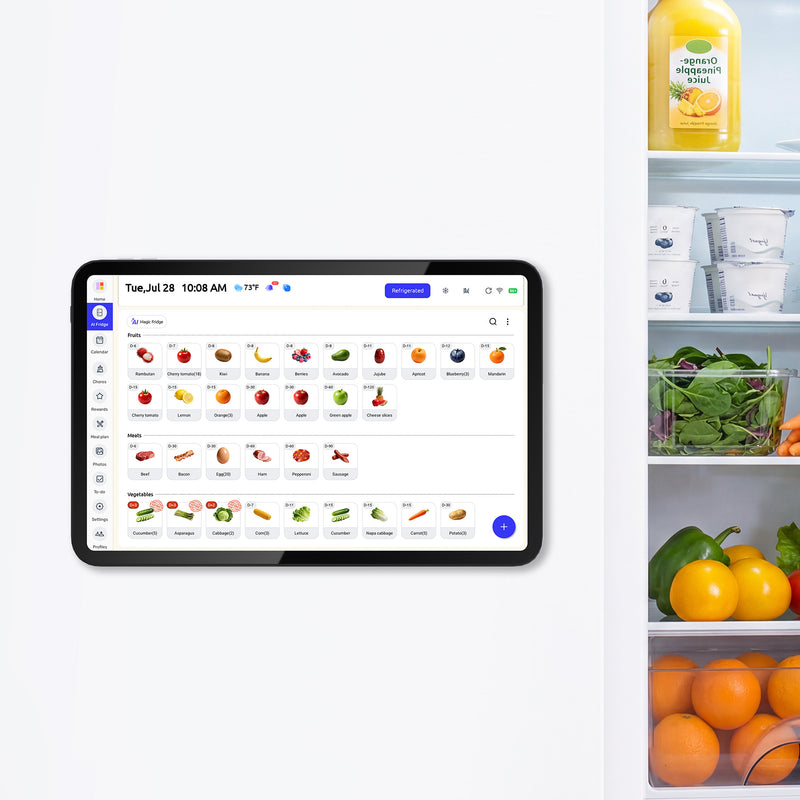
How much money have you wasted buying a second jar of mayo because you weren't sure if you had one at home? Or forgotten you had chicken in the freezer and bought more? Before you add anything to your grocery list, check what's already in your fridge using the Everblog FridgeCal Calendar. This prevents buying items you already have and saves real money every shopping trip.

Check Your Fridge Before Shopping
Avoid duplicate purchases with these steps:
| Situation | What to Do | Result |
|---|---|---|
| At the store, unsure if you have eggs | Open the app → Tap "Dairy" → See "Eggs: 8, expires Feb 15th" | Don't buy more |
| Recipe needs soy sauce | Check "Condiments" category → See "2 bottles" listed | Use what you have |
| Making breakfast, need milk | Open "Dairy" → See "Half a gallon, expires Feb 12th" | Skip buying more |
Add Items to the List Immediately
When you use the last of something or notice you're running low, add it right away:
- Finish the olive oil while cooking → Pick up your phone → Open the Everblog app → Tap "+" → Type "olive oil" → Tap "Add"
- Last cup of coffee is poured → Open app → Tap "+" → Type "coffee" → Tap "Add"
- Last tortilla is eaten → Tap grocery list icon on the kitchen calendar → Type "tortillas" → Tap "Add"
Updates sync across all devices within seconds.
Shop Using the Shared List
Open the Everblog app when you're near a store. Walk through the store with your phone. As you place each item in your cart, tap the checkbox next to it. The item moves to "completed." If someone else is shopping simultaneously, you'll see their checkmarks appear in real time—don't buy those items.
Turn What's in Your Fridge into Easy, Fun Recipes
You've stocked your fridge with fresh ingredients, but now comes the hard part: deciding what to actually cook with them. The secret to easy, fun cooking isn't fancy recipes—it's working with what you have and making it simple.
Start with What's About to Expire
The easiest meal decisions write themselves when you know what needs to be used first. When you walk into the kitchen, a quick look at your fridge calendar will show you gentle visual alerts for items expiring soon. Got chicken that expires in two days? That's tomorrow's dinner sorted. Vegetables sitting in the crisper? Perfect for a sheet pan meal or quick soup.
This "use it before you lose it" approach means:
- Less food waste and guilt about throwing away groceries
- Fewer decisions because your ingredients tell you what to cook
- Money saved on groceries you actually eat instead of toss
Make Cooking Feel Less Like Work
Easy recipes share a few things in common—they're flexible, forgiving, and don't require you to be a chef:
- Sheet pan dinners: Toss whatever vegetables you have with protein, drizzle with oil, season, and roast. One pan, minimal cleanup, and it always tastes good.
- Stir-fries: Use up random vegetables with rice or noodles. The sauce does most of the work.
- Soups and stews: The ultimate "throw everything in" meal. Vegetables about to go bad? Into the soup pot they go.
- Breakfast for dinner: Eggs, toast, and whatever cheese or vegetables you have on hand. Fast, filling, and everyone likes it.
The Everblog FridgeCal Calendar displays recipes right on the kitchen screen while you cook—no smudged cookbook, no phone covered in flour, no losing your place mid-recipe. It also streams music, podcasts, or audiobooks while you cook—so the kitchen stops feeling like a chore and starts feeling like your time.
Build Your Go-To Recipe Collection
Keep track of what actually works for your family. When you discover a meal everyone ate without complaining, save it. Write down the recipe, keep the link, or just remember "chicken + broccoli + teriyaki sauce = success."
Your collection doesn't need to be fancy:
- 5–7 easy weeknight meals you can rotate
- 2–3 slow-cooker or prep-ahead options for busy days
- A couple of "use up random vegetables" recipes
- One or two meals each family member can make themselves
Keep these saved where everyone can access them. Not sure what to make with what you have? The Everblog FridgeCal Calendar suggests AI-matched recipes based on your ingredients—with calorie info and YouTube cooking videos right on the screen. It's an easy way to discover meals your family actually likes and build your rotation from there.
Get the Whole Family Involved in Weekly Meal Planning

When everyone can see the meal plan, they can actually contribute to it. This isn't about making your 8-year-old responsible for dinner—it's about letting family members add their input and help out in ways that make sense for their age and schedule.
1. Let Everyone Add Meal Ideas
A shared calendar means your teenager can simply walk past the Everblog FridgeCal Calendar while grabbing a snack and tap the screen to suggest that pasta dish they loved last month. Your partner can add a recipe they saw online. When people have input on what's being made, they're more likely to eat it without complaining.
2. Assign Tasks Based on Who's Available
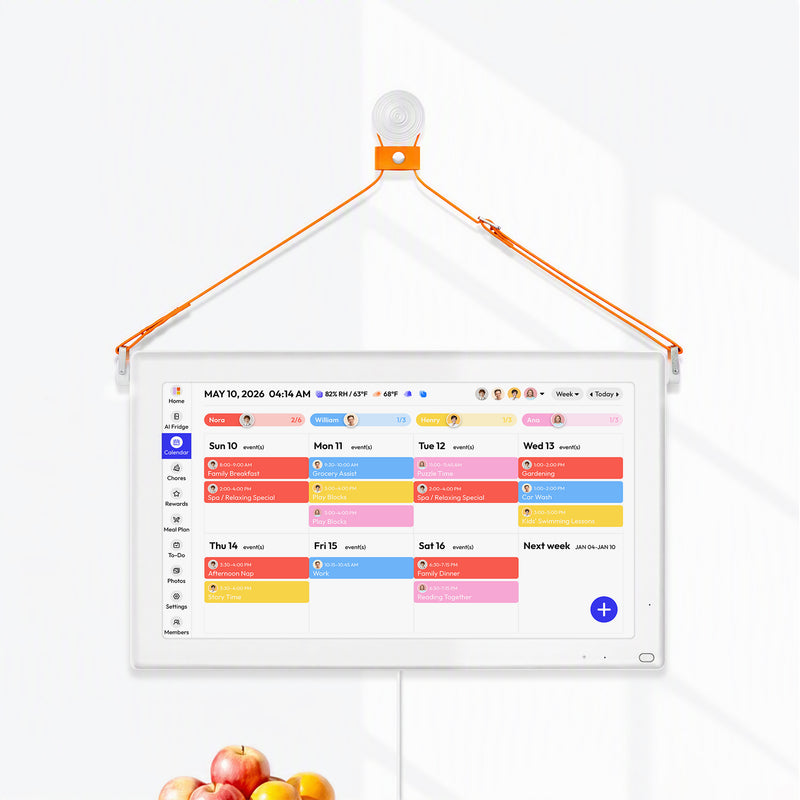
You can see everyone's schedule right there on the same calendar as your meal plan. If your partner gets home earlier on Tuesdays, they can handle that night's dinner. If your high schooler has a light homework day Wednesday, they can chop vegetables or start the rice cooker. The calendar shows who's around when, so you can plan accordingly.
3. Kids Can Check Off Their Tasks
The Everblog FridgeCal Calendar has a built-in Chore Chart where kids check off tasks and earn rewards—animated emojis and goals you set yourself. "Set the table" gets checked off. "Put away leftovers" gets checked off. They stay motivated without you reminding them, and you can see what's done without asking.
4. Make It a Weekly Routine
Set aside 15 minutes each week to plan together—many families do this on Sunday evenings. Everyone looks at their schedule, suggests meals, and agrees on who's helping when. The calendar gets updated once, and then everyone knows the plan. This short planning session saves hours of daily questions and last-minute scrambling.
5. Even Simple Participation Helps
Your family doesn't need to become expert meal planners overnight. Even small things help—your partner checks the grocery list and grabs items on their way home, your kid reminds you that chicken needs thawing because they saw it on tomorrow's plan, or someone volunteers to make their favorite meal this week. When the information is visible and shared, these small contributions add up to real help.
Use Color-Coding and Icons to See Your Week at a Glance
When you can see your entire week's meal plan in different colors and icons, you know immediately what's coming without reading through every detail. A quick look tells you which nights are quick meals, which need more prep time, and who's responsible for what.
Assign Each Family Member Their Own Color
Give everyone in your household a specific color so you can instantly see who's handling what. Blue on Monday means you're cooking. Green on Thursday means your partner is. No need to read through assignments—the colors tell you everything.
Use Icons for Different Meal Types
Visual icons help you identify what kind of meal is planned without reading descriptions:
- Slow-cooker icon – Start the meal in the morning
- Takeout icon – Planned ordering night
- Leftovers icon – Use up what's in the fridge
- Quick meal icon – 30-minute or less recipes
- Prep-ahead icon – Needs thawing or chopping the night before
Spot Problems Before They Happen
The visual layout makes conflicts obvious. When you see soccer practice, a work meeting, and a 90-minute lasagna recipe all on the same day, you can switch things around. Move the lasagna to a calmer day and save the quick meal for the busy one.
See Patterns and Adjust
After a few weeks, visual patterns reveal imbalances—like if you're cooking every night (all one color) or planning complicated meals on your busiest days. The patterns make these issues obvious in a way a plain text list never would, so you can rebalance before burnout hits.
On rushed mornings, a glance at your color-coded calendar tells you everything: tonight is a simple meal, your partner is handling it, and nothing needs prep. That's all you need to know, and you got the information in two seconds.
Set Up Your Kitchen Command Center in Under 30 Minutes
Getting started with a digital meal planning system is easier than you think. You don't need to spend hours setting things up or be tech-savvy to make it work. Here's how to get your kitchen command center running in under 30 minutes.
Connect It to Your Existing Calendar
Sync your family's current Google Calendar or Outlook calendar so you're not starting from scratch:
- Open the calendar settings on your device
- Select "sync calendar" and choose Google or Outlook
- Log in with your account – your existing schedule imports automatically
- Done – all your appointments, practices, and commitments are now visible
This takes about 2 minutes and means you don't lose any scheduling information you've already entered.
Download the Phone App for Everyone
Make sure each family member has the companion app on their phone:
- Download the app from the App Store or Google Play
- Log in with the family account so everyone sees the same information
- Test it – add something to the grocery list from your phone and watch it appear on the wall calendar
Now everyone can update meal plans and grocery lists whether they're at home looking at the wall calendar or out running errands with their phone.
Add This Week's Meals
Start simple with just the next few days instead of planning weeks ahead:
| Day | Meal Plan | Who's Cooking | Grocery Needs |
|---|---|---|---|
| Monday | Tacos | You | Ground beef, tortillas, cheese |
| Tuesday | Leftover tacos | N/A | Already have ingredients |
| Wednesday | Grilled chicken & rice | Partner | Chicken, rice, vegetables |
Enter these directly into your meal planner feature. Add the grocery items to your shared list at the same time. That's it—you're done planning.
Set Up One Helpful Feature
Pick just one additional feature to try first so you're not overwhelmed. The Fridge Manager is a great starting point:
- Tap the "Fridge Manager" icon on your Everblog FridgeCal Calendar
- Select a food category from 15 options (fruits, vegetables, dairy, bread, etc.)
- Tap "Add Item" and enter the item name and quantity
- Choose the location using the customizable fridge layout:
- Top shelf, middle shelf, bottom shelf
- Door shelves, drawers
- Freezer or pantry
- Set the expiration date
- Tap "Save"
Start with just the basics you have now—milk, eggs, vegetables, leftovers. Add the rest of your groceries as you unpack them (takes 2–3 minutes per shopping trip). You don't need to catalog everything on day one.
That's It—You're Set Up
Total time: About 30 minutes for the essentials. Syncing your calendar and adding a few meals takes 20–25 minutes. Setting up the Fridge Manager with your current inventory adds another 5–10 minutes, but you can do this gradually—just add items as you unpack groceries over the next few shopping trips.
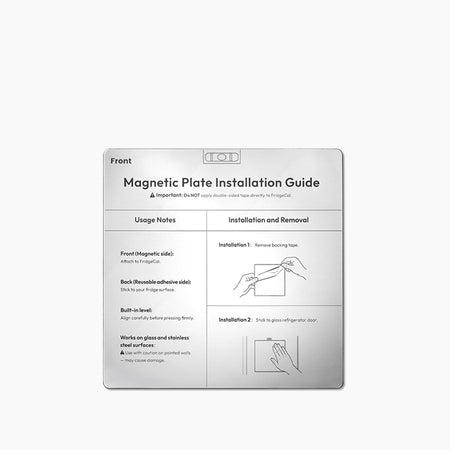
The Everblog FridgeCal Calendar is designed for exactly this kind of quick setup—no subscriptions, no complicated installation. The built-in magnetic mount attaches straight to most refrigerator doors. If yours isn't magnetic, there's a magnetic sticker included in the box that does the job just as well. Mount it, and you're ready to go.
Stop Stressing About Dinner with a Smart Calendar

The "what's for dinner" panic doesn't have to be your everyday reality. The Everblog FridgeCal Calendar puts meal planning where your whole family can see it, shows you what's in your fridge so nothing goes to waste, prevents wasteful duplicate purchases, and gets everyone actually helping out.
No monthly subscriptions. No complicated setup. No app fatigue. Getting it on your fridge takes seconds—magnetic doors snap it right on, and the box includes a sticker for everything else. Sync your existing calendar and start planning. Your kitchen command center is ready—set it up this weekend and feel the difference by Monday dinner.
FAQs
Q1: How do you take the stress out of meal planning?
Decide once instead of daily. Set aside 15 minutes on Sunday to map out the week's dinners against your schedule and build your grocery list at the same time. Then make the plan visible to everyone—not buried in your phone. The Everblog FridgeCal Calendar keeps your weekly meal plan on the kitchen screen so your partner and kids can see what's coming, who's cooking, and what's needed. When everyone has access to the plan, you stop being the only one holding it together.
Q2: What is the 5-4-3-2-1 grocery rule?
A simple framework for a balanced, waste-reducing grocery list: 5 vegetables, 4 fruits, 3 proteins, 2 grains or starches, and 1 treat. It limits overbuying in any one category without requiring a detailed meal plan. Before you head to the store, do a quick fridge check—knowing what you already have prevents duplicates and keeps your weekly spend predictable.
Q3: How should a fridge be organized for meal prep?
Organize by how you cook. Keep prepped ingredients—washed vegetables, portioned proteins, cooked grains—at eye level so they're the first things you reach for. Raw meat goes on the bottom shelf to prevent cross-contamination. Dairy and eggs belong toward the back where temperature is most stable. Leftovers go front and center, labeled with the date. The Everblog FridgeCal Calendar's Fridge Manager lets you log what's on each shelf and track expiration dates so your inventory stays current.
Q4: What is the 2-2-2 rule for food?
A food safety guideline for leftovers: refrigerate cooked food within 2 hours, eat it within 2 days, and reheat to at least 165°F before serving. It works well for families doing bulk cooking or Sunday meal prep—but only if you actually track when food was made. Log your leftovers with a date when you put them away and the guesswork disappears.
Q5: What is the 7-day rule for food?
Most cooked foods and opened perishables should be eaten or discarded within 7 days—but in practice, 3 to 4 days is the safer target for most leftovers. The 7-day mark is an outer limit, not a goal. The rule only works if you know when things went in. Without a tracking system, that mystery container at the back of the fridge is a food safety risk.


