



Trying to juggle work deadlines, school pickups, and dentist appointments can feel like conducting an orchestra where every instrument is playing a different song. A dry erase monthly board is the conductor's baton your family needs—a single, visual hub that finally brings some order to the daily chaos.
Why Your Family Needs a Central Command Center

In a world full of digital calendars and phone notifications, a physical board might seem a little old-school. But that’s exactly where its power comes from. Its strength is in its simplicity and constant visibility. You don't have to unlock a phone or open an app to see it. It's just there, a persistent, at-a-glance reminder of the family’s game plan.
Think of it as your household's analog dashboard. It’s a tangible, shared space where every family member can see the bigger picture for the month ahead. This visibility is a game-changer for reducing mental load—that invisible, exhausting effort of trying to remember who needs to be where, and when. For new homeowners, figuring out how to get and stay organized from the start is the secret to a calmer household, and a central board is a great first step.
Fostering Shared Responsibility
Let's be honest: when the family schedule lives on one person's phone, that person becomes the default manager of everyone's time. A centrally located board completely changes that dynamic. It turns planning from a solo chore into a genuine team effort.
- Empowers Children: Kids can see their own schedules, from soccer practice to project due dates. It helps them build independence and start learning time management skills without you having to nag.
- Aligns Partners: It makes sure both parents are on the same page about appointments, social events, and who’s on pickup duty. The "I thought you were handling that" moments start to disappear.
- Creates Accountability: When chores, goals, and deadlines are posted for everyone to see, it encourages each person to take ownership of their part.
A central board is more than a calendar; it's a communication tool. It prompts conversations, prevents scheduling conflicts, and ensures nothing important falls through the cracks.
By turning daily confusion into predictable calm, a simple dry erase monthly board becomes the heart of an organized home. It’s not just about tracking dates; it's about building a solid framework for your family's rhythm. Looking for more inspiration? Check out our article on other creative family command center ideas to really customize your space.
What Exactly Is a Dry Erase Monthly Board, Anyway?
Let's get past the idea of just a whiteboard with lines. Think of a dry erase monthly board as your family's mission control—a single, shared space designed to bring order to the chaos of modern family life. It’s built on a few simple ideas that, when combined, create a surprisingly powerful tool for keeping everyone on the same page.
First up is the gridded layout. This is more than just a blank space; it’s a pre-built framework for your entire month. The grid lets you see everything at a glance—from busy weeks to free weekends—without having to swipe or scroll through a tiny phone screen. It puts the whole month into context.
The Real Magic: An Erasable Surface
The part that makes this whole system work is, of course, the erasable surface. This is where the real magic happens. Unlike a paper calendar where plans are set in stone (or ink), a dry erase board is built for change.
A cancelled doctor's appointment isn't a messy scribble; it's a clean wipe. A soccer game gets rescheduled? No problem. It's a quick fix, not a calendar crisis.
A dry erase monthly board is designed for life's unpredictability. Its core strength lies in its ability to adapt in real-time as your family's needs shift, providing a stress-free way to manage constant change.
This simple feature is what elevated the whiteboard from an office novelty to a must-have family organizer. While the first whiteboards popped up in the 1970s and 80s with materials like melamine, it was the calendar format that made them indispensable at home.
As more households became dual-income—now over 60% of U.S. families—the need for a shared, visual command center exploded. That growing demand has pushed the market to a value of USD 1.54 billion in 2024, as more families hunt for better organizational tools. You can see more on these market trends at DataIntelo.
Making Your Schedule Come to Life
Finally, you have the markers and accessories. These are what turn a static grid into a living, breathing information hub. With a few different colors, you can create a system that anyone can understand in a second.
Assign a color to each family member, or to specific types of activities—like work, school, and sports. Suddenly, you're not just reading dates; you're seeing the flow of your family's life.
It all works because it nails three things perfectly:
- Structure: The monthly grid gives you a clear, predictable canvas.
- Flexibility: The erasable surface lets you make instant, clean updates.
- Information: Colored markers and magnets allow you to layer in detail and context.
When you see how these pieces fit together, it’s clear why a dry erase monthly board is so much more than a whiteboard with lines. It’s a complete, adaptable system designed to handle the beautiful chaos of family life, from tracking meal plans to coordinating soccer practice and everything in between.
Choosing the Right Material for Your Board
When you start shopping for a dry erase monthly board, you’ll find they aren't all created equal. The surface material is the single biggest factor that dictates how long your board will last, how well it erases, and how much it costs. It’s a lot like choosing tires for a car—you can get basic ones for short trips around town or high-performance ones built for a long-haul road trip.
Let's break down the three main options to find the perfect fit for your family's needs and budget.
Melamine: The Budget-Friendly Starter
Melamine is the most common and affordable material out there. It’s basically a resin-coated paper layer on top of a hardboard base. If you’re just dipping your toes into visual planning or need a low-cost board for occasional notes, melamine is a fine place to start.
But there's a catch: melamine is porous. Over time, marker ink seeps into the surface, leaving behind faint stains of old writing known as "ghosting." While diligent cleaning helps, these boards will inevitably show their age with stains and wear, making them a better fit for short-term use rather than a busy family command center.
Porcelain: The Durable Workhorse
A big step up from melamine is porcelain, sometimes called ceramic. These boards have a tough steel core coated in a ceramic layer that’s fired at incredibly high temperatures. The result is a glass-like, non-porous surface that’s super durable and holds up against scratches, dings, and stains.
A porcelain board is a long-term investment. It's built to withstand heavy daily use without ghosting, making it ideal for a busy family command center where schedules are constantly being updated.
Because of that steel core, almost all porcelain boards are also magnetic. This adds a whole new layer of usefulness, letting you stick up invitations, ticket stubs, or school flyers with magnets. They cost more than melamine upfront, but their durability often makes them the more cost-effective choice in the long run. If you're set on a magnetic surface, our guide on choosing a magnetic whiteboard calendar for your fridge has some more great tips.
Glass: The Premium Ghost-Proof Choice
At the very top of the line, you have glass dry erase boards. Made from tempered safety glass, they offer the best performance you can get, wrapped in a sleek, modern package. The surface is completely non-porous, which means it will never stain or ghost—even if you forget to erase last month’s schedule.
Glass boards are the ultimate pick for both style and function. They often come in a frameless design that seems to float on the wall, adding an elegant touch to your home. They’re also incredibly durable and a breeze to clean. Most are magnetic, but be warned: you’ll need extra-strong rare-earth magnets to get a good stick through the thick glass. The only real downsides are their higher price and heavier weight.
Dry Erase Monthly Board Material Comparison
To make things simple, here’s a head-to-head comparison of what you can expect from each material. Think about how often you'll be using the board and how long you want it to look brand new.
| Material Type | Durability | Stain Resistance (Ghosting) | Magnetic Option | Price Point |
|---|---|---|---|---|
| Melamine | Low (Prone to scratching) | Low (Stains easily over time) | Sometimes | $ |
| Porcelain | High (Resists dents/scratches) | High (Excellent ghosting resistance) | Almost Always | $$ |
| Glass | Very High (Tough tempered glass) | Excellent (Will not ghost) | Usually (Needs strong magnets) | $$$ |
Ultimately, a cheap melamine board that ghosts in six months isn't a bargain. For most families, porcelain hits the sweet spot of durability and price.
Picking Your Perfect Board
Choosing the right dry erase board really comes down to balancing your priorities. Are you focused on flexibility, long-term planning, or making sure everyone in the family is on the same page?
This flowchart can help you decide what matters most and point you toward the best board for your family's unique rhythm.

Whether you need something simple for yourself or a robust command center for the whole crew, thinking through these options will help you land on a board that doesn't just look good, but actually makes your life easier.
Where to Hang Your Board (And How to Pick the Right Size)

You’ve picked the perfect material, but where you actually hang your new dry erase monthly board is just as important. A board hidden away in a spare room is a board that's going to collect dust, not appointments. The whole point is to make it a natural part of your family’s daily life, and that all comes down to smart placement.
Think about the "traffic flow" in your house. Where do people naturally gather or walk by a dozen times a day? Those high-traffic, high-visibility spots are prime real estate for your new command center.
Find Your Family's High-Traffic Zones
The kitchen is a classic spot for a reason. It’s where the day starts, where after-school chaos unfolds, and where everyone eventually ends up. Putting a board here means everyone sees the plan for the day without even trying.
A few other great locations include:
- The mudroom or main entryway: It's the first thing you see coming home and the last thing you see before you leave. Perfect for those "don't forget your gym bag!" reminders.
- A central hallway: If your family is constantly moving through a main corridor, that wall can become a surprisingly effective hub.
- The main family room: This works well if it’s also the spot for homework, screen time, and catching up at the end of the day.
The best location is one that requires zero extra effort to look at. When the board is just part of the scenery, checking it becomes an automatic habit for everyone.
Sizing Up the Wall and the Board
Once you've found a good spot, grab some painter's tape. Mark out the potential board size directly on the wall. This simple trick lets you see exactly how it will fit—and helps you avoid picking a size that’s either way too big or comically small for the space.
Most boards fall into a few common size ranges:
- Small (17" x 23"): Perfect for a personal calendar or a tight spot on a small wall.
- Medium (24" x 36"): This is the sweet spot for most family command centers. It offers plenty of room for schedules and notes without totally taking over the wall.
- Large (36" x 48" or bigger): If you have a big family, are homeschooling, or just want separate zones for meals, chores, and schedules, go big.
Getting It on the Wall Safely
The final step is mounting. The right method really depends on your board's material and weight. Lightweight melamine or acrylic boards are often a breeze—many can be hung with strong adhesive strips, so you don't even have to break out a drill.
Heavier porcelain and glass boards are a different story. They need more serious hardware and usually come with the screws and wall anchors you'll need. Whenever you can, try to screw directly into a wall stud. It gives you the most secure hold.
And don't forget about height, especially if you have little kids. You want the board low enough for them to see and maybe even write on, but high enough that it's out of a toddler's reach. Eye level for the shortest adult in the house is a good place to start, then adjust from there. The goal is a dry erase monthly board that everyone can actually use.
How to Turn Your Board into a Family Power Tool

A blank dry erase board is full of potential, but it doesn't do much just sitting there. Now comes the fun part: turning that empty grid into a true command center that organizes the beautiful chaos of family life.
The simplest, most effective first step is color-coding. This one small change makes the whole schedule readable from across the kitchen. No more squinting at tiny handwriting—the colors tell the story at a glance.
A Simple Color-Coding System
There's no single right way to do this, but here’s a common framework to get you started. The real trick is just to pick a system and stick to it so everyone knows what the colors mean.
- Blue for Appointments: All doctor's visits, parent-teacher conferences, and vet appointments go in blue.
- Red for Deadlines: Mark school project due dates, bill payments, and registration deadlines in red so they’re impossible to ignore.
- Green for Family Fun: Movie nights, trips to the park, and birthdays get written in green, giving everyone something to look forward to.
- Black for General Info: Use a standard black marker for everyday notes, reminders, and anything else that doesn't fit a category.
You could also assign a specific color to each person in the family. That way, everyone can quickly scan the board and see exactly what their own week looks like.
Create Dedicated Zones for Clarity
Once you’ve got your color system down, think about creating dedicated "zones" on or even around your board. If your board is big enough, you can just draw lines to section it off. If it's magnetic, use clips to attach separate lists.
A zoned board is more than just a schedule. It becomes a central hub for all the moving parts of running a home—from meals to chores—giving everything a proper place.
Here are a few zones worth adding:
- Meal Plan Corner: A small section for mapping out the week’s dinners. This alone can put an end to the daily "what's for dinner?" scramble.
- Chore Chart Section: List out daily or weekly chores with a checkbox next to each one. This kind of visual accountability is a game-changer for getting kids to help out. You can learn more about how to build an effective chores dry erase board in our dedicated guide.
- Weekly Goals: A spot for the family to write down one or two shared goals, like "screen-free dinner" or "read every night."
For example, you could use a small zone to create a clear and visible medication schedule template, ensuring no one misses a dose. This kind of visual reminder system is highly effective, which helps explain why the monthly planner whiteboard market is booming—a 2026 valuation of USD 1.42 billion is projected to climb to USD 2.36 billion by 2033. In fact, data shows that in households with kids, 65% report using these boards for tracking chores and meals, which can reduce forgotten tasks by up to 35%.
The Best Accessories to Supercharge Your Board
The right accessories will take your monthly board from a simple calendar to a dynamic organization hub. These little additions bring more function to the board and honestly just make it easier to use.
- Fine-Tip Dry Erase Markers: Standard markers are fine, but fine-tip ones let you write clearly inside those small calendar boxes. A good multi-color pack is the best way to get your color-coding system off the ground.
- Magnetic Clips: If you have a magnetic board, these are a must. Use them to hold onto school permission slips, party invitations, or takeout menus right where you can see them.
- Attachable Bins or Caddies: A small magnetic cup or bin that sticks right to your board is the perfect home for your markers and eraser. It keeps everything you need in one tidy spot.
When to Consider a Digital Alternative
A physical dry erase monthly board is a fantastic tool for getting organized, but even the best ones hit a wall. The hands-on routine of writing, erasing, and rewriting has a certain charm, but it’s also the very thing that can make it feel like a chore. For many busy families, this is where the system starts to break down.
For all its visibility, a physical board is entirely passive. It can’t ping you a reminder about that 2 p.m. dentist appointment when you’re out running errands. It can't magically update when one person's plans change, and it definitely can't tell you if you’re about to run out of milk. This is where digital alternatives start to look really appealing.
The Trade-Off Between Tangible and Tech
Moving from a physical board to a digital tool isn't about throwing out what works. It’s about upgrading the entire family operating system. Think of it like swapping a paper road map for a GPS. The map is reliable and gives you the big picture, but the GPS offers real-time traffic updates, turn-by-turn directions, and automatic rerouting—things the map just can’t do.
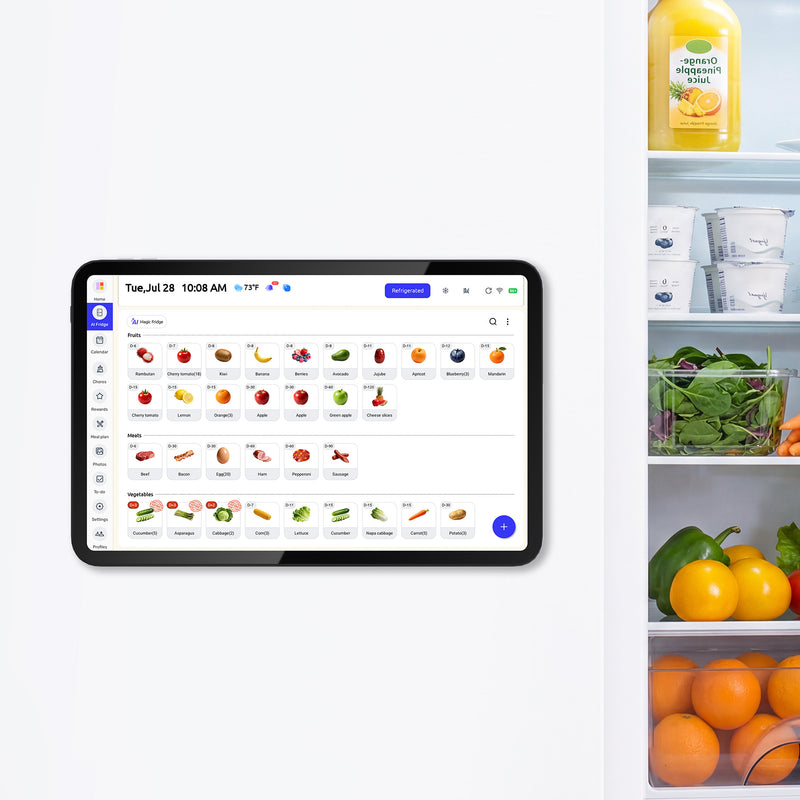
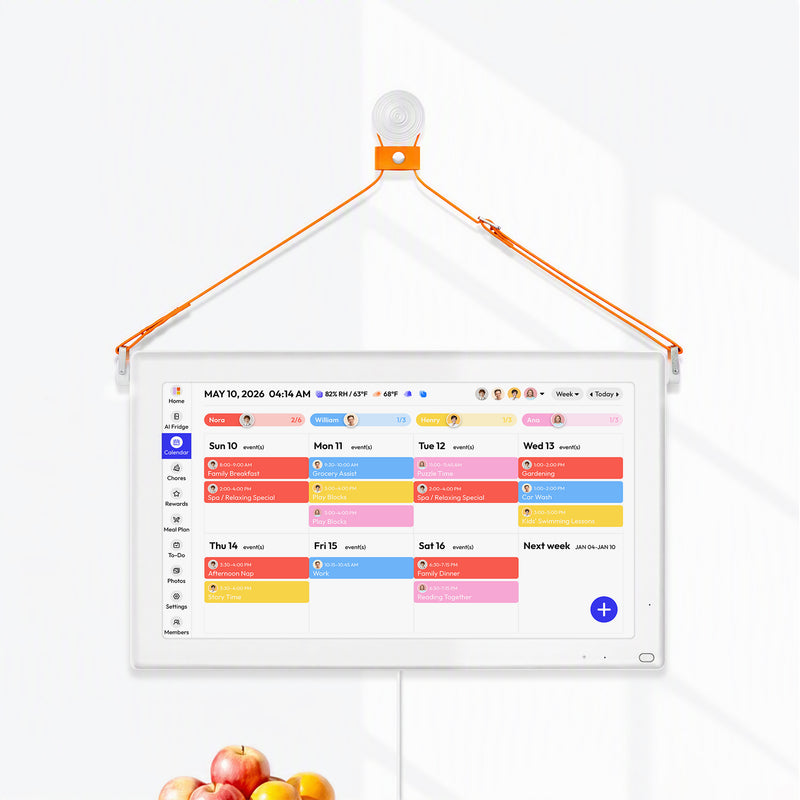
That's exactly what a digital family hub like Everblog brings to the table. It takes the core idea of a visual, at-a-glance command center and powers it up with features built for a modern, connected family.
A digital hub bridges the gap by offering:
- Automation: Add an event with your voice or a few taps on your phone, and it instantly appears for everyone. No more hunting for a dry erase marker.
- Accessibility: The family schedule is no longer just stuck to the kitchen wall. It's on your phone, your partner's phone, and accessible from anywhere.
- Real-Time Sync: When one person’s schedule changes, the update is pushed to everyone instantly. Everyone is always looking at the most current version.
When Digital Solves Real-World Problems
Think about the real-world limits of even the most organized dry erase board. It needs constant maintenance. If you forget to wipe it clean at the end of the month, you're left with a confusing mess of old and new appointments. Digital hubs solve this problem by design.
But they also go way beyond simple scheduling. A physical board might have a corner scrawled with a chore list, but a digital tool can actively help you manage it.
A digital command center turns a static display into an interactive partner. It’s not just a board on the wall; it’s an active player in running your household that handles reminders, tracks chores, and syncs information automatically.
This is a huge step up. Instead of just showing you information, digital platforms help you act on it. With Everblog, for example, the Chore Manager doesn't just list tasks; it can assign them to specific family members, track when they're done, and even tie them to a rewards system. The Meal Planner doesn't just say "Taco Tuesday"; it automatically adds the ingredients to a shared grocery list that syncs with your phone.
These features get right to the heart of what makes managing a physical dry erase monthly board so tedious. They slash the manual work of staying organized while keeping the central, visual hub that makes the whole concept so powerful in the first place. For families who love the idea of a command center but are tired of the upkeep, a digital alternative is a powerful, practical upgrade.
Frequently Asked Questions
Even the best tools come with a few questions. Getting the most out of your dry erase monthly board is less about the board itself and more about the little habits you build around it. Here are some quick answers to the most common things people ask.
How Do I Stop My Board from Staining?
That stubborn shadow of last month's schedule has a name: "ghosting." It happens when marker ink soaks into the tiny pores of a board's surface. The good news is, it's pretty easy to prevent with the right routine.
First, stick to high-quality, low-odor dry erase markers. The cheaper ones often use pigments that are notorious for staining. For everyday wiping, a simple microfiber cloth is all you need.
For a deeper clean, grab a dedicated dry erase spray or just mix some isopropyl alcohol and water. A quick spritz and wipe-down once a week (or whenever you clear the board for the new month) will keep even a basic melamine board looking fresh for a long time.
What’s the Easiest Way to Color-Code a Family Schedule?
The whole point of color-coding is to see what’s going on at a glance. The most effective method is almost always assigning one color to each person in the family. For example, Mom gets blue, Dad gets green, one kid gets red, and another gets orange.
That way, anyone can walk past the board and instantly know who has something going on that day, without even having to read the details.
Another way people do it is by coding the type of activity:
- Blue: Appointments (doctors, dentists)
- Red: Important Deadlines (bills due, school projects)
- Green: Sports and Extracurriculars
- Purple: Social Events or Family Fun
Whatever system you pick, just be consistent. It helps to draw a small color key in the corner of the board until everyone gets the hang of it.
Are Expensive Glass Boards Actually Worth It?
This really comes down to your budget and how you plan to use the board. A glass dry erase monthly board is definitely a bigger investment upfront than a melamine or porcelain one, no question.
But what you're paying for is longevity and looks. Here’s what that higher cost gets you:
- Zero Staining: Glass is completely non-porous. It will never, ever ghost or stain, no matter how long you leave the ink on.
- Superior Durability: These are made from tempered safety glass, so they resist scratches and dings much better than other materials.
- Modern Aesthetics: Let's be honest, they just look better. The sleek, often frameless design feels more like a piece of decor than an office supply.
If this board is going to be a central part of your home for years to come, a glass one is a fantastic investment that will still look brand new. If you're on a tighter budget or only use it occasionally, a porcelain board is a solid middle-ground, offering good durability for the price.
How Is a Digital Board Different from Google Calendar?
While we all use Google Calendar on our phones, a dedicated digital family hub like Everblog solves a different problem. It's not just a personal scheduler; it's a shared command center for the entire household.
The single biggest difference is its constant visibility. It lives on the wall in a central spot, just like a physical board. Everyone sees it without having to pull out a phone and open an app. Plus, it’s built for family life, with integrated chore trackers, meal planners, and shared grocery lists—things a generic calendar app just doesn't do. It makes scheduling a team effort instead of one person's job.
Ready to upgrade from writing and erasing? Everblog transforms the classic family command center into a smart, automated hub that keeps your family in sync without the manual effort. Learn more about Everblog today!


