
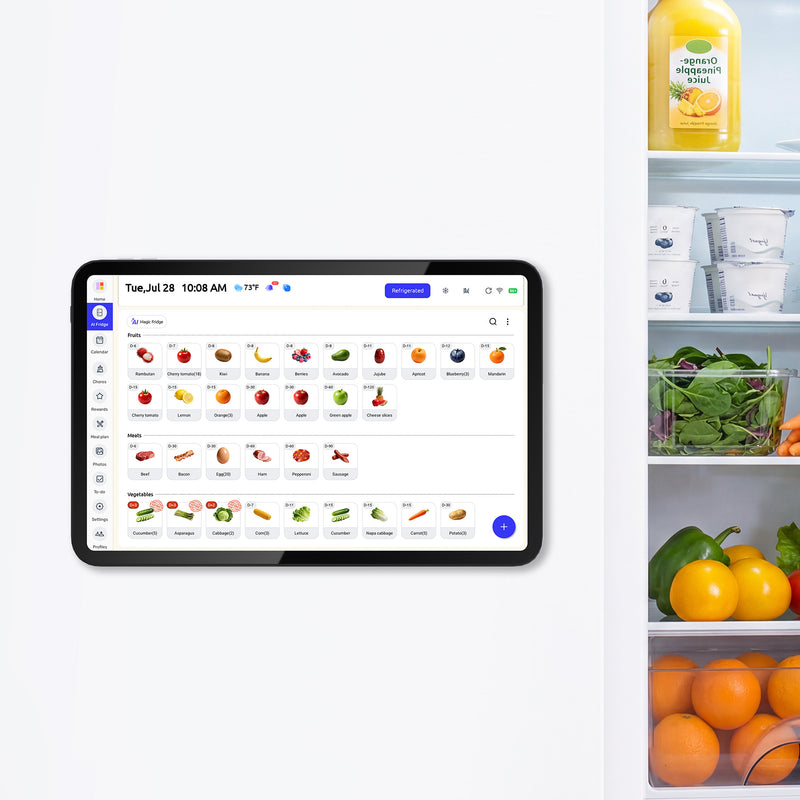


A chores dry erase board is more than just a to-do list; it’s a visual pact that gets everyone on the same page. It takes the guesswork (and the nagging) out of household tasks by putting assignments and progress out in the open for everyone to see.
Designing a Chore Board Your Family Will Actually Use
Let's be real—if the system is too complicated, nobody will use it. The first step in taming household chaos is creating a central command center that actually fits your family's rhythm. A well-designed chore board isn't a one-size-fits-all template; it's an intuitive tool that gets woven into your daily life.
The board itself is your canvas. A big magnetic chore board designs on the fridge keeps tasks front and center in a high-traffic area. For others, a sleek glass board in a home office might be a better fit. Once you’ve picked your board, the layout is everything.
Finding the Right Layout Structure
How you organize the information is just as critical as the board itself. A confusing layout gets ignored, but an intuitive one practically invites people to check things off. The goal is to create clear zones for different tasks so everyone knows their responsibilities with just a quick glance.
Most families find success with one of three classic structures:
- By Child: Give each kid their own column or section. This is fantastic for fostering individual accountability and is super easy for younger kids to follow.
- By Day: Structure the board like a weekly calendar. This layout is a lifesaver for rotating tasks or for families juggling complex, ever-changing schedules.
- By Room: Group chores by area (e.g., Kitchen, Living Room, Yard). This is the perfect approach for "zone cleaning" days where the whole family tackles one space together.
This quick summary breaks down how each layout works visually.

As you can see, the right choice really depends on your family's size, your kids' ages, and your overall organizational style.
Deciding on the perfect layout can feel overwhelming, so let's break down the pros and cons of each to help you choose the best fit for your home.
Chore Board Layout Comparison
| Layout Type | Best For | Pros | Cons |
|---|---|---|---|
| By Child | Families with 2-4 kids, teaching individual responsibility. | Simple for kids to understand. Fosters a strong sense of ownership. Easy to track individual rewards. | Can get crowded with larger families. May not work for shared, collaborative tasks. |
| By Day | Families with complex schedules or rotating chores. | Excellent for time-sensitive tasks. Helps kids learn weekly planning. Ensures an even distribution of work over the week. | Can be less intuitive for very young children. Requires more setup each week. |
| By Room | Families who prefer a "divide and conquer" or "zone cleaning" approach. | Great for deep cleaning days. Promotes teamwork and collaboration. Simple to see what areas need attention. | Doesn’t assign individual accountability. Can lead to arguments over who does what within a room. |
Ultimately, there’s no single "best" layout—only the one that reduces friction and makes sense for your family. Don’t be afraid to try one and switch if it isn't clicking.
Making Your Board Engaging
A boring board is an invisible board. Inject some personality! Use different colored markers for each person or type of chore. Let the kids use fun magnets or stickers to mark their completed tasks—that little "thwack" of a magnet is surprisingly satisfying.
The power of a chore board lies in its visibility. When tasks are out in the open, they are much harder to ignore. This simple shift from abstract verbal requests to concrete written tasks can significantly reduce household friction.
Chores are a notorious pain point for parents. Recent surveys show 82% of U.S. parents struggle to get their kids to do chores, which often leads to conflict. But the data also shows a solution: families using visual chore systems report a 55% increase in task completion. Why? Because visual cues are proven to boost memory retention in children by 65%.
Making your board part of a larger https://everblog.com/blogs/life-with-everblog/family-command-center-ideas can make it even more effective by tying chores into the family's weekly schedule and overall routine.
Assigning Age-Appropriate Chores That Build Confidence
 A beautiful chores dry erase board is useless if the tasks written on it miss the mark. If chores are too hard, kids get discouraged. If they're too easy, they get bored and check out.
The sweet spot? Assigning tasks that match your child's developmental stage. This turns a simple to-do list into a powerful tool for building real-world skills and, more importantly, confidence.
The goal isn't just a clean floor. It's to give your kids a sense of competence and contribution. When a preschooler successfully puts their toys away, they aren't just tidying up—they're learning organization and responsibility. This principle scales up as they grow, with each new chore adding another layer of capability.
Matching Chores to Developmental Stages
Understanding what kids can actually handle at different ages is the secret to preventing meltdowns (for both of you). A task that’s a breeze for a ten-year-old is an impossible mountain for a five-year-old. Breaking down responsibilities by age ensures every kid can succeed and feel genuinely proud of their work.
Here’s a quick guide to get you started:
- Ages 2-4 (The Little Helpers): Keep it simple. We're talking single-step tasks. Think "put blocks in the bin" or "place napkins on the table." Their main job is to learn how to follow a direction and feel like they're part of the action.
- Ages 5-7 (The Growing Contributors): Now they can handle a bit more. Tasks like setting the table, watering a (hard-to-kill) plant, or feeding a pet are perfect. They’re learning to manage a couple of steps in a row and care for other living things.
- Ages 8-10 (The Independent Doers): It's time to let them fly solo on bigger jobs. Unloading the dishwasher, taking out the trash, or washing vegetables for dinner are all great fits. This is where real independence starts to bloom.
- Ages 11+ (The Team Leaders): Pre-teens and teens are ready for real responsibility. Have them cook one simple meal a week, do their own laundry from start to finish, or take charge of keeping a shared family space, like the living room, tidy.
When kids master these kinds of age-appropriate tasks, it does more than just lighten your load. It teaches them their contribution matters. For more inspiration, you can find a ton of great chore chart ideas for kids that you can adapt for your own family.
Introducing the System as a Family
How you roll out the chore board sets the entire tone. Don't just slap it on the wall with a list of new demands. Frame it as a fun, new family project. A quick, upbeat family meeting to unveil the board can make all the difference.
The most successful chore systems feel like a team strategy, not a top-down mandate. Giving children a voice in the process empowers them and dramatically increases their willingness to participate.
In your meeting, give everyone a chance to weigh in. Ask your kids which chores they might want to try. This isn't about letting them opt out of helping, but giving them a choice between two or three options creates a powerful sense of ownership.
For example, try saying, "Okay, this week we need help feeding the dog and wiping the table after dinner. Which one sounds more like your job?" That simple question can transform their attitude from reluctant to engaged.
By positioning the chores dry erase board as a tool for teamwork, it stops being a list of demands and becomes a positive part of your family’s daily rhythm.
Keeping Motivation High with Rewards and Recognition

A perfectly designed chores dry erase board is a great start, but it's just a tool. The real magic happens when you figure out how to keep everyone engaged long-term. Motivation is the fuel, and a smart rewards system is the spark that gets the engine going.
This is about more than just doling out a weekly allowance. The best systems are visual, connecting a kid's effort directly to a satisfying outcome. Your dry erase board is the perfect place for this, letting you track progress toward a shared family goal and turning chores into a team sport instead of a solo grind.
Designing a Reward System That Works
The trick is to build a system that actually resonates with your kids. A points-based structure can be fantastic for older children who get a kick out of strategy, while younger kids need that immediate, tangible recognition to stay on track.
You've got a few solid options to play with:
- A Points System: This is a classic for a reason. Assign different point values to chores based on effort—maybe 5 points for making the bed but 20 for taking out the recycling. Kids can then "cash in" their points for rewards. It teaches them about saving and value.
- Sticker Power: Never underestimate the power of a sticker, especially for toddlers and preschoolers. A simple star next to their name provides that instant hit of gratification. Watching their sticker collection grow is often motivating enough on its own.
- The "Family Fun-d" Tracker: This one is my personal favorite for building teamwork. Dedicate a section of your board to a visual goal tracker—think a big thermometer or a race track. Each completed chore adds to the "fund," which pays for a big family reward like a pizza night, a trip to the zoo, or a new board game everyone can enjoy.
Beyond Monetary Rewards
While money can certainly get the job done, non-monetary rewards are where you build lasting habits and intrinsic motivation. These rewards focus on experiences and privileges, which often mean way more to a kid than a few extra dollars.
A great reward system teaches children that their hard work has value far beyond money. It builds a sense of pride, accomplishment, and connection to the family team.
To keep things from getting stale, you can sprinkle in small, unique motivational gifts to celebrate big milestones or a particularly helpful week.
Other non-cash ideas that kids love include:
- Extra Screen Time: Earning 30 minutes of bonus video game time can be a massive driver.
- Choosing the Weekend Activity: Let the "chore champion" of the week pick Friday's movie or Saturday's park outing.
- A "Get Out of a Chore" Pass: This is a coveted prize. Kids love having the power to save it and cash it in when they really need a break.
The move toward visual trackers like a chores dry erase board has genuinely changed the game for many families. Data from family productivity apps reveals that using these boards can boost household efficiency by an incredible 47% and slash parental stress by 70%. As more families juggle home and work life under one roof, these simple organizational tools are becoming indispensable. Read more about these market trends and their impact.
Making Your Chore System a Lasting Habit

Let's be honest. That first week with a new family system is great. Everyone’s excited, the board looks pristine, and things actually get done. But then, life happens. The real challenge with a chore board isn't designing it—it's making sure it doesn't become just another piece of wall art after a month.
The secret? Turn it into a habit.
The best way I’ve found to do this is with a quick, daily check-in. This isn't a formal family meeting with minutes and motions. It’s more like a quick team huddle around the board to see what got checked off, what’s up next, and to give a few high-fives. This simple ritual brings the board to life.
It transforms a static list of jobs into a dynamic hub for the family. This became especially true for dual-income households, which surged in the 1990s and made simple organizational tools a necessity. In fact, modern family management studies show that 78% of parents who use visual chore charts report fewer arguments over who does what. It makes sense—when kids can see their tasks, forgotten chores drop by as much as 62%. Accountability is right there in black and white (and red, and blue).
You can see how these boards have evolved into dynamic family tools over the years.
Keeping Chores Fresh and Fair
Nothing kills motivation faster than boredom. No one, kid or adult, wants to be stuck on toilet duty for eternity. Chore rotation is your best friend here, ensuring everyone shares the load and learns a variety of skills along the way.
Here are a few rotation systems that actually work:
- The Weekly Shuffle: This is the easiest method. During a Sunday check-in, just move everyone’s name down to the next job on the list. The person who had trash duty last week is now on dishwasher duty. Simple, fair, done.
- The "Chore of the Day" Jar: Want to make it a little more fun? Write each daily chore on a slip of paper and toss them in a jar. Each morning, a child draws their task for the day. The element of surprise can work wonders.
- Skill-Based Zones: Try grouping chores into categories like "Kitchen Crew," "Outdoor Ops," or "Pet Patrol." Rotate your kids through a different zone each month. This is fantastic for helping them build a wider range of life skills over time.
A great chore system should never feel like a punishment. By building in variety and regular check-ins, you reinforce the idea that everyone is a valuable, contributing member of the family team.
Handling Forgotten Tasks Without Nagging
Chores will be forgotten. It’s inevitable. But before you start nagging (which, let's face it, never works), lean on natural consequences.
If your son forgets to put his dirty soccer uniform in the hamper, the natural consequence is that it isn’t clean for his game. If the chore was to set the table, the family simply waits to eat until it's done.
This isn't about punishment. It's about connecting an action (or inaction) to a direct, logical outcome. These are the moments where your chore board becomes more than a to-do list—it becomes a powerful tool for teaching real-world responsibility.
Knowing When to Upgrade to a Digital Chore System
Your chores dry erase board has been a game-changer. It’s a powerhouse of organization, turning those abstract "can you please..." requests into a clear, visual game plan. For many families, it’s the perfect tool.
But as kids get older and schedules get crazier, you might feel like your trusty board just can’t keep up anymore. This isn’t about ditching a system that works; it’s about knowing when your family has simply outgrown it. The moment you find yourself managing more exceptions than rules is a pretty clear sign it might be time to look at a digital option.
Identifying the Signs of Strain
So, how do you know you've hit that tipping point? It usually shows up in a few common pain points.
A classic example is co-parenting across two households. Trying to keep a physical board in sync between two different homes is a logistical nightmare. It almost always leads to confusion, missed tasks, and a whole lot of frustration.
Another huge signal is when your teens become more independent. Their lives are a whirlwind of school, sports, part-time jobs, and social events—all managed on their phones. A physical board stuck on the fridge is completely out of sight and out of mind for them. They need reminders that actually meet them where they are: on their devices.
Here are a few scenarios that scream, "It's time for an upgrade!":
- Complex Schedules: You're juggling rotating custody schedules or sports seasons that make a single, static board impractical.
- Reminder Overload: You're sick of sending texts to your kids reminding them to do the exact chores listed on the board.
- Tangled Reward Tracking: Your awesome points and rewards system has become too complicated to track with just markers and stickers.
- Remote Contributions: One of your kids is at their grandparent's for the weekend but wants to chip in and earn points—but has no idea what needs to be done.
The whole point of a family management tool is to reduce friction, not create it. When your physical board starts demanding constant updates, manual syncing, and follow-up texts, it’s no longer simplifying your life. It’s adding to your workload.
The Benefits of a Digital Leap
This is exactly where digital chore systems shine. They bring automation and real-time connectivity into the mix, solving the logistical headaches that come with a growing, busy family. The single biggest advantage is the ability to sync tasks and progress across everyone's devices instantly.
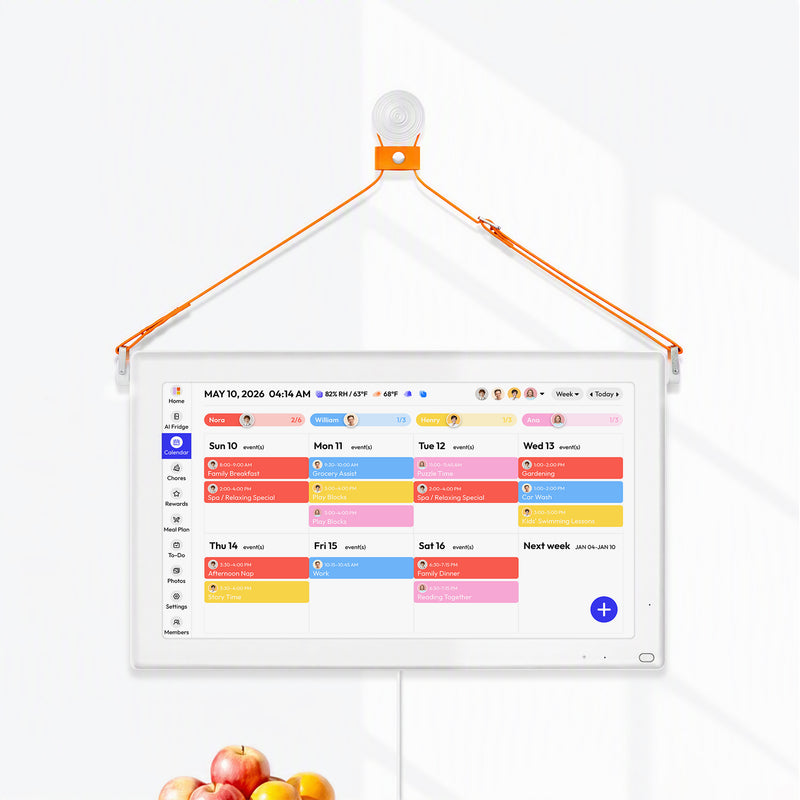
For instance, a digital tool like the Everblog Chore Manager can send automatic reminders to a teen’s phone right before a chore is due. It can also manage complicated, rotating chore assignments on its own, ensuring everything stays fair without needing a family meeting every Sunday to reshuffle the board.
Plus, a digital platform can gamify the experience in ways a dry erase board just can't. Integrated reward trackers can automatically tally points and unlock pre-set rewards, which is incredibly motivating for kids who are used to digital feedback in games and apps. This is just a glimpse of what an electronic chore chart can bring to your family's routine.
Ultimately, making the switch is about finding the right tool for your family's current season of life. If your chores dry erase board is causing more headaches than harmony, a digital system could be the upgrade you need to get things running smoothly again.
Working Out the Kinks: Your Chore Board Questions Answered
Even the most well-thought-out family system hits a few bumps in the road. As you start using your chores dry erase board, you'll probably run into some familiar challenges. Don't worry, that's completely normal.
Think of this as fine-tuning, not failing. Here are some real-world answers to the most common hurdles I see families face.
What Should I Do When My Kids Complain About Their Chores?
Ah, the classic "But I don't want to!" chorus. Every parent has heard it. The first, and most important, step is to actually listen. Is the chore genuinely too hard for them, or are they just not in the mood? The difference is everything.
If a task is too difficult, it’s a perfect teaching moment. "Unload the dishwasher" might feel huge to a six-year-old. Break it down. Start them with just the silverware for a week. Do it with them a few times until they get the hang of it.
But if it's just a case of "I don't wanna," you need to be both empathetic and firm. Acknowledge the feeling—"I get it, scrubbing the toilet is no one's favorite job"—but hold the line. Gently remind them why you have the board in the first place: "We all pitch in to make our home a nice place to be."
The secret weapon against complaining? Consistency. When kids realize the expectations are fair and aren't going away, the pushback slowly fades. The goal is to make chores as routine and non-negotiable as brushing their teeth.
How Do I Keep My Chore Board from Looking Messy?
A messy, chaotic board quickly becomes invisible. If it's hard to read, people will simply stop looking at it. The good news is that keeping it organized just takes a few simple habits.
- Appoint a "Board Manager." This is a rotating job for everyone, adults included. At the end of the week, their task is to wipe the slate clean and set it up for the next one.
- Splurge on good markers. Cheap dry-erase markers are notorious for "ghosting," leaving behind those faint, smudgy stains. A quality set of markers and a dedicated board cleaner will keep your board looking fresh and legible.
- Color-code with intention. Assigning a color to each person makes the board scannable in a split second. You could also use colors for types of tasks (green for daily, blue for weekly). It’s a simple visual trick that cuts down on everyone's mental clutter.
What If My Child Rushes Through a Chore and Does a Poor Job?
This happens all the time, especially when there's a reward on the line. The key is to treat it as a chance to teach, not to punish.
Resist the urge to just sigh and redo it yourself. Instead, use it as a coaching opportunity. Calmly go back with them and point out what they missed. If "cleaning their room" meant shoving a mountain of toys under the bed, pull a few things out and say, "Okay, let's find a real home for these together."
A "chore check-out" system can also be a game-changer. When they mark a chore as complete, they need a quick thumbs-up from you. It adds a small layer of accountability and teaches them that "done" actually means done well. It’s not about being a drill sergeant; it's about showing them that their effort matters.
A physical chore board is an amazing tool, but as your family's needs get more complex, a digital upgrade can make life even easier. Everblog brings your family's chores, schedules, and communication into one central hub. It sends automatic reminders and tracks rewards so you don't have to. See how Everblog can bring a new level of calm and clarity to your home at https://everblog.com.


