



If your kitchen counter is covered with school forms, your phone has three calendar apps open, and someone still asks, “What are we doing after dinner?”, you're not disorganized. You're managing a modern family with tools that weren't built to work together.
That's why the e ink wall calendar has become such a practical idea for parents. It gives you one calm, visible place for the week, the month, and the daily shuffle in between. No hunting through messages. No rewriting a whiteboard. No leaving a bright tablet glowing on the wall.
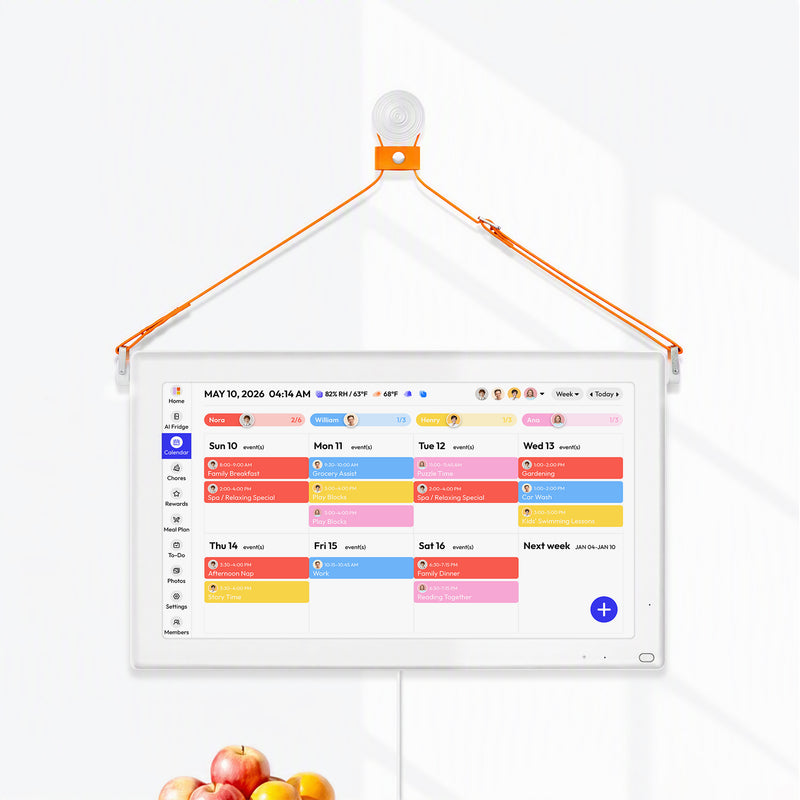
For families, its primary appeal isn't just calendar sync. It's the chance to create a household command center where schedules, chores, meal plans, and reminders live in one shared view. That kind of visibility reduces the mental load that usually lands on one parent's shoulders.
What Is an E Ink Wall Calendar
An e ink wall calendar is a dedicated household display that shows schedules, reminders, and shared plans on a screen that looks closer to paper than a tablet. In a busy home, it works like the family bulletin board you wish always stayed up to date.
The technology is simple to live with even if it sounds technical at first. An e-ink screen uses tiny particles to form text and images, then holds that image without constantly refreshing like a phone or TV. That's why the display can sit on the wall showing today's plan, tonight's dinner, or the week's pickup schedule without feeling busy or bright.

Why it fits family life so well
A regular screen is built for interaction. A family wall calendar is built for visibility. That distinction sounds small, but it changes how the device feels in your home.
Parents usually aren't looking for another gadget to manage. They want one dependable place where everyone can check what's happening without asking for a recap. E-ink suits that job because it stays readable in normal room light and blends into the room more like a planner, a framed print, or a whiteboard than a piece of entertainment tech.
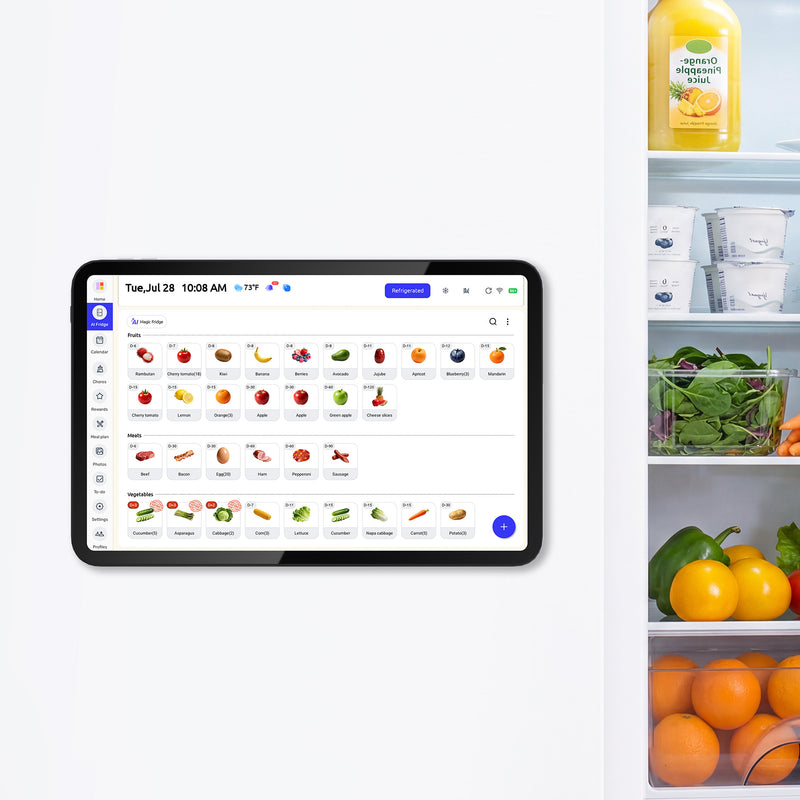
Many models also connect with tools your household already uses, including Google Calendar, Outlook, and Apple Calendar. The practical win is not just syncing events. It is pulling school schedules, sports practices, chore reminders, meal plans, and family to-dos into one shared view, which is what turns a calendar into a real command center.
Practical rule: If a device needs constant waking, unlocking, or recharging, families stop checking it.
That is one reason these products feel more useful now than they did a few years ago. As described in this e-ink calendar buying guide, early versions often came from DIY setups, while newer options are designed for everyday home use with simpler setup and built-in calendar syncing.
Why families are paying attention now
This category has grown past the hobby stage. You can now find purpose-built displays made for kitchens, entryways, and shared family spaces, not just maker projects on a desk. This signals a more established product category, with options that are easier for non-technical households to set up and keep using.
For parents, that shift is most significant. An e ink wall calendar is not only a digital place to park appointments. It becomes the spot where the family sees who has soccer, what's for dinner, which chores still need doing, and whether grandma is handling pickup on Thursday. If you want a practical example of how that works day to day, this guide to a digital calendar for wall use is a helpful next read.
Core Benefits for Busy Households
The biggest win of an e ink wall calendar is that it removes friction. Your family doesn't have to remember which app to check, who updated the paper planner, or whether the tablet battery died overnight. The information is just there.
That sounds small until you live with it for a week. Morning routines get smoother when everyone can see the day before asking for a recap.
A calmer display in a busy home
Backlit screens are great for movies, messages, and work. They're not always great for a shared family wall. A scheduling display should be easy to glance at while packing lunches, tying shoes, or walking through the kitchen half awake.
E-ink is better suited to that job because it reflects ambient light instead of blasting light outward. It feels closer to reading a printed page than looking at a device.
A family calendar should lower the room's stress level, not add to it.
That calmer look matters more than many reviews admit. When a display blends into the home instead of shouting for attention, people do use it.
It stays visible without becoming a chore
The second benefit is simple but powerful. It's always on. You don't need to wake it up, start using it, or reopen an app after someone accidentally closes it.
For households with kids, that visibility changes behavior. Children can check what's happening after school. A partner can confirm pickup duty while walking past. Grandparents and caregivers can understand the day without needing access to every app and account.
Here's what that solves in real life:
- Less repeating yourself because the plan is visible
- Fewer missed handoffs between parents, caregivers, and older kids
- Better routine follow-through because reminders live in a shared place
- Lower mental load for the person who usually remembers everything
Low maintenance matters more than flashy features
A lot of family tech fails because it asks too much from the person already doing the most. Setup may be easy, but daily upkeep becomes one more task.
E-ink helps because the display technology is built for efficiency. E-ink screens are bistable, which means they only draw electricity when the image changes, not to hold it. That allows wall calendars to operate for 3 to 6 months on a single charge, according to BSIMB's explanation of e-ink wall calendar power use.
That battery life changes placement options too. You're not forced to mount the calendar near an outlet or snake a cord across the wall. For a family home, that's a practical upgrade, not a technical footnote.
Key Features to Look for in a Digital Calendar
A good family calendar doesn't just display events. It needs to fit the way a household operates. That means checking more than screen specs.

Start with size and readability
The first question is where it will live. A smaller display can work on a desk or entry shelf, but a family wall hub needs to be readable from a few steps away. If you want a month view, multiple people's schedules, or room for extras like tasks and meals, larger displays are easier to live with.
Readability matters as much as size. A clean layout with enough spacing often beats a crowded screen with too much tiny text.
A simple checklist helps:
- Wall distance: If you'll read it across the kitchen, go larger.
- Number of calendars: More family members usually means more on-screen complexity.
- Need for extras: Chores, meal plans, and lists all need space.
- Placement height: Make sure kids can see the parts meant for them.
Make sure it works with your existing calendars
The best setup is usually the one that doesn't force a family to start over. Look for support for the calendar systems you already use. Most families are juggling some mix of Google Calendar, Outlook, and Apple Calendar.
Strong sync matters because a family display only works if it reflects real life. If one parent updates soccer practice on a phone, the wall calendar should show it without extra effort.
This product overview for a 21.5-inch digital calendar is a useful example of the family-hub format many parents are now looking for.
The family features most reviews skip
Many generic tech reviews often fall short. They talk about sync, battery, and display quality, but stop short of what families need every day.
One clear gap in the market is the lack of family-specific tools. While many products sync events, few include built-in chore trackers, reward systems, or meal planners. That gap matters because 70% of parents use 3 or more apps to manage their household, according to eInkCal's market gap discussion.
If your goal is a true command center, pay attention to features like these:
- Chore management: Can you assign tasks by child, day, or routine?
- Rewards tracking: Does the system help kids see progress, not just reminders?
- Meal planning: Can the family view dinners and prep needs at a glance?
- Shared grocery lists: Can someone add items quickly before the next store run?
- Voice entry: Can you add “dentist Thursday at 4” without stopping what you're doing?
A product demo helps make those differences easier to spot in practice.
Don't ignore everyday usability
The best family calendar is the one people consistently check. That usually means simple navigation, clear labels, and a layout that doesn't bury key information.
If your kids can't tell what applies to them in a quick glance, the display is too complicated.
That's worth keeping in mind while you shop. The strongest e ink wall calendar for a home won't necessarily be the most technical one. It'll be the one that turns family coordination into a shared habit.
E Ink Calendars vs Paper and Tablets
Families usually compare three options. They keep using a paper calendar, they mount a tablet on the wall, or they choose an e ink wall calendar built for shared visibility.
Each option can work. The question is which one creates the least friction over time.

Paper still wins on simplicity
A paper planner or whiteboard has one big advantage. Anyone can walk up and read it immediately. No login. No sync. No learning curve.
That's why many families still love the ritual of writing things down. If you enjoy a traditional wall calendar for seasonal planning or design, collections like alternative music prints calendars can still be a fun fit for a home office or family corner.
The downside is maintenance. Someone has to update it, erase it, rewrite changes, and keep everyone's moving plans legible. Once schedules get crowded, paper turns messy fast.
Tablets solve sync but create new problems
A repurposed tablet gives you live apps, full internet access, and flexible layouts. That sounds ideal until you live with one on the wall.
Tablets are bright. They need regular charging or permanent power. They can drift into notifications, app updates, and the general feeling of “one more screen” in the room.
A market report notes that LCD and OLED screens consume 5 to 10 watts continuously, while e-ink panels draw under 0.1 watts when idle and reflect ambient light instead of emitting disruptive blue light, according to DataIntelo's market analysis of smart wall calendar displays.
Why e-ink lands in the middle sweet spot
E-ink combines the best parts of the other two options. It keeps the calm readability of paper while adding digital sync. It gives you a dedicated display without the visual noise of a tablet.
This side-by-side view is a useful way to conceptualize this.
| Option | Best part | Main drawback | Best fit |
|---|---|---|---|
| Paper or whiteboard | Immediate and familiar | Manual updates | Very simple households |
| Repurposed tablet | Full app flexibility | Bright screen, more distraction | Tech-heavy setups |
| E ink wall calendar | Shared visibility with low distraction | Fewer general-purpose features than a tablet | Families who want a dedicated hub |
The best family calendar isn't the one with the most features. It's the one your household keeps using on ordinary Tuesdays.
That's where e-ink stands out. It was built for display, not for entertainment. In a shared home space, that difference matters.
Setting Up and Using Your Family Calendar Hub
Getting started is usually less technical than people expect. Most modern units connect to home Wi-Fi, link to your preferred calendar accounts, and then refresh on their own. Current e-ink calendars commonly use 2.4GHz Wi-Fi to sync with Google, Outlook, and Apple calendars so multiple schedules can appear on one shared display, as described by Sync Sign's display overview.

The first afternoon with it
A practical setup usually goes like this. You choose a spot that people naturally pass, often the kitchen, mudroom, or hallway near the garage door. You connect the display to Wi-Fi, sign in to the calendars you already use, and decide what belongs on the shared screen.
Some families show everything. Others keep personal appointments private and display only family events, school schedules, practice times, and household reminders.
A few good starting categories are:
- School and activities: Pickup times, games, rehearsals, special dress days
- Parent schedules: Work travel, late meetings, handoff times
- Home routines: Trash day, pet care, recurring chores
- Meals: Dinner plan, defrost reminders, grocery needs
What daily use looks like
Once it's on the wall, the value shows up in ordinary moments. During breakfast, your child checks whether there's soccer after school. In the afternoon, a co-parent confirms who's covering pickup. At dinner, everyone sees what's planned for tomorrow without asking one person to narrate the schedule.
This is also where the idea of a family hub becomes more useful than a plain calendar. If the display supports tasks, a child can check responsibilities for the day. If it supports meal planning, the evening plan is visible before the “what's for dinner?” question starts.
Keep the shared display focused on decisions the household needs to make together.
That one habit prevents clutter. The wall display should help the family act, not reproduce every detail from every app.
Small habits that make it stick
Families tend to get the most from a digital hub when they build one or two routines around it. A quick glance before school. A short reset after dinner. A weekly planning moment on Sunday evening.
If you want examples of how families use this kind of setup in real homes, this guide to a family calendar display offers helpful inspiration.
The goal isn't perfection. It's making the next decision easier because the right information is already in front of everyone.
Frequently Asked Questions About E Ink Calendars
Are they hard to mount?
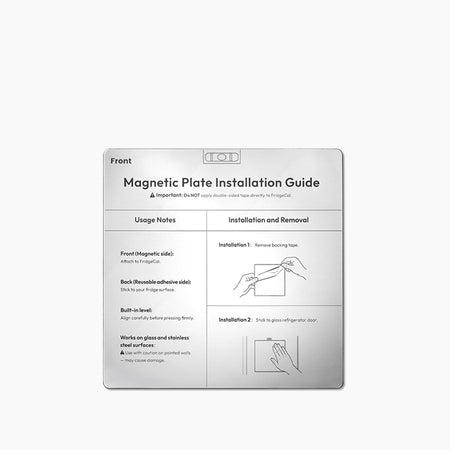
Usually, no. Most are designed to hang like a framed display or sit on a stand, depending on the size. The main decision is placement. Put it where the family already pauses, such as the kitchen, entryway, or hallway.
Can two parents add events?
Yes, if the calendar pulls from shared digital calendars that both adults can edit. That's one of the biggest practical benefits. Each person can keep using the tools they already prefer, and the wall display becomes the shared readout.
Do kids need their own accounts?
Not always. Many families start by displaying only the calendars parents manage. Older kids can have their own calendar sources later if that fits the household. For younger children, color coding and named sections are often enough.
Does the screen flicker when it refreshes?
E-ink screens do refresh differently from tablets. You may notice a brief screen update when the display changes. In normal use, most families stop noticing it quickly because the screen isn't constantly moving.
Do I need a monthly subscription?
That depends on the product. Some digital family displays charge ongoing fees for premium tools or services, while others include core features in the purchase price. Always check this before you buy, especially if you want chores, rewards, meal planning, or app access included long term.
Can it replace a paper planner completely?
For many families, yes. For others, it becomes the main shared calendar while paper still handles personal notes, school artwork, or seasonal planning. It doesn't have to be all or nothing.
Is it worth it if my family already uses phones?
Often, yes. Phones are personal tools. A wall display is a household tool. The difference is visibility. A family can't rally around a schedule that lives in one person's pocket.
What should I prioritize if I'm buying one for family use?
Focus on these questions first:
- Can everyone read it easily from where it will hang?
- Does it support your existing calendar system?
- Can it handle more than events, such as chores or meals?
- Will it stay simple enough that people check it?
Those answers matter more than flashy extras. The strongest e ink wall calendar is the one that becomes part of your family rhythm without creating more work.
If you want a family-first option that goes beyond basic calendar sync, Everblog is worth a close look. It's built as a shared home hub with a 21.5-inch display, plus tools for chores, rewards, meal planning, grocery lists, media, and voice entry, all without a subscription. For parents trying to replace scattered apps and paper notes with one calm, visible system, it's a practical place to start.


