

The fridge usually becomes family headquarters by accident. A permission slip lands there. Then a dentist card. Then a sticky note about early pickup. By the time everyone is rushing through breakfast, the door is covered in reminders but no one can tell which date matters.
That's why a fridge calendar holder keeps showing up in organized homes. It turns a messy drop zone into one visible place for dates, deadlines, and daily rhythm. It's not a new idea either. The concept of a reusable refrigerator calendar display was already formalized in a 1989 U.S. patent for a magnetic calendar frame, which was designed to attach to a refrigerator or freezer door and hold a calendar sheet for long-term household use.
Bringing Order to Kitchen Chaos
Most families don't need more paper. They need one place where the right paper lives.
A fridge calendar holder works because the kitchen is where plans get repeated out loud. School drop-off gets mentioned while lunches are packed. Practice times get confirmed while someone is looking for a water bottle. Dinner plans change while the fridge door is open. Putting the calendar there makes it visible at the exact moment people are making decisions.

Why the fridge becomes command central
A paper planner in a drawer is easy to ignore. A wall calendar in the hallway helps, but only if people pass it slowly enough to read it. The fridge gets attention because everyone touches it several times a day.
That's also why the holder matters as much as the calendar itself. If the page curls, slips, tears, or disappears under takeout menus, the system breaks. A proper holder gives the calendar a fixed home instead of leaving it to compete with magnets, artwork, and random receipts.
Practical rule: If your family asks “What's happening today?” more than once most mornings, your calendar system isn't visible enough.
There's also a design side to this. Families often refresh the kitchen before they fix the workflow. If you're cleaning up the visual clutter on the fridge and cabinets, DIY kitchen makeovers with vinyl wraps can help you update the look without redoing the whole room. A cleaner surface makes any planning system easier to read and maintain.
The simple system that still works
The appeal of a fridge calendar holder is that it asks very little from you. Put it at eye level. Keep one pen nearby. Write the appointments where everyone can see them. For many households, that's enough to stop the daily scavenger hunt for dates.
If you want a practical example of that setup, a weekly fridge planner approach shows how one visible kitchen planning surface can reduce the pileup of disconnected notes.
Comparing Different Fridge Calendar Holder Types
Not every fridge calendar holder does the same job. Some pin one sheet in place. Others act more like a reusable planning board. The right choice depends on what you're trying to hold, how often you update it, and whether you need storage or just visibility.

Minimalist magnetic strips
These are the lightest option. Think of them like a bumper case for your calendar. They secure a sheet or two at the edge without enclosing the whole page.
They work well for:
- Single-sheet calendars that don't need protection
- Small monthly printouts you replace often
- Low-clutter kitchens where you want the holder to disappear visually
The downside is control. Magnetic strips don't create a dedicated writing surface, and they won't do much to stop curling corners on thinner paper. If the calendar is glossy or oversized, strips can look neat on day one and uneven by day five.
Whiteboard calendars
A whiteboard style setup changes the job from “hold this paper” to “display and update the plan.” Some include a printed grid. Others are blank and rely on your own layout.
This type suits families who:
- Need to rewrite plans often
- Prefer one reusable board over replacing paper
- Want to combine schedule notes with grocery reminders or meal planning
The trade-off is maintenance. Markers dry out, handwriting gets cramped, and the board can become visually noisy if one person keeps adding side notes. Whiteboards are flexible, but they require discipline to stay readable.
A reusable board is great for changing plans. It's less great when nobody erases yesterday's clutter.
Pocket organizers
Pocket organizers are the wallet-case version of the category. They don't just display a calendar. They collect the extra paper that normally drifts across the kitchen.
They can hold:
- Coupons and receipts
- School notes waiting for signatures
- Appointment cards and reminder slips
- A small paper calendar in the front slot
That sounds efficient, and sometimes it is. But these systems often fail in a predictable way. The pockets become storage first and communication second. Once papers stack in layers, visibility drops. Families stop checking the calendar because the surface looks busy.
Acrylic boards and sleeves
Acrylic styles are the cleanest-looking option. Some are clear protective sleeves for a printed calendar. Others are rigid dry-erase boards with magnetic mounting. They feel more finished than strips or clips and usually hold their shape better.
Acrylic works best when you want:
- A neat, structured look
- A rigid surface that doesn't sag
- Better protection from kitchen moisture and handling
The drawbacks are practical, not decorative. Rigid boards can be heavier. Clear surfaces can catch glare. If the magnet setup is weak, a polished board becomes annoying fast because it shifts every time the door moves.
For readers comparing ready-made options, a fridge-mounted calendar format shows how this category has moved beyond simple paper clips into more dedicated kitchen planning hardware.
Which type fits real life
A quick comparison makes the decision easier:
| Holder type | Best for | Usually fails when |
|---|---|---|
| Magnetic strips | Light paper calendars | Paper curls or slides |
| Whiteboard calendars | Frequent updates | Notes pile up and readability drops |
| Pocket organizers | Families with lots of loose papers | Storage overwhelms the calendar |
| Acrylic boards | Clean look and firmer support | The board is too heavy for the magnet setup |
If you use a tear-off calendar and only need the current month visible, strips or a simple sleeve can work. If you rewrite plans several times a week, a whiteboard or acrylic board is usually more realistic.
How to Choose the Right Holder for Your Fridge
The biggest mistake people make is shopping by appearance first. A nice-looking fridge calendar holder that slides down the door or doesn't stick at all is just another kitchen irritation.
The first thing to check is fridge compatibility. Many newer refrigerators have stainless steel or nonmagnetic finishes, and that can make traditional magnetic holders useless. That's not a minor detail. It's the buying decision. A product guide focused on magnetic calendar holders points out that verifying your fridge surface and the holder's magnet strength is the most important step before buying, especially because many modern doors won't support standard magnetic attachment at all, as noted in this compatibility-focused guide on magnetic holders for fridges.
Start with a magnet test
Before you buy anything, test the exact area where the holder will go.
Use a basic household magnet and check:
- Center of the door because some fridges have stronger hold there than near edges
- Upper section where many families prefer to place a calendar
- Freezer drawer front or side panel if the main door isn't magnetic
- The finish itself because “stainless look” doesn't always mean magnetic metal underneath
If the magnet barely clings or slides with a light nudge, a magnetic holder isn't your safest option. In that case, you're better off considering an adhesive mount, a side-panel placement, or a non-fridge location entirely.
Match the holder to the calendar weight
A tiny holder can manage a thin monthly sheet. It may fail with a thick pad, laminated insert, or multi-page calendar.
Look at these parts together:
| What you have | What to look for |
|---|---|
| Thin single page | Simple magnetic strip or clip |
| Tear-off pad | Wider support so the top edge doesn't curl |
| Heavier acrylic surface | Multiple attachment points |
| Frequent marker use | Rigid surface that won't flex under pressure |
A holder should support the full width of the calendar, not just pinch one corner and hope for the best. If the page hangs unevenly, writing on it becomes awkward and the edges wear out faster.
Choose function over showroom style
Some holders are attractive but fussy. They look polished in product photos and frustrating in an actual kitchen.
What tends to work:
- Rigid front materials that stay flat
- More than one attachment point so the holder doesn't twist
- Enough clearance to slide pages in and out without tearing them
- A finish you can read under overhead lighting
What tends not to work:
- Single-point mounts on larger formats
- Thin flexible plastic that bows when pressed
- Overly narrow clips that leave marks on paper
- High-gloss surfaces placed directly under bright task lights
Buy the holder that survives repeated door slams and rushed note-taking. That's the real test, not how styled it looks in a listing photo.
Installation Tips and Simple DIY Options
Installation is where a decent holder becomes either dependable or annoying. Most failures aren't dramatic. The holder just starts slipping a little, tilts off-level, or catches at one corner every time someone opens the door.
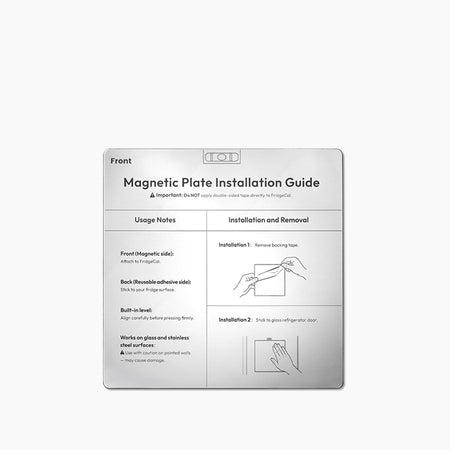
For larger calendars, tutorials commonly recommend multiple magnets because they distribute weight and reduce the peel force that happens when the door opens and closes quickly, as demonstrated in this DIY magnetic calendar holder tutorial. That principle matters whether you're buying a finished holder or making one from spare materials.
Install it so it stays put
A good install takes a few minutes and saves a lot of re-adjusting.
- Clean the surface first. Kitchen grease and dust reduce grip, especially near handles.
- Test the location before loading the calendar. A holder may feel secure when empty and sag once the paper is in.
- Open and close the door a few times. Watch for lift at the corners.
- Check writing pressure. If the holder shifts when you write on it, the mount is too weak or too narrow.
- Leave breathing room around handles and dispensers. Crowded placement leads to bent corners and missed entries.
Easy DIY versions that actually work
DIY only works when you respect the same basics as commercial designs. The holder has to manage weight, grip, and repeated movement.
Try one of these:
- Magnetic tape plus a clear document sleeve. Good for a lightweight monthly printout. Use more than one magnet strip so the sleeve doesn't pivot.
- Bulldog clips with adhesive-backed magnets. Better for thicker paper pads or tear-off calendars. The clip adds grip at the top edge.
- A rigid plastic sheet with corner magnets. Useful if you want a low-cost dry-erase surface over a printed calendar.
- Repurposed acrylic sign holder. This can work well if it's light enough and the magnet placement is wide, not centered.
Common DIY mistakes
The usual failures are easy to predict:
- Too little support at the top
- A soft plastic face that bows when you write
- Magnets clustered in one spot instead of spread across the width
- A holder that fits the paper loosely and lets it slide downward
If you're making your own, build for movement. The fridge door is not a static wall. It gets pulled, bumped, and shut in a hurry.
When Your Family Outgrows a Paper Calendar
A paper calendar can still be the right tool. It's visible, simple, and low effort. But there's a point where the problem isn't display anymore. It's coordination.
That shift usually happens subtly. One parent updates the fridge calendar, but the schedule changes while they're out. A child gets added to a different pickup plan. A recurring event moves. Someone forgets to transfer a note from text message to paper. The calendar is still hanging there, but it's no longer the full picture.
The breaking points show up in daily life
A calendar's job isn't just showing dates. It's coordinating chores, meals, and changing schedules in a way that stays current for everyone. Paper holders struggle with that once multiple children and recurring events enter the mix, which is the core limitation described in this discussion of magnetic and tear-off calendar use.
You'll notice the strain when:
- One person becomes the calendar keeper and everyone else depends on them
- Changes happen away from home and the fridge stays outdated until later
- Co-parents or caregivers need the same visibility but don't share the same kitchen
- Tasks and routines matter as much as appointments and there's no clear place to track them
Static systems work best when life is stable
Paper handles stable routines well. School term dates, standing appointments, and simple meal notes fit nicely. It gets much harder when responsibilities need follow-through, not just visibility.
A paper calendar answers “what day is the dentist?” It's weaker at answering “who's taking him, who's bringing the form, and did anyone remember the refill afterward?”
That doesn't mean the fridge calendar holder failed. It means your household moved from display to active coordination.
Exploring Digital Family Wall Calendars
A digital wall calendar solves a different problem than a paper holder. It doesn't just pin the plan in one spot. It keeps that plan current across the moments when families are apart.
By 2025, physical calendar holders were still positioned as useful at-a-glance home organization tools, but product guidance also emphasized magnet strength as the most critical selection factor, showing how much effort still goes into making the hardware hold reliably in daily use, according to this consumer guide to calendar fridge magnets for 2025.

What changes when the wall calendar is digital
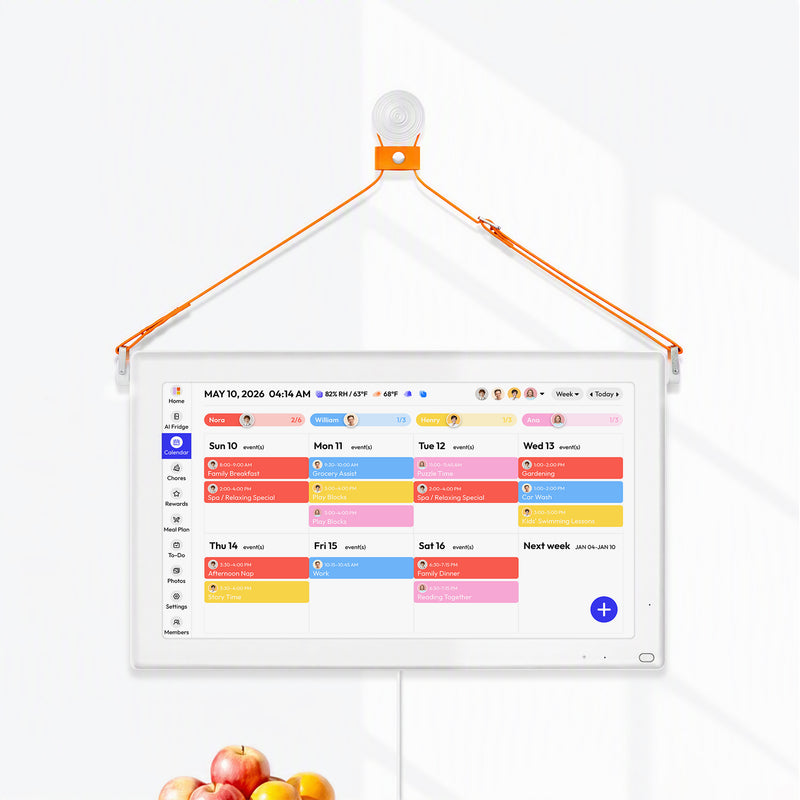
The main improvement is shared accuracy. A digital family wall calendar can sync changes made from a phone, keep recurring items current, and combine schedule visibility with chores, meals, and lists. That removes the usual paper bottleneck where one person has to remember to rewrite everything at home.
If you want to compare that model with a static kitchen setup, this look at a digital family calendar shows how families use a shared screen as a central planning surface rather than a passive display.
The same shift applies to communication around the calendar. If you're recording walk-throughs, routines, or family setup tutorials for your home systems, a tool for studio-quality videos can help create clearer visual instructions than a handwritten note taped to the fridge.
A short product walkthrough makes the difference concrete:
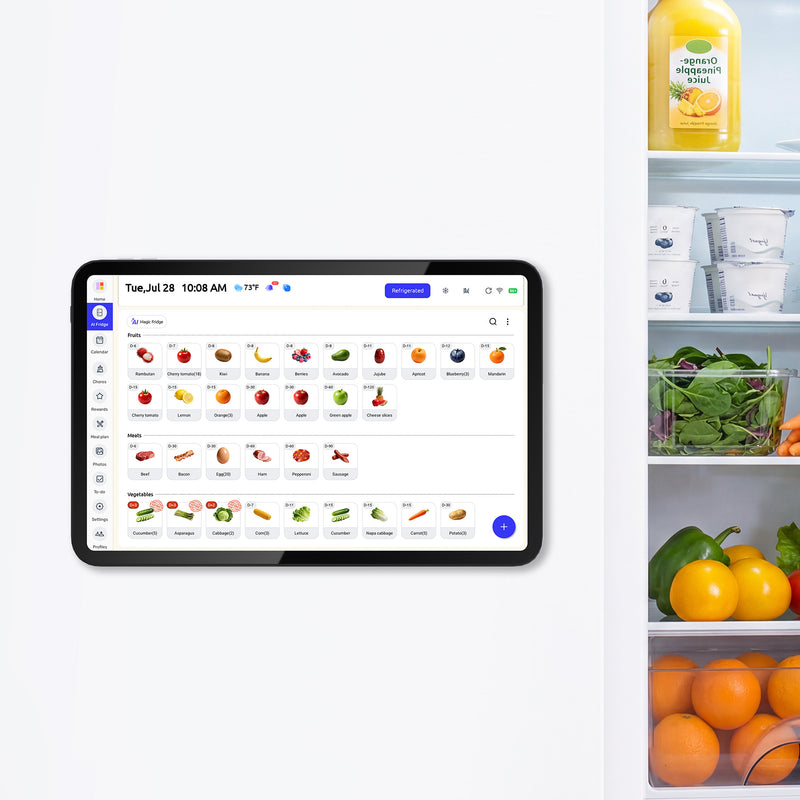
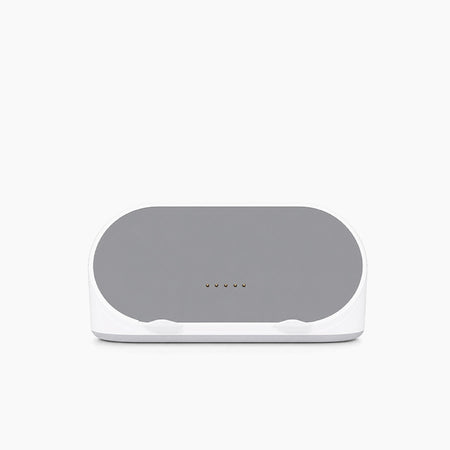
One option in that category is Everblog, a digital family wall calendar that brings schedules, chores, meals, and shared household planning into one display. For families who've outgrown a paper-only system, that kind of setup is less about replacing the fridge and more about replacing the repeated handoff errors that happen around it.
If your current fridge calendar holder still works, keep using it. But if missed updates, uneven responsibility, and too many moving parts for one sheet of paper are the problem, it may be time to move from a holder to a shared planning hub.


