



For many homeschool families, the refrigerator often becomes an informal command center where schedules, reminders, and daily routines come together. Using a digital fridge calendar brings structure to the homeschool day by turning a messy kitchen surface into a shared, visual routine that keeps everyone on track without the constant parental reminders.
Why Is It So Hard to Keep a Homeschool Day on Track?
Managing a earning environment at home introduces unique challenges that classroom teachers rarely have to face. Without clear, visual boundaries on the wall or the refrigerator, the boundaries between school hours and home life easily blur.
Kids (and Parents) Lose Focus Without a Visible Schedule
Many families find that transitions between meals and learning activities can be difficult without a visible routine. The absence of a physical, visible schedule leads to constant questions about what comes next, which drains parental energy before the first lesson even begins.
Juggling Children at Different Grade Levels and Subjects Simultaneously
A single parent must often teach phonics to a first grader while supervising an older child's pre-algebra module. When individual schedules live only in separate planners or computer tabs, it is incredibly difficult to coordinate the moments when each child needs direct parental instruction.
Household Tasks Compete with School Hours and Derail the Day
The proximity of the laundry room, sink, and toy bin creates a constant stream of distractions during the school day. It takes only one unscripted trip to the kitchen for a snack or a chore to completely derail an afternoon science unit.
How a Digital Family Calendar Creates a Visible Daily Homeschool Routine

Transitioning your schedule to a dedicated screen mounted directly onto the refrigerator door changes how the entire household interacts with the daily routine. It replaces verbal instructions with a reliable, passive source of truth that children pass by dozens of times a day.
|
DAILY HOMESCHOOL ROUTINE |
|
|
Traditional Paper/App Planners |
Kitchen-Anchored Digital Screen |
|
|
Setting Up Your Daily Time Blocks on the Screen
Setting up time blocks for math, reading, and history creates a predictable rhythm that children can anticipate every single morning. Because these blocks recur automatically each weekday, you never have to waste time mapping out basic time frames from scratch.
Giving Each Child a Unique Color Profile
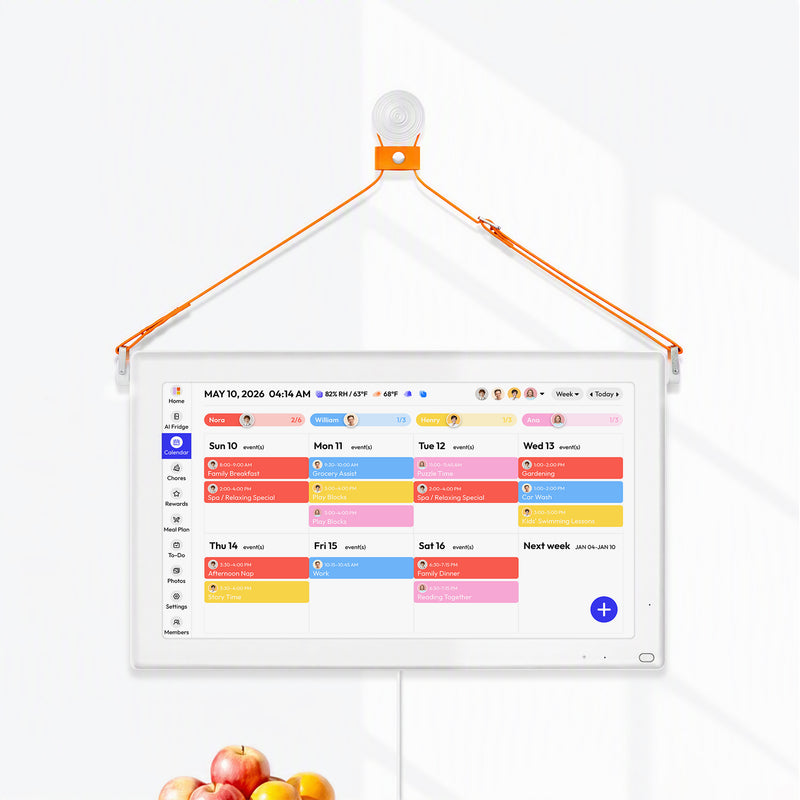
When one child is working independently while another needs help with math, color-coded schedules make it easier to see who needs attention next. Assigning a distinct visual shade to each student allows everyone to see their personal responsibilities at a single glance.
Bringing the Whole Schedule into the Center of the Kitchen
The kitchen is the natural crossroads of the home, making the refrigerator the perfect placement for a centralized schedule. By keeping the daily agenda constantly visible in this high-traffic area, you eliminate the need to look at a phone or open a laptop to see what is next.
How to Set Up a Homeschool Schedule on Your Fridge Calendar

Transforming your lesson plan into a functional kitchen schedule requires a few practical setup steps. A well-organized digital display makes the daily routine run smoothly for both parents and students.
Step 1: Map Your Weekly Curriculum Plan Into Daily Time Blocks on the Digital Planner
Start by breaking your textbook chapters and online modules into manageable, daily time periods on the main screen. Focus on creating consistent windows for core academic work, leaving plenty of breathing room for lunch and transitions.
Step 2: Assign Subjects to Each Child With Individual Color Coding
Select a unique color profile for each student so their specific assignments stand out clearly against the family master schedule. This visual separation helps children take personal responsibility for their individual school day without getting confused by a sibling's workload.
Step 3: Add Recurring Reminders for Transitions Between Subjects and Scheduled Breaks
Program soft alerts and visual cues into the display to signal when it is time to close the math books and start history. These automatic cues handle the job of timekeeping for you, reducing the friction that often happens during subject changes.
Step 4: Integrate Household Chores Into the After-School Block Using the Chore Chart Feature
Tie the completion of the school day directly to daily household maintenance tasks right on the screen. Children can look at the display after their final class to see exactly which quick cleanup tasks need to happen before free time begins.
Step 5: Use the Rewards System to Reinforce Completed Lessons and Responsibilities
Incorporate a simple digital check-off or token system on the display to celebrate a productive day of focused study. Letting children interact directly with the screen to check off their finished tasks builds a strong sense of personal achievement.
How a Fridge Calendar Supports Multiple Children with Different Learning Needs
Balancing the distinct educational tracks of multiple siblings requires a scheduling tool that can handle complexity while remaining simple to read. A digital kitchen display keeps these moving parts organized in one central location.
Running Parallel Schedules for Children at Different Grade Levels
You can easily overlay different grade schedules side by side on the central screen to prevent overlapping demands on your attention. While an older student works through a longer independent writing block, the display shows that it is your dedicated time to read with a younger child.
Tracking Field Trips and Co-Op Days Without the Chaos
Outside activities like sports, music lessons, and homeschool cooperative groups can easily disrupt a standard academic week. Putting these special events directly onto the kitchen display ensures that everyone knows exactly when to pack up lunches and head out the door.
Helping Older Kids Take Charge of Their Own Day
As homeschool students grow, they need to develop the time management skills required for independent study. Having their own dedicated sections on the kitchen display allows them to pace their morning work without relying on step-by-step parental direction.
Beyond the School Day – How the Fridge Calendar Manages the Whole Homeschool Household
The utility of a kitchen-anchored schedule extends far beyond text books and worksheets. It ties the academic day directly into the functional, physical rhythm of the entire household.
Planning Meals to Keep Your Afternoon Learning on Track
A successful homeschool afternoon often depends on how smoothly the midday meal transition goes. Having the weekly lunch menu posted right alongside the school schedule means kids know exactly what to expect, preventing long, distracting debates in the kitchen.
Aligning Work-from-Home Meetings with Quiet Study Hours
For parents who balance remote employment with home education, coordinating quiet hours is absolutely vital. The display lets children see exactly when a parent is in a virtual meeting, prompting them to focus on their quiet reading or independent worksheets during those specific times.
Using Reminders to Mark the End of the School Week or a Unit
Visual timers built into the display provide a helpful sense of perspective as a long study block winds down. Watching a countdown timer progress gives children a tangible sense of structure, making the transition to weekend free time feel earned and clear.
What Features Matter Most in a Smart Calendar for Homeschool Families
Choosing the right scheduling setup depends on finding a tool that fits naturally into a busy, high-traffic home environment without adding technical frustration.
Must-Haves: Color Coding, Recurring Schedules, Chore Chart, Rewards System, Family Sync
A successful homeschool setup requires a mix of flexible time blocks, automated repeating events, and integrated task tracking. These tools must work together seamlessly so that updating a schedule from your phone instantly updates the main kitchen view.
A Touchscreen Fridge Display Works Better Than a Whiteboard or Shared Phone App
Dry-erase boards are easily smudged by passing children and require constant manual rewriting every single week. Phone applications keep the schedule locked away in an adult's pocket, whereas an interactive touchscreen calendar right on the refrigerator keeps the plan visible to the entire room at all times.
The Everblog FridgeCal™ Calendar
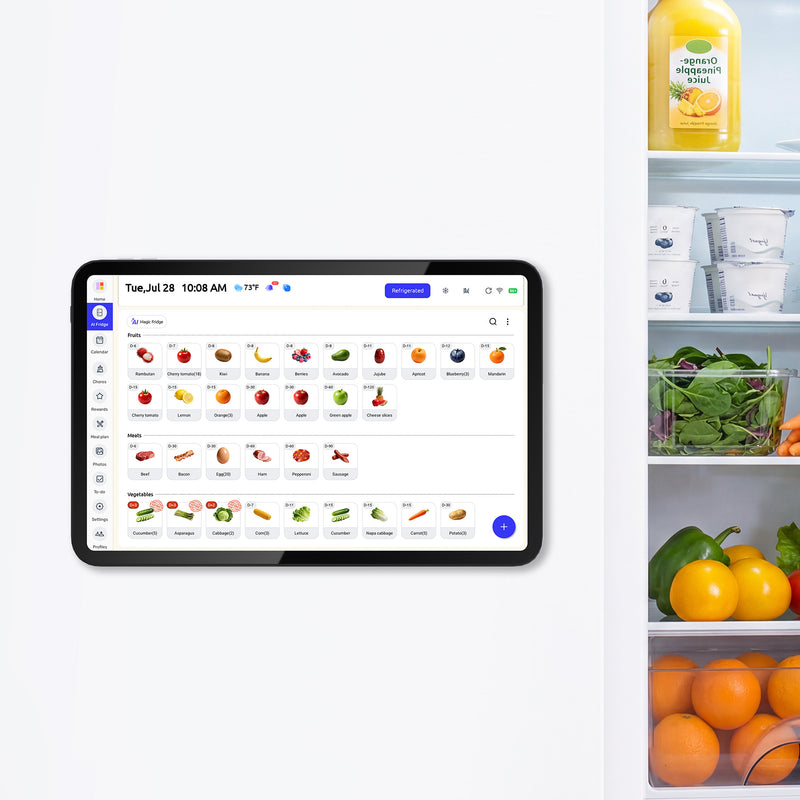
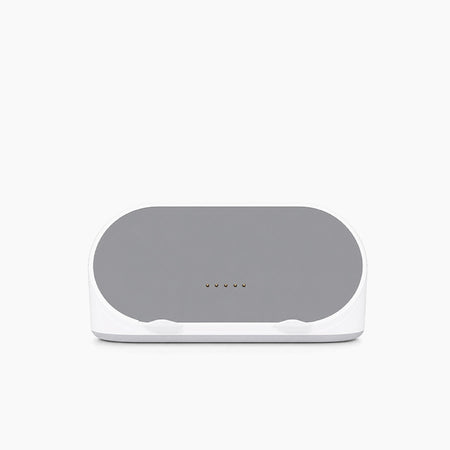
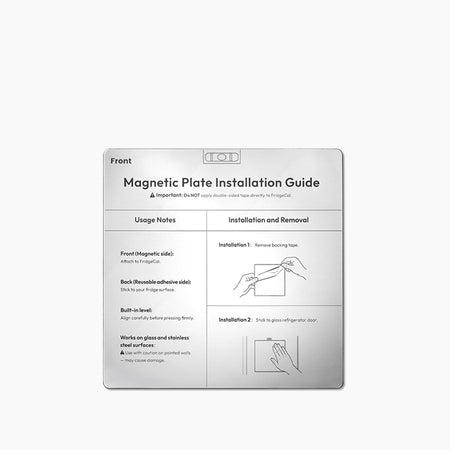
The Everblog 13.4-inch FridgeCal™ Calendar is specifically designed to serve as this type of household anchor. Its magnetic mounting system fits perfectly onto standard magnetic refrigerators, placing a large, clear touchscreen display right at eye level for both parents and kids. The interface allows you to manage multi-child schedules, track daily chores, and view lesson blocks without cluttering your kitchen walls with paper charts.
Streamline Your Homeschool Routine with Everblog FridgeCal™ Calendar
Bringing order to a busy home learning environment does not require complicated planners or constant lecturing. By anchoring your daily schedule directly to the center of your kitchen with the Everblog 13.4-inch FridgeCal™ Calendar, you give your children a clear, visual routine they can manage independently. This helpful tool keeps your lesson blocks, meal plans, and household chores organized in one easy-to-read location, making your family life lighter and your school days smoother.
Homeschool Fridge Calendar FAQs
Q1: How do I create a homeschool schedule for multiple children?
Start by identifying which subjects can be taught together, such as history, science, read-alouds, or art. Then create separate time blocks for subjects that require one-on-one instruction, like math or reading. Many homeschool families use color-coded schedules and a shared digital family calendar to help each child quickly see their own responsibilities. Displaying the schedule in a central location, such as a fridge-mounted touchscreen calendar, makes it easier for everyone to stay aligned throughout the day.
Q2: Should homeschoolers follow a strict daily schedule?
Not necessarily. Many successful homeschool families follow a structured routine rather than a rigid, minute-by-minute schedule. A predictable framework helps children know what to expect, while still allowing flexibility for field trips, appointments, co-op activities, or unexpected interruptions. The goal is consistency and progress, not perfect adherence to the clock.
Q3: What is the best way to keep a homeschool day organized?
A visible daily routine is one of the most effective ways to stay organized. Posting lesson blocks, activities, appointments, and chores in a shared location helps reduce confusion and constant reminders. Many homeschool families use a digital family calendar to combine academic schedules, extracurricular activities, meal planning, and household responsibilities in one place. A fridge-mounted display can make the schedule easier for both parents and children to access throughout the day.
Q4: Can a digital family calendar help manage homeschool activities and chores?
Yes. A digital family calendar can bring lesson schedules, extracurricular activities, meal plans, and household tasks into one shared view. For homeschool families, this visibility helps children understand both their learning responsibilities and daily chores. With a tool like the Everblog FridgeCal™ Calendar, family members can view schedules, track recurring activities, and stay aligned without relying on paper planners or constant verbal reminders.


