


You finally get a free half hour, grab the drill, hold the mount up to the wall, and think, “I just need this to stay put.” Then the second guess creeps in. Is this drywall or plaster? Do I need an anchor? Will this hold a smart display that gets tapped every day, or am I creating tomorrow's repair job?
That hesitation is normal. Installing wall anchors looks simple until you've seen a loose mount, a spinning anchor, or a screw that never seems to tighten. In a family home, the stakes feel higher because you're not just hanging art. You might be mounting a shared screen in the kitchen, a calendar by the mudroom, or a device that kids will poke on their way out the door.
This is the practical version of the job. No mystery, no overcomplication. Just what works, what fails, and how to get a secure result the first time.
Why That Picture Frame Fell and How to Prevent It
You hang a frame on Sunday, and by Wednesday it is leaning. A week later, it is on the floor, the corner is chipped, and there is a widened hole in the drywall. The same failure shows up with family tech too. A smart display in the kitchen or a digital calendar near the entry gets tapped, cleaned, and bumped, so the mount has to handle more than just weight.
The usual problem is simple. The screw is gripping drywall alone, and drywall is only a finish surface. It does not hold up well to pull-out force or repeated movement by itself. A screw can feel tight at first, then loosen little by little as the wall face crumbles around the threads.
That is why a light photo can stay put for years while a framed screen, charging dock, or shared family hub starts to sag.
Anchors solve that by spreading the load inside the wall or behind it. The screw is no longer relying on a small ring of drywall paper and gypsum to do all the work. For anything with noticeable weight, or anything people touch often, that extra support makes the difference between a mount that lasts and one that turns into patch-and-paint work.
A good rule at home is straightforward. If you are not fastening into a stud and the item feels substantial, use an anchor. Be even more careful with devices that get daily contact. A picture frame mostly hangs there. A smart display gets pressed, swiped, unplugged, and straightened by rushed hands on the way out the door.
I treat those as active-load installs. The wall hardware needs to handle both the item and the household.
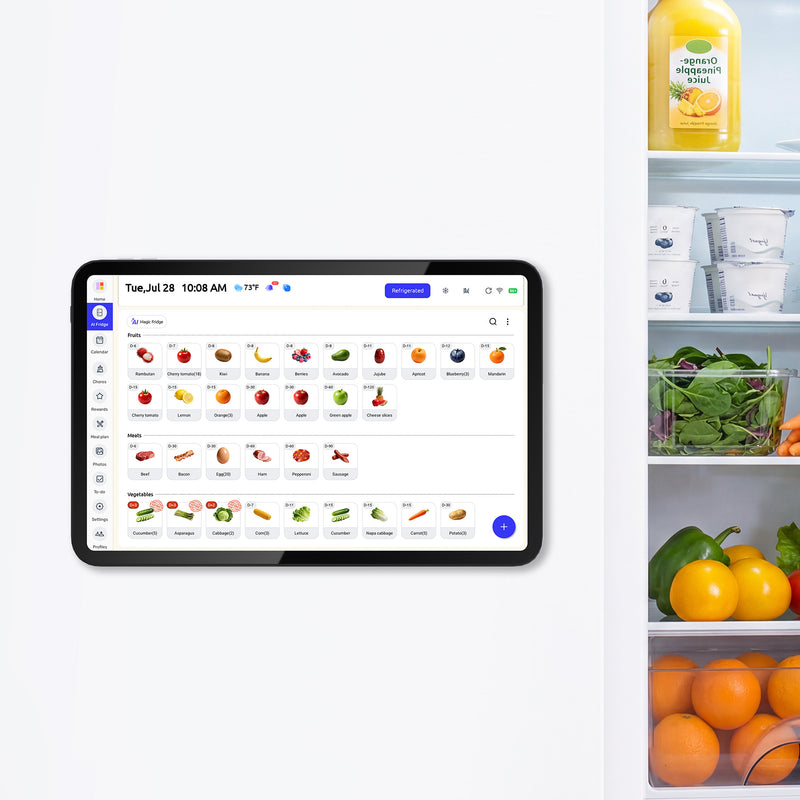
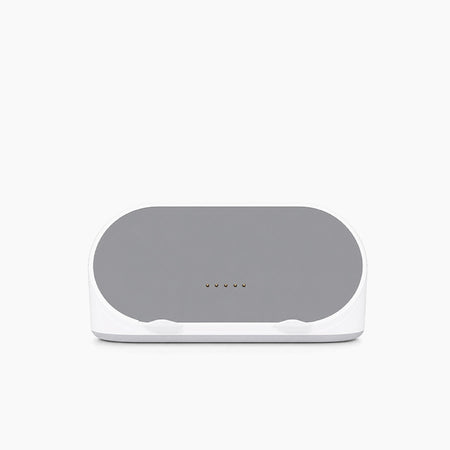
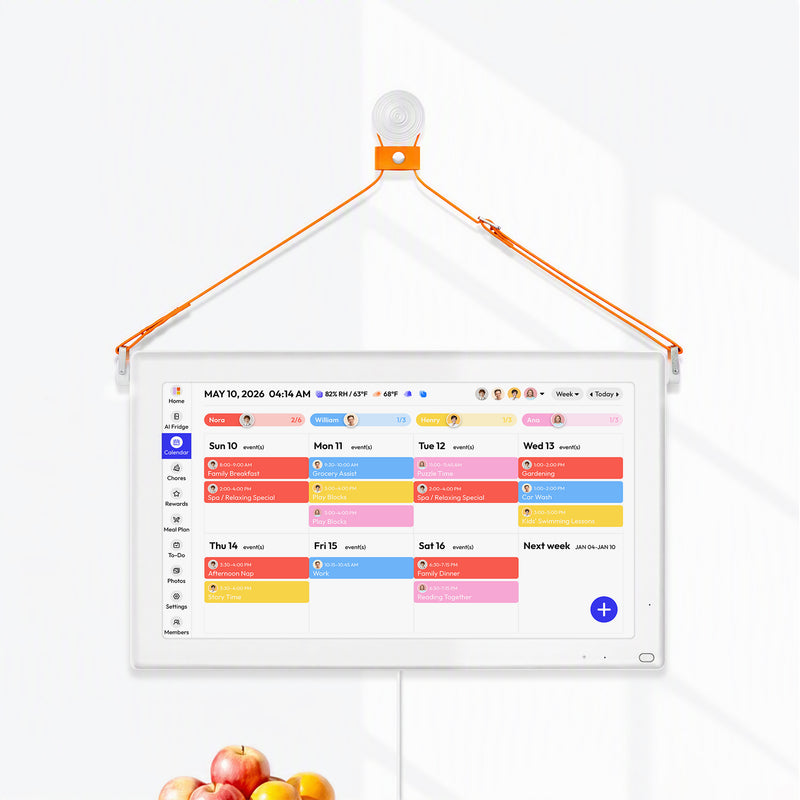
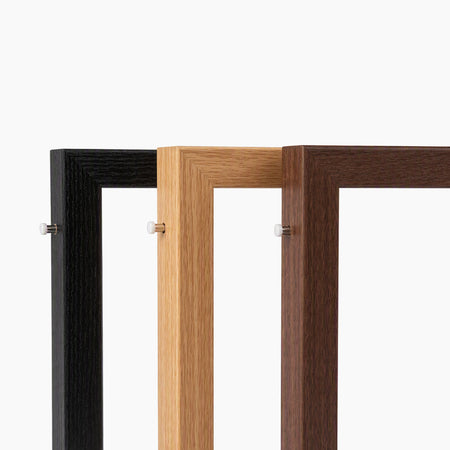
That matters with framed digital products too. If you are planning to mount an Everblog wooden frame for a shared family display, choose hardware based on real use, not just the listed weight. Daily tapping, cord management, and occasional side pressure all add stress over time. Matching the bit to the wall also helps you avoid a loose, oversized hole, especially if you need a refresher on drill bit types and materials.
The goal is boring reliability. Straight mount, tight screw, no drifting, no surprise drop during dinner. That usually comes down to three things done well:
- Knowing what the wall is made of
- Using an anchor that fits the load and the wall
- Installing it cleanly so the hole and anchor are not damaged from the start
First Things First Identify Your Wall Type
Most anchor problems start before the drill ever turns. People buy the right-looking hardware, then put it into the wrong wall. A drywall anchor in plaster can be frustrating. A plaster approach used on drywall can leave an oversized hole. Masonry is its own category entirely.

Use simple tests before you choose hardware
You don't need a lab report. You need a few fast checks.
- Knock test: Tap the wall with a knuckle. A hollow sound usually suggests drywall between studs. A denser, harder sound can mean plaster or masonry. This also helps you notice where a stud may be hiding behind the surface.
- Pushpin test: In an out-of-the-way spot, press a pushpin in gently. Drywall usually gives with a papery feel. Plaster often feels harder, more brittle, or crumbly at the surface.
- Visual clue check: Brick and concrete are usually obvious, but some painted masonry walls can fool people at first glance. Look at unfinished edges, utility areas, or the wall thickness around openings.
Why this matters during drilling
Each wall material responds differently when you drill. Drywall is forgiving. Plaster can crack or crumble if you rush it. Masonry needs the right bit and a slower, more deliberate approach. If you're unsure which bit to use, this guide to drill bit types and materials is worth a look before you start.
If the wall resists more than expected, stop and reassess. Don't force the drill and hope the hardware will sort it out.
That pause saves a lot of patching.
Find out whether there's a stud first
Even when you're planning on installing wall anchors, check for a stud at the target spot. Use a stud finder if you have one. If not, combine a knock test with careful probing. If you hit wood, that changes the job. A screw into framing is usually the better option than an anchor into hollow wall.
That's especially useful when you're mounting something in a busy family zone like a kitchen command wall, hallway, or homework area. High-traffic spots put more stress on mounts because people interact with them more often.
A few extra minutes here prevent the classic sequence: wrong anchor, enlarged hole, hasty patch, second attempt.
Choosing the Right Wall Anchor for the Job
A wall anchor that holds a small photo frame can still be the wrong hardware for a smart display in the kitchen or a digital family calendar in the hallway. The weight might look similar on paper, but the job is different. Devices get tapped, cleaned, plugged in, and bumped. That adds stress a basic anchor may not handle well for long.
Choose anchors by three things: wall material, actual load, and how the item will be used day to day.
If you are hanging something valuable and there is no stud where you need it, stay conservative. Treat the packaging limit as a ceiling, not a target. For family tech, I like a wider safety margin because a mount that loosens over time is a nuisance at best and an expensive mistake at worst.
Wall Anchor Comparison Guide
| Anchor Type | Wall Type | Weight Capacity (Approx.) | Best For |
|---|---|---|---|
| Plastic expansion anchor | Drywall | Check product packaging and stay well below the stated limit for valuable items | Small frames, light accessories, low-stress mounts |
| Self-drilling anchor | Drywall, sometimes plaster depending on product | Check product packaging and apply a safety margin | Medium-duty wall fixtures where quick installation matters |
| Molly bolt or metal hollow-wall anchor | Hollow wall applications | Check product packaging and use conservative loading | Brackets and fixtures that need a firmer mechanical hold |
| Toggle-style anchor | Drywall and other hollow wall situations | Benchmark choice for heavy items. Follow packaging and use multiple anchors if needed | Heavy mirrors, substantial brackets, interactive wall-mounted devices |
The main trade-off is speed versus holding strength.
Plastic expansion anchors are cheap and easy, but they are best for quiet loads that just sit there. I would use them for a lightweight decor piece, not for a touchscreen organizer that gets pressed several times a day.
Self-drilling anchors save time and usually work well in standard drywall. They can struggle in older plaster, and they are easy to overtighten. Once the hole gets chewed up, the anchor loses the grip you were counting on.
Molly bolts give a more secure hold because they expand behind the wall. They take a little more care to install, but the finished result is more trustworthy for brackets and medium-weight devices.
Toggle-style anchors are often the better pick for heavier or more active loads. The wings spread the force over a larger area behind the wall, which helps when the mount sees pulling force, repeated touch, or a little side-to-side movement.
If your wall is plasterboard and you want a product-specific second opinion, Neasden Hardware plasterboard advice is a useful reference.
Don't choose by weight alone
Static weight is only part of the decision. A smart display, charging screen, or digital whiteboard can put more strain on the mount than a similarly sized picture because people interact with it. Cords get plugged in. Kids tap the screen. Someone wipes it down during the dinner rush. In a busy family home, that repeated contact matters.
That is why I usually spec anchors for these devices more like small equipment mounts than decorative hardware. If you are comparing brackets and mounting setups for a larger board or shared family display, this guide to whiteboard mounting hardware for wall-mounted family boards is a good reference point.
A mount can hold today and still be the wrong choice for six months of real use. Choose the anchor for the life it will live on that wall, not just for the number on the box.
The Step-by-Step Wall Anchor Installation Process
Before you touch the drill, make one call: Should this go into a stud instead? For particularly heavy items, it's often better to skip anchors and mount a ledger board or plywood directly to studs, which creates a much stronger mounting surface than relying on drywall alone, as explained in Walabot's drywall anchor guide.
That sounds like extra work, and it is. But for large, valuable, or frequently used wall-mounted pieces, it's often the smarter kind of extra work.
Here's the workflow at a glance.

Start with layout, not drilling
Hold the bracket or mounting template where it will be installed. Check sightlines, outlet access, and whether someone can walk by without clipping the corner. Mark lightly with pencil, then verify level before making any hole.
For family devices, placement mistakes are usually more annoying than drilling mistakes. A mount that's too high gets ignored. Too low, and it feels in the way. Too close to a doorway, and the edge becomes a collision point.
Match the hole to the anchor
Once you've confirmed there's no stud where the anchor needs to go, drill the pilot hole sized to the anchor. That sounds obvious, but it's where many installations go sideways. A hole that's too large leaves the anchor loose. Too small, and people force the anchor, damage it, or deform the wall.
- Mark accurately: Use the actual bracket holes, not a rough eyeball estimate.
- Drill straight: Keep the bit perpendicular to the wall so the anchor seats evenly.
- Stop at the right moment: Don't wallow the bit around in the hole. That enlarges it and weakens the fit.
If your mount goes near tile, backsplash, or a mixed surface, drilling technique matters even more. This guide on preventing tile cracks during drilling is useful if part of your installation crosses into tile or stone.
A video can also help if you prefer seeing the sequence in motion.
Seat the anchor flush and tighten with control
Insert the anchor so it sits flush with the wall surface. Depending on the style, you may push it in, tap it in gently, or feed a folded toggle through the hole and tighten it so it clamps behind the wall.
Then drive the screw with control. This is the part where patience beats power.
Use hand feel, not brute torque. You want the anchor to grip, not to strip.
For many hollow-wall anchors, the screw is what activates the holding mechanism. As it tightens, the anchor expands or braces against the back of the drywall. If you keep cranking after the anchor has seated, you can ruin the hold you just created.
Spread the load when needed
For heavier setups, use the full mounting pattern instead of relying on a single point. Home improvement guidance commonly recommends multiple anchors for particularly heavy items because distributing the load reduces pull-out risk. In practical terms, that means using both sides of a bracket, not just “the one that lined up easiest.”
That small choice is the difference between a mount that feels solid and one that slowly starts to rack to one side.
Securely Mounting Your Everblog and Other Devices
A wall-mounted digital device lives a tougher life than framed art. People touch it. They press the screen. They stand close to it while holding bags, lunchboxes, or laundry. That repeated contact creates little jolts that matter over time.

Choose hardware for interaction, not just hanging
For heavy items in drywall, toggle-style anchors are the benchmark because they clamp onto the back of the wall. A common mistake is drilling a hole that's too small, since the bit required for a folded toggle is often larger than people expect, according to Home Depot's drywall anchor instructions.
That advice fits digital family displays especially well. If a device gets tapped every day, don't pick the smallest anchor that seems like it might work. Pick the one that gives the mount a firmer backside hold.
Placement matters as much as hardware
The best install location balances daily use with cable reality.
- Viewing height: Mount it where adults can read it comfortably and kids can still interact with it.
- Outlet access: Plan the cable route before finalizing the bracket position.
- Traffic flow: Avoid narrow choke points where shoulders or backpacks can catch the frame.
- Level check: A wall-mounted display that's slightly off will look off every single day.
If you want to compare the mounting mindset to another interactive screen setup, this article on a wall mount for 24 inch TV is a good parallel. The hardware principles are similar because both types of screens are more demanding than static decor.
For family command centers, I'd lean toward overbuilding the mount rather than trying to save ten minutes during installation. You want the bracket to feel planted when someone touches the screen, not flexible.
Troubleshooting Common Wall Anchor Mistakes
Even good installs can hit a snag. The key is reading the symptom correctly instead of forcing the hardware harder. Most failures aren't random. They come from a mismatch between the hole, the screw, the anchor, or the wall itself.

When the anchor spins
If the anchor spins in place, the hole is often too large or the surrounding wall has broken down. At that point, tightening more won't save it. Remove the failed anchor, assess the damage, and move to a larger anchor or a different anchor style if the wall condition allows.
This happens a lot when someone drills loosely and wiggles the bit, turning a clean pilot hole into a sloppy opening.
When the screw keeps turning but never tightens
That usually means the anchor isn't engaging correctly behind the wall, or the screw and anchor aren't matched well. One common real-world cause is using a screw whose threads are too coarse for the anchor body.
Another cause is over-tightening with a drill. One source specifically warns that anchors often fail after installation because people strip them with power tools, use screws with threads that are too coarse for the plastic, or choose an anchor not sized for the drywall thickness. That warning comes from this anchor failure and installation troubleshooting video.
If the screw stops feeling progressive and starts feeling mushy, stop. That's usually the moment before the anchor gives up.
When the wall starts crumbling
This is often a wall-type problem, not just an installation problem. Plaster can break away differently than drywall. If the wall surface chips, flakes, or enlarges around the hole, slow down and reconsider the hardware choice. A cleaner, more appropriate anchor style often solves what brute force cannot.
A few fixes worth keeping in mind:
- Use a screwdriver for final tightening: This gives you better feel than a power drill.
- Check drywall thickness compatibility: Some anchors are size-specific and won't seat correctly in the wrong wall thickness.
- Don't reuse damaged anchors: Once stripped or deformed, they're done.
- Relocate if needed: Sometimes the best repair is a fresh hole in a better spot.
A calm correction beats trying to rescue a bad hole with wishful tightening.
If you're setting up a shared family hub and want a device that's built for daily life, Everblog gives families one clear place for schedules, chores, meals, reminders, and media. Once your wall mounting is done right, it becomes the kind of screen that earns its spot in the home.


