

Weekend chores usually break down the same way. One child vanishes, one argues about fairness, one does half the job, and the parent ends up repeating instructions from room to room. By lunch, everyone’s irritated and the house still looks unfinished.
That’s the point where most families assume the problem is motivation. It usually isn’t. The problem is system design. Kids can’t follow a routine that lives only in a parent’s head, changes by the day, or feels bigger than they can manage. A practical list of chores for kids works best when each job is clear, repeatable, and visible to the whole family.
That matters because chores aren’t just about getting help around the house. A longitudinal study summarized by Brain Balance’s chore chart overview followed nearly 10,000 children from kindergarten into third grade and found that children who did more chores early on showed stronger academic performance, better peer relationships, and higher life satisfaction. In real family life, that looks less like “free labor” and more like teaching contribution, routine, and follow-through.
If your goal is a calmer home, start with small practical jobs and build upward. Families who use Montessori practical life ideas from Ocodile often notice the same pattern: children respond better when tasks feel real, useful, and within reach.
The list below moves quickly into chores you can assign now. Just as important, it shows how to schedule them, rotate them fairly, and track them in one place so you’re not stuck being the family’s living reminder app.
1. Loading the Dishwasher
Dishwasher duty is one of the best starter chores for older kids because the result is obvious. Dirty dishes go in. Clean dishes come out. The kitchen resets for the next meal.
For most families, this works well around age 8 and up, though some children can start earlier with very specific parts of the job. I usually recommend teaching loading first and unloading later. Loading is more repetitive, and repetition builds confidence.

How to make it stick
The mistake parents make is giving one fast verbal explanation and assuming the child now “knows” how to do it. They don’t. They need a repeatable placement system.
A simple setup helps:
- Plates stay together: Show one zone for dinner plates, one for bowls, and one for cups.
- Sharp items have a rule: Decide whether knives go blade-down or stay parent-only, and keep that rule consistent.
- Plastic has a home: Put lighter containers on the top rack so they don’t warp or block the sprayer.
In bigger families, a rotating dishwasher schedule cuts down on daily arguments. One child loads after dinner, another unloads the next morning. If you want a visual example of how to teach the steps, this dishwasher training for 7-year-olds guide is useful for breaking the task into smaller teachable parts.
Practical rule: Don’t correct every plate placement in the beginning. Correct the few things that affect safety or whether the dishes actually get clean.
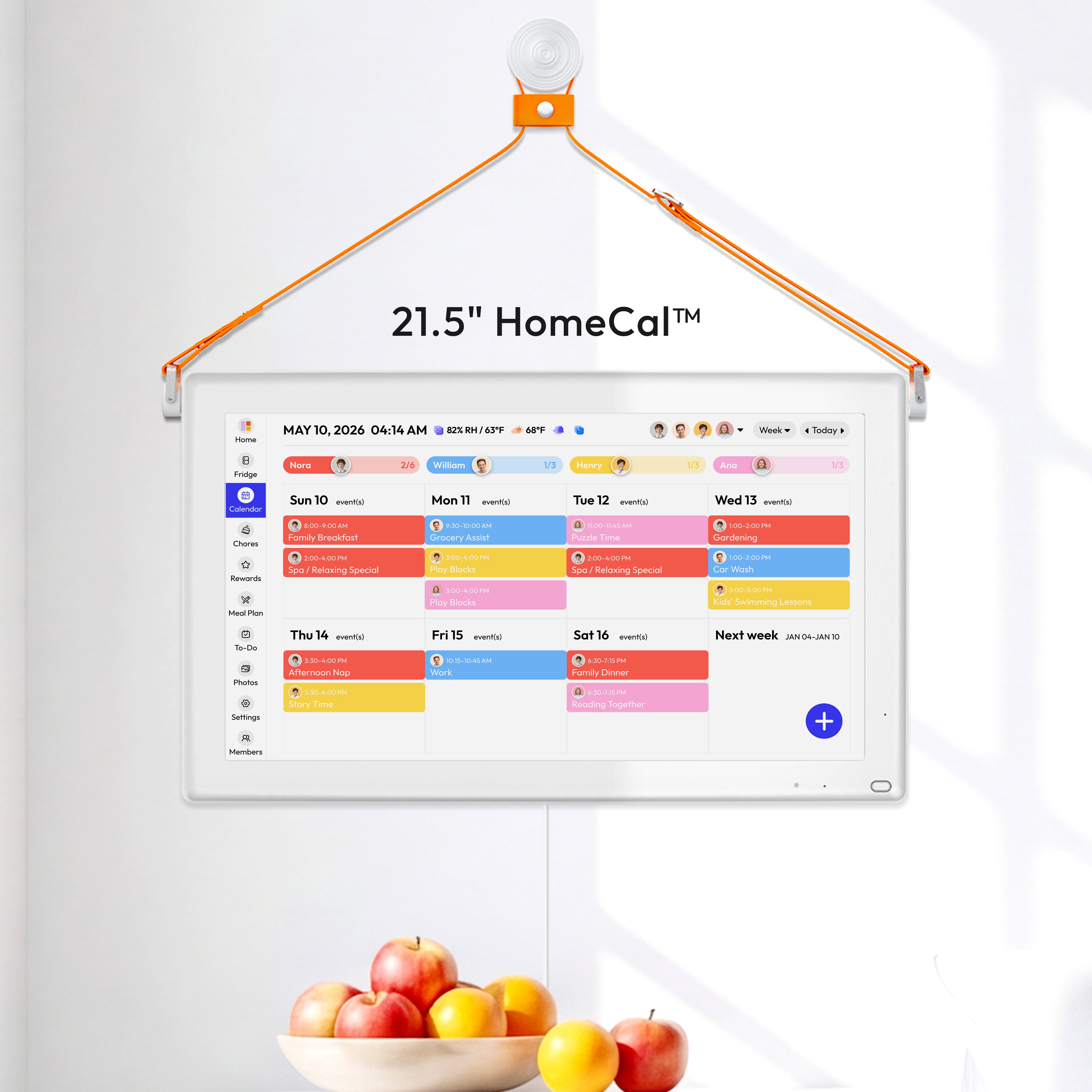
A digital chore hub helps when siblings swear it was “someone else’s turn.” Put the rotation on the family calendar, set it to recur, and mark completion right after the kitchen closes. If your child needs extra motivation, connect the completed task to a simple point system or weekly privilege. That works better than surprise nagging at 8:15 p.m.
2. Setting the Dinner Table
This job is short, concrete, and easy to repeat, which makes it one of the best daily entries on any list of chores for kids. Children as young as 6 can usually handle a basic place setting if the family keeps the routine simple.
The biggest benefit isn’t the table itself. It’s the habit of preparing for other people. Kids learn to notice what a shared meal needs before they sit down to enjoy it.
Keep the setup predictable
Children do better when dinner prep follows the same sequence each night. If the routine changes constantly, table setting turns into guesswork. A place-setting card, a laminated sample, or even one correctly set spot left at the table gives them a visual model.
A good family rhythm looks like this:
- Use one reminder time: Tie the task to a set point in the evening, such as right before dinner prep finishes.
- Keep the checklist short: Plate, fork, spoon, napkin, cup. Add extras only when those basics are automatic.
- Rotate fairly: Daily rotation prevents one child from becoming the permanent “helper.”
This is also where digital tools earn their place. Voice entry is handy because a parent can quickly add “set table” while cooking instead of stopping to write a note. If your meal planning is already visible on the family hub, kids can also see whether they need bowls for soup, smaller plates for sandwiches, or serving spoons for pasta night.
Some families overcomplicate this chore by aiming for formal table etiquette from day one. That usually backfires. Start with readiness and completeness. Once the child can set the table without prompting, then you can teach details like utensil order and serving pieces.
A useful standard is “ready for dinner,” not “magazine-perfect.”
3. Sorting and Folding Laundry
Laundry works best when it stops being one giant household project and becomes a chain of smaller responsibilities. Younger children can sort by color or owner. Older children can fold, stack, and put away their own clothes.
This is one of the clearest examples of how a chore should grow with the child. At first, they match socks and separate towels. Later, they handle their full basket from dryer to drawer.
Break the job into stages
Families often say their child “hates laundry,” but what they usually mean is that the task feels too big and too vague. A digital chore manager helps by splitting it into actions instead of calling the whole pile “do laundry.”
A workable breakdown is:
- Sort the load: Lights, darks, towels, or individual family baskets.
- Fold the basics: Start with washcloths, towels, pajama pants, and T-shirts before fitted sheets.
- Put items away: The final step matters. Folded laundry abandoned on the couch isn’t finished.
This is also a chore where demonstration matters. Kids need to see how to fold a shirt, how to stack pants, and where each category belongs. Don’t assume they’ll invent an efficient system.
This folding demo can help if your child learns better by watching:
One thing that works surprisingly well is assigning each child a dedicated laundry basket and a fixed laundry day. That increases ownership and cuts down on the endless “Whose clothes are these?” pileup. If you use rewards at all, reward completion of the full sequence, not just the folding part. The hardest part for many kids is putting everything away.
4. Feeding Pets and Refilling Water Bowls
Pet care is one of the few chores children rarely question once it becomes routine. Animals need food and water every day, and kids understand that quickly. That makes this a strong early responsibility, especially around age 6 and up.
The key is treating it as care, not a casual favor. A child who feeds the dog or refills the cat’s water bowl is responsible for a living creature, which changes the tone of the task.

Build the routine around the animal
This job works best at fixed times, usually morning and evening. If a family leaves pet care “for sometime later,” it gets skipped. I prefer tying it to anchor points like before school and after dinner.
A few practical guardrails make a big difference:
- Use a marked scoop or cup: Kids often overfeed when the portion isn’t obvious.
- Add a visual check: Bowl filled, water refreshed, area left tidy.
- Assign by animal if needed: In homes with multiple pets, one child can own the dog routine while another handles the rabbit or cat.
Families who want more structure sometimes use a simple pet care contract for kids so expectations are clear before a child takes on daily animal care. If the pet is still young, Pet Magasin’s puppy care guide is a reminder that younger animals may need closer adult oversight and more specialized routines.
Children usually respond well to streak tracking here because pet care is naturally repetitive. Just be careful not to make the points more important than the animal. The reward should reinforce consistency, not replace empathy.
When a child forgets, don’t call them lazy. Tighten the routine. Daily care chores fail because the system is loose, not because the child is incapable.
5. Tidying Bedrooms and Making Beds
Room tidying sounds simple, but it’s where many chore systems fall apart. Parents say “clean your room,” children hear a giant undefined project, and nothing meaningful happens. Narrow the task and it gets easier fast.
For most kids, the bed is the best starting point. It’s visible, finite, and gives the room an instant reset. Even younger children can pull up a blanket, straighten a pillow, and build a basic morning habit.
Don’t use “clean your room” as the assignment
A room reset should be broken into a few concrete actions. I like four: make bed, put dirty clothes in the hamper, return toys or books to their places, and clear the floor. That’s enough to create order without turning the morning into a battle.
If you need a more visible structure, this family chore chart setup guide is useful for showing children exactly what belongs on a daily chart versus a weekly deep-clean list.
What works:
- Use the same order every day: Bed first, then floor, then clothes, then surfaces.
- Keep the morning version short: Save shelf organization and under-bed cleanouts for weekly resets.
- Use photos if needed: A picture of “room reset complete” helps younger kids more than a paragraph of instructions.
What doesn’t work:
- Perfection-based inspections: If the blanket is slightly crooked but the room is functional, count the win.
- Random standards: Kids lose trust when “clean enough” changes every day.
- Massive weekend catch-up sessions: They create dread and teach avoidance.
One proven reason to keep chores in the routine is that AACAP’s chores guidance summarizes research showing that children who regularly do age-appropriate chores can develop stronger self-esteem and resilience over time. In practice, room care teaches a child that their own space is part of their responsibility, not a service managed by someone else.
6. Clearing and Wiping Down the Dinner Table
A meal isn’t finished when the last bite is eaten. Children need to learn that eating and cleaning up belong together. This single rule prevents a lot of family resentment.
Table clearing also works well because it’s immediate. Kids can see the mess, remove it, wipe the surface, and leave the kitchen ready for the next person.
Turn the end of dinner into a sequence
This job goes more smoothly when each child knows exactly what “done” means. Without that, they carry one cup to the sink and announce completion.
A strong sequence looks like this:
- Clear dishes first: Plates, cups, utensils, and serving items go to the right place.
- Brush crumbs and wipe surfaces: Use a crumb brush, cloth, or sponge that’s easy for kids to handle.
- Reset the area: Return placemats, push in chairs, and leave the table ready for the next meal.
In larger families, assigning one child to clear and another to wipe keeps everyone moving. In smaller households, one child can do the full sequence while a parent handles pots and pans. Either way, make it an expectation. If a child ate at the table, they help restore it.
A timer can help if your evenings drag, but avoid turning every cleanup into a race. Speed matters less than completing the sequence properly. The cleaner rule is better: no one is fully done with dinner until the table is reset.
Shared meals create shared cleanup. That expectation should be calm, regular, and boring.
If you’re using a digital hub, this is a good recurring post-dinner task because it belongs at the same time every night. Consistency beats intensity here.
7. Watering Plants and Basic Gardening
Plant care is slower than most chores, and that’s exactly why it helps. Children don’t get an instant reward the way they do with a wiped table or an empty trash can. They learn attention, patience, and follow-through.
This job works especially well for kids who like ownership. Give one child the fern by the window, another the basil pot on the patio, and another the small garden bed near the fence. A named responsibility tends to last longer than a vague “help outside.”
Give each child something to own
The best plant chores are specific. “Water the plants” is broad. “Water the two porch containers on Saturday morning” is clear.
A manageable setup includes:
- Assign a specific plant or zone: Ownership reduces confusion.
- Create a simple care cue: Dry soil, drooping leaves, or a weekly schedule.
- Track growth visually: Photos help kids connect the routine to the result.
This is one place where a family media hub is useful. Monthly photos of a tomato plant, herb pot, or sunflower patch make the chore feel real. Children can see whether regular care changes anything.
Another advantage is that gardening jobs scale well. Younger kids water with a small can. Older kids can weed, sweep the patio, deadhead flowers, or help harvest herbs for dinner. If your family wants chores to feel less like punishment and more like contribution, plant care is a strong choice.
Some children will overwater at first. Others will forget entirely. Both are normal. Keep the tools accessible, write down the schedule, and make the care instructions simple enough to follow without a parent standing nearby.
8. Organizing Toys, Books, and Personal Items
This chore matters because clutter expands to fill every available surface. If children don’t learn how to sort and return their things, the whole home starts carrying that burden.
The mistake many adults make is trying to organize while children are still attached to every item on the floor. Slow down. First establish where things belong. Then ask for cleanup.
Order needs visible homes
Children can’t maintain a system that doesn’t exist. Bins, baskets, shelves, and labels do most of the heavy lifting. Once categories are obvious, organization becomes much more teachable.
Try a simple approach:
- Group by type: Books with books, art supplies with art supplies, building toys with building toys.
- Work one zone at a time: One shelf, one bin, or one corner prevents shutdown.
- Use donation as part of organizing: Keeping everything usually means managing chaos forever.
This is also a strong candidate for before-and-after photos. Kids often feel like they “didn’t do much” until they can compare the space visually. A family hub that stores those photos can turn cleanup into visible progress instead of one more forgotten task.
One caution: don’t schedule this as a daily whole-room overhaul. Weekly is usually enough for a deeper sort, with shorter daily resets for obvious mess. If you push too much organization work too often, children start resisting before you even finish the sentence.
For younger kids or neurodiverse kids, smaller steps matter even more. A gap noted in this chore resource discussing special-needs adaptations is that many chore lists ignore how much better some children respond to micro-steps, visual cues, and sensory-friendly tools. “Put books on shelf” and “cars in blue bin” may work far better than “clean up your stuff.”
9. Taking Out Trash and Recycling
Trash duty is practical, slightly unpleasant, and highly useful. That’s exactly why it belongs on a household chore list. Children need some jobs that feel less “fun” and more like real home maintenance.
This task usually works best for older kids because bags can be heavy and outdoor bins can be awkward. Even then, you can scale the assignment. A younger child might gather small room bins while an older child handles the outdoor cans.
Pair the task with the pickup schedule
Trash chores fail when no one knows which night matters. Put the pickup day where everyone can see it, then connect the indoor task to that deadline. A reminder the evening before is often enough.
A clean system includes:
- One child takes household trash: Bathroom bins, bedroom bins, kitchen overflow.
- One child handles recycling: Bottles, cardboard, paper, and whatever your local rules allow.
- Use a visual sorting guide: Kids get better when the categories are obvious.
This is also a good blended-family or co-parenting chore because pickup schedules vary by home. If the calendar is shared and visible, children don’t have to rely on memory or wait for repeated reminders.
Families often miss the teaching opportunity here. Trash and recycling aren’t just “take the bag out.” They’re a lesson in household upkeep and waste habits. Explain what belongs where. Show why flattened cardboard matters. Keep the expectations concrete.
A lot of static chore lists stop at naming the job. The bigger challenge is keeping everyone engaged in the system. One market-gap summary in Andrea Dekker’s chores article notes growing parent interest in digital chore tools and hybrid systems that combine visibility with motivation, while also pointing out that some families do better with a shared wall-style view than with phone-only app routines. That tracks with what works in real houses. If kids can’t see the assignment easily, the parent ends up carrying the mental load again.
10. Unpacking Groceries and Restocking Pantry
Grocery unpacking is an underrated chore. It’s short, useful, and teaches children how a kitchen is organized. It also lets them participate in family logistics instead of only consuming what appears on the shelf.
This job works well right after a shopping trip because the task is already in motion. Bags come in, cold items need to move fast, and everyone can help for a few focused minutes.
Teach the kitchen map
Most children don’t struggle because unpacking is hard. They struggle because they don’t know where things go. Once the pantry and fridge have predictable zones, this becomes one of the easiest practical chores to repeat.
A simple kitchen map might include:
- Cold items first: Frozen and refrigerated foods get put away before anything else.
- Group by category: Breakfast foods together, snacks together, baking items together.
- Restock forward: New items behind older ones when that makes sense for your family.
This job also connects naturally to meal planning. A child can see that tortillas support taco night, fruit goes into lunch prep, and cereal belongs in the breakfast zone. That gives the chore more meaning than “put these bags away.”
If your family uses a digital grocery list and meal planner, children can see what was purchased before they unpack it and note low items by voice as they restock. That turns one chore into part of a working household system.
One practical note. Don’t hand a child six bags and walk away the first time. Supervise enough to teach where frozen food, bread, produce, and pantry staples belong. Once they know the map, they’ll move much faster and with fewer mistakes.
10-Task Kids Chore Comparison
| Task | 🔄 Implementation Complexity | ⚡ Resources & Time | 📊 Expected Outcomes | 💡 Ideal Use Cases | ⭐ Key Advantages |
|---|---|---|---|---|---|
| Loading the Dishwasher | Low, simple steps; initial supervision recommended | Low ⚡, daily/every‑other‑day; ~5–15 min; needs dishwasher | Builds organization, spatial reasoning, and kitchen hygiene | Ages 8+; rotating daily chores; kitchen workflow training | Clear start/end; safe; easy to track |
| Setting the Dinner Table | Low, straightforward routine; needs place‑setting knowledge | Very low ⚡, 5–10 min before dinner; plates/utensils required | Improves fine motor skills, etiquette, and planning | Ages 6+; nightly pre‑dinner routine; quick habit builder | Fast completion; immediate visual reward |
| Sorting and Folding Laundry | Medium, multi‑step; technique teaches needed | Medium ⚡, weekly; time varies; washer/dryer and space needed | Teaches sorting, attention to detail, and self‑care | Ages 8+ (sorting from 5); weekly laundry schedule | Scalable by age; promotes independence |
| Feeding Pets & Refilling Water | Low, routine task with simple steps | Very low ⚡, ~5 min per feeding, once/twice daily; food/water needed | Builds empathy, responsibility, and daily routine | Ages 6+; daily reminders (AM/PM); good for habit formation | High motivation from pet feedback; strong routine reinforcement |
| Tidying Bedrooms & Making Beds | Low–Medium, can be simple or comprehensive | Low ⚡, daily morning; ~5–20 min depending on scope; storage needed | Develops personal responsibility and organizational habits | Ages 5+; part of morning routine; progressive tasks by age | Starts day with accomplishment; reduces parental reminders |
| Clearing & Wiping Dinner Table | Low, clear checklist; immediate task after meals | Low ⚡, 10–15 min after meals; cleaning supplies required | Teaches cleaning protocols and meal completion responsibility | Ages 7+; daily after meals; shared between siblings | Immediate visible impact; fosters teamwork |
| Watering Plants & Basic Gardening | Low, routine but seasonal; simple steps | Low ⚡, weekly/bi‑weekly; watering tools and weather‑aware | Encourages stewardship, patience, and plant care knowledge | Ages 6+; weekly scheduling; outdoor/indoor learning | Connects action to growth; calming outdoor activity |
| Organizing Toys, Books & Personal Items | Medium, requires systems and decisions | Medium ⚡, weekly 20–30 min; storage bins and labels helpful | Teaches decluttering, categorization, and decision‑making | Ages 6+; weekly deep‑clean sessions; donation lessons | Reduces clutter; builds lifelong organization skills |
| Taking Out Trash & Recycling | Low–Medium, simple but sometimes physical | Low ⚡, weekly/bi‑weekly; bags, bins, and pickup schedule | Teaches waste sorting and household maintenance | Ages 8+; trash‑day coordination; environmental lessons | Clear completion point; family‑valued task |
| Unpacking Groceries & Restocking Pantry | Low–Medium, organizational choices needed | Low ⚡, after shopping; time varies; shelving and storage required | Develops food‑organization skills and ingredient familiarity | Ages 7+; post‑shop task; links to meal planning | Reinforces food knowledge; pairs with meal/grocery systems |
From List to Lifestyle Implementing Your Chore System
A good list of chores for kids gives you options. A good system gives you consistency. That’s the difference between a home where chores happen with some regularity and a home where the parent has to restart the whole process every three days.
The first rule is clarity. Every chore needs an owner, a time, and a finish line. “Help more around the house” is vague and impossible to enforce. “Feed the dog at breakfast and after dinner, then check the water bowl” is specific enough for a child to succeed.
The second rule is visibility. If the plan lives in your memory, you’ll keep repeating it. Shared calendars, recurring tasks, picture-based lists for younger children, and rotation schedules reduce arguing because everyone can see what’s expected. This matters even more in households with multiple children, blended schedules, or co-parenting logistics.
The third rule is scale. Don’t hand a child a full adult version of the chore on day one. Start with one repeatable piece, then add complexity after they’ve shown consistency. Children do better when success is reachable. Parents do better when they stop changing the standard every week.
Motivation matters, but it’s easy to get wrong. Rewards can help, especially for repetitive tasks, but they shouldn’t carry the whole system. The better long-term approach is a mix of routine, visible progress, and occasional privileges tied to consistency. Research summarized in Technavio’s parenting apps market analysis notes that family coordination platforms using gamification and personalized activity plans can see higher retention than basic task-tracking setups, and that many parents report children using educational and task-management apps. The takeaway for chores is practical. A system with visible progress and clear milestones tends to hold attention better than a static checklist.
Still, not every child responds the same way. Some love streaks and badges. Some find them meaningless. Some do better with a public family screen than with a phone notification. If your current system isn’t working, don’t assume your child is the problem. Adjust the format, shorten the steps, or change the timing.
For families managing technology across devices, market analysis from Roots Analysis on parenting app trends points to strong Android adoption, faster iOS growth, and continued expansion in parenting and family coordination tools. For parents, that means digital chore systems are no longer a niche idea. They’re becoming a normal way to keep family responsibilities visible and synchronized.
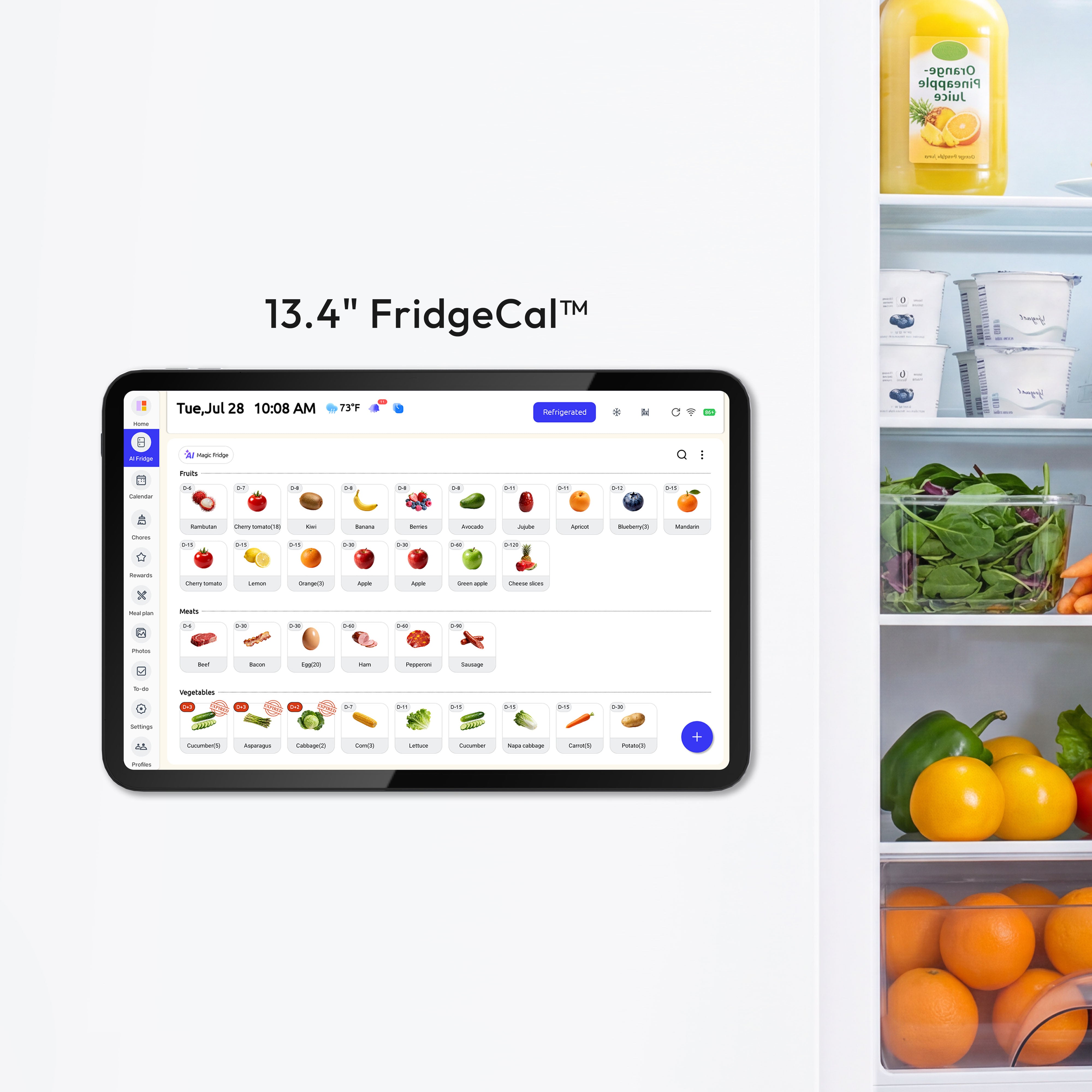
If you want to move from paper scraps and repeated reminders to a more reliable setup, a shared family hub can help. Everblog is one option that brings chores, schedules, meals, and rewards into one central display. Used well, that kind of setup doesn’t make kids responsible on its own. It only makes responsibility easier to assign, see, and follow through on.
The primary goal isn’t a spotless house. It’s a house where contribution is normal, expectations are fair, and parents aren’t carrying every task alone. Start with a few jobs, keep the standards simple, and repeat them long enough for the routine to become part of family life.
If you want one shared place to assign chores, rotate responsibilities, track completion, and keep the whole family aligned, Everblog is built for that kind of daily coordination. Its central display, Chore Manager, Rewards Tracker, and meal planning tools can help turn a loose chore list into a visible household routine that kids can follow.


