





Let's be honest—the best meal planning ideas for families have nothing to do with fancy recipes or rigid schedules. It's about creating a simple, flexible system that finally puts an end to that dreaded 5 PM dinner panic.
A good plan is a roadmap, not a rulebook. It's designed to fit into the beautiful chaos of real family life, with theme nights, planned-for leftovers, and quick-prep meals that keep you sane.
Your Blueprint for Stress-Free Family Meal Planning
We’ve all been there. Staring into the fridge, completely out of ideas, while the kids are getting restless. True meal planning isn't about becoming a gourmet chef overnight. It's about building a sustainable habit that frees up your time, saves money, and gives you back some precious mental energy.
The goal is to turn a daily chore into something that just… happens. This simple blueprint will help you get there. You can also find more great meal planning tips to guide you as you build your own system.
Establish a Weekly Rhythm
The first step is creating a predictable flow for your week. This doesn’t mean every meal is set in stone; think of it as a loose structure you can always fall back on.
-
Bring on the Theme Nights: This is a game-changer. Assigning themes like "Taco Tuesday" or "Pizza Friday" instantly narrows down your choices and kills decision fatigue. Instead of thinking "what's for dinner?" you're just thinking, "what kind of tacos?"
-
Embrace Leftover Night: Stop trying to cook 7 new meals a week. It's a recipe for burnout. Intentionally cook a double batch of something like chili or a big pasta bake. Boom—you’ve just created a built-in night off from cooking.
-
Schedule a "Flex Night": Life happens. Build in one night a week for takeout, a spontaneous dinner out with the family, or even a simple "fend-for-yourself" night with sandwiches and snacks. This makes your plan realistic and keeps it from feeling too restrictive.
A meal plan is a tool to serve you, not a contract to bind you. The most successful plans are the ones that bend without breaking.
Set Realistic Goals
Your meal plan should be a direct reflection of your family's priorities. Are you focused on saving money? Eating healthier? Or just getting dinner on the table without losing your mind?
Knowing your "why" makes it so much easier to stick with the plan. If saving money is the goal, build your week around pantry staples and sale items. If health is the top priority, make sure you're slotting in veggie-heavy dishes and lean proteins.
This simple process is all about combining a weekly rhythm with clear goals to create a framework that actually works.

Put It All Together: A Sample Week
So, what does this look like in practice? Here’s a sample blueprint that puts all these pieces together, balancing easy theme nights with leftovers and quick meals.
Your First Week's Meal Planning Blueprint
| Day | Dinner Theme | Meal Idea | Prep Note |
|---|---|---|---|
| Monday | Meatless Monday | Black Bean Burgers & Sweet Potato Fries | Cook a double batch of burgers for lunch later. |
| Tuesday | Taco Tuesday | Ground Turkey Tacos with all the fixings | Use pre-shredded cheese and lettuce to save time. |
| Wednesday | Leftover Night | Leftover Tacos or Taco Salad | The easiest night of the week! No cooking required. |
| Thursday | Pasta Night | Spaghetti and Meatballs | Cook a double batch of meatballs for the freezer. |
| Friday | Flex Night | Takeout Pizza | Give yourself a break! You've earned it. |
| Saturday | Grilling Night | Grilled Chicken, Corn on the Cob, Salad | Marinate the chicken in the morning for more flavor. |
| Sunday | Soup & Sandwiches | Tomato Soup with Grilled Cheese | A classic comfort meal to end the week. |
This isn't a rigid script—it's an example of how a little structure can create a lot of freedom. By putting this simple system in place, you’ll quickly find that mealtime can shift from a source of daily anxiety to a moment of calm connection with your family.
Building a Budget-Friendly Pantry for 2026
 With food costs climbing, a well-stocked pantry isn't just a convenience—it's your first line of defense for a family on a budget. The secret to making affordable, delicious meals starts long before you ever preheat the oven. It begins with what’s already on your shelves.
The whole game is about shifting your focus to versatile, price-resilient staples. Think of the pantry workhorses that form the backbone of a thousand different recipes: dried beans, lentils, rice, pasta, and canned fish. These are the ingredients that offer incredible bang for your buck and are less likely to see dramatic price spikes.
Start with a Pantry Audit
Before you even dream of writing a grocery list, you need to shop your own kitchen. I’m talking about a full "pantry audit"—taking stock of every can, box, and bag you own. It’s a simple exercise, but it's the single most effective way to stop buying duplicates and slash food waste.
Group everything by category so you can see it all at a glance. You might be surprised to find three half-empty bags of quinoa or a forgotten can of chickpeas from months ago. These aren't clutter; they're the building blocks for your next few meals, saving you money right away.
Build Your Meals Around Budget Staples
Once you know your inventory, you can flip the script on meal planning. Instead of picking a recipe and buying all new ingredients, you start with the staples you already have and get creative.
It's amazing how a few core items can stretch across an entire week:
- Roast Chicken: A Sunday roast easily becomes shredded chicken for tacos on Tuesday and the base for a hearty chicken noodle soup on Thursday.
- Canned Beans: One can of black beans can be mashed into burgers, stirred into a soup for extra protein, or simply served with rice for a quick, filling dinner.
- Pasta: It’s the ultimate foundation. Pair it with a simple jar of tomato sauce, leftover veggies from the crisper, or some canned tuna for a meal in minutes.
Having a solid stock of these core ingredients means you're never truly starting from scratch. You always have the makings of a wholesome meal, which is a massive relief on those chaotic weeknights.
For a deeper dive into making your grocery budget stretch even further, check out our complete guide on family meal planning on a budget.
Swap Costly Habits for Smarter Strategies
Even small shifts in your grocery routine can add up to big savings. With economic forecasts for 2026 pointing toward continued price instability, more families are leaning on staples like chicken and beans, which hold their value better than items like milk or eggs. As real mom Katrina Tomacchio suggests, it's about swapping impulse buys for smart plays, like working more bean-heavy recipes into your rotation to bring in new cultural flavors.
For families trying to get everyone involved, Everblog’s built-in Chore Manager can assign prep tasks to the kids, and the Rewards Tracker makes helping out feel like a game. You can find more of these insights about 2026 food trends on tablemagazine.com.
This pantry-first strategy is one of the most powerful meal planning ideas for families wanting to get a handle on their grocery spending. It isn't about cutting back—it's about becoming more resourceful with affordable, nutritious foods you already have.
Mastering Time-Saving Meal Prep Techniques
 Let's be honest: the secret to a smooth week isn't magically finding more time. It’s about being smarter with the time you do have. This is where efficient meal prep becomes one of the most powerful meal planning ideas for families, turning that chaotic "what's for dinner?" panic into a simple act of assembling and reheating.
This doesn't mean you're chained to the kitchen all day Sunday. Not at all. It's about making a few strategic moves that pay off massively when you’re tired and hungry on a Wednesday night. The goal is to find a rhythm that actually fits your family’s schedule and energy.
Find Your Meal Prep Style
There’s no single "right" way to do this. What works for one family might not work for yours. The two most common approaches tackle different pain points, so think about where you feel the most stress during the week.
-
Component Prep: I think of this as the ultimate time-saver for weeknight cooking. Instead of making complete meals, you’re just preparing the building blocks. This means chopping all your veggies, mixing up marinades, cooking a big batch of quinoa, or browning ground beef ahead of time. When dinner rolls around, most of the tedious work is already done.
-
Full Meal Prep: This is exactly what it sounds like—cooking entire meals in advance and portioning them out. This method is a lifesaver for packed lunches or for families with super predictable, hectic evenings. You just grab a container, heat it up, and you’re good to go.
A great way to get started is to combine both. Maybe you prep full lunches for the week but stick to component prep for dinners. That way, you still have flexibility for what you feel like eating.
A Sample Weekend Prep Schedule
Setting aside just a couple of hours over the weekend can completely change the tone of your week. This isn't a strict rulebook, but it gives you an idea of what’s possible in a short, focused window of time.
Here’s what a two-hour session could look like:
- The First 30 Minutes: Start by washing and chopping all your produce for the week—onions, bell peppers, broccoli, you name it. Get them into airtight containers and into the fridge.
- The Next 45 Minutes: Get a versatile protein cooking, like a big batch of shredded chicken, and a staple grain on the stove, like brown rice or pasta. These can be used for anything from salads to tacos to soups.
- The Final 45 Minutes: Use this time to assemble one full meal for a busy night, like a lasagna or shepherd's pie that just needs to be baked. You can also whip up a batch of easy snacks like hard-boiled eggs or no-bake energy bites.
For bigger households, these strategies are absolutely essential. We break down even more specific tips in our guide on meal prep for large families.
Make Your Freezer a Powerful Ally
Your freezer is so much more than a place to store ice cream and forgotten leftovers. It’s one of your best tools for getting quick, nutritious meals on the table.
In fact, modern meal planning really hinges on using the freezer well. A recent report from the Food Industry Association (FMI) showed that 77% of shoppers are now buying frozen foods with a specific meal already in mind. It's a smart strategy for tackling both busy schedules and tight budgets, with 37% of families using frozen items to cut down on food waste. If you're interested, you can read more in the FMI's 2026 findings on fmi.org.
By getting these prep techniques down, you’ll reclaim so much precious family time and finally bring a sense of calm back to your kitchen.
Winning Over Picky Eaters and Dietary Needs
Let's be honest: trying to feed a family with picky eaters or different dietary needs can feel like you're running a short-order restaurant where every customer is unhappy. It's exhausting. But you don't have to be stuck making three different dinners every night.
The secret is to shift your mindset from "cook for everyone" to "plan for everyone." It all starts with the division of responsibility. This concept is a lifesaver. You decide what food is served and when it’s served. Your child gets to decide if they eat and how much. It’s that simple. This single change takes the power struggle right off the table.
Try Deconstructed Meals
One of the best tools in my playbook is the deconstructed meal. Instead of a finished plate, you serve all the components separately and let everyone build their own meal. It's empowering for kids and a massive time-saver for you.
Think of it like a DIY dinner bar:
- Taco Night: A bowl of seasoned ground turkey, another of black beans, plus shredded lettuce, diced tomatoes, cheese, and a stack of hard and soft shells. Everyone builds their own masterpiece.
- Build-Your-Own Bowls: Start with a base of rice or quinoa. Then offer toppings like roasted chicken, corn, avocado, and salsa.
- Pasta Bar: Serve plain pasta with a couple of sauce options (marinara, pesto), meatballs on the side, and maybe some steamed broccoli.
This approach makes new foods feel less intimidating because they're just one option among many familiar favorites.
Use Food Bridging for New Tastes
Getting a picky eater to even try something new can feel like a monumental task. That's where food bridging comes in. It’s a gentle technique where you introduce a new food that’s similar to something they already love.
If your kid loves sweet potato fries, try offering butternut squash fries. If chicken nuggets are a hit, maybe introduce small, lightly seasoned pieces of pan-fried chicken breast. It’s all about making small, logical connections.
The goal is progress, not perfection. Every small step—even just touching or smelling a new food—is a victory on the path to becoming a more adventurous eater.
For families managing specific health needs, finding the right resources is key. Looking into things like sustainable diabetic meal prep ideas can give you a fantastic blueprint for meals that are both safe and delicious.
Convenience is also playing a bigger role. Meal delivery kits are catching on, and nutrition trends for families on goodhousekeeping.com show that by 2026, we'll see even more services with kid-friendly filters and hidden-veggie options. These kits aren't a replacement for planning, but they can be a brilliant tool in your weekly roadmap, especially on busy nights.
Getting Your Plan into a Digital Hub

If your meal plan lives on sticky notes, random texts, and inside your own head, you know the chaos. Forgotten ingredients, last-minute trips to the store, and texts about who was supposed to buy milk—it's exhausting. To make this system work, you need a central, shared hub where the entire family can see what's happening.
This is where you stop being the sole keeper of all meal-related information. A digital system takes your plan from a personal to-do list and turns it into a resource for the whole family, bringing your weekly themes, recipes, and shopping needs into one clear space.
Set Up a Shared Family Meal Calendar
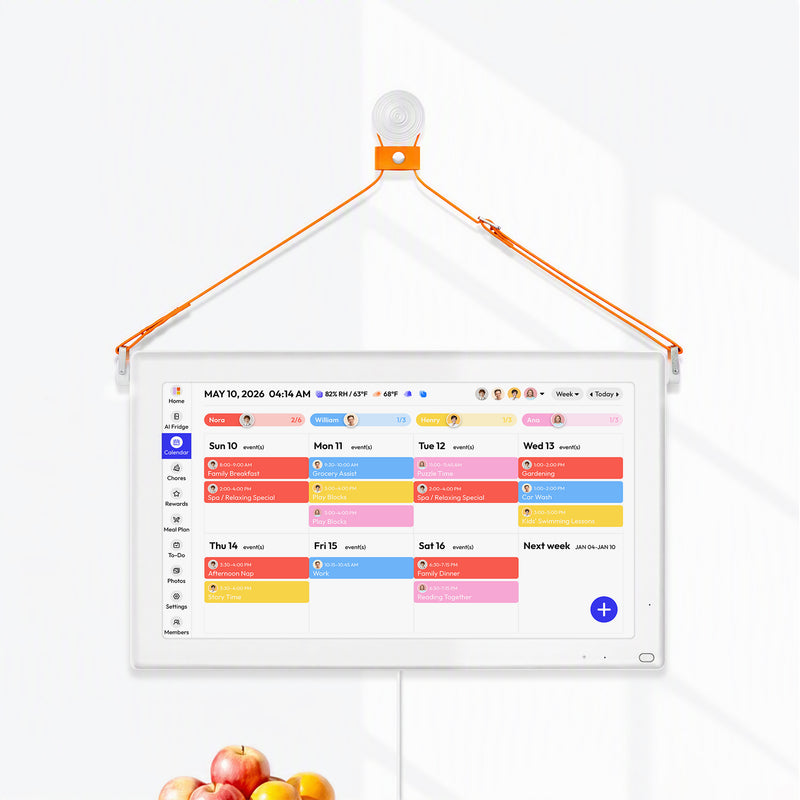
First things first: get your weekly themes and meal ideas onto a shared calendar. The moment everyone can see what’s for dinner at a glance, the endless questions stop. No more "what's for dinner?" texts at 4 PM.
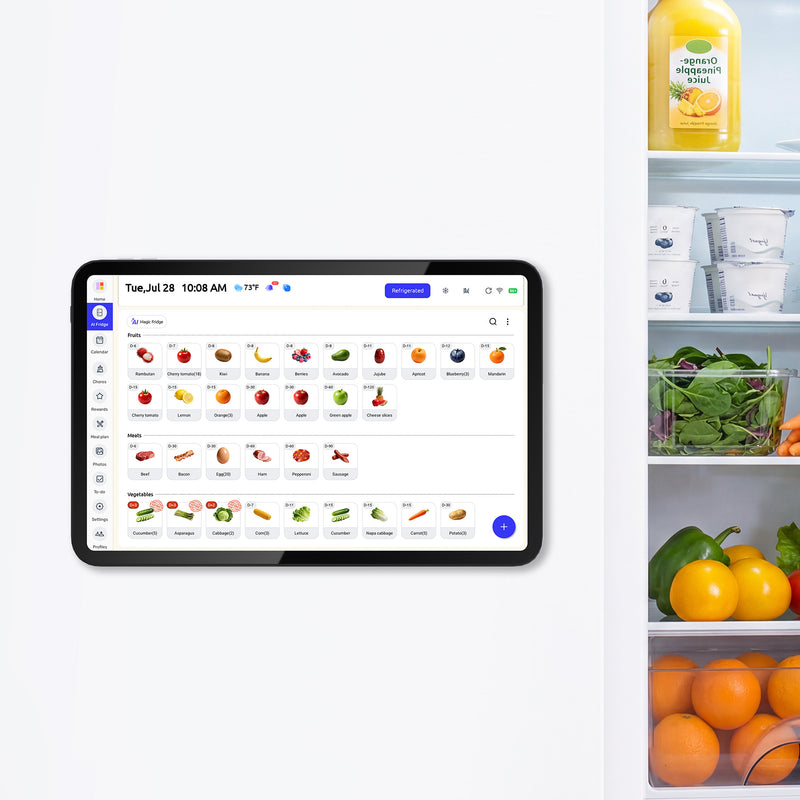
Everblog’s Meal Planner is perfect for this. You can slot in your meals for the week, link directly to recipes, and add any important notes. It gives everyone—including older kids who can check for themselves—a clear view of the plan, which is a huge step in managing expectations.
The Magic of a Collaborative Grocery List
This is the real game-changer. A collaborative grocery list puts an end to the frantic "do we have any bread?" scramble right before you leave for the store. It empowers everyone in the family to contribute the moment they notice something is running low.
When your teenager finishes the yogurt or your partner uses the last of the olive oil, they can add it to the list right then and there.
- Instant Updates: The list syncs across everyone's devices, so it’s always up-to-date.
- Voice Entry: You can add items just by speaking to your device—a lifesaver when you're in the middle of cooking and can't stop to type.
- Less Food Waste: When you shop from a precise, real-time list, you buy only what you need. That means less overbuying and fewer sad, forgotten vegetables in the crisper.
A shared list distributes the responsibility for keeping the house stocked. It's a small change that builds a huge sense of teamwork and takes a little more off your plate.
A shared digital hub is one of the most effective meal planning ideas for families trying to get organized. For a deeper dive into streamlining your shopping, check out our post on the benefits of using a grocery list app for family life.
Weave Meal Prep into Family Chores
Once your system is connected, you can do more than just plan meals—you can delegate the work. By linking your meal plan to a family chore manager, you can start assigning prep tasks to other family members.
For instance:
- Assign "chop veggies for Taco Tuesday" to your teen for after school.
- Ask your partner to "marinate the chicken for Saturday" on Friday evening.
This approach doesn't just lighten your load; it teaches kids valuable life skills and reinforces that putting a meal on the table is a team effort. Centralizing your plan with a digital tool isn't just about organization; it’s about creating a support system for a calmer, more connected home.
Common Questions About Family Meal Planning
Okay, so you’ve mapped out a beautiful week of meals. Then Tuesday hits, and real life happens. Even the best meal plan runs into roadblocks, and it’s easy to get discouraged when things don't go perfectly.
Let's talk about the most common questions that pop up. I’ve been there, and these are the real-world solutions that actually work.
How Can I Start Meal Planning with No Extra Time?
I get it—the thought of adding one more task to an already overflowing plate feels impossible. But the secret isn’t to suddenly find hours of free time. The key is to start ridiculously small.
Forget about planning seven unique, gourmet dinners. For your first week, just plan three. Seriously, only three. Stick to recipes you know by heart, the ones that require zero brainpower. Things like "Taco Tuesday" or "Pasta Night" are your best friends here because they eliminate the agonizing "what's for dinner?" decision. Even this tiny step saves you from that 5 PM panic.
What If My Family Complains About the Planned Meals?
This is probably the number one reason new meal planning habits fail. The minute you hear, "Ugh, this again?" it can feel completely defeating. The fastest way to solve this? Bring them into the process.
When kids (and spouses!) have a say, they have a sense of ownership, and the complaints drop dramatically.
- Let each kid pick one dinner for the week (with your final approval, of course).
- Use a shared digital planner like the one in Everblog so everyone can see the menu in advance. No surprises.
- Offer a vote between two dinner options for a specific night.
It’s less about you being a short-order cook and more about everyone feeling like they're part of the team.
How Does Meal Planning Actually Save Money?
This is a big one. Meal planning is one of the most effective budgeting tools because it stops three major money pits in their tracks: last-minute takeout, impulse buys at the grocery store, and food waste.
When you walk into the store with a list based on your plan, you're on a mission. You're far less likely to be tempted by shiny packages you don't actually need. Plus, a good plan ensures you use what you buy. That roast chicken from Monday becomes the hero of Wednesday's chicken salad sandwiches. You're maximizing every single dollar.
Think of your meal plan as a helpful suggestion, not a strict rulebook. The goal is to reduce stress, not add to it. A good plan has built-in flexibility.
How Do I Stay Flexible with a Meal Plan?
A meal plan should be a safety net, not a cage. If it feels too rigid, you'll abandon it. So, you have to build flexibility right into your week.
The easiest way is to schedule a "flex night." This is your designated evening for leftovers, a spontaneous pizza night, or a simple "fend for yourself" meal where everyone grabs what they want.
And let's be clear: it is perfectly fine to swap days. If you're not in the mood for the fish you planned for Tuesday, just move it to Thursday. The plan is your fallback, your default option that keeps your week running smoothly even when you go off-script.
Transform your family's daily routine with Everblog, the all-in-one digital command center that brings your schedules, chores, and meal plans into one beautiful display. Say goodbye to scattered notes and hello to a calmer, more connected home. Start your journey toward stress-free organization at https://everblog.com.


