






To plan a menu on a budget, set a weekly spending limit, check what you already have, and price the missing ingredients before shopping. Choose meals that share ingredients, but leave room for a night when cooking does not go to plan.
The example below shows seven dinners for four people, a $42.50 grocery basket, and estimated ingredient costs for each meal. These are illustrative US-dollar prices for a budgeting exercise—not current store quotes or a recommended household food allowance. Replace them with your local prices and adjust quantities for appetite and dietary needs.
Set a Weekly Food Budget Before Choosing Meals
Start with recent receipts. Separate groceries from takeout, restaurant meals, and household supplies so you know what your budget includes.
If you budget monthly, convert it this way:
Weekly allowance = monthly food budget × 12 ÷ 52.
For example, $780 a month averages $180 a week. Dividing by four would give $195 and overshoot the annual budget if spent every week.
Here is one hypothetical allocation for a family of four:
| Category | Weekly allocation |
|---|---|
| Dinner groceries | $50 |
| Breakfasts, lunches, snacks, and drinks | $110 |
| Price changes or extra food | $20 |
| Total | $180 |
This is an allocation example, not proof that $180 meets every family's needs. The dinner plan below is fully priced; the other meals still need their own shopping list. If takeout comes from the same budget, reserve money for it before assigning the rest to groceries.

Shop Your Kitchen First
Check the refrigerator, freezer, and pantry before adding anything to the list. Write down usable quantities, not just ingredient names: “one pound of dry rice” is more useful than “rice.”
Give each item a job. Potatoes might cover two dinners; a bag of vegetables can serve several meals. Leave food with uncertain storage history out of the plan.
Kansas State University Extension's menu-planning handout recommends planning menus, organizing a shopping list, and comparing unit prices. Those steps are useful starting points; they do not establish a guaranteed percentage saving.
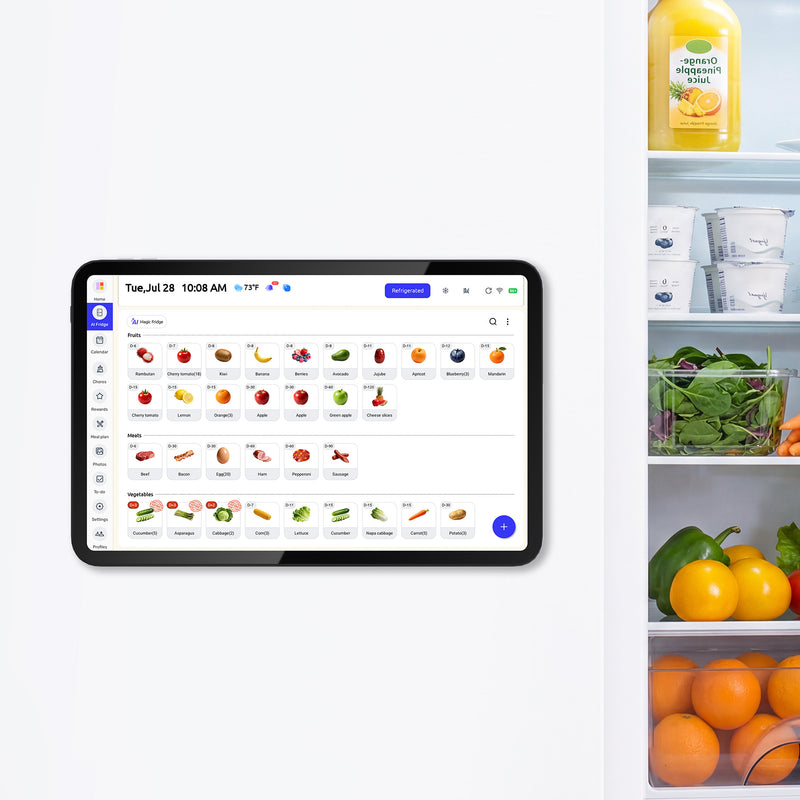
If food keeps disappearing behind other containers, use a short leftover and ingredient tracking list. Record the amount, location, and preparation or opening date so the next person can use it.
A Budget Grocery List for Seven Family Dinners
This example assumes an empty pantry for the listed ingredients. It includes oil and seasoning so they are not silently treated as free. Water is excluded, as are tax, delivery fees, energy, and optional toppings.
| Ingredient | Quantity purchased | Illustrative package cost |
|---|---|---|
| Boneless chicken | 3 lb | $9.00 |
| Dry rice | 2 lb | $2.00 |
| Dry pasta | 1 lb | $1.50 |
| Potatoes | 5 lb | $4.00 |
| Canned beans | Four 15-oz cans | $4.00 |
| Canned tomatoes | Two 14.5-oz cans | $2.00 |
| Eggs | 12 | $3.00 |
| Medium tortillas | 10 | $2.50 |
| Shredded cheese | 8 oz | $2.50 |
| Frozen mixed vegetables | 4 lb | $6.00 |
| Onions | 2 lb | $2.00 |
| Cooking oil | 16 fl oz | $3.00 |
| Seasoning blend | One jar | $1.00 |
| Checkout total | $42.50 |
At these assumed prices, the basket leaves $7.50 within the example's $50 dinner allocation. If your local total exceeds that allocation, change the meals or move money from another category before checkout.
Already have the full quantities of rice, oil, and seasoning? Buying the remaining items would cost $36.50 instead. That lowers this week's cash outlay by $6, but the pantry ingredients still have a cost and will eventually need replacing.
A 7-Day Menu With Estimated Meal Costs
All quantities below are for the whole dinner, intended to be divided among four people. Chicken weights are raw; rice and pasta weights are dry. Beans refer to the cans purchased above, drained as needed. These are planning quantities, not individualized nutrition targets or complete recipes.
Meal costs use the price of the portion consumed, rather than charging a whole bottle of oil to one dinner. Each meal includes $0.05 of seasoning as a costing assumption.
| Day | Dinner and ingredient quantities | Cost for four | Approx. per person |
|---|---|---|---|
| Monday | Chicken with potatoes and vegetables: 1.5 lb chicken, 2 lb potatoes, 1 lb vegetables, 0.25 lb onion, 1 fl oz oil | $8.09 | $2.02 |
| Tuesday | Tomato-bean rice bowls: 2 cans beans, 0.5 lb rice, 1 can tomatoes, 0.25 lb onion, 0.5 fl oz oil | $3.89 | $0.97 |
| Wednesday | Chicken and tomato pasta: 1.5 lb chicken, 1 lb pasta, 1 can tomatoes, 0.5 lb vegetables, 0.25 lb onion, 0.5 fl oz oil | $8.14 | $2.04 |
| Thursday | Potato and egg skillet: 6 eggs, 1.5 lb potatoes, 0.5 lb vegetables, 0.25 lb onion, 1 fl oz oil | $3.94 | $0.98 |
| Friday | Bean-and-cheese quesadillas with vegetables: 10 tortillas, 1 can beans, 8 oz cheese, 0.5 lb vegetables, 0.5 fl oz oil | $6.89 | $1.72 |
| Saturday | Bean-topped baked potatoes: 1.5 lb potatoes, 1 can beans, 0.5 lb vegetables, 0.5 lb onion, 1 fl oz oil | $3.69 | $0.92 |
| Sunday | Freshly cooked rice with eggs and vegetables: 0.5 lb rice, 6 eggs, 0.5 lb vegetables, 0.5 lb onion, 1 fl oz oil | $3.49 | $0.87 |
| Seven dinners | 28 planned portions | $38.13 | $1.36 average |
Costs are rounded independently to the nearest cent, so multiplying a rounded per-person figure may differ slightly from the family total. Add any extra servings, sauces, sides, or substitutions to the budget.
Why the Meal Total Is Lower Than the Grocery Total
The basket costs $42.50, but these dinners use approximately $38.13 of ingredients. The remaining $4.37 is in uncooked rice, frozen vegetables, oil, and seasoning for another meal. It is stock on hand—not money returned to your wallet.
For example, Monday's chicken costs $4.50, potatoes $1.60, vegetables $1.50, onion $0.25, oil about $0.19, and seasoning $0.05: approximately $8.09 in total.
Keep both figures in your plan:
- Checkout cost tells you whether you can afford the shopping trip.
- Ingredient cost per meal helps you compare dinners and account for what you use.
Buying a larger package can lower the unit price while increasing today's bill. Choose it only if it fits your cash budget and you have a use and storage space for the remainder.
Reuse Ingredients Without Keeping Leftovers All Week
Sharing ingredients does not mean serving the same cooked batch for seven days. This menu uses newly cooked rice on Sunday, rather than rice left in the refrigerator since Tuesday.
If shopping on Sunday, freeze the chicken intended for Wednesday and thaw it safely before cooking, or buy that portion later. FoodSafety.gov's cold-storage chart lists 1–2 refrigerated days for raw chicken pieces and 3–4 days for cooked meat or poultry, at 40°F or below.
For batch cooking, decide on the second meal before preparing the first. Our cook once, eat twice guide offers ways to organize that handoff. Choose refrigerator or freezer storage based on the food and when you will use it; a weekly menu is not a storage deadline.
Make the Menu Fit the Week You Actually Have
A theme such as taco night or pasta night can narrow your choices, but it does not guarantee a spending reduction. Price the ingredients before deciding that a theme is cheap.
Put the meal requiring the most preparation on a night when someone can cook it. Keep a simple backup meal in the budget, and freeze suitable ingredients if plans change before they are used.
If the basket is too expensive, try these adjustments:
- Replace one meal, then recalculate. A bean-based dinner may cost less than the chicken dish at your store, but check the full recipe and the portions you need.
- Choose an ingredient with another use. A sauce purchased for one spoonful can raise the checkout total considerably.
- Price convenience honestly. Ready-cut vegetables or a prepared component may fit a busy night. Include their actual cost instead of assuming everyone can cook from scratch daily.
- Plan breakfast and lunch separately. Dinner leftovers are only a lunch plan if there will be enough, they are stored appropriately, and someone wants to eat them.

Use One Shared Menu and Shopping List
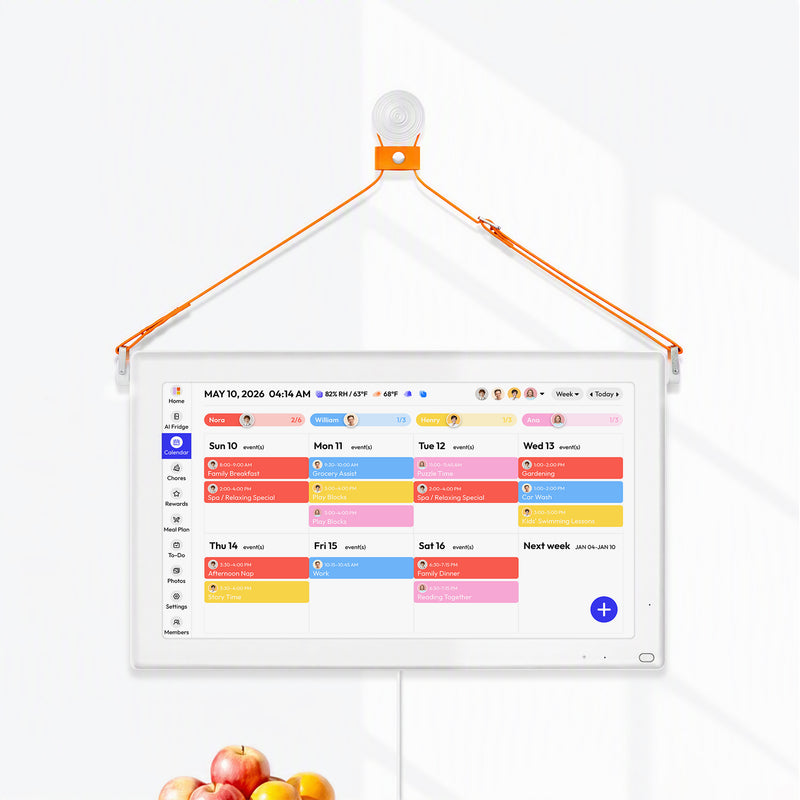
Keep the menu, quantities to buy, and substitutions together—in a notebook, shared note, or household planning tool. Each meal needs someone who knows they are cooking; each shopping trip needs someone who checks the quantities before buying.
Use specific notes: “Buy two cans of beans; two are already in the pantry” is clearer than “beans.” When someone changes a dinner, they should update the list too. A shared list is only useful if it reflects the current plan.
If Everblog is already your household planning hub, keep the week's menu and shopping notes there. There is no need to add another system just to start budgeting.
Check What Happened Before Planning Next Week
Compare the receipt with the planned checkout total. Then note what remained, which meal changed, and any unplanned takeout.
An overspend needs a specific response. Higher prices call for recalculation; food left unused calls for smaller quantities or a different meal; a missed cooking night calls for a more realistic schedule. Start the next plan with what is still usable and set the next shopping limit from there.


